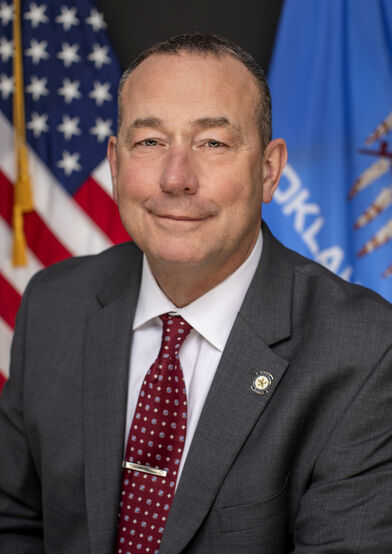
HB 2050 creates a new temporary licensure pathway for international medical graduates in Oklahoma who cannot immediately qualify for full licensure. It allows these applicants to obtain a limited license if they meet ECFMG standards, provide evidence of three years of post-graduate training or clinical practice abroad, secure employment at an accredited health care provider, and pass an English competency exam. During the limited license period (up to three years), they must practice only under supervision at an approved training program. After three years with no disciplinary issues and passing all USMLE exams, they may qualify for full licensure without the prior practice restrictions. This directly affects foreign-trained physicians seeking to practice in Oklahoma.
HB 1816 requires Oklahoma's Medicaid program to prioritize in-state medical providers for in-person care when local options are available, rather than contracting with out-of-state providers. It specifically applies to services requiring the patient's physical presence and direct provider care (excluding remote services like lab work). The Oklahoma Health Care Authority must seek federal approval to implement this change. The bill takes effect November 1, 2025.
SB 438 prevents health insurance companies and health plans in Oklahoma from requiring providers (like doctors, hospitals, or clinics) to accept only credit card payments for services. It mandates that insurers must notify providers about any fees tied to payment methods and provide clear instructions for choosing alternatives like electronic transfers. The bill also prohibits charging fees for standard electronic payments (ACH) without provider consent and voids any contract clauses that try to bypass these rules. These changes directly affect health insurers, health plans, and healthcare providers across Oklahoma, taking effect November 1, 2025.
HB 1585 establishes mandatory training requirements for pharmacy technicians in Oklahoma. It requires pharmacy technicians to complete two phases of training: Phase I before receiving a permit, and Phase II within 90 days of permit issuance. Pharmacy managers must develop, document, and verify all training, with failure to complete Phase II voiding the permit. The law directly affects pharmacy technicians seeking permits, their employers (pharmacy managers), and the Oklahoma Pharmacy Board, which oversees compliance. The bill takes effect November 1, 2025.
HB 1201 creates a 70% tax credit for Oklahoma taxpayers who donate to certified pregnancy resource centers, capping the credit at $50,000 per donor annually. To qualify, centers must provide free, non-abortion services (like prenatal care and counseling) without performing or referring for abortions, and must be certified by the state health director. The total annual tax credits for all donors are capped at $5 million, with annual adjustments to prevent exceeding this limit. The credit applies to donations of $100 or more and takes effect January 1, 2026.
HB 1380 creates Oklahoma's Insulin Access and Affordability Program within the State Department of Health to lower insulin costs and improve access. The program requires the state to partner with nonprofit pharmaceutical companies and organizations to secure fast-acting insulin at capped prices: $30 per vial or $55 per pack of five pre-filled pens, with agreements detailing projected savings for Oklahoma residents and self-insured plans. It directly affects Oklahomans using insulin, particularly those on public or private insurance, by aiming to reduce out-of-pocket costs through competitive pricing. The program takes effect July 1, 2025, and requires nonprofits to commit to specific price points and savings reporting.
HB 2754 establishes the Oklahoma Rural Hospitals Funding Assistance Grant Program to provide financial support to qualifying rural hospitals. It directly affects publicly owned hospitals in towns with fewer than 5,000 residents that meet federal critical access hospital standards. The program creates a revolving fund in the state treasury, administered by the State Department of Health, to award grants prioritizing areas with significant healthcare access barriers due to distance. Grants are limited to the total funds available in the revolving fund, and the program becomes effective July 1, 2025.
SB 595 creates the Oklahoma Jail Standards Act, requiring all city and county jails to meet new safety, health, and operational standards. It mandates annual inspections by the State Department of Health, sets specific requirements for inmate food, sanitation, medical care, staff training (4-8 hours yearly for direct-contact staff), and inmate classification, and requires facilities to develop written policies for emergencies and medical services. The bill directly affects all county jails, sheriff's departments, and facility administrators, while allowing temporary tent jails to operate under different rules. The Act also clarifies that medical care must cover illnesses or injuries from arrest through incarceration, and includes exceptions for short-term holding facilities under 12 hours.
HB 2012 removes the July 1, 2026, expiration date for Oklahoma's harm-reduction services program, making it permanent. It authorizes government agencies, religious institutions, nonprofits, for-profit companies, and tribal governments to provide services including needle distribution, HIV/hepatitis testing, referrals for addiction treatment, and safe needle disposal. Providers must register with the State Department of Health and report quarterly on services delivered, such as the number of people served, needles distributed, and test results. This bill directly affects people who use injection drugs by expanding access to health services aimed at reducing disease transmission and overdose risks.
HB 1686 requires hospitals to establish evidence-based sepsis protocols for early identification and treatment of patients with sepsis or septic shock, including staff training and population-specific guidelines (e.g., for pediatric or adult patients). It also mandates that Medicaid payors and health insurance plans (including private insurers) use specific clinical criteria for sepsis billing: a provider’s diagnosis of sepsis plus two symptoms of inflammatory response (such as fever, rapid heartbeat, or abnormal white blood cell count). The bill directly affects hospitals providing care and insurance companies administering Medicaid or health benefit plans in Oklahoma. It becomes effective November 1, 2025, aligning with federal coding standards for sepsis diagnosis.