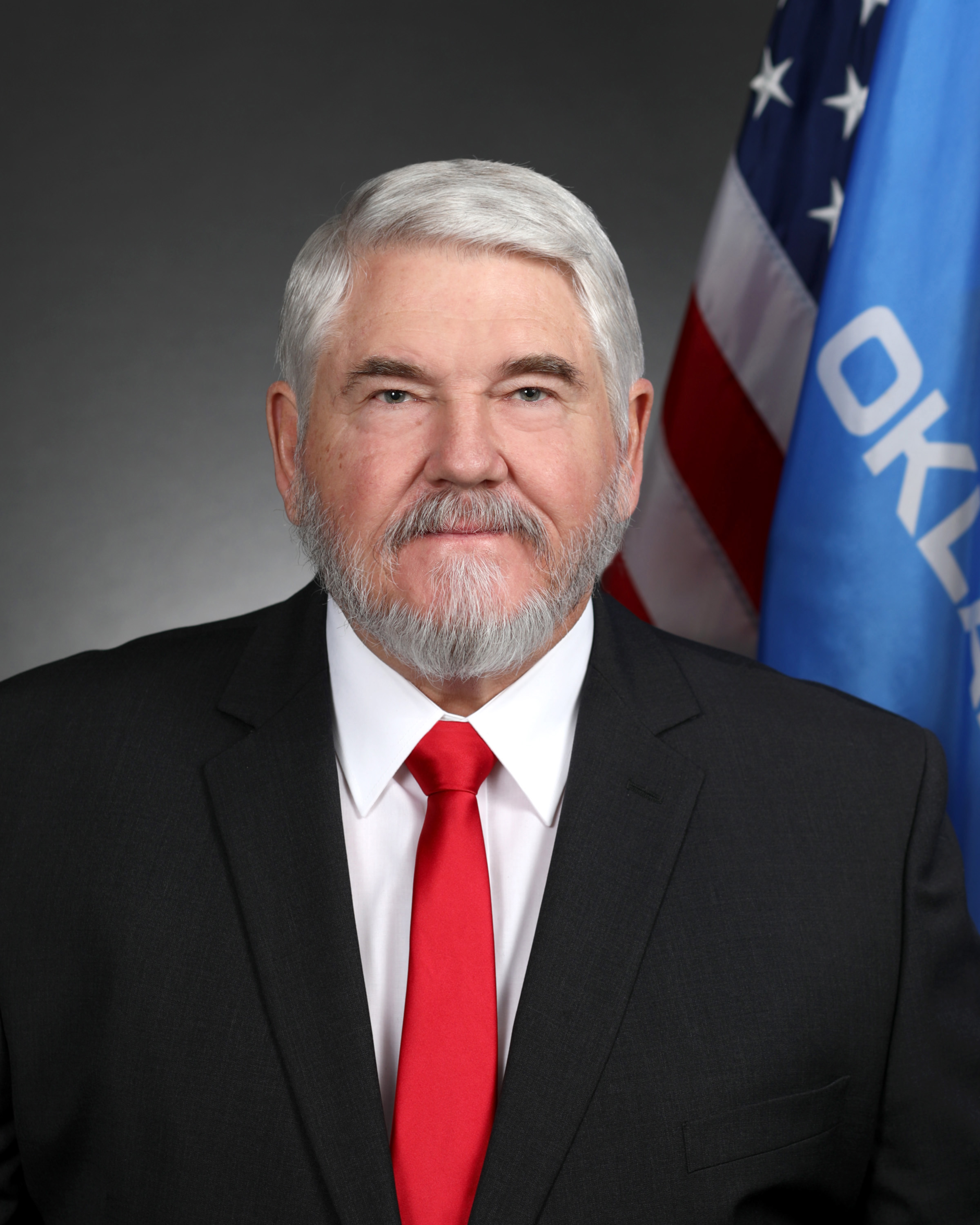
SB 522 creates an Oklahoma Medical Marijuana Authority Executive Advisory Council with six appointed members representing diverse stakeholders, including patients, business owners, and rural/urban communities. The bill requires this Council to establish a task force to research and recommend purchase and possession limits for medical marijuana patients, consulting with physicians, patient groups, veterans, and industry stakeholders. The task force must submit a final report by November 1, 2026, while the Council must issue annual reports to state leadership by November 1 each year. The bill focuses on gathering stakeholder input through structured research rather than changing existing medical marijuana laws. (Note: The bill was vetoed by the Governor on May 9, 2025.)
SB 515 allows Oklahoma health insurance enrollees to pay health care providers directly for covered, medically necessary services at negotiated lower prices. If the patient pays out of pocket for such a service (at a price below the insurer's standard rate), the provider must accept it as full payment and cannot bill for any balance. The insurer must then count this payment toward the patient's deductible and out-of-pocket maximum, depending on whether the provider was in-network or out-of-network. The bill applies to most health benefit plans (excluding Medicaid, Medicare supplements, and short-term plans) and takes effect November 1, 2025. It directly affects patients, providers, and insurers by changing how out-of-pocket payments count toward coverage costs.
SB 56 requires the Oklahoma Health Care Authority to create a program that reimburses family caregivers for providing home care services. This directly affects family members who care for relatives with medical needs at home, such as elderly or disabled individuals. The bill establishes a specific reimbursement mechanism through the Authority, directing them to implement the program immediately as an emergency measure. It became law on May 12, 2025, without the Governor's signature.
SB 1019 requires Oklahoma health insurers to cover continuous anesthesia services without arbitrary time limits during medical procedures. It defines "anesthesia time" as the period from patient preparation through service discontinuation and mandates that insurers cannot restrict coverage or payment based on time duration. The law directly affects insurers and anesthesia providers by eliminating policies that previously limited coverage for procedures requiring extended anesthesia care. Effective November 1, 2025, this bill codifies these requirements into Oklahoma Statutes (Title 36, Section 7500).
HB 2295 prohibits public trust hospitals in Oklahoma communities with fewer than 30,000 residents (per federal census) from transferring their licenses to locations more than 15 miles away. If a hospital plans to close, the bill mandates a mediation process: the hospital and municipality each appoint a mediator, who then select a third mediator to set a sale price for the facility if agreement isn’t reached. Hospital trustees must complete an approved education program within 90 days of appointment and certify they have no financial ties to potential buyers. The bill also requires CMS provider numbers to revert to the hospital immediately upon termination of third-party leases. It takes effect November 1, 2025.
SB 438 prevents health insurance companies and health plans in Oklahoma from requiring providers (like doctors, hospitals, or clinics) to accept only credit card payments for services. It mandates that insurers must notify providers about any fees tied to payment methods and provide clear instructions for choosing alternatives like electronic transfers. The bill also prohibits charging fees for standard electronic payments (ACH) without provider consent and voids any contract clauses that try to bypass these rules. These changes directly affect health insurers, health plans, and healthcare providers across Oklahoma, taking effect November 1, 2025.
HB 1585 establishes mandatory training requirements for pharmacy technicians in Oklahoma. It requires pharmacy technicians to complete two phases of training: Phase I before receiving a permit, and Phase II within 90 days of permit issuance. Pharmacy managers must develop, document, and verify all training, with failure to complete Phase II voiding the permit. The law directly affects pharmacy technicians seeking permits, their employers (pharmacy managers), and the Oklahoma Pharmacy Board, which oversees compliance. The bill takes effect November 1, 2025.
HB 2087 modifies Oklahoma's income tax credit for donations to qualified research institutes. It adjusts annual funding caps: for biomedical research institutes, the limit drops from $2 million to $1.5 million per year starting in 2026, while cancer research institute credits are capped at $500,000 annually. The credit percentage for each donation type is recalculated yearly based on prior-year claims, using specific formulas to stay within these new limits. Taxpayers donating to qualifying nonprofit biomedical or cancer research institutes (defined by NIH funding requirements) can claim the credit, with individual limits of $1,000-$25,000 depending on filing status or business type.
HB 1380 creates Oklahoma's Insulin Access and Affordability Program within the State Department of Health to lower insulin costs and improve access. The program requires the state to partner with nonprofit pharmaceutical companies and organizations to secure fast-acting insulin at capped prices: $30 per vial or $55 per pack of five pre-filled pens, with agreements detailing projected savings for Oklahoma residents and self-insured plans. It directly affects Oklahomans using insulin, particularly those on public or private insurance, by aiming to reduce out-of-pocket costs through competitive pricing. The program takes effect July 1, 2025, and requires nonprofits to commit to specific price points and savings reporting.
HB 1686 requires hospitals to establish evidence-based sepsis protocols for early identification and treatment of patients with sepsis or septic shock, including staff training and population-specific guidelines (e.g., for pediatric or adult patients). It also mandates that Medicaid payors and health insurance plans (including private insurers) use specific clinical criteria for sepsis billing: a provider’s diagnosis of sepsis plus two symptoms of inflammatory response (such as fever, rapid heartbeat, or abnormal white blood cell count). The bill directly affects hospitals providing care and insurance companies administering Medicaid or health benefit plans in Oklahoma. It becomes effective November 1, 2025, aligning with federal coding standards for sepsis diagnosis.