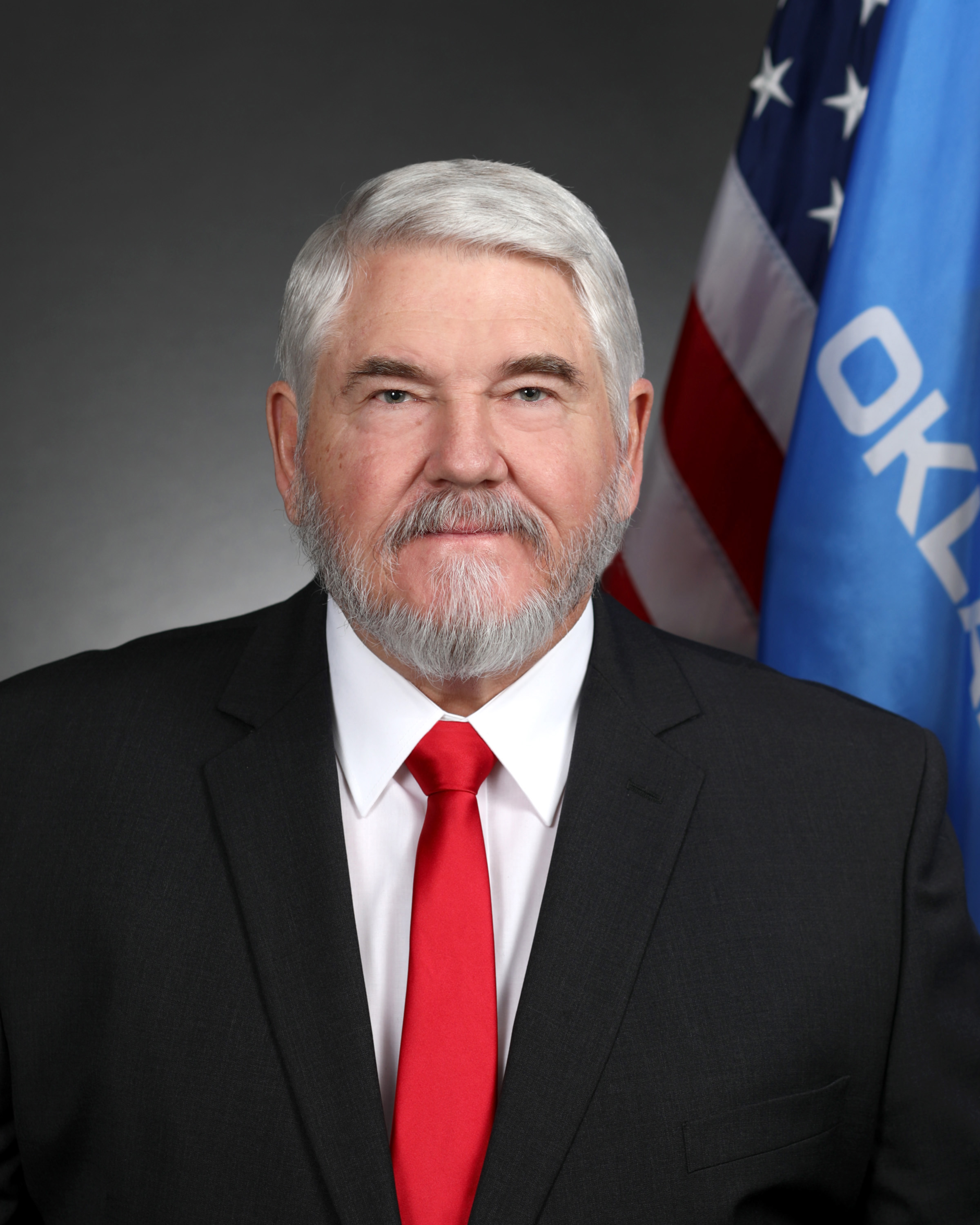
This bill updates Oklahoma's teledentistry rules, requiring dentists to hold an Oklahoma license when diagnosing or treating patients remotely within the state and mandating that all teledentistry records be maintained in Oklahoma or within 50 miles of its border. It also expands the Oklahoma Dental Loan Repayment Program, offering up to $60,000 annually for five years to dentists who agree to provide care to Medicaid patients (at least 30% of their practice) and serve in designated underserved areas (with exemptions for specialists and FQHC providers). The program prioritizes new dental graduates, particularly from the University of Oklahoma, and requires participants to teach at the University of Oklahoma College of Dentistry if selected as faculty. The law aims to increase dental access in rural and underserved communities while ensuring Medicaid-dependent patients receive care.
HB 1831 creates Oklahoma's first formal certification system for community health workers, establishing voluntary certification through the State Department of Health. It defines key terms, sets eligibility (Oklahoma residency, 18+ years old, U.S. residency, and 1,000 hours work experience option), and requires the Department to set standards, exams, and fees. The law specifically enables certified workers to serve as health liaisons, identify service gaps, and build community health capacity - while also authorizing partnerships with faith-based organizations for outreach. The certification becomes effective November 1, 2025, and does not require mandatory certification for workers.
HB 1523 would create a pilot program allowing Oklahoma public schools to offer virtual mental health services through telehealth. The State Department of Education must develop this program, with schools able to opt in by applying. Key provisions include requiring parental consent before services, limiting initial funding to $25,000, and defining "health benefit plan" per existing state law. The pilot aims to improve student mental health access without mandating participation. (Note: The bill was withdrawn from committee on February 19, 2025.)
HB 1538, the "Student Retention Protocol Act of 2025," requires Oklahoma schools to offer specific screenings and assessments to students identified as "at risk of being retained" (those below academic thresholds for advancing grades). It mandates hearing and vision screenings, family assessments, and, with parental consent, psychiatric, occupational, or physical therapy evaluations to address potential learning barriers before retention decisions. Schools may provide these services using qualified personnel or contracted professionals, but all provisions depend on available funding. The bill directly affects at-risk students, their families (who must approve psychiatric evaluations), and school districts, aiming to prevent retention through targeted support rather than changing retention policies themselves. It becomes effective July 1, 2025.