Issue · Environment

Environment

Every environment bill, vote, and legislator stance in Oklahoma, automatically classified by Maddy, our AI policy reader.

Total bills
126
2026 Regular Session
Top supporter
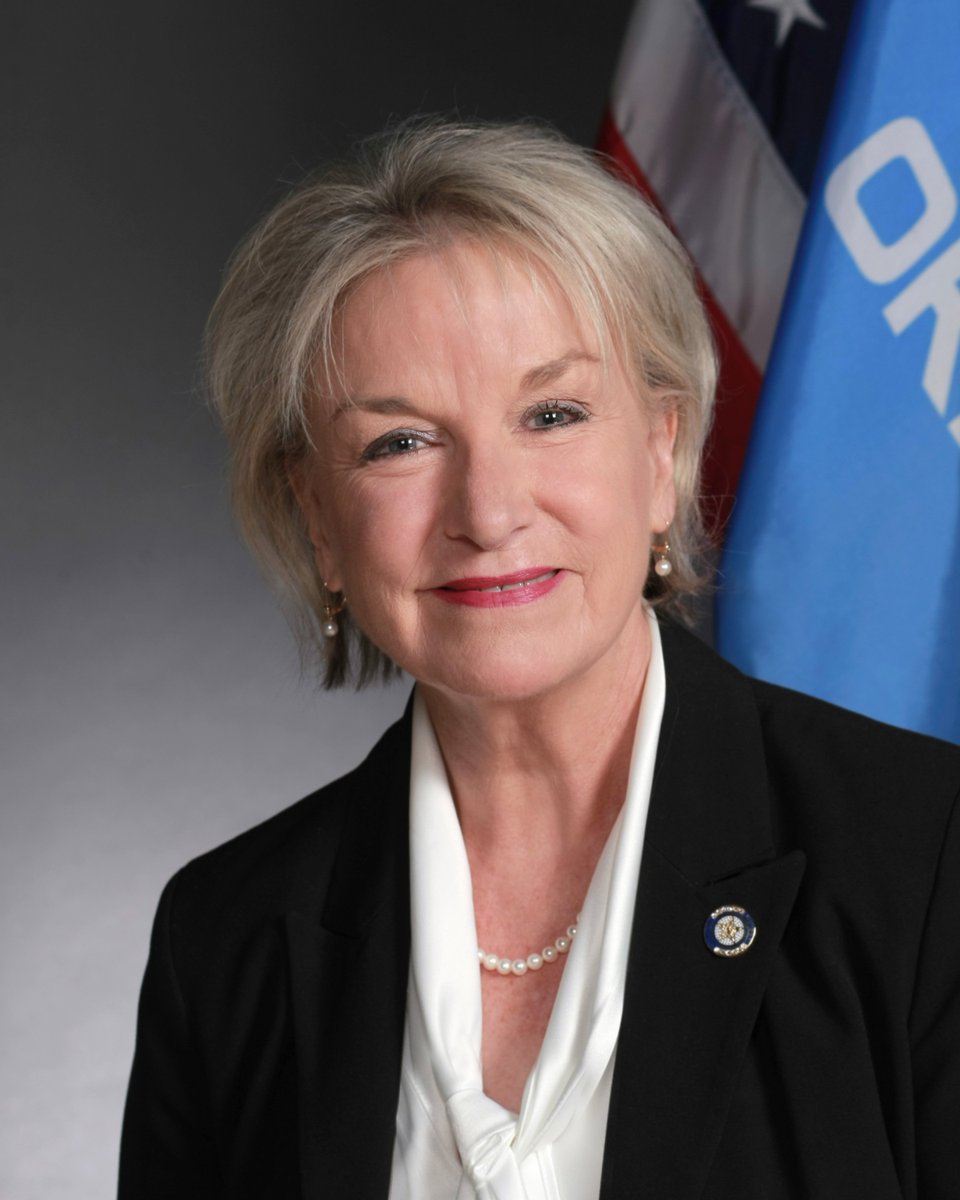
Brenda Stanley
88% support rate
Top opponent
Dusty Deevers
19% support rate
Ranked legislators
10
5 support · 5 oppose
Key legislators

Who's moving environment in Oklahoma

Legislators moving environment in Oklahoma
Legislator Party Stance Support rate Votes
Brenda Stanley
Brenda Stanley Senate · District 42
R
Strong +
88% 62
Darcy Jech
Darcy Jech Senate · District 26
R
Strong +
87% 65
Lonnie Paxton
Lonnie Paxton Senate · District 23
R
Strong +
86% 53
Aaron Reinhardt
Aaron Reinhardt Senate · District 37
R
Strong +
85% 65
Avery Frix
Avery Frix Senate · District 9
R
Strong +
84% 77
Dusty Deevers
Dusty Deevers Senate · District 32
R
Strong −
19% 69
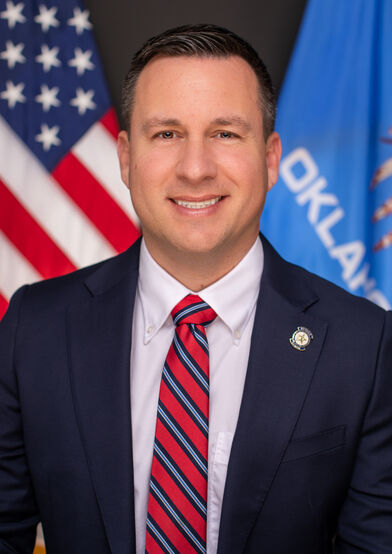
Rick West
Rick West House · District 3
R
Strong −
20% 91
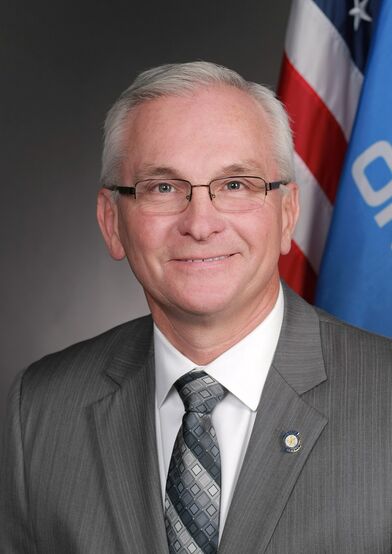
Jim Shaw
Jim Shaw House · District 32
R
Strong −
20% 76
Tom Gann
Tom Gann House · District 8
R
Oppose
21% 69
Lisa Standridge
Lisa Standridge Senate · District 15
R
Oppose
22% 61
Showing 71–80 of 126 bills

All environment bills

in committee · Oklahoma · House Feb 10, 2026

HB 3659: Game and fish; waterfowl; nonresidents; public land; fines; effective date.

HB 3659 requires most hunters to obtain a waterfowl hunting license or stamp in Oklahoma, with fees set at $20 for residents (18+) and $30 for nonresidents (18+). Nonresidents face specific restrictions: they may only hunt waterfowl on public lands south of I-40 and east of I-35 on Monday-Thursday during the second half of the season. Those arrested without a valid license can buy a temporary stamp ($100 for residents, $175 for nonresidents), with fees funding wetland conservation. Violations carry fines of $25-$500, and the law takes effect November 1, 2026.
passed · Oklahoma · Senate Apr 14, 2026

SB 1930: Oklahoma Brine Development Act; clarifying application of act; adding and modifying definitions; clarifying Corporation Commission jurisdiction; modifying provisions related to brine, produced water, and constituent element rights. Emergency.

SB 1930 amends Oklahoma's brine and produced water laws to clarify definitions and explicitly include water reuse and recycling as policy goals. It directly affects oil and gas producers who handle brine (subsurface saltwater) and produced water, defining key terms like "brine," "solution gas," and "effluent" to distinguish between brine extraction and oil/gas production. The bill updates statutory language to align the Oklahoma Brine Development Act with the Oil and Gas Produced Water Recycling Act, ensuring consistent regulation of brine operations and effluent disposal. These changes aim to streamline management of brine resources while promoting reuse of produced water, without creating new regulatory requirements.
Sub-Topics Oil & Gas Recycling
in committee · Oklahoma · Senate Mar 12, 2026

SB 1471: Municipal powers; authorizing certain fee related to solid waste management systems. Effective date.

SB 1471 authorizes Oklahoma cities and towns to levy targeted fees on retail delivery, single-use products, and plastic containers to fund solid waste management. These fees must be narrowly tailored to actual waste generation costs and can be charged per transaction or delivery. Revenue from these fees is restricted to specific waste management uses, including collection, recycling, litter cleanup, public education, and reducing environmental harm from waste. The bill also modifies plastic container labeling rules to clarify that local governments cannot broadly restrict plastic use, but may implement narrowly focused waste-reduction fees.
died · Oklahoma · House Feb 9, 2026

HB 4219: Data centers; Data Centers Act of 2026; effective date.

HB 4219, the "Data Centers Act of 2026," establishes requirements for large-scale facilities including data centers (NAICS 518210), wind energy infrastructure, battery storage, recycling operations, and carbon capture projects. It mandates a 500-foot setback from property lines, requires developers to cover all infrastructure costs, and creates an Environmental Mitigation Fund for decommissioning obsolete facilities. The bill directly affects developers of covered facilities by imposing these operational and financial obligations. It takes effect November 1, 2026, and applies broadly beyond just data centers to other energy and environmental infrastructure.
Sub-Topics Recycling
in committee · Oklahoma · House Feb 3, 2026

HB 3724: Public utilities; defining terms; stating applicability to high-demand facilities with certain electricity requirements; emergency.

HB 3724 regulates large energy users by defining "high-demand facilities" as commercial, industrial, or institutional sites using 75 megawatts or more of electricity. The bill prohibits these facilities from receiving taxpayer-funded subsidies (like tax credits or grants) and requires them to fully cover all grid infrastructure costs and water usage impacts. It mandates water recycling, limits daily water withdrawals to 25% of a provider’s current rate, and bans construction by foreign entities or on agricultural land. Additionally, facilities must submit decommissioning plans and comply with local noise rules without exceptions.
Sub-Topics Recycling
vetoed · Oklahoma · House May 7, 2025

HB 1910: Environment and natural resources; Urban Agriculture Cost Share Program; Conservation Commission; defining terms; program guidelines; revolving fund; administration of program; liability; effective date.

HB 1910 establishes Oklahoma's Urban Agriculture Cost Share Program, administered by the Oklahoma Conservation Commission. It provides funding from the Conservation Commission's Infrastructure Revolving Fund to reimburse eligible individuals, tribes, or organizations for urban agriculture projects on land within five miles of urban areas defined by the U.S. Census. Eligible projects include community gardens, rooftop farming, greenhouses, soil health initiatives, and food waste composting, with priority given to areas with limited access to healthy food. Applicants must submit project plans and enter contracts with local conservation districts, and the Commission must annually report program data on projects, funding, and community impacts.
Sub-Topics Conservation
passed · Oklahoma · House Apr 16, 2026

HB 1907: Environment; creating the Battery Stewardship Act; defining terms; effective date.

HB 1907, the Battery Stewardship Act, requires producers of batteries weighing over 11 pounds (including vehicle batteries) to create and manage recycling programs. It grants producers and their stewardship organizations immunity from antitrust laws when planning, reporting, and operating these programs. The bill also allows private collectors to run independent battery collection services (like household drop-offs) if they follow environmental rules and send collected batteries to approved stewardship organizations. This directly affects battery manufacturers, vehicle dealers, and recycling organizations in Oklahoma.
Sub-Topics Recycling
in committee · Oklahoma · Senate Mar 10, 2025

SB 1021: Environment and natural resources; prohibiting certain actions relating to weather modification; providing for investigation. Effective date.

SB 1021 prohibits the intentional use of chemicals or apparatus to alter weather conditions (like temperature, precipitation, or sunlight intensity) within Oklahoma. It directly affects individuals, companies, or entities attempting weather modification activities in the state. The bill authorizes the Governor to direct the Oklahoma Air National Guard to intercept, investigate, and document violations, including securing evidence from aircraft. The law repeals previous weather modification statutes and takes effect on November 1, 2025.
passed · Oklahoma · House Apr 14, 2025

HB 2096: Wildlife habitat development; exempting land in program from eminent domain; requiring projects be complete at landowner's expense; effective date.

HB 2096 creates a state wildlife habitat program allowing private landowners to enter contracts with Oklahoma’s Wildlife Conservation Department for habitat development projects. Landowners must cover all project costs, and their enrolled land is protected from government seizure (eminent domain) during the contract term and for five years after completion. Landowners may cancel contracts at any time but must repay all state funds used for habitat improvements before cancellation. The program explicitly states the state bears no liability for damages, and the Department may charge participation fees.
Sub-Topics Conservation Wildlife
passed both · Oklahoma · Senate Apr 30, 2026

SB 3: Oklahoma Department of Agriculture, Food and Forestry; Industrial Hemp Program; licensing; agencies; revocation of licenses; fines; violations. Emergency.

SB 3 prohibits the land application of sludge and biosolid materials in Oklahoma until July 1, 2028. The bill requires the Department of Environmental Quality to revoke all existing permits and stop issuing new permits for this practice, directly affecting wastewater treatment facilities and agricultural operations currently using these materials. Key provisions define "biosolid material" to include sludge, perfluoroalkyl, and polyfluoroalkyl substances, with the moratorium taking immediate effect due to an emergency declaration. This law halts all land application activities until the specified date, without providing alternative disposal methods.
Showing 71 to 80 of 126 bills
Previous 1 7 8 9 13 Next