Issue · Environment

Environment

Every environment bill, vote, and legislator stance in Oklahoma, automatically classified by Maddy, our AI policy reader.

Total bills
154
2026 Regular Session
Top supporter
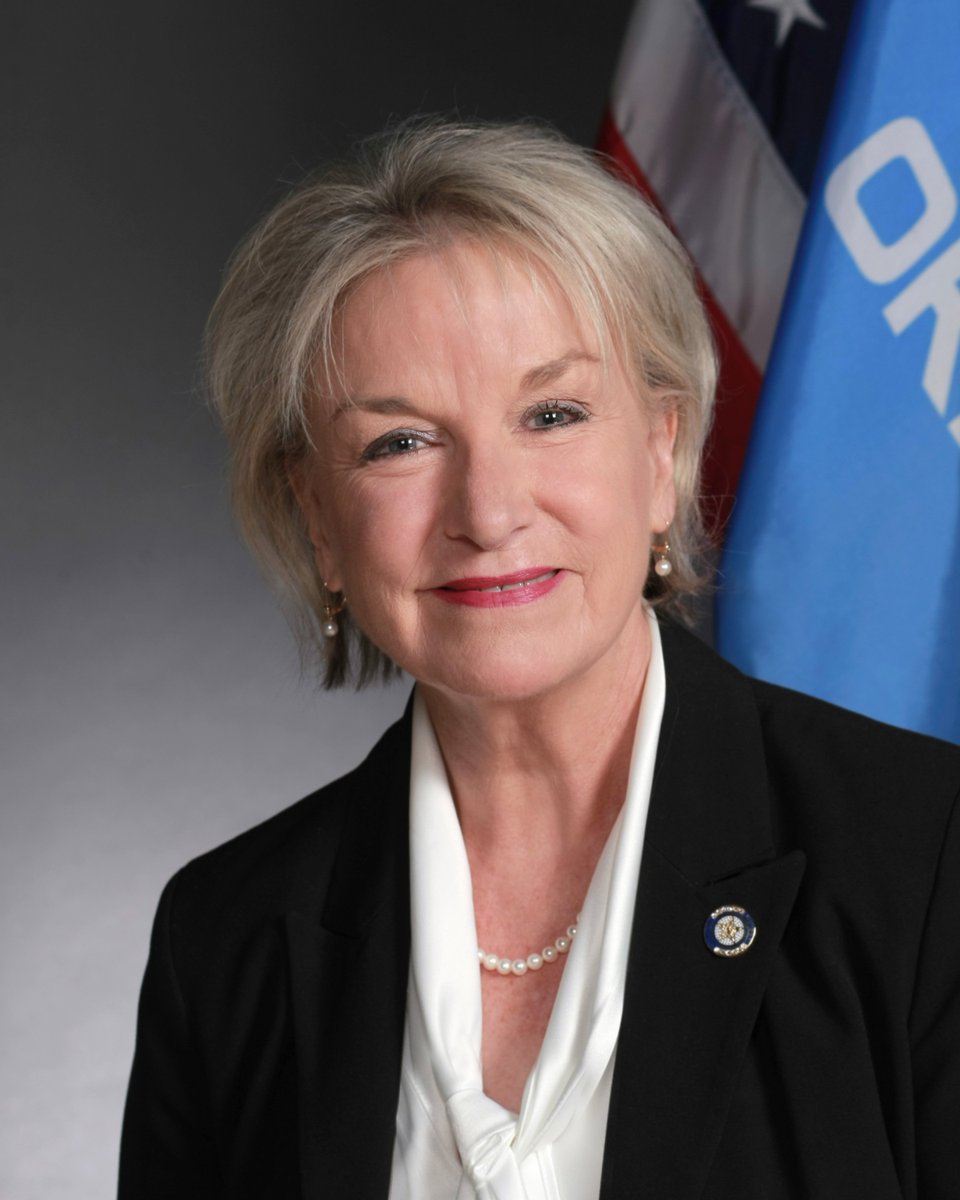
Brenda Stanley
88% support rate
Top opponent
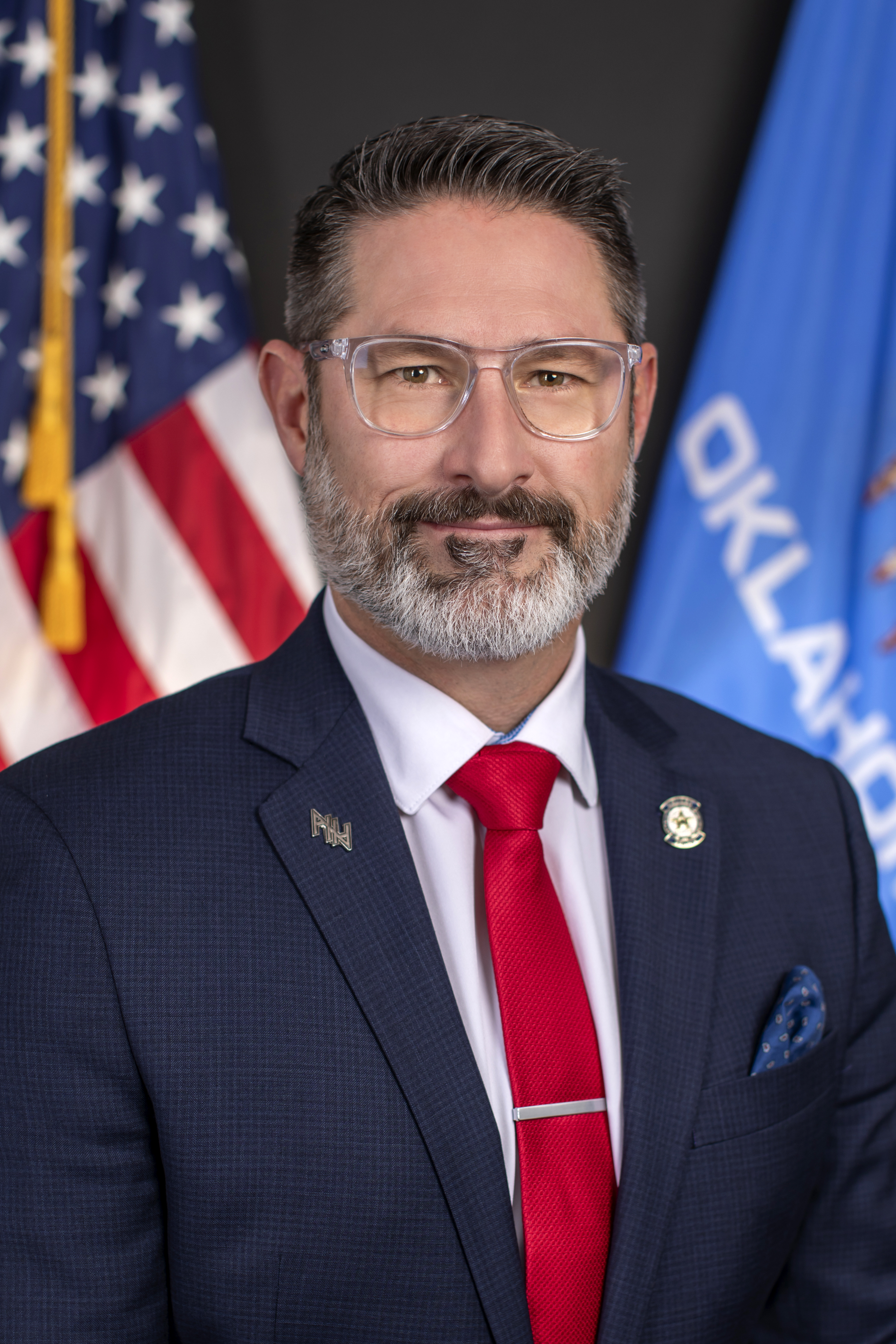
Dusty Deevers
19% support rate
Ranked legislators
10
5 support · 5 oppose
Key legislators

Who's moving environment in Oklahoma

Legislators moving environment in Oklahoma
Legislator Party Stance Support rate Votes
Brenda Stanley
Brenda Stanley Senate · District 42
R
Strong +
88% 62
Darcy Jech
Darcy Jech Senate · District 26
R
Strong +
87% 65
Lonnie Paxton
Lonnie Paxton Senate · District 23
R
Strong +
86% 53
Aaron Reinhardt
Aaron Reinhardt Senate · District 37
R
Strong +
85% 65
Avery Frix
Avery Frix Senate · District 9
R
Strong +
84% 77
Dusty Deevers
Dusty Deevers Senate · District 32
R
Strong −
19% 69
Rick West
Rick West House · District 3
R
Strong −
20% 91
Jim Shaw
Jim Shaw House · District 32
R
Strong −
20% 76
Tom Gann
Tom Gann House · District 8
R
Oppose
21% 69
Lisa Standridge
Lisa Standridge Senate · District 15
R
Oppose
22% 61
Showing 71–80 of 154 bills

All environment bills

died · Oklahoma · Senate Mar 4, 2026

SB 2157: Scenic rivers; creating the Southeast Scenic Rivers Act; authorizing the Legislature to designate certain rivers as scenic rivers. Effective date.

SB 2157 designates four specific rivers in southeastern Oklahoma as scenic rivers: the Glover River (McCurtain County), Kiamichi River (Choctaw, Pushmataha, Le Flore Counties), Little River (McCurtain, Pushmataha, Le Flore Counties), and Mountain Fork River (Le Flore, McCurtain Counties). It creates the Southeast Scenic Rivers Commission, composed of 11 members including local residents, tribal representatives, and state appointees, to manage these areas. The Commission must establish minimum standards protecting the rivers' natural beauty, wildlife, and recreational value while allowing compatible uses. These standards will guide counties and municipalities in planning and development within designated river corridors. The bill requires the Commission to operate under Oklahoma's Open Meeting and Open Records Acts.
Sub-Topics Wildlife
passed · Oklahoma · House Apr 8, 2026

HB 2975: Agriculture; nutrient management plans; poultry waste; effective date.

HB 2975 requires Oklahoma poultry feeding operations to create detailed Nutrient Management Plans for handling poultry waste. These plans must include specific waste storage methods (like covered storage during emergencies), strict rules against applying waste during rain, saturated ground, or on frozen land, and soil/waste testing data. Farms must renew these plans every six years and maintain records of all waste applications. The bill directly affects all poultry operations in Oklahoma by setting concrete environmental handling requirements.
signed · Oklahoma · House May 11, 2026

HB 2988: Environment and natural resources; Terry Peach North Canadian Watershed Restoration Act; pilot program; definitions; fund; effective date.

HB 2988 creates an income tax credit for Oklahoma landowners who implement specific conservation practices, including removing harmful woody species, improving soil health, or enhancing water efficiency on agricultural land. It directly affects farmers and ranchers who actively practice these conservation methods on their property, allowing them to claim credits of $5-$500 per acre (up to $150,000-$200,000 annually) based on the number of qualifying practices used. The Oklahoma Conservation Commission issues tax credit certificates verifying eligibility, while the program limits annual credits to $3 million total and requires applicants to not have received full cost coverage from other sources. The credit applies to income tax returns for 2027-2030, with certificates processed in order of submission until the $3 million cap is reached.
signed · Oklahoma · House Apr 28, 2026

HB 3005: State government; Oklahoma Climatological Survey; sunset; effective date; emergency.

HB 3005 extends the operational deadline for the Oklahoma Climatological Survey (OCS) from July 1, 2026, to July 1, 2027, under the Oklahoma Sunset Law. It maintains the OCS's existing structure, including its placement under the University of Oklahoma's Board of Regents, its six core duties (like archiving climate data, producing climate summaries, and operating the Mesonet network), and the director's appointment process. The bill does not alter the Survey's functions or funding but adjusts its sunset date to ensure continued operation. It takes effect July 1, 2026, with an emergency clause allowing immediate implementation.
passed · Oklahoma · House Apr 1, 2026

HB 4340: Revenue and taxation; sales tax; exemptions; frack water; effective date.

HB 4340 would add a sales tax exemption for the sale of "frack water" (wastewater from oil and gas extraction) in Oklahoma. This exemption would directly affect oil and gas companies and vendors selling this wastewater, eliminating the sales tax on such transactions. The bill amends Oklahoma's sales tax code to include this specific exemption under existing tax exemption categories. The policy change would reduce tax burdens for businesses involved in handling oil and gas extraction wastewater. The bill is currently pending in the Appropriations and Budget Natural Resources Subcommittee.
died · Oklahoma · Senate Feb 11, 2026

SB 2138: Forest fire prevention; modifying certain fund name requiring creation of prescribed burn plans for land owners and local fire departments; limiting reimbursement. Effective date.

SB 2138 creates the "Oklahoma Controlled Prescribed Burn Indemnity Fund" to reimburse landowners for damages when prescribed burns escape beyond their property, excluding insurance-covered losses or damage to the landowner's own property. It requires landowners to develop detailed burn plans (including weather conditions, firebreaks, and smoke management), notify adjacent landowners 60 days in advance, and alert fire departments 48 hours before burns. Landowners must pay a $100-$250 fee to file plans and can receive up to $1 million per incident, with payments made pro-rata if funds are insufficient. The bill directly affects landowners conducting prescribed burns, local fire departments, and the Oklahoma Conservation Commission, which administers the fund and verifies claims.
Sub-Topics Conservation Forestry
passed · Oklahoma · House Apr 20, 2026

HB 4246: Waters and water rights; authorizing the Department of Environmental Quality to contract with certain parties; effective date.

HB 4246 allows Oklahoma's Department of Environmental Quality (DEQ) to contract with the Oklahoma Rural Water Association or other qualified state suppliers for technical assistance to rural water and wastewater system operators. The bill expands the DEQ's existing authority to partner with nonprofit entities that can provide equally effective support, without requiring new funding. It directly affects rural water system operators statewide by potentially improving access to technical support services. The bill takes effect on November 1, 2026.
in committee · Oklahoma · House Feb 3, 2026

HB 4354: Invasive cedar; Salt Cedar Eradication Act; definitions; creating program; rules; report; effective date; emergency.

HB 4354, the Salt Cedar Eradication Act, creates a state program to control and remove invasive Salt Cedar (Tamarix species) in Oklahoma counties within the Upper North Fork of the Red River Basin. The Oklahoma Conservation Commission will lead this effort, collaborating with state agencies to conduct surveys, implement eradication methods (like mechanical removal and chemical treatments), and provide technical and financial assistance to eligible landowners (private, tribal, and public). The program is funded through a new Salt Cedar Eradication Revolving Fund, which can use federal grants, private contributions, and other designated sources. The Commission must submit annual reports detailing progress, spending, and recommendations for managing Salt Cedar impacts on water resources, native ecosystems, and agriculture.
Sub-Topics Conservation
in committee · Oklahoma · Senate Feb 18, 2026

SB 2114: Game and fish; prohibiting certain harassment or disturbance of wildlife; authorizing certain enforcement. Effective date.

This bill increases penalties for trespassing on private land used for farming, ranching, or forestry, with fines up to $2,500 for repeat offenses. It specifically prohibits dogs from harassing wildlife on such land and clarifies exemptions for emergency personnel, utility workers, and land surveyors. Game wardens gain expanded authority to enforce wildlife protection rules and coordinate with other law enforcement. The law directly affects landowners, trespassers, and wildlife conservation efforts, while updating statutes to reflect current enforcement needs.
in committee · Oklahoma · House Feb 3, 2026

HB 3046: Game and fish; bond; administrative fine; method; timeframe; effective date.

HB 3046 amends Oklahoma law to allow individuals arrested for violating wildlife rules (e.g., hunting or fishing regulations) to pay half the standard bond amount as an administrative fine instead of posting bond. The fine must be paid in person or online within seven days of arrest, rounded to the nearest $5 increment, and collected funds go directly to the Wildlife Conservation Fund for habitat protection. This change applies to all violations handled under Section 7-208 of the Oklahoma Statutes and takes effect November 1, 2026. The bill directly affects people cited for wildlife rule violations by offering a simplified payment option.
Sub-Topics Conservation Wildlife
Showing 71 to 80 of 154 bills
Previous 1 7 8 9 16 Next