Issue · Environment

Environment

Every environment bill, vote, and legislator stance in Oklahoma, automatically classified by Maddy, our AI policy reader.

Total bills
154
2026 Regular Session
Top supporter
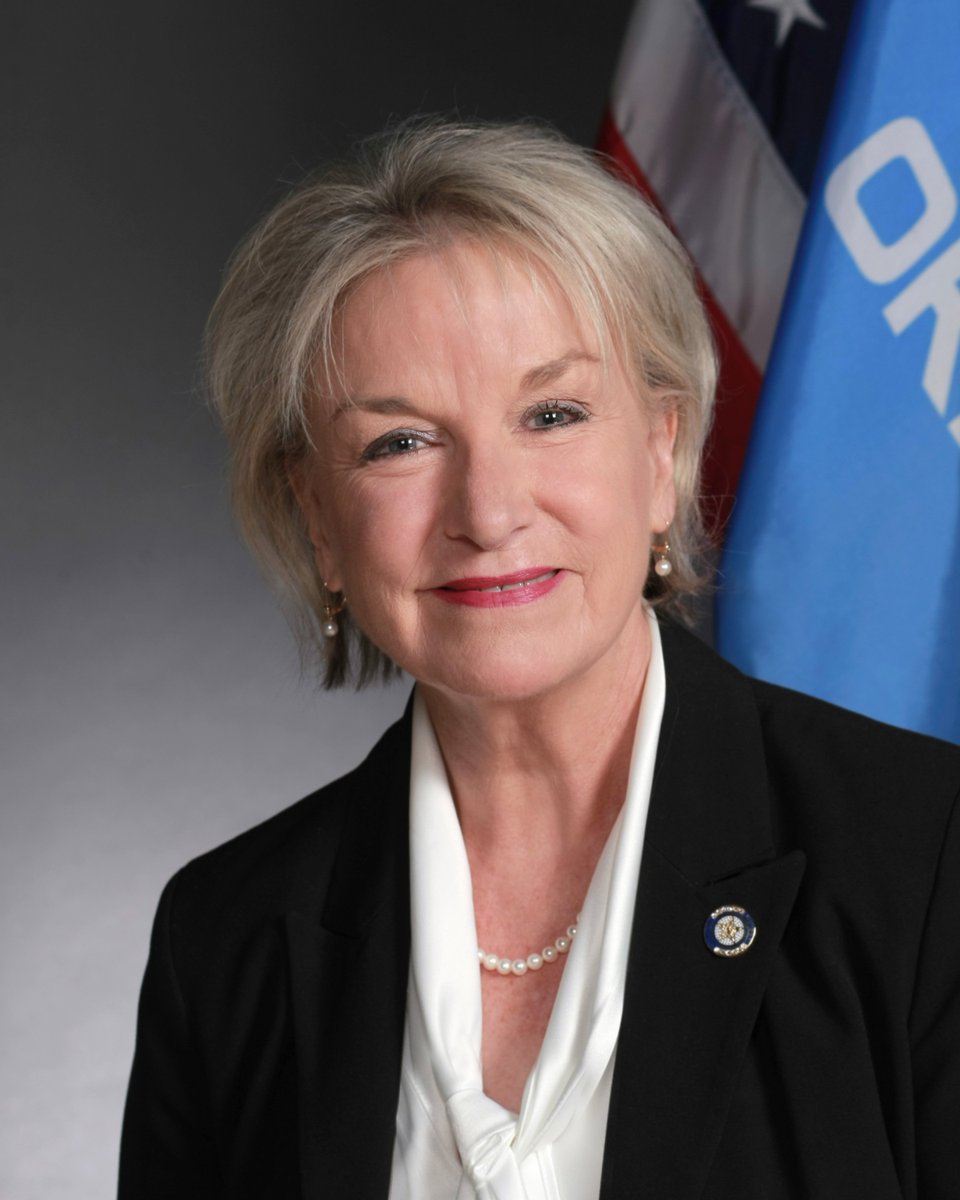
Brenda Stanley
88% support rate
Top opponent
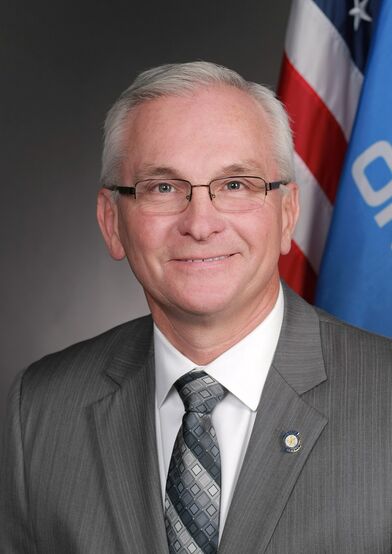
Dusty Deevers
19% support rate
Ranked legislators
10
5 support · 5 oppose
Key legislators

Who's moving environment in Oklahoma

Legislators moving environment in Oklahoma
Legislator Party Stance Support rate Votes
Brenda Stanley
Brenda Stanley Senate · District 42
R
Strong +
88% 62
Darcy Jech
Darcy Jech Senate · District 26
R
Strong +
87% 65
Lonnie Paxton
Lonnie Paxton Senate · District 23
R
Strong +
86% 53
Aaron Reinhardt
Aaron Reinhardt Senate · District 37
R
Strong +
85% 65
Avery Frix
Avery Frix Senate · District 9
R
Strong +
84% 77
Dusty Deevers
Dusty Deevers Senate · District 32
R
Strong −
19% 69
Rick West
Rick West House · District 3
R
Strong −
20% 91
Jim Shaw
Jim Shaw House · District 32
R
Strong −
20% 76
Tom Gann
Tom Gann House · District 8
R
Oppose
21% 69
Lisa Standridge
Lisa Standridge Senate · District 15
R
Oppose
22% 61
Showing 141–150 of 154 bills

All environment bills

died · Oklahoma · House May 30, 2025

HB 2162: Environment and natural resources; Terry Peach North Canadian Watershed Restoration Act; Terry Peach Water Restoration Act; purpose; revolving fund; effective date.

HB 2162 creates the "Terry Peach North Canadian Watershed Water Restoration Act" to establish a pilot program for removing harmful woody species like Eastern Redcedar and salt cedar in Oklahoma's North Canadian Watershed. The Oklahoma Conservation Commission will administer the program using a new revolving fund, which can receive state, federal, and private funds, to cost-share with landowners for removal methods like prescribed burns and herbicides. The program aims to improve water flow into the North Canadian River, reduce wildfire risks, protect grazing lands, and restore wildlife habitat by targeting specific invasive plant species. The bill also designates two active project areas (above and below Canton Lake) and requires the Commission to measure species density, create comparison studies, and develop grant programs with local groups. The fund becomes effective November 1, 2025, but the bill died in conference committee on May 30, 2025.
in committee · Oklahoma · House Feb 4, 2025

HB 1989: Wind farms; modifying date; modifying list of setbacks; effective date.

HB 1989 modifies Oklahoma's wind farm setback requirements by allowing landowners to waive minimum distance rules between turbines and properties through direct agreement with wind farm operators. The bill specifically applies to landowners in affected counties and changes the existing setback restrictions for wind energy projects. Key provisions include adding "in an affected county" to the bill's language and enabling landowners to consent to relaxed setback distances via written agreement. This change shifts some decision-making power to landowners while maintaining the requirement for written consent from both parties.
Sub-Topics Wind
in committee · Oklahoma · House Feb 4, 2025

HB 1290: Property; limiting ownership of counties; recording instruments; effective date.

HB 1290 limits land ownership by the State of Oklahoma, state agencies, the federal government, and land encumbrances (like conservation easements) to no more than 10% of each county's total land. County clerks must refuse to record any property documents that would exceed this 10% threshold. Exemptions include federal military bases, flood control lakes, and temporary county tax-foreclosed properties. The law takes effect November 1, 2025, directly affecting county record-keeping practices and large landholdings by government entities.
signed · Oklahoma · House May 7, 2025

HB 1438: Waters and water rights; Rural Economic Action Plan grant program; monetary cap; effective date.

HB 1438 sets a monetary cap of $150,000 to $350,000 per entity per year for grants under Oklahoma's Rural Economic Action Plan program, which funds water quality projects like sewer line repairs, water treatment, and infrastructure improvements. The bill prioritizes small cities (under 1,750 population) and those with weaker fiscal capacity, while restricting eligibility to cities/towns under 7,000 population (based on census data) and unincorporated areas under 7,000. It requires the Oklahoma Water Resources Board to distribute all funds without administrative retention, establish separate accounts for specific economic development districts, and eliminate matching fund requirements for recipients.
passed · Oklahoma · Senate Apr 14, 2026

SB 1346: Water and water rights; creating the Water and Wastewater Infrastructure Investment Program; creating the Water and Wastewater Infrastructure Investment Revolving Fund. Effective date. Emergency.

SB 1346 creates a state program to provide competitive loans for water and wastewater infrastructure projects in Oklahoma. It establishes a $250 million revolving fund administered by the Oklahoma Water Resources Board, which will allocate funds based on community size: 50% to projects in areas with under 30,000 residents, 25% to medium-sized communities (30,000-400,000), and 25% to large cities (over 400,000). The program requires loan applicants to meet criteria like project urgency, conservation efforts, and matching funds, with a reimbursement requirement if projects fail to meet terms. The Board must publish an interactive map showing project status, locations, and timelines on its website.
Sub-Topics Conservation
vetoed · Oklahoma · House May 29, 2025

HB 1543: Oklahoma Conservation Commission; expanding powers and duties of the Commission; effective date.

HB 1543 expands the Oklahoma Conservation Commission's authority to coordinate conservation efforts, specifically adding requirements to include tribal governments in its work and removing restrictions on the Conservation District Consolidation Fund. The bill allows the Commission to enter contracts with tribes, federal agencies, counties, and other entities to administer statewide conservation programs and secure funding. It directly affects Oklahoma's 157 conservation districts, tribal governments, and state agencies collaborating on resource conservation. The key change requires the Commission to actively coordinate with tribes and manage funds for district programs, while maintaining its existing role in supporting local conservation planning and reporting.
Sub-Topics Conservation
in committee · Oklahoma · Senate Feb 6, 2025

SB 1010: Scenic Rivers Act; providing scenic river designation for certain waters. Effective date. Emergency.

SB 1010 officially designates eight specific rivers and creeks across Oklahoma as scenic rivers under the Scenic Rivers Act. It directly affects residents and visitors in the counties where these waterways flow, including Delaware, Adair, Cherokee, McCurtain, LeFlore, and Sequoyah Counties. The bill amends state law to formally recognize these areas for their natural beauty, recreational value, and ecological significance, preserving them from development that could harm their scenic character. The designation takes effect on July 1, 2025, with an emergency declaration allowing immediate implementation upon approval. This policy change focuses on protecting existing natural resources without altering land use regulations or funding mechanisms.
Sub-Topics Natural Disasters
failed · Oklahoma · House May 6, 2026

HB 1728: Invasive cedar; creating the Salt Cedar Eradication Act; defining terms; creating certain program; rules; report; effective date; emergency.

HB 1728 creates the Salt Cedar Eradication Act to manage invasive salt cedar (Tamarix species) in Oklahoma's Upper Red River Basin, directly affecting private, tribal, and public landowners in that region. The Oklahoma Conservation Commission will lead a program that maps infestations, implements eradication methods (like mechanical removal and chemical treatments), and provides financial and technical assistance to landowners. It establishes a revolving fund using state, federal, and private funds designated for salt cedar removal, and requires annual reports to state officials on progress, spending, and recommendations. The program aims to protect water resources, restore native ecosystems, and support agricultural productivity.
Sub-Topics Conservation
signed · Oklahoma · Senate May 20, 2025

SB 269: Carbon sequestration; modifying jurisdiction over certain injection wells; establishing provisions for establishment of certain CO2 sequestration facilities and storage units. Effective date.

SB 269, now law after Governor approval on May 20, 2025, gives Oklahoma's Corporation Commission exclusive authority over CO2 sequestration facilities and storage units, including Class VI injection wells. It updates rules for facility authorization, requires specific notice procedures for owners, and creates a revolving fund for carbon sequestration projects funded by fees. The bill directly affects companies building CO2 storage facilities and the Corporation Commission, which now manages permits, inspections, and fee collection for these operations. Key changes include defining CO2 storage unit ownership requirements, establishing a process for facility modifications, and allowing appeals of Commission decisions to the Supreme Court.
signed · Oklahoma · Senate May 29, 2026

SB 259: Water and water rights; establishing procedures for permitting, monitoring, and reporting of groundwater use. Effective date.

SB 259 requires groundwater permit holders to submit annual usage reports, with specific additions for swine operations using liquid waste systems that must indicate if they are licensed under Oklahoma's Concentrated Animal Feeding Operations Act. It updates waste prevention rules to prohibit inefficient use, pollution, and unauthorized drilling, while expanding the Oklahoma Water Resources Board's authority to investigate complaints, implement metering schedules, and enforce penalties. The bill directs the Board to monitor groundwater use, notify agriculture officials about unlicensed operations, and require landowner notice before inspections. An appropriation funds the Board's new monitoring and enforcement responsibilities under this legislation.
Showing 141 to 150 of 154 bills