Issue · Education

Education (K-12 Education)

Every education bill, vote, and legislator stance in Oklahoma, automatically classified by Maddy, our AI policy reader.

Total bills
64
2026 Regular Session
Top supporter
Kelly Hines
93% support rate
Top opponent
Julia Kirt
12% support rate
Ranked legislators
10
5 support · 5 oppose
Key legislators

Who's moving k-12 education in Oklahoma

Legislators moving k-12 education in Oklahoma
Legislator Party Stance Support rate Votes
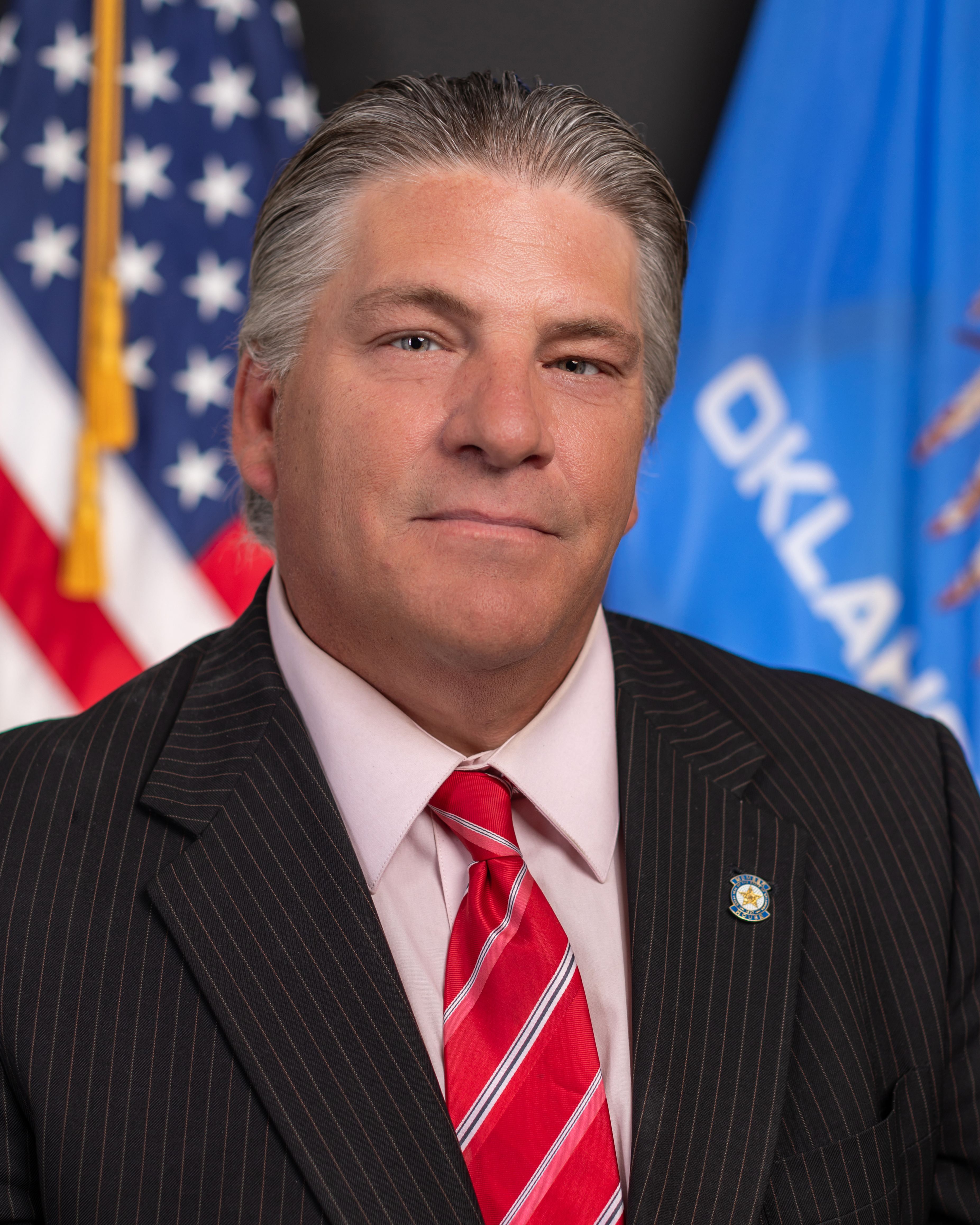
Kelly Hines
Kelly Hines Senate · District 47
R
Strong +
93% 15
Carl Newton
Carl Newton House · District 58
R
Strong +
93% 14
Brian Hill
Brian Hill House · District 47
R
Strong +
92% 13
Scott Fetgatter
Scott Fetgatter House · District 16
R
Strong +
91% 11
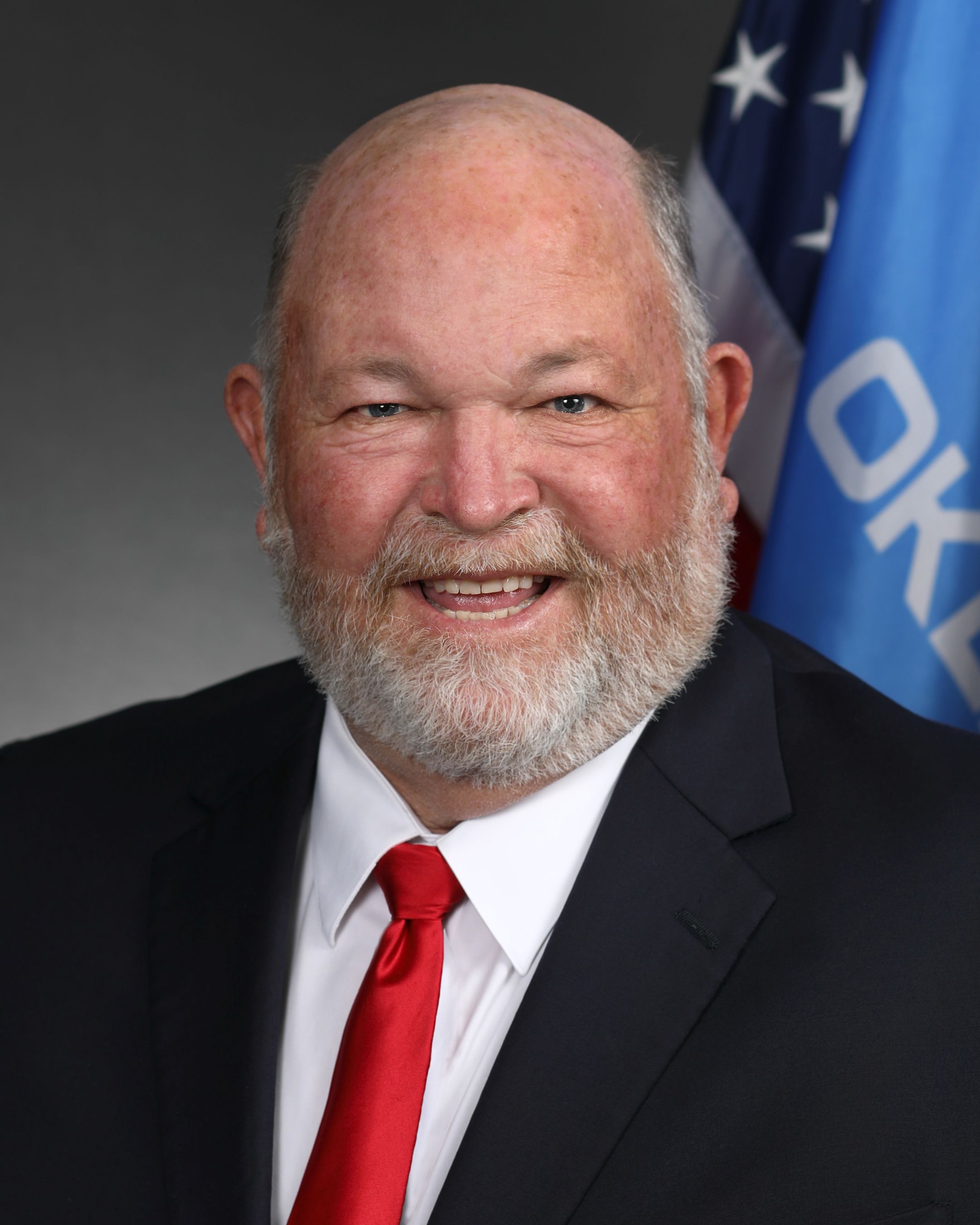
Bob Culver
Bob Culver House · District 4
R
Strong +
90% 10
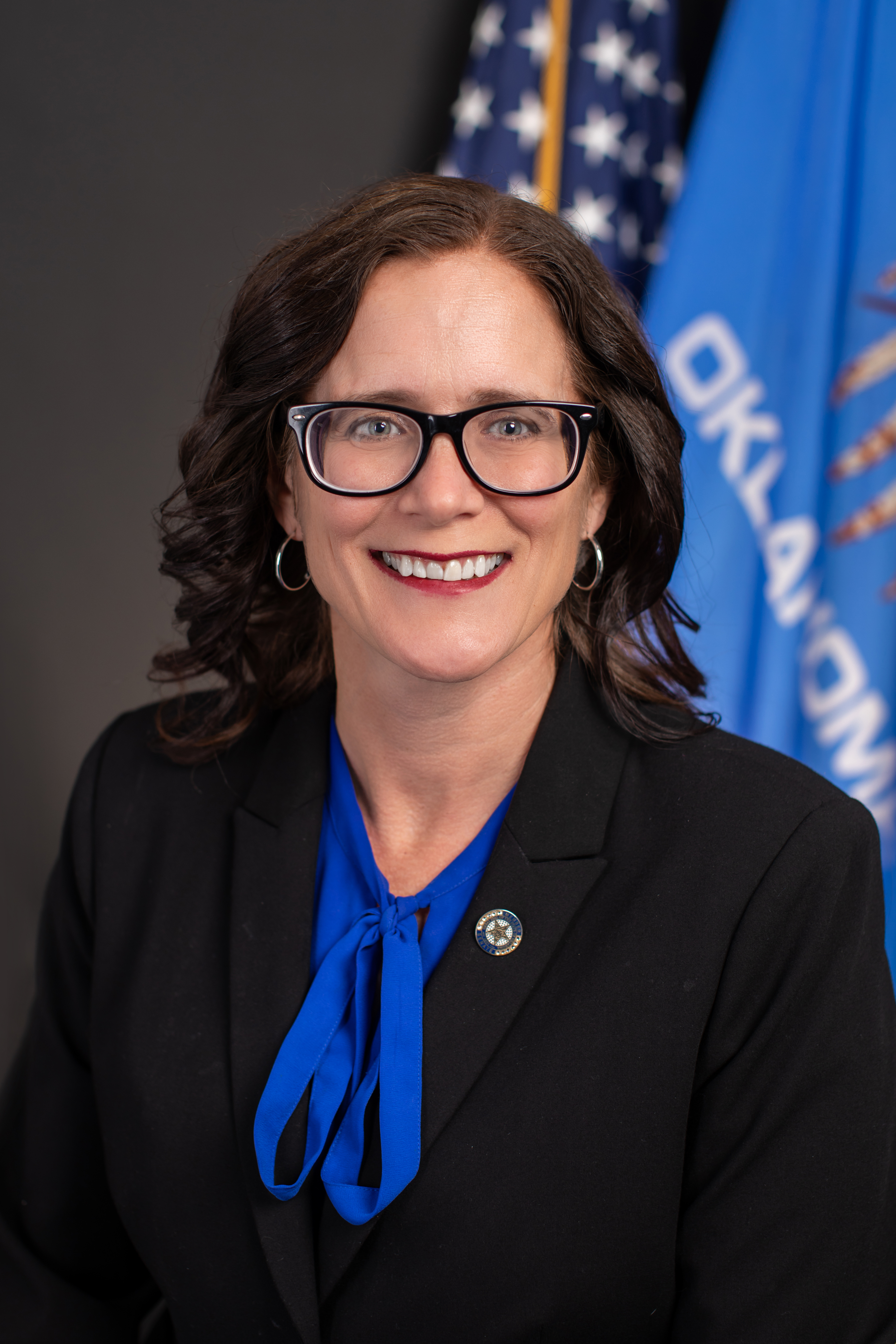
Julia Kirt
Julia Kirt Senate · District 30
D
Strong −
12% 8
Michael Brooks
Michael Brooks Senate · District 44
D
Strong −
12% 8
Annie Menz
Annie Menz House · District 45
D
Strong −
17% 6
Nikki Nice
Nikki Nice Senate · District 48
D
Oppose
25% 8
Regina Goodwin
Regina Goodwin Senate · District 11
D
Oppose
25% 8
Showing 1–10 of 64 bills

All education bills

passed · Oklahoma · Senate May 5, 2026

SR 44: Resolution; recognizing the first week of May as Teacher Appreciation Week and honoring Oklahoma educators.

This Senate Resolution officially designates the week of May 4 through 8, 2026, as Teacher Appreciation Week in Oklahoma. The measure honors the state's approximately 42,556 educators who teach over 686,000 students from pre-kindergarten through 12th grade. By issuing this formal recognition, the bill acknowledges the significant contributions teachers make to student development and the education system. The resolution does not alter laws or funding but serves as a symbolic gesture to celebrate the profession.
signed · Oklahoma · House May 11, 2026

HB 3016: Schools; Binocular Vision Screening Pilot Program; eye disorders; students in kindergarten, first, or third grades; State Department of Education; State Department of Health; comprehensive binocular vision screenings; Binocular Screening Revolving Fund; effective date; emergency.

HB 3016 requires Oklahoma schools to provide binocular vision screenings for students in kindergarten, first, and third grades to identify convergence insufficiency (a vision disorder affecting near focus). Screenings, conducted within 30 days of the school year start by trained school nurses or vision professionals, must be performed in addition to existing vision screenings. The bill establishes a Binocular Screening Revolving Fund in the state treasury to cover program costs using state appropriations, which must supplement - rather than replace - current school vision funding. The program begins in the 2026-2027 school year.
Sub-Topics K-12 Education
signed · Oklahoma · House May 14, 2026

HB 3021: Schools; curriculum requirements for graduation; diploma pathway; State Department of Education; notice; seminar; English requirements financial literacy; alternate diploma; course availability; waiver; coursework; repealers; effective date; emergency.

HB 3021 establishes new curriculum standards for Oklahoma public schools, requiring all students to complete a 23-unit graduation curriculum starting in the 2025-2026 school year. It mandates specific content in subjects like requiring equal focus on classic literature and nonfiction in English, studying key historical documents (including the U.S. Constitution), and mastering standard math algorithms and Euclidean geometry. The bill creates a process for schools to request "nonstandard course waivers" for alternative courses, while ensuring technology center courses meet state standards and can count toward graduation. This directly affects Oklahoma public high school students and districts by standardizing graduation requirements and expanding options for course approval.
signed · Oklahoma · Senate Apr 22, 2026

SB 1481: Schools; requiring certain schools to provide students in certain grades with certain amount of recess per day. Effective date. Emergency.

SB 1481 requires Oklahoma public elementary schools (kindergarten through grade 5) to provide 40 minutes of daily recess as a condition for school accreditation, separate from existing physical education requirements. Recess must be supervised, unstructured play time and cannot be taken away as punishment for students. Schools may divide the 40 minutes into two 20-minute periods. This bill directly affects all Oklahoma public elementary schools serving those grades and takes effect July 1, 2026.
Sub-Topics K-12 Education
in committee · Oklahoma · Senate Feb 3, 2026

SB 1896: Strong Readers Act; requiring retention of certain third-grade students who have not demonstrated certain proficiency and do not qualify for certain exemption. Effective date. Emergency.

SB 1896 requires Oklahoma public schools to screen all kindergarten through third-grade students annually for reading skills like decoding and comprehension using approved tools. Students who do not meet grade-level reading proficiency after receiving targeted intervention must be retained in third grade, unless they qualify for exemptions (e.g., English learners with less than one year in an English-learner program or students with disabilities). The bill mandates that schools provide individualized reading intervention plans within 30 days of identifying a deficiency and allocate state funds to support retained students. It directly affects third-grade students and public school districts, with specific requirements for screenings, interventions, and parental notifications.
Sub-Topics K-12 Education
in committee · Oklahoma · House Feb 17, 2026

HB 3051: Higher education; Tulsa Reconciliation Education and Scholarship Program; qualifications; participation; awards; effective date; emergency.

HB 3051 creates the Tulsa Reconciliation Education and Scholarship Program to provide financial aid to students directly affected by the 1921 Tulsa race massacre. It awards scholarships covering tuition costs (up to resident rates) to Tulsa Public School District students meeting specific criteria: family income under $125,000, attendance at schools with high free/reduced lunch participation, and residence in designated high-poverty census blocks. The program also allows preference for applicants who can verify lineage as direct descendants of Greenwood Area residents (1921), with documentation verified by the Oklahoma Historical Society. Scholarships are limited to students under 21 years old at application, with additional awards for high school students to preserve historical awareness of the 1921 event.
in committee · Oklahoma · House Feb 9, 2026

HB 3126: Commissioners of the Land Office; Oklahoma State Regents for Higher Education; Concurrent Enrollment Revolving Fund; State Aid Formula; effective date; emergency.

HB 3126 redirects funds from Oklahoma's oil and gas lease revenues to create a dedicated revolving fund for concurrent enrollment programs, which allow high school students to take college courses. It requires the Commissioners of the Land Office to transfer bonus and delay rental income from oil and gas leases into a new "Concurrent Enrollment Revolving Fund," which can be invested to generate interest and provide ongoing funding. The Oklahoma State Regents for Higher Education must use these funds exclusively for concurrent enrollment, with no other purposes allowed. This ensures a stable, continuing source of support for high school students accessing college-level coursework.
signed · Oklahoma · Senate Apr 21, 2026

SB 1778: Strong Readers Act; modifying number of screening instruments to be approved by the State Board of Education beginning in certain school year. Emergency.

SB 1778, the Strong Readers Act, requires Oklahoma public schools to screen all kindergarten through third-grade students for reading skills at multiple points during the school year using approved tools. It mandates intensive reading intervention services for students not meeting grade-level targets, including summer academies for first- and third-grade students who remain behind, and requires retention of third graders who do not meet reading proficiency after interventions (with specific exemptions for students with disabilities or English learners). The bill also requires schools to provide written parental notifications about interventions, maintain reading intervention plans within 30 days of identification, and report progress data to the state. These provisions aim to improve early literacy outcomes through structured screening, targeted support, and accountability for student reading proficiency.
Sub-Topics K-12 Education
in committee · Oklahoma · House Feb 3, 2026

HB 3139: Schools; Safeguarding Personal Expression At K-12 Schools (SPEAKS) Act; prohibiting certain student religious, political, or ideological discrimination by schools; legal remedies; state waiver of immunity; emergency.

HB 3139, the "Safeguarding Personal Expression At K-12 Schools (SPEAKS) Act," protects K-12 students in Oklahoma public schools from discrimination based on religious, political, or ideological speech. It prohibits schools from penalizing students for expressing these viewpoints in class discussions, assignments, clothing, gatherings, or clubs - on equal terms with other student expression. The bill allows students to sue schools for violations (including seeking damages and attorney fees) within two years, while explicitly permitting schools to restrict only unprotected speech like true threats, harassment, or material disruptions. It also waives state immunity, meaning schools can be held legally accountable for violating these protections.
in committee · Oklahoma · House Feb 16, 2026

HB 3703: Schools; concurrent enrollment; school districts covering cost of tuition waivers; reimbursement for withdrawal; effective date; emergency.

HB 3703 requires Oklahoma public school districts to cover tuition costs for high school students enrolled in concurrent college courses. Specifically, it mandates districts to provide tuition waivers for seniors (up to 18 credit hours) and juniors (up to 9 credit hours), funded by district resources. Students who withdraw after the deadline must reimburse 50% of the course cost. The bill also requires districts to grant academic credit for correlated college courses and mandates annual reports tracking participation, waiver usage, graduation rates, and college degree attainment. These provisions aim to expand access to college courses while ensuring financial accountability for students and districts.
Showing 1 to 10 of 64 bills
1 2 3 7 Next