Issue · Education

Education (Higher Education)

Every education bill, vote, and legislator stance in Oklahoma, automatically classified by Maddy, our AI policy reader.

Total bills
97
2026 Regular Session
Top supporter
Lonnie Paxton
96% support rate
Top opponent
Tom Gann
31% support rate
Ranked legislators
10
5 support · 5 oppose
Key legislators

Who's moving higher education in Oklahoma

Legislators moving higher education in Oklahoma
Legislator Party Stance Support rate Votes
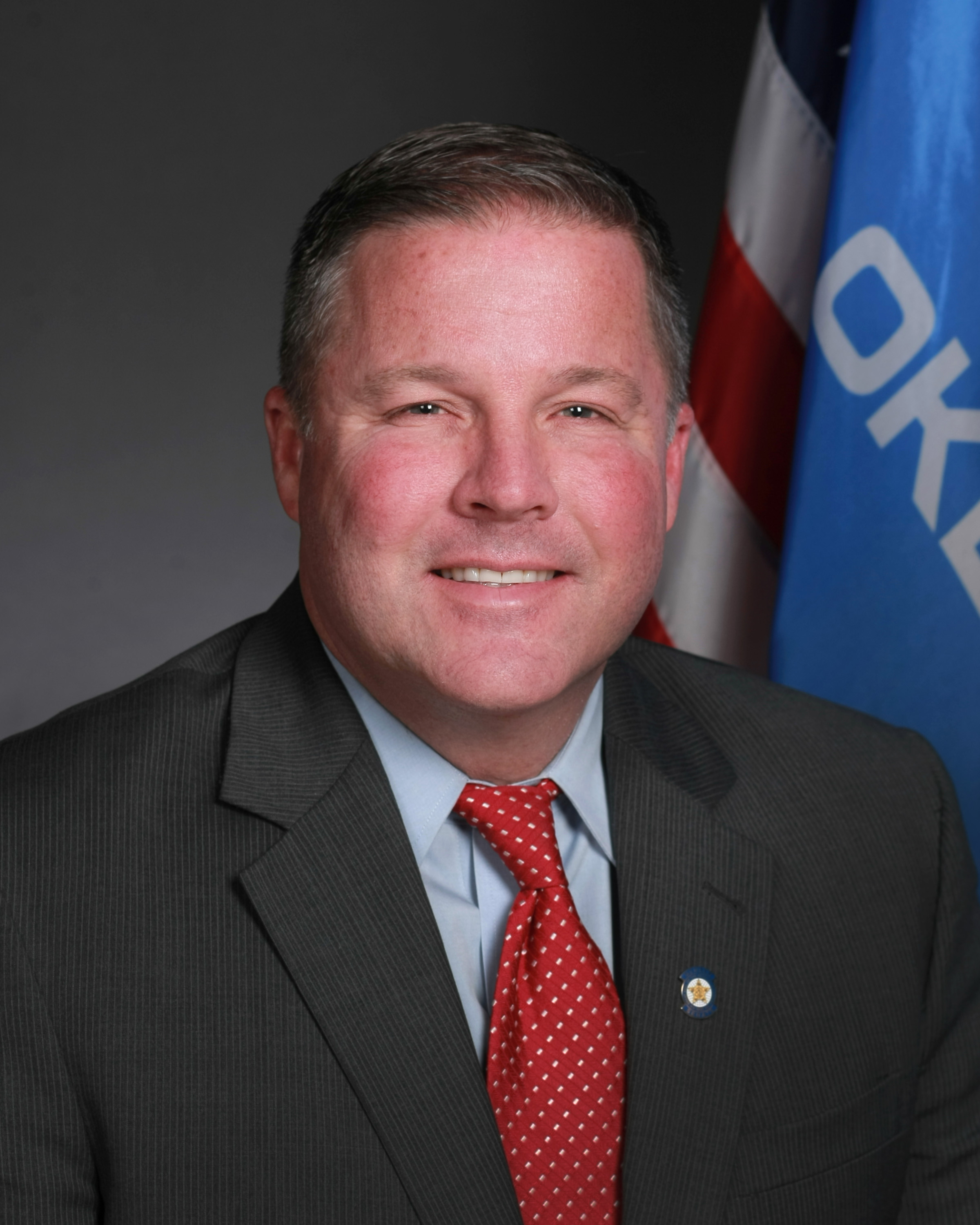
Lonnie Paxton
Lonnie Paxton Senate · District 23
R
Strong +
96% 24
John Haste
John Haste Senate · District 36
R
Strong +
95% 21
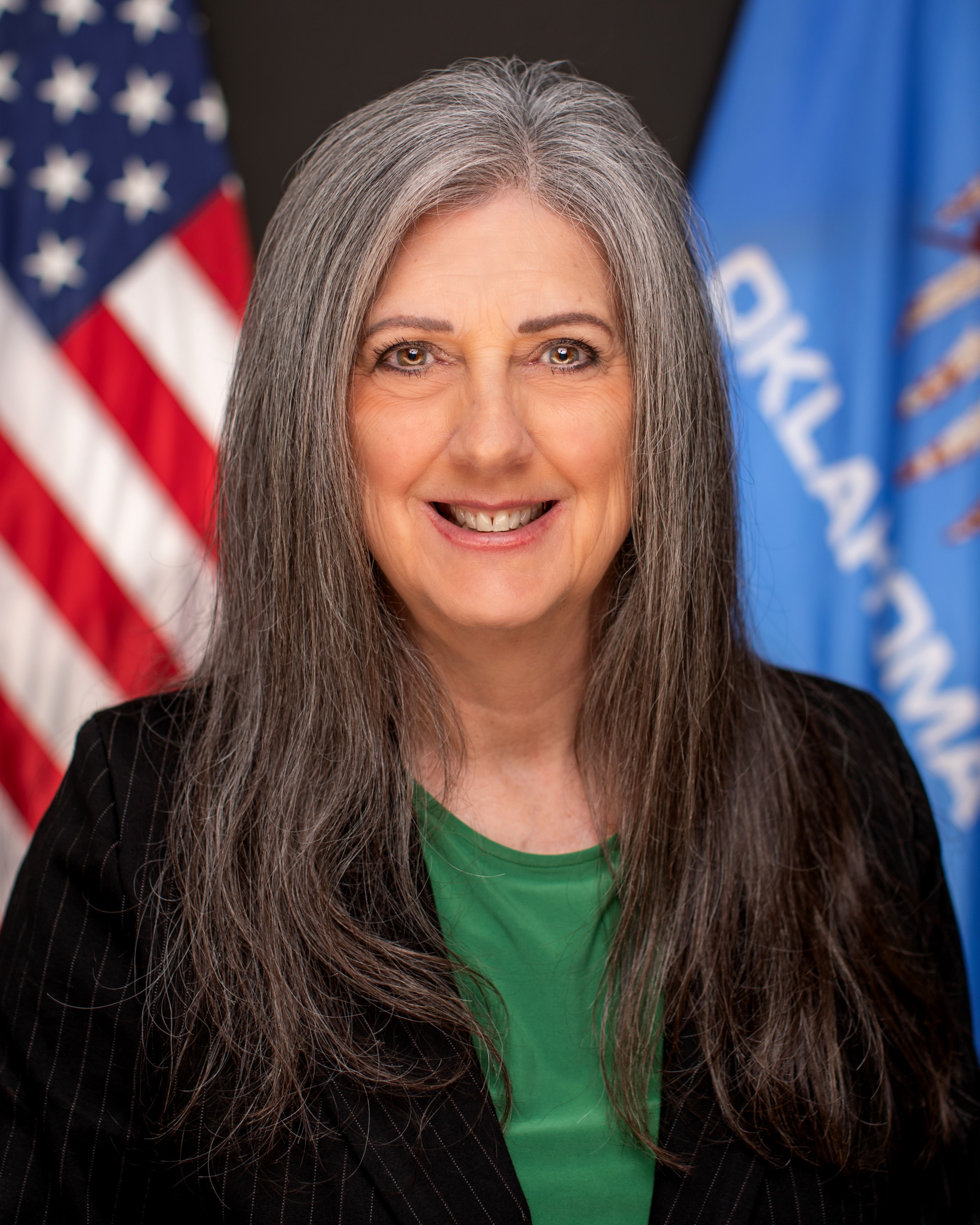
Cindy Roe
Cindy Roe House · District 42
R
Strong +
92% 26
Adam Pugh
Adam Pugh Senate · District 41
R
Strong +
92% 24
Kristen Thompson
Kristen Thompson Senate · District 22
R
Strong +
92% 24
Tom Gann
Tom Gann House · District 8
R
Oppose
31% 29
Molly Jenkins
Molly Jenkins House · District 33
R
Oppose
33% 30
David Hardin
David Hardin House · District 86
R
Oppose
36% 28
Rick West
Rick West House · District 3
R
Oppose
37% 27
Jim Shaw
Jim Shaw House · District 32
R
Oppose
38% 29
Showing 1–10 of 97 bills

All education bills

in committee · Oklahoma · House Mar 5, 2025

HB 1980: Higher education; Oklahoma Higher Education Fair Admissions Act; criminal history inquiries; State Regents for Higher Education; emergency.

HB 1980, the Oklahoma Higher Education Fair Admissions Act, prohibits public colleges and universities from asking prospective online students about their past criminal records if those students will not reside on campus during their enrollment. The bill also bans institutions from inquiring about an applicant's juvenile behavioral history. These restrictions apply specifically to students enrolled exclusively in online programs, with the Oklahoma Regents for Higher Education responsible for enforcement and potential penalties for violations, including fines or loss of state funding. The law aims to remove barriers for certain students seeking higher education access.
Sub-Topics Higher Education
in committee · Oklahoma · House Feb 17, 2026

HB 3051: Higher education; Tulsa Reconciliation Education and Scholarship Program; qualifications; participation; awards; effective date; emergency.

HB 3051 creates the Tulsa Reconciliation Education and Scholarship Program to provide financial aid to students directly affected by the 1921 Tulsa race massacre. It awards scholarships covering tuition costs (up to resident rates) to Tulsa Public School District students meeting specific criteria: family income under $125,000, attendance at schools with high free/reduced lunch participation, and residence in designated high-poverty census blocks. The program also allows preference for applicants who can verify lineage as direct descendants of Greenwood Area residents (1921), with documentation verified by the Oklahoma Historical Society. Scholarships are limited to students under 21 years old at application, with additional awards for high school students to preserve historical awareness of the 1921 event.
signed · Oklahoma · Senate May 13, 2026

SB 1989: Oklahoma College Savings Plan; expanding options for making contributions to a 529 Savings Plan. Effective date.

SB 1989 expands contribution options for Oklahoma's 529 College Savings Plan by explicitly permitting digital payments through peer-to-peer apps and digital networks, in addition to cash. This change directly affects anyone contributing to the plan, including parents, students, or others saving for qualified higher education expenses. The bill updates the statute (70 O.S. 2021, Section 3970.7) to clarify that contributions may now be made via these digital methods. The amendment does not alter savings limits, tax treatment, or other program rules, focusing solely on expanding how funds can be deposited.
Sub-Topics Higher Education
in committee · Oklahoma · House Feb 9, 2026

HB 3126: Commissioners of the Land Office; Oklahoma State Regents for Higher Education; Concurrent Enrollment Revolving Fund; State Aid Formula; effective date; emergency.

HB 3126 redirects funds from Oklahoma's oil and gas lease revenues to create a dedicated revolving fund for concurrent enrollment programs, which allow high school students to take college courses. It requires the Commissioners of the Land Office to transfer bonus and delay rental income from oil and gas leases into a new "Concurrent Enrollment Revolving Fund," which can be invested to generate interest and provide ongoing funding. The Oklahoma State Regents for Higher Education must use these funds exclusively for concurrent enrollment, with no other purposes allowed. This ensures a stable, continuing source of support for high school students accessing college-level coursework.
signed · Oklahoma · House May 12, 2026

HB 2961: Higher education; TSgt Marshal Dakota Roberts Gold Star Survivor Act; career and technology education; waiver of tuition and fees for the spouse and children of a Gold Star recipient; effective date.

HB 2961 waives tuition and fees for spouses and children of Gold Star veterans (those killed in U.S. military service) at Oklahoma's public higher education institutions and career technology schools. It expands existing tuition waivers - previously limited to children of fallen peace officers, firefighters, and law enforcement retirees - to include Gold Star families who meet residency requirements (Oklahoma resident at death or during enrollment). The waiver covers all tuition and fees for up to five years and applies to both the Oklahoma State System of Higher Education and career technology districts. This bill modifies Sections 3218.7-1, 14-134, and 14-134.1 of Oklahoma Statutes, effective July 1, 2026.
signed · Oklahoma · House May 4, 2026

HB 3705: Schools; Parental Choice Tax Credit Program; increasing the amount of credits authorized.

HB 3705 increases Oklahoma's Parental Choice Tax Credit Program, allowing taxpayers to claim credits for education expenses of eligible students. The bill raises the maximum annual credit for private school tuition to $7,500 (or actual tuition, whichever is lower) for families earning under $75,000, with tiered reductions up to $5,000 for households earning over $250,000. It also creates special credit tiers for students experiencing homelessness ($7,500) and those at financially disadvantaged private schools (maximum credit based on average school costs). Qualified expenses include tuition, tutoring, textbooks, and standardized test fees, but exclude scholarship-funded amounts. This directly affects Oklahoma families choosing private education or approved alternative learning programs.
passed · Oklahoma · House Apr 1, 2026

HB 3129: Higher education; protected expressive activities on campus; prohibiting public institutions of higher education from charging a security fee for certain expression; effective date; emergency.

HB 3129 prohibits Oklahoma public colleges and universities from charging security fees to students or student organizations based on the content of their speech, a guest speaker's content, or anticipated reactions to that speech. It designates outdoor campus areas as public forums where students can peacefully assemble, protest, distribute literature, or express views without "free speech zones," while allowing reasonable time, place, and manner restrictions. The bill requires institutions to publicly post annual compliance reports detailing free expression policies and any disruptions to speech on their websites. These changes directly affect all students, student organizations, and campus administrators at Oklahoma's public higher education institutions.
Sub-Topics Higher Education
signed · Oklahoma · Senate May 6, 2026

SB 1975: Schools; requiring public school districts to make certain examinations available to students who live in the district. Effective date. Emergency.

SB 1975 requires Oklahoma public school districts to make Advanced Placement (AP) exams available to any student residing in the district and to post exam dates, registration details, and procedures on their websites by August 31 each year. It also mandates the Statewide Charter School Board to maintain an online learning platform offering AP courses, STEM subjects, foreign languages, and other high-quality courses for all Oklahoma students. The State Department of Education must provide information to students and parents about AP courses and their benefits for college readiness, scholarships, and financial aid opportunities. The bill takes effect July 1, 2026.
in committee · Oklahoma · House Feb 3, 2026

HB 3077: Schools; Education Reform Act of 2026; effective date.

HB 3077 amends Oklahoma's Higher Learning Access Program to provide state funding covering 100% of resident tuition and 50% of fees for eligible students at public colleges, private accredited Oklahoma colleges, and career training programs. It adds a five-year limit on program benefits (starting from first enrollment), excludes remedial noncredit courses, and prioritizes continuing students over new applicants for funding. The bill also requires the State Regents to establish maximum course limits and consider other financial aid when awarding benefits, effective July 1, 2026.
in committee · Oklahoma · House Feb 16, 2026

HB 3703: Schools; concurrent enrollment; school districts covering cost of tuition waivers; reimbursement for withdrawal; effective date; emergency.

HB 3703 requires Oklahoma public school districts to cover tuition costs for high school students enrolled in concurrent college courses. Specifically, it mandates districts to provide tuition waivers for seniors (up to 18 credit hours) and juniors (up to 9 credit hours), funded by district resources. Students who withdraw after the deadline must reimburse 50% of the course cost. The bill also requires districts to grant academic credit for correlated college courses and mandates annual reports tracking participation, waiver usage, graduation rates, and college degree attainment. These provisions aim to expand access to college courses while ensuring financial accountability for students and districts.
Showing 1 to 10 of 97 bills
1 2 3 10 Next