Issue · Education

Education (School Choice)

Every education bill, vote, and legislator stance in Oklahoma, automatically classified by Maddy, our AI policy reader.

Total bills
9
2026 Regular Session
Top supporter
Dave Rader
100% support rate
Top opponent
Nikki Nice
0% support rate
Ranked legislators
10
5 support · 5 oppose
Key legislators

Who's moving school choice in Oklahoma

Legislators moving school choice in Oklahoma
Legislator Party Stance Support rate Votes
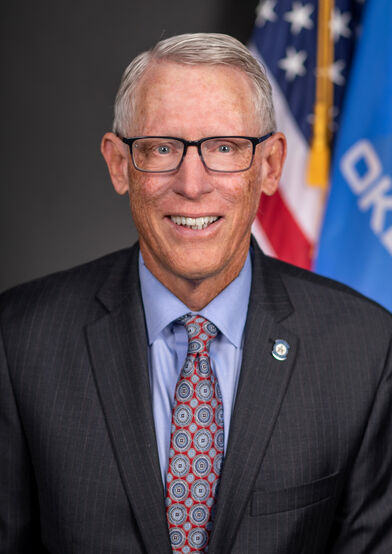
Dave Rader
Dave Rader Senate · District 39
R
Strong +
100% 31
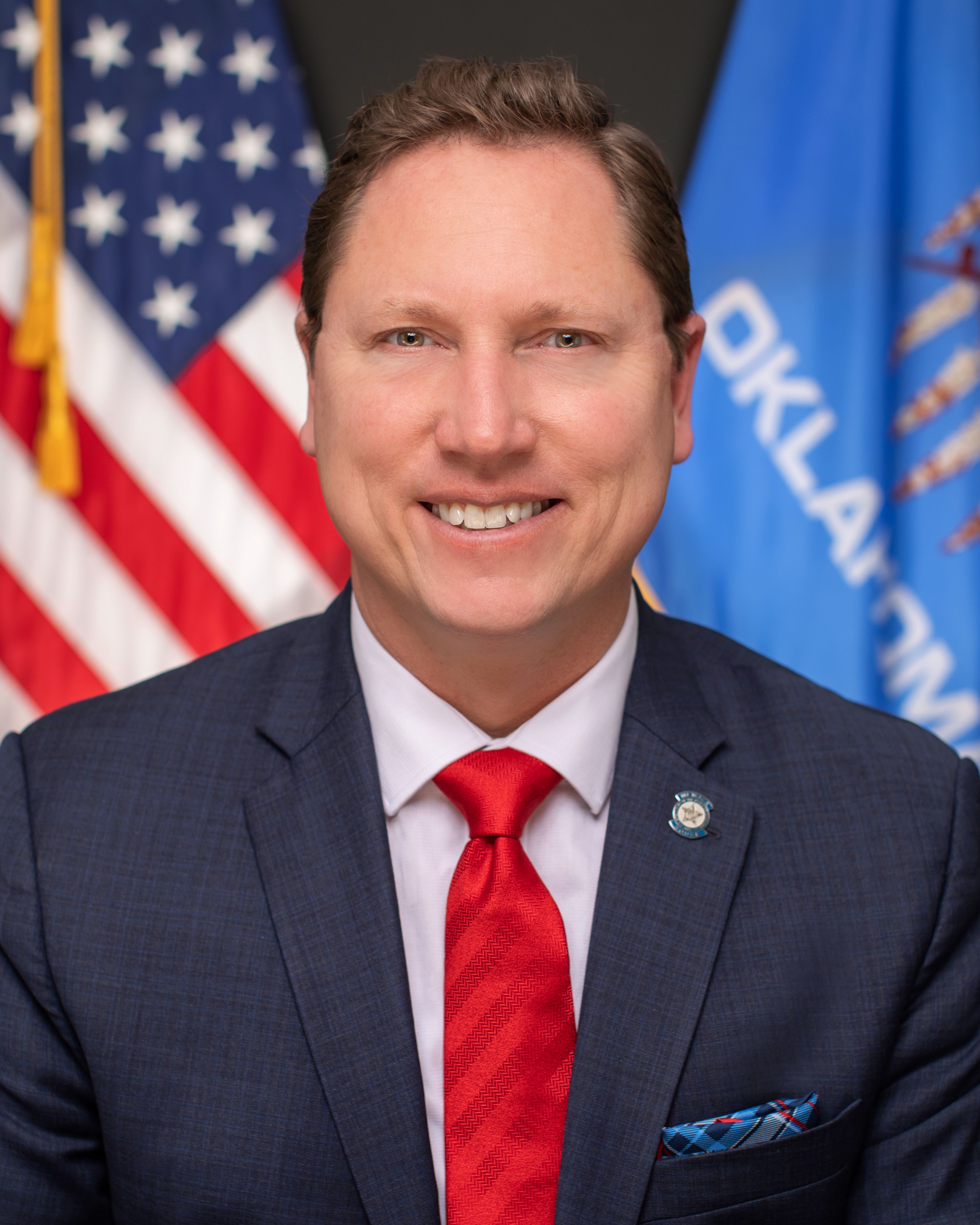
Ally Seifried
Ally Seifried Senate · District 2
R
Strong +
100% 25
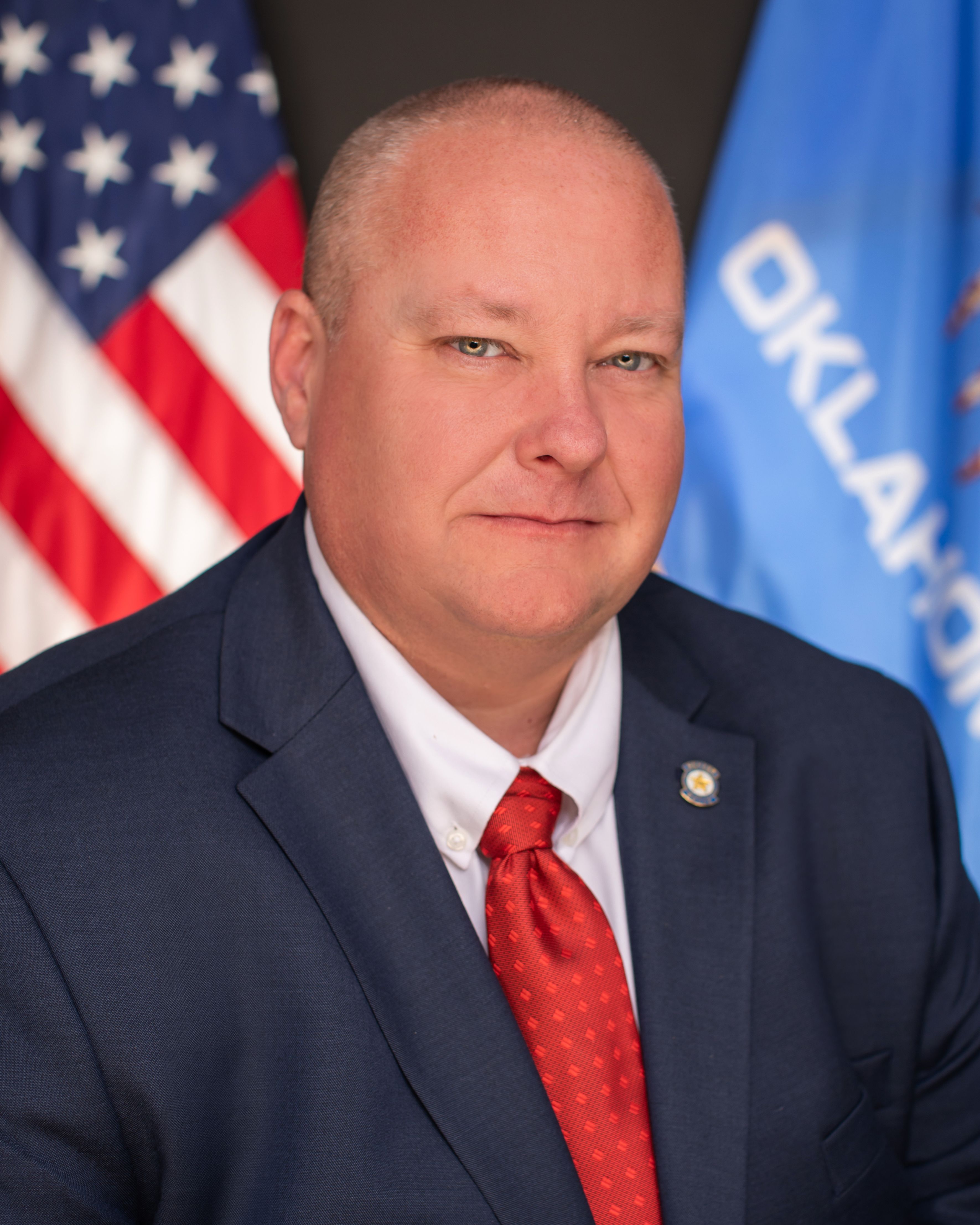
Brian Hill
Brian Hill House · District 47
R
Strong +
100% 25
Carl Newton
Carl Newton House · District 58
R
Strong +
100% 25
Dell Kerbs
Dell Kerbs House · District 26
R
Strong +
100% 22
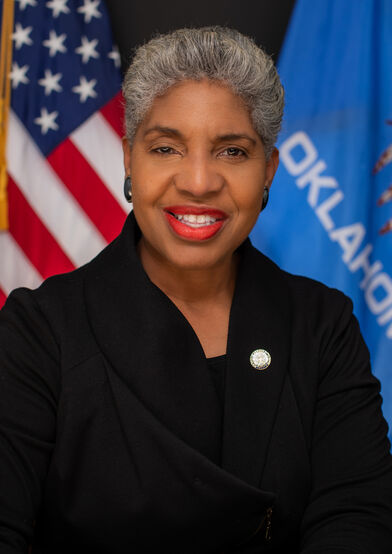
Nikki Nice
Nikki Nice Senate · District 48
D
Strong −
0% 13
Regina Goodwin
Regina Goodwin Senate · District 11
D
Strong −
0% 13
Carri Hicks
Carri Hicks Senate · District 40
D
Strong −
4% 25
Melissa Provenzano
Melissa Provenzano House · District 79
D
Strong −
7% 28
Meloyde Blancett
Meloyde Blancett House · District 78
D
Strong −
7% 27
Showing 9 of 9 bills

All education bills

in committee · Oklahoma · House Feb 4, 2026

HB 3684: Schools; repealer; Oklahoma Parental Choice Tax Credit; effective date.

HB 3684 repeals specific sections of Oklahoma law (28-100, 28-100a, 28-101, 28-102, and 28-103) that governed the Oklahoma Parental Choice Tax Credit program. This bill removes existing legal provisions related to the tax credit, which allowed taxpayers to claim credits for contributions to private school scholarship organizations. The repeal takes effect November 1, 2026. As a procedural repeal, it does not create new policy but eliminates the referenced legal framework.
in committee · Oklahoma · Senate Feb 17, 2026

SB 1422: Schools; requiring school district boards of education and charter school governing bodies to adopt certain policy regarding period of prayer and reading. Effective date. Emergency.

SB 1422 requires Oklahoma public school districts and charter schools to adopt policies permitting voluntary prayer and Bible or religious text reading during school days. Schools must obtain signed parental or employee consent forms that include a waiver of legal claims related to religious freedom, prohibit using public address systems for these activities, and ensure the practice doesn’t replace instructional time. Parents or employees can revoke consent at any time, and the state Attorney General must provide legal support to schools implementing the policy. The bill takes effect July 1, 2026, and applies to all public schools and charter schools in Oklahoma.
Sub-Topics School Choice
passed · Oklahoma · House Apr 1, 2026

HB 4491: Schools; allowing school districts to adopt a policy for certain students to participate in extracurricular activities; eligibility requirements; definitions; standards; effective date.

HB 4491 prohibits full-time students enrolled in statewide virtual charter schools (sponsored by the Statewide Charter School Board) from participating in Oklahoma Secondary School Activities Association (OSSAA) sports and competitive extracurricular activities starting July 1, 2026. The bill directly affects these virtual charter students, who would instead be limited to intramural activities organized by their virtual school or external groups. It amends existing law to clarify that virtual charter students cannot join district-sponsored athletic associations, while allowing schools to offer their own non-competitive activities. The provision applies only to statewide virtual charter schools, not traditional public or brick-and-mortar charter schools.
in committee · Oklahoma · House Feb 3, 2026

HB 2953: Schools; repeal; Oklahoma Parental Choice Tax Credit; effective date.

HB 2953 repeals specific sections of Oklahoma law (28-100, 28-100A, 28-101, 28-102, and 28-103) that previously established the Oklahoma Parental Choice Tax Credit program. This bill directly affects the state’s education tax credit system by removing its legal foundation, effectively ending the program. The repeal takes effect November 1, 2026, meaning the tax credit will no longer be available after that date. As a procedural bill, it does not create new policy but eliminates existing law governing the credit.
in committee · Oklahoma · House Feb 4, 2025

HJR 1010: Oklahoma Constitution; parental rights; school regulation restrictions; ballot title; filing.

This bill proposes a constitutional amendment to Oklahoma's Constitution (Article XIII, Section 4) that would affirm parents' and legal guardians' right to direct their children's education. It specifically prohibits the Oklahoma Legislature from regulating schools that do not receive public funds, including homeschools and private schools. The amendment would require voter approval through a legislative referendum, as outlined in the provided ballot title. If passed, it would prevent state laws from controlling non-public educational settings while maintaining existing requirements for school attendance. This change directly affects parents, guardians, and non-public educational institutions across Oklahoma.
Sub-Topics School Choice
signed · Oklahoma · House May 12, 2025

HB 1940: Charter schools; sponsorship; adding county to certain sponsor; effective date; emergency.

HB 1940 amends Oklahoma's charter school law to establish a new annual limit: the Statewide Charter School Board may sponsor no more than five new charter schools per year in counties with fewer than 500,000 residents. This directly affects the Statewide Charter School Board's authority and charter school expansion in smaller counties, while maintaining existing sponsorship rules for other areas. The rule applies to all new charter school applications approved after July 1, 2025, when the bill takes effect. The bill does not change sponsorship requirements for schools in larger counties or other sponsor types.
Sub-Topics School Choice
in committee · Oklahoma · Senate Feb 5, 2025

SB 847: Schools; prohibiting a school district or charter school from compelling use of certain pronoun; providing for monitoring of compliance. Effective date. Emergency.

Oklahoma's SB 847 prohibits public school districts and charter schools from requiring staff or volunteers to use pronouns that do not match a student's gender listed on their birth certificate. It also bans school materials (including books and digital resources) from using names or pronouns inconsistent with a student's birth certificate gender. Schools found noncompliant face a 5% reduction in state funding the following fiscal year, and parents can sue for violations. The law applies directly to schools, staff, and students whose birth certificates list a gender different from their gender identity.
Sub-Topics School Choice
in committee · Oklahoma · House Mar 5, 2025

HB 1522: Schools; state student record system; request for proposals; requirements; State Board of Education to procure certain system by certain date; fund usage; State Aid Formula; calculation; effective date; emergency.

HB 1522 requires Oklahoma school districts to create and publicly post policies by January 1, 2022, defining how many transfer students they can accept per grade level at each school site. It limits students to two inter-district transfers per school year (except for those returning to their home district), allows automatic approval if a student’s home district doesn’t offer their grade level, and prohibits transfers based on unexcused absences (ten or more in a semester). Parents can appeal denials first to the district board and then to the State Board of Education if policies weren’t followed. The bill directly affects students seeking to transfer schools, their families, and school districts managing enrollment capacity.
in committee · Oklahoma · House Feb 17, 2025

HB 2831: Schools; requiring students who attend a physical school location to also attend concurrent enrollment classes at a physical school location; effective date; emergency.

HB 2831 requires high school students attending physical campuses to take concurrent enrollment college courses in person at their school building or a nearby college campus, eliminating virtual attendance for these classes. It applies directly to Oklahoma public and charter school students enrolled in concurrent enrollment programs. The bill also maintains tuition waivers for eligible seniors (18 credits) and juniors (9 credits) and mandates annual reports tracking participation and outcomes. Key provisions focus on requiring physical attendance for concurrent enrollment classes while preserving existing financial support and reporting requirements. This policy change specifically alters how students access college courses while enrolled in traditional high schools.