Issue · Education

Education

Every education bill, vote, and legislator stance in Oklahoma, automatically classified by Maddy, our AI policy reader.

Total bills
413
2026 Regular Session
Top supporter
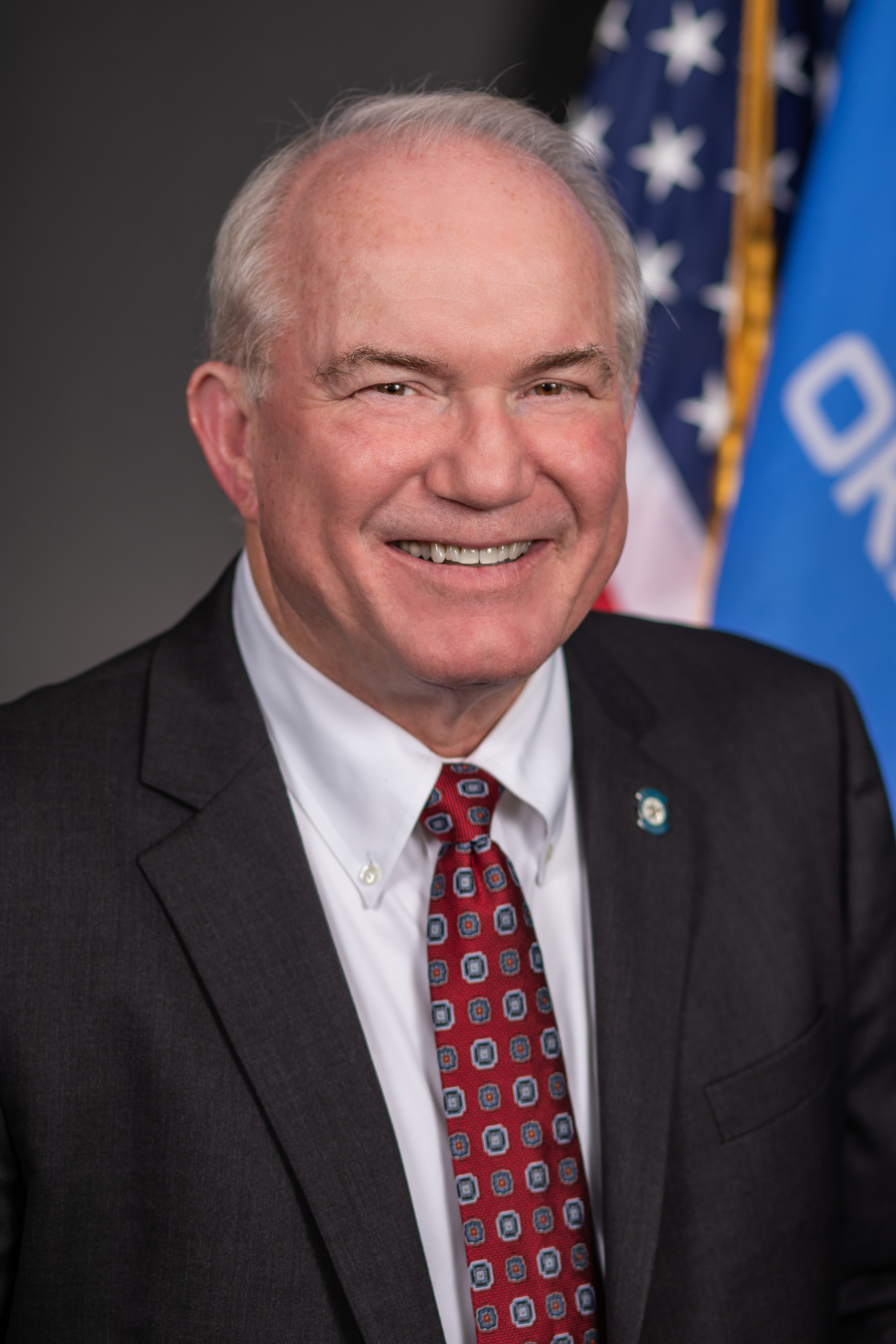
John Haste
92% support rate
Top opponent
Tom Gann
27% support rate
Ranked legislators
10
5 support · 5 oppose
Key legislators

Who's moving education in Oklahoma

Legislators moving education in Oklahoma
Legislator Party Stance Support rate Votes
John Haste
John Haste Senate · District 36
R
Strong +
92% 162
Avery Frix
Avery Frix Senate · District 9
R
Strong +
91% 155
Kristen Thompson
Kristen Thompson Senate · District 22
R
Strong +
90% 177
Lonnie Paxton
Lonnie Paxton Senate · District 23
R
Strong +
90% 154
Bill Coleman
Bill Coleman Senate · District 10
R
Strong +
90% 174
Tom Gann
Tom Gann House · District 8
R
Oppose
27% 215
Molly Jenkins
Molly Jenkins House · District 33
R
Oppose
30% 238
Jim Shaw
Jim Shaw House · District 32
R
Oppose
33% 225
Rick West
Rick West House · District 3
R
Oppose
34% 204
Justin Humphrey
Justin Humphrey House · District 19
R
Oppose
35% 157
Showing 31–40 of 413 bills

All education bills

in committee · Oklahoma · Senate Feb 3, 2026

SB 1974: Students; providing eligibility for special education and related services; providing for evaluation and reevaluation; providing for dispute resolution. Effective date. Emergency.

SB 1974 amends Oklahoma statutes (70 O.S. 2021 Sections 13-101 and 13-102) to update eligibility for special education services for children with disabilities, including specific learning disabilities. It requires school districts to conduct evaluations within defined timeframes, clarifies consent requirements for services, and mandates specific team compositions for Individualized Education Program (IEP) development. The bill strengthens due process procedures by requiring prior notice for evaluations, establishing clear dispute resolution steps, and directing the State Board of Education to create procedural safeguards for parents. It directly affects school districts, parents or legal guardians, and children aged 3-22 who qualify for special education services under Oklahoma law. The changes focus on procedural clarity and timely service delivery without altering eligibility criteria or funding mechanisms.
Sub-Topics Special Education
in committee · Oklahoma · House Feb 3, 2026

HB 3713: Schools; school district budgets; instructional expenditures; extracurricular activities; noncompliance; definition; effective date; emergency.

HB 3713 requires Oklahoma school districts to spend at least 50% of their annual budget on instructional expenditures starting in the 2026-2027 school year. It defines instructional expenditures using federal standards (from the National Center for Education Statistics) and excludes administrative costs, equipment, or materials for staff. If a district fails to meet this 50% threshold, it cannot offer extracurricular activities during the school day for the entire noncompliant school year. The bill excludes bond sales, fundraisers, and non-profit grants from the budget calculation and takes effect July 1, 2026. This directly affects all Oklahoma public school districts and their budget allocation decisions.
in committee · Oklahoma · House Feb 3, 2026

HB 4349: Teachers; removing cap on credits for out-of-state teaching; requiring the State Board of Education to recognize out-of-state teaching experience for minimum salary schedule purposes; effective date; emergency.

HB 4349 removes the 5-year cap on counting out-of-state teaching experience for salary purposes in Oklahoma public schools. It requires the State Board of Education to recognize all years of out-of-state teaching experience (from accredited districts) when determining teacher salary placements under the state's minimum salary schedule. This change directly affects teachers moving to Oklahoma from other states or countries, allowing them to receive full credit for all prior teaching years toward their salary tier rather than being limited to five years. The bill updates existing salary schedule rules to eliminate this restriction, effective upon enactment.
Sub-Topics Teachers
passed · Oklahoma · Senate May 7, 2026

SB 1884: School employees; modifying the access statewide professional educators' associations have to school employees; allowing termination of certain membership at any time. Effective date. Emergency.

SB 1884 ensures school districts grant statewide professional educators' associations (like teacher unions) equal access to school employees for activities such as distributing materials, speaking at meetings, and using school facilities. It prohibits schools from conditioning this access on fees, meals, or donations and requires districts to notify the State Board of Education if access is denied within 15 days. The bill also allows school employees to terminate membership in these associations at any time without restrictions or requiring a reason, and invalidates any existing agreements that limit this right. These changes take effect July 1, 2026, applying directly to school employees and educators' associations in Oklahoma.
in committee · Oklahoma · Senate Feb 3, 2026

SB 2051: Higher education; creating the Oklahoma Research Attraction Program; providing eligibility for certain matching grants. Effective date.

SB 2051 creates the Oklahoma Research Attraction Program (ORAP), which provides matching state funds to public colleges and universities that receive qualifying private research donations. Eligible institutions (those in Oklahoma's public higher education system) can use these matching grants - funded through a new revolving state fund - to support research activities, faculty recruitment, and student services that boost research capacity. Private gifts must comply with federal foreign investment laws, and unused matching funds can carry over to future fiscal years. The program takes effect November 1, 2026.
in committee · Oklahoma · Senate Feb 11, 2026

SB 1429: Schools; allowing public school foundations to expend funds for certain purposes. Effective date. Emergency.

SB 1429 allows public school foundations (nonprofit organizations with 501(c)(3) status) to spend funds on specific educational purposes for public school districts. It permits foundations to cover teacher professional development, employee/student scholarships, literacy initiatives, STEM equipment/supplies, technology support, and staff conference fees. The bill takes effect July 1, 2026, and declares an emergency to expedite implementation. This directly affects school districts and foundations by expanding allowable uses of foundation funds for classroom and staff support.
Sub-Topics Teachers
in committee · Oklahoma · Senate Feb 3, 2026

SB 1789: Teachers; creating the Local Teacher Licensure Act; authorizing school district boards of education to recommend teacher licensure or certification. Effective date. Emergency.

SB 1789, the "Local Teacher Licensure Act," allows Oklahoma school district boards of education to evaluate and recommend teacher licensure or certification applications directly to the State Board of Education. School districts must submit complete applications with required documentation, and the State Board must approve or reject recommendations within 30 days or the license is automatically approved. Teacher licenses issued under this law are valid for five years and follow standard renewal procedures. The bill requires school districts to establish clear timelines for applicants (minimum 20 days) and decisions (30 days), while maintaining state oversight for final approval.
Sub-Topics Teachers
in committee · Oklahoma · House Feb 3, 2026

HB 3485: School employees; Larry Dickerson Education Flexible Benefits Allowance Act; expanding coverage to dependents; linking flexible benefit allowance amounts to state employee amounts; effective date; emergency.

HB 3485 expands health benefit coverage under Oklahoma's Larry Dickerson Education Flexible Benefits Allowance Act to include more dependents of school district employees, such as unmarried children under 25 (regardless of residence) or dependents with pre-25 disabilities. It links the flexible benefit allowance amounts to the state employee benefit rates and updates funding mechanisms to ensure school districts receive state funds based on employee and dependent counts. The bill requires school districts to offer cafeteria plans covering health insurance options, with allowances credited directly to employees for purchasing coverage or received as taxable pay. This affects certified and support personnel (e.g., teachers, bus drivers, janitors) and their eligible dependents across Oklahoma public and technology school districts.
in committee · Oklahoma · Senate Feb 23, 2026

SB 1494: School district employees; requiring appropriation of certain funding for flexible benefit allowances for school district employees of certain districts. Effective date. Emergency.

SB 1494 requires Oklahoma's Legislature to annually appropriate funds for a flexible benefit allowance for school district employees. This allowance, which can be used to pay for health insurance or taken as taxable cash, applies to employees in districts meeting specific instructional requirements: those with 170+ days of in-person classroom instruction receive full funding, while others get a minimum set amount based on 2026 standards. The bill mandates that school districts establish a cafeteria plan for employees to access these benefits and clarifies the allowance does not count toward retirement contributions or salary calculations. It takes effect July 1, 2026.
in committee · Oklahoma · House Feb 3, 2026

HB 4070: Schools; Oklahoma Extracurricular Enrichment Act; creating the Educator Extracurricular Support Program for compensating teachers supporting extracurricular programs; lottery funds; effective date; emergency.

HB 4070 creates the Oklahoma Extracurricular Support Program to provide stipends for teachers and staff who lead after-school programs, particularly in schools serving many low-income students. It allocates funds from lottery revenues to support extracurricular activities like academic clubs, STEAM programs (robotics, coding, science clubs), and leadership groups outside regular school hours. Priority is given to schools without existing STEAM programs, those with high poverty rates, and programs addressing gaps in student enrichment opportunities. The program requires participating schools to submit annual reports on program participation and outcomes, with funds supplementing - rather than replacing - existing local or federal funding for these activities.
Sub-Topics Teachers
Showing 31 to 40 of 413 bills
Previous 1 3 4 5 42 Next