Issue · Education

Education

Every education bill, vote, and legislator stance in Oklahoma, automatically classified by Maddy, our AI policy reader.

Total bills
109
2026 Regular Session
Top supporter
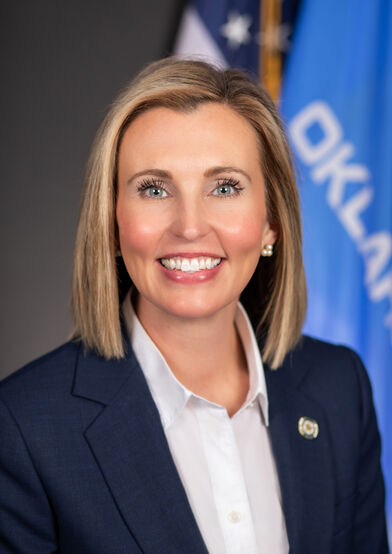
John Haste
92% support rate
Top opponent
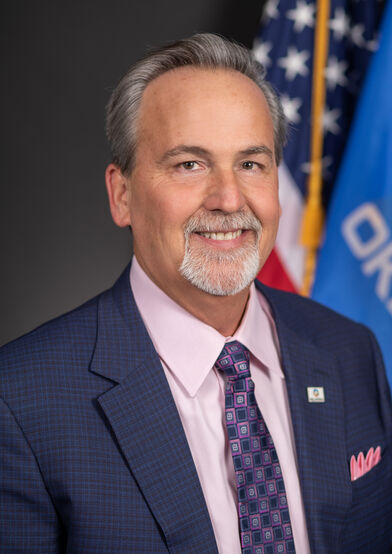
Tom Gann
27% support rate
Ranked legislators
10
5 support · 5 oppose
Key legislators

Who's moving education in Oklahoma

Legislators moving education in Oklahoma
Legislator Party Stance Support rate Votes
John Haste
John Haste Senate · District 36
R
Strong +
92% 162
Avery Frix
Avery Frix Senate · District 9
R
Strong +
91% 155
Kristen Thompson
Kristen Thompson Senate · District 22
R
Strong +
90% 177
Lonnie Paxton
Lonnie Paxton Senate · District 23
R
Strong +
90% 154
Bill Coleman
Bill Coleman Senate · District 10
R
Strong +
90% 174
Tom Gann
Tom Gann House · District 8
R
Oppose
27% 215
Molly Jenkins
Molly Jenkins House · District 33
R
Oppose
30% 238
Jim Shaw
Jim Shaw House · District 32
R
Oppose
33% 225
Rick West
Rick West House · District 3
R
Oppose
34% 204
Justin Humphrey
Justin Humphrey House · District 19
R
Oppose
35% 157
Showing 11–20 of 109 bills

All education bills

died · Oklahoma · House Feb 12, 2026

HB 3241: Schools; program of character education; Teaching Honesty, Respect, Integrity, Virtue, and Excellence (THRIVE) Act; requiring the State Department of Education to develop a character traits and personal skills education curriculum; effective date; emergency.

HB 3241, the THRIVE Act, requires Oklahoma's State Department of Education to develop a mandatory character education curriculum for all public schools and charter schools (pre-K through 12th grade) by the 2026-2027 school year. The curriculum must teach 15 specific character traits and values, including honesty, respect for family, religious faith, lifelong marriage, sexual abstinence outside marriage, and patriotism, as defined in the bill. Schools must provide parents an opt-out option for their children and use only materials approved by the Department, with districts reporting compliance to the State Board of Education annually. The bill also mandates an "honor roll" for schools successfully implementing the program and requires the Department to publish approved resources and program impacts online.
in committee · Oklahoma · House Feb 3, 2026

HB 3022: Education; requirements for adjunct teachers who do not hold valid certificate to teach; State Board of Education to establish salary guidelines for part-time noncertified adjunct teachers; effective date; emergency.

HB 3022 establishes new rules for non-certified adjunct teachers in Oklahoma public schools. It prohibits these teachers from serving as full-time or part-time classroom instructors for core subjects (math, science, English, social studies) in prekindergarten through sixth grade, while requiring them to hold at least a high school diploma. The bill mandates the State Board of Education to create salary guidelines specifically for part-time noncertified adjunct teachers. This directly affects school districts hiring non-certified staff for limited roles and sets clear boundaries for their classroom responsibilities.
in committee · Oklahoma · House Feb 3, 2026

HB 3138: Schools; public schools; students; higher education; prohibiting certain name usage; pronouns; prohibiting adverse employment action; prohibiting student disciplinary action; private cause of action; legal remedies; limitations; effective date.

HB 3138, known as the "Free to Speak Act," requires public schools and state higher education institutions in Oklahoma to respect biological sex (defined as observed at birth) regarding student and staff interactions. It prohibits employees from facing discipline for refusing to use names or pronouns inconsistent with a student's biological sex (without parental permission for minors) and bars schools from disciplining students who decline to use such names or pronouns. The bill allows individuals harmed by violations to pursue private lawsuits for damages, injunctions, or attorney fees within two years. It applies to all public K-12 schools and state colleges, effective November 1, 2026.
Sub-Topics K-12 Education
died · Oklahoma · Senate Feb 12, 2026

SB 1719: Schools; extending prohibition on use of cell phones and personal electronic devices on certain campuses. Effective date. Emergency.

SB 1719 requires Oklahoma public school districts to adopt policies banning student use of cell phones and personal electronic devices (like smartphones, tablets, or smartwatches) campus-wide from "bell to bell" during instructional time for the 2025-2026 school year. Starting in 2026-2027, school boards may choose whether to implement such a ban. The policy must include disciplinary procedures and allow limited exceptions for emergencies or students monitoring health conditions. This directly affects all public school students and school boards across Oklahoma.
Sub-Topics Higher Education
in committee · Oklahoma · Senate Feb 3, 2026

SB 2120: Governmental Tort Claims Act; limiting settlement awards for wrongful termination claims; providing for inclusion of certain damages. Effective date.

SB 2120 limits settlement amounts for wrongful termination claims by employees of Oklahoma's public institutions of higher education. It caps total settlements at two years of the employee's base salary, including back pay and compensatory damages, but excludes accrued unpaid wages and retirement contributions already earned. The bill applies only to claims under Oklahoma state law, not federal claims, and takes effect on November 1, 2026. This change directly affects public university employees who pursue wrongful termination lawsuits in state court.
signed · Oklahoma · Senate May 5, 2026

SB 1477: Students; prohibiting students of certain age or older from participating in concurrent enrollment. Effective date. Emergency.

SB 1477 limits concurrent enrollment in college courses to high school students under 21 years of age, prohibiting those 21 or older from participating. The bill amends Oklahoma Statutes Section 628.13 to establish this age restriction, affecting high school students aged 21 and above who would no longer qualify for college course enrollment through their high school program. This change directly alters eligibility for concurrent enrollment, a program allowing students to earn college credit while still in high school. The law takes effect July 1, 2026.
in committee · Oklahoma · Senate Feb 3, 2026

SB 2050: Higher education; removing language providing resident tuition eligibility for certain students. Effective date. Emergency.

SB 2050 removes exceptions that allowed undocumented students to qualify for in-state tuition and state financial aid at Oklahoma colleges. It deletes provisions permitting students to use affidavits or pending immigration applications to prove eligibility, and eliminates the prior exemption for students who received resident tuition status before the 2006-2007 academic year. The bill directly affects undocumented students seeking to enroll in Oklahoma's public universities or community colleges, barring them from in-state tuition rates and state-funded scholarships or financial aid. This change takes effect July 1, 2026, making undocumented students ineligible for these benefits under Oklahoma law.
in committee · Oklahoma · Senate Feb 10, 2026

SB 1887: Schools; modifying frequency of training on food allergies, anaphylaxis, epinephrine administration, and concussions. Effective date. Emergency.

SB 1887 modifies Oklahoma school training requirements for staff handling allergies, anaphylaxis, and concussions. It updates the law to require school employees to complete annual training on food allergies, recognizing anaphylaxis, and administering epinephrine **only once every other academic year** (instead of annually), starting before the school year begins or upon hiring. This change applies directly to teachers, school nurses, and other staff responsible for student health emergencies. The bill also updates related policies for concussion management and medication storage but focuses the key change on reducing the training frequency. The training must still be documented in staff files and can be delivered online or in person.
in committee · Oklahoma · Senate Mar 5, 2026

SB 2006: Higher education; allowing certain tuition aid grants to be used at certain institutions participating in certain agreement. Effective date. Emergency.

SB 2006 prohibits Oklahoma public universities from using state funds to provide scholarships, grants, tuition aid, or discounted tuition to foreign national students from countries designated as "countries of particular concern" by the U.S. Department of State. This applies starting with the 2026-2027 academic year and directly affects eligible international students from those specific countries. The Oklahoma State Regents for Higher Education must create rules to implement the law, though private or non-state funding for such aid remains unaffected. The bill takes effect July 1, 2026, and is classified as an emergency measure.
Sub-Topics Higher Education
in committee · Oklahoma · Senate Feb 3, 2026

SB 1736: Schools; creating the Oklahoma Sexual Education Reform and Parental Rights Protection Act; requiring written consent for a student to participate in certain instruction. Effective date. Emergency.

SB 1736, the Oklahoma Sexual Education Reform and Parental Rights Protection Act, requires written parental consent for students to participate in certain sexual education classes. It defines "comprehensive sexual education" (which the bill restricts) as programs promoting sexual activity outside marriage, non-heterosexual orientations, or contraceptive methods without emphasizing risks, and mandates "optimal sexual health education" (which the bill promotes) focusing on abstinence, traditional marriage, and health risks of premarital sex. School districts must adopt procedures to notify parents and obtain written consent before offering these classes, update website information about curriculum, and prohibit certain materials or organizations from leading such programs. The bill directly affects Oklahoma K-12 students, parents/guardians (who must consent), and school districts (which must implement new procedures).
Showing 11 to 20 of 109 bills