Issue · Criminal Justice

Criminal Justice (Sentencing)

Every criminal justice bill, vote, and legislator stance in Oklahoma, automatically classified by Maddy, our AI policy reader.

Total bills
17
2026 Regular Session
Top supporter
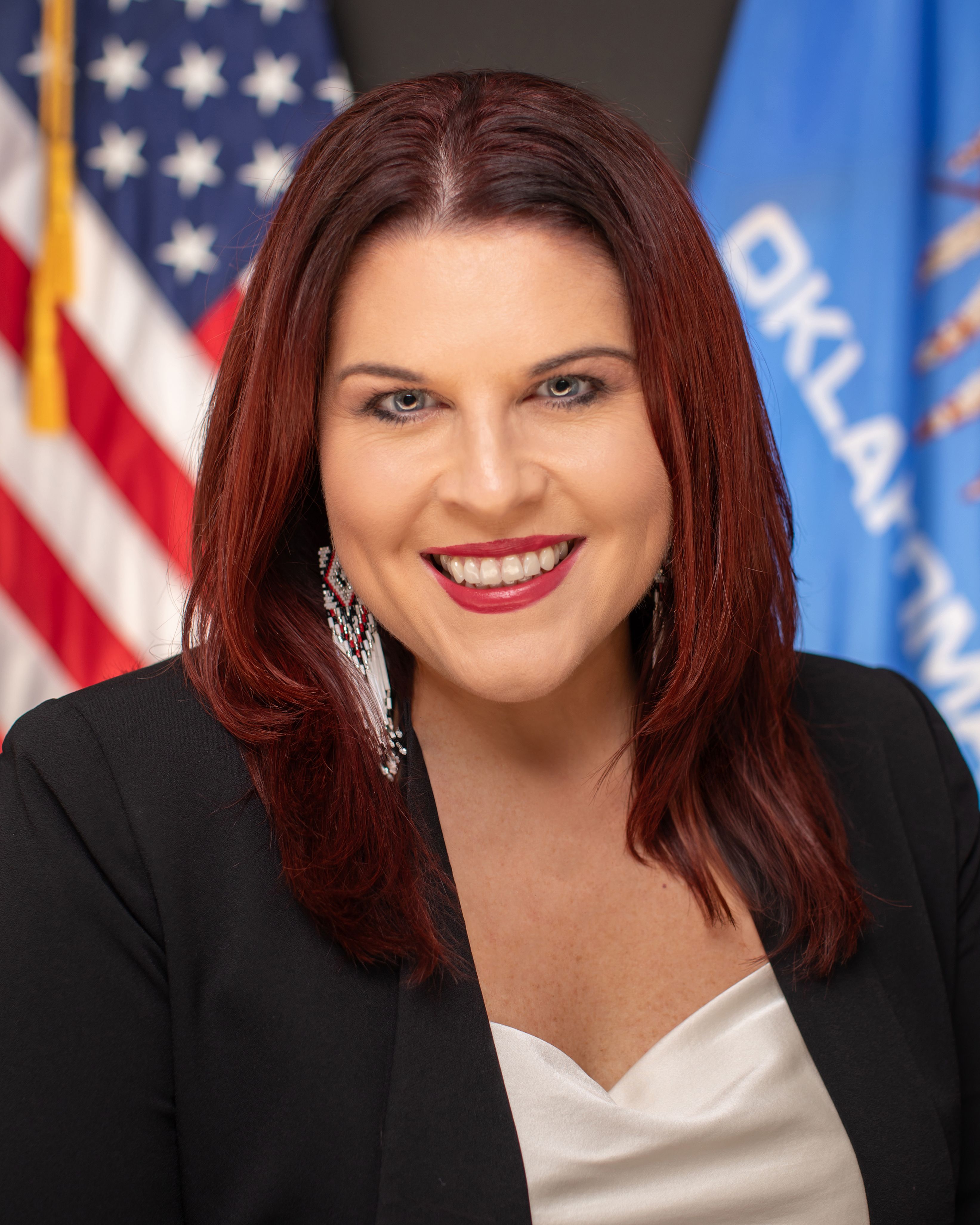
Amanda Clinton
100% support rate
Top opponent
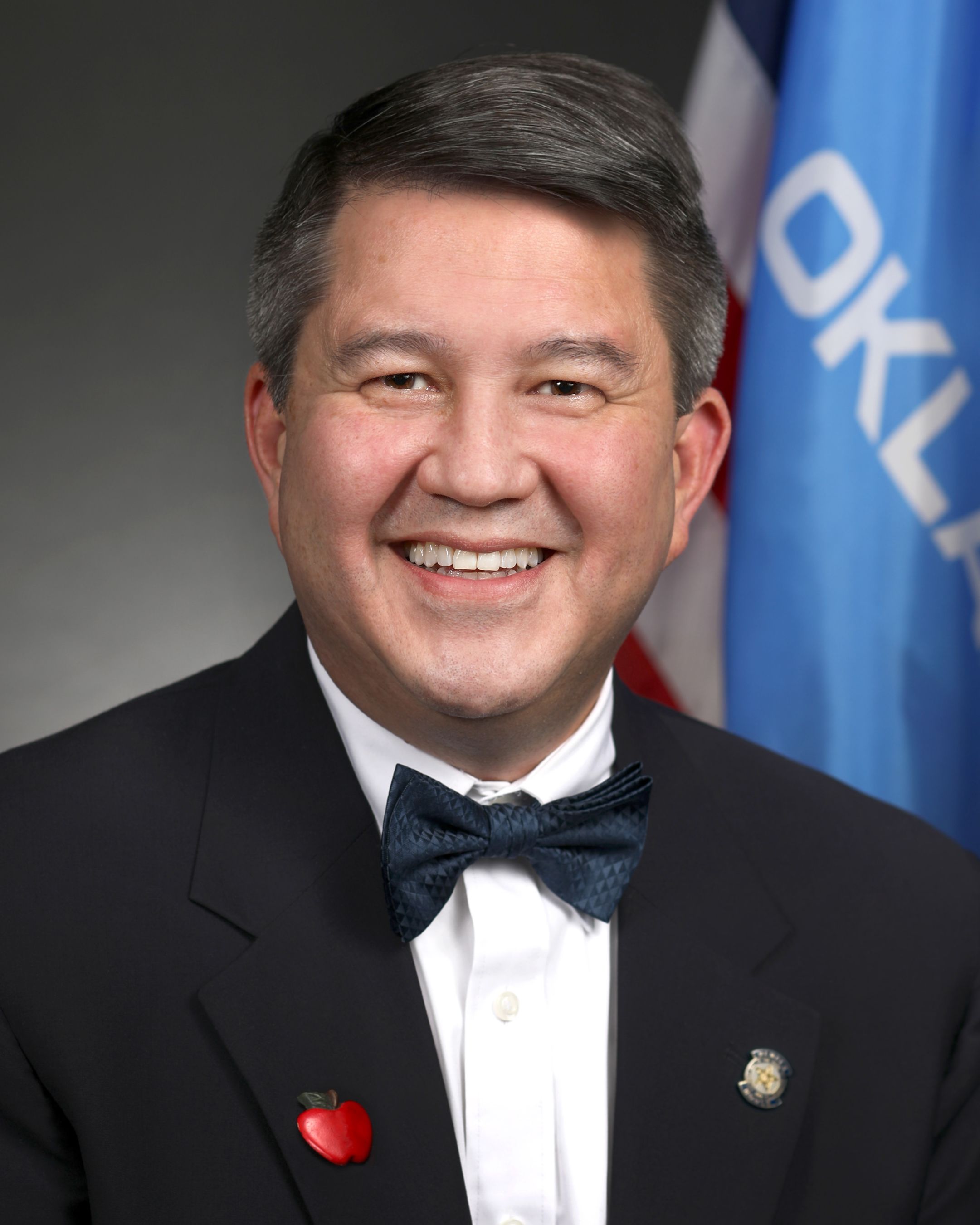
Ross Ford
0% support rate
Ranked legislators
10
5 support · 5 oppose
Key legislators

Who's moving sentencing in Oklahoma

Legislators moving sentencing in Oklahoma
Legislator Party Stance Support rate Votes
Amanda Clinton
Amanda Clinton House · District 71
D
Strong +
100% 7
Andy Fugate
Andy Fugate House · District 94
D
Strong +
100% 7
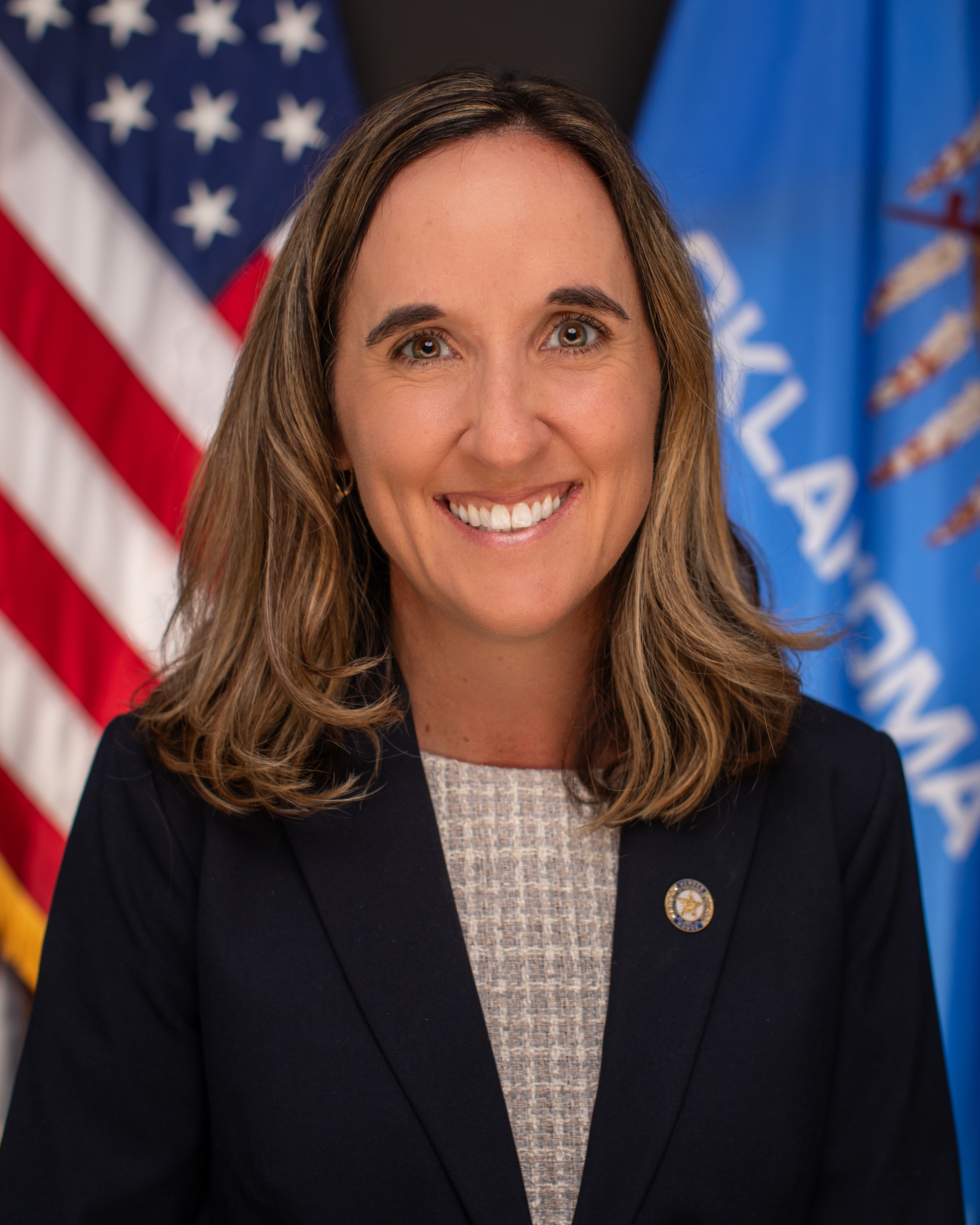
Ellen Pogemiller
Ellen Pogemiller House · District 88
D
Strong +
100% 6
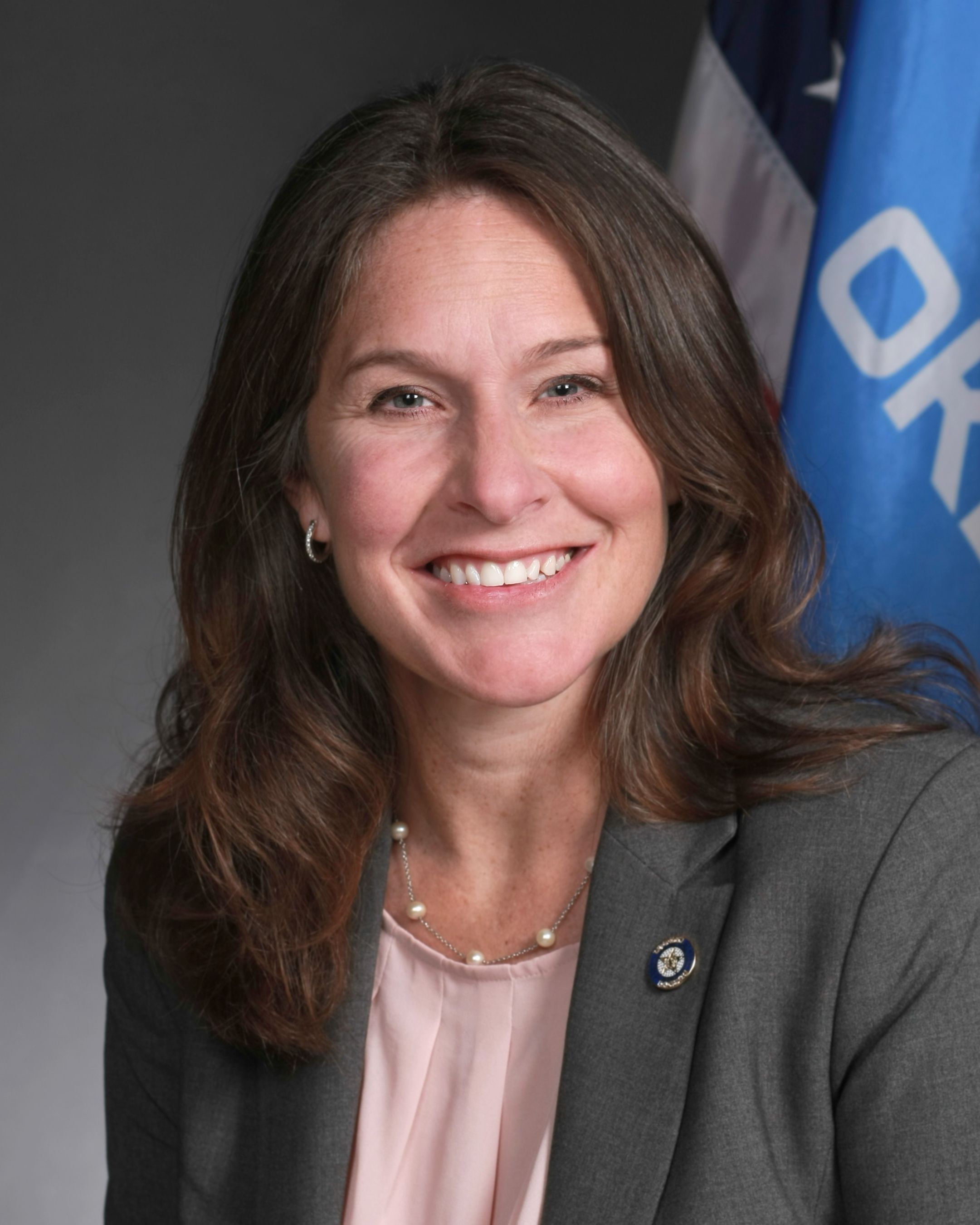
Melissa Provenzano
Melissa Provenzano House · District 79
D
Strong +
100% 6
Michelle McCane
Michelle McCane House · District 72
D
Strong +
100% 6
Ross Ford
Ross Ford House · District 76
R
Strong −
0% 9
Carl Newton
Carl Newton House · District 58
R
Strong −
0% 6
Molly Jenkins
Molly Jenkins House · District 33
R
Strong −
0% 6
Neil Hays
Neil Hays House · District 13
R
Strong −
0% 6
Rick West
Rick West House · District 3
R
Strong −
0% 6
Showing 1–10 of 17 bills

All criminal justice bills

in committee · Oklahoma · Senate Feb 26, 2026

SB 2151: Crimes and punishments; authorizing lower minimum imprisonment requirement for certain offenses. Effective date.

SB 2151 changes Oklahoma's sentencing requirements for 23 specific serious offenses, including murder, rape, child sexual abuse, trafficking, and violent crimes. It lowers the mandatory minimum sentence portion from 85% to 65% for convicted individuals in these cases if the district attorney files a notice before sentencing. This means defendants could become parole-eligible after serving 65% of their sentence instead of 85%, but only when the DA chooses to file the notice. The bill repeals prior versions of the same sentencing rule and takes effect November 1, 2026.
vetoed · Oklahoma · House May 6, 2026

HB 4324: Criminal procedure; authorizing district attorneys to adjust sentences; effective date.

HB 4324 allows Oklahoma district attorneys to request sentence adjustments for certain offenders at any time after sentencing, provided they do not seek to increase confinement or supervision periods. The bill requires district attorneys to seek victim input and provide written notice to victims before filing such requests, and courts must consider rehabilitation progress, changed circumstances, and victim testimony when reviewing adjustments. It specifically applies to offenders serving life without parole for non-violent crimes (after 10+ years), drug-related sentences, and others, while excluding death sentences, life without parole for violent crimes, and sex offender registration cases. The law aims to create a structured process for modifying sentences based on updated information, with victims having a formal role in the review.
in committee · Oklahoma · House Feb 3, 2026

HB 3374: Crimes and punishments; making certain acts unlawful; effective date.

HB 3374 strengthens legal protections for firefighters and emergency medical responders in Oklahoma by increasing penalties for harming them during official duties. It makes interfering with, molesting, or assaulting these responders a Class B4 felony (2-10 years imprisonment), and aggravating assault causing serious injury a life felony. The bill also designates killing a responder on duty as first-degree murder with an automatic aggravating circumstance for sentencing. This directly affects responders who face threats while working and individuals who commit violent acts against them.
in committee · Oklahoma · House Feb 3, 2026

HB 3350: Crimes and punishments; updating language; effective date.

HB 3350 updates the language in Oklahoma's murder sentencing statute (21 O.S. § 701.11) without changing legal standards. It clarifies that juries must unanimously identify specific aggravating circumstances beyond a reasonable doubt when recommending the death penalty, and specifies that the death penalty cannot be imposed if no aggravating circumstances are found or if mitigating circumstances outweigh them. The bill directly affects murder sentencing procedures in Oklahoma courts, requiring clearer written jury instructions. It is purely a linguistic update to existing law, with no substantive policy changes, and takes effect November 1, 2026.
Sub-Topics Sentencing
passed · Oklahoma · House Apr 23, 2026

HB 3345: Inmate assessment and evaluations; providing risk, mental health and substance abuse screenings for arrested persons; effective date.

HB 3345 requires mandatory mental health, substance abuse, and risk screenings for individuals arrested on felony charges in Oklahoma after their initial court appearance. These screenings, conducted by certified professionals from the Department of Mental Health, must be shared with courts, prosecutors, defendants, and their attorneys. Results cannot be used as evidence in criminal trials unless the defendant waives this right, but may inform sentencing or diversion options. The law takes effect November 1, 2026.
in committee · Oklahoma · Senate Feb 3, 2026

SB 1607: Sentencing of juveniles; prohibiting imposition of certain terms of imprisonment for certain persons. Effective date.

SB 1607 prohibits sentencing juveniles (persons under 18 at the time of the offense) who are certified as adults for certain crimes to life imprisonment without parole or mandatory minimum sentences exceeding 20 years. The bill amends Oklahoma statutes (10A O.S. § 2-5-204 and 22 O.S. § 985.1) to establish these specific sentencing limits for juveniles tried as adults. It directly affects youth convicted of crimes after being certified to stand trial as adults under Oklahoma’s juvenile justice system. The law aims to limit severe prison terms for young offenders while maintaining adult criminal proceedings for those certified as adults.
in committee · Oklahoma · House Feb 3, 2026

HB 3096: Crime victim's rights; allowing crime victims to request review of proposed plea agreements; effective date.

HB 3096 gives crime victims in felony cases the right to request a court review of proposed plea agreements before they are finalized. The bill requires prosecutors to notify victims about plea deals and the court date, and if victims request review, the case must go to a district court judge for independent approval or rejection - bypassing special judges. This applies only to felony cases and does not change prosecutors' authority or grant victims legal party status. The law takes effect November 1, 2026, and ensures victims' input is considered without altering existing victim rights.
in committee · Oklahoma · Senate Feb 10, 2026

SB 1922: Department of Corrections; requiring certain inmate information be available to the public. Effective date.

SB 1922 requires Oklahoma's Department of Corrections to publicly share two specific types of inmate information: (1) programs inmates participated in (such as work or education), and (2) any disciplinary actions taken against them. This applies directly to the public, who will gain access to these records through the Department's website or other public channels. The bill mandates the Department to create rules for implementing this transparency measure and takes effect on November 1, 2026. It does not change sentencing, prison conditions, or other operational aspects of corrections.
Sub-Topics Corrections Sentencing
signed · Oklahoma · House May 5, 2026

HB 3321: Criminal procedure; financial obligations in criminal cases; Cost Administration Implementation Committee; data collection; submit to Attorney General; effective date; emergency.

HB 3321 creates new enforcement tools for unpaid court fines, fees, and costs (not restitution). It allows courts to issue "cost arrest warrants" or "cost cite and release warrants" if people miss payment plans or required hearings, and mandates that courts inform defendants about payment options and cost hearings at sentencing. The bill requires courts to hold "cost hearings" to determine if defendants can pay, considering income, expenses, dependents, and government assistance (like disability benefits, TANF, or HUD housing). People receiving certain federal/state aid or earning below 150% of the poverty level are automatically eligible for debt relief. The bill repeals outdated sections about court cost compliance.
passed · Oklahoma · Senate Apr 20, 2026

SB 2062: Prisons and reformatories; authorizing certain self-reporting to a correctional facility; stating eligibility for certain reimbursement; prohibiting certain earned credit; requiring Department of Corrections to make certain contact. Effective date.

SB 2062 allows low-risk offenders to self-report directly to a correctional facility instead of being transported from county jail, bypassing initial detention and processing. It applies when a sentencing court determines an offender poses low public safety risk based on offense type, criminal history, and community ties. The bill eliminates transportation reimbursement for sheriffs or detention centers in these cases, as the Department of Corrections now handles arrival processing. The law takes effect November 1, 2026.
Showing 1 to 10 of 17 bills
1 2 Next