

Issue · Criminal Justice
Criminal Justice (Drug Policy)
Every criminal justice bill, vote, and legislator stance in Oklahoma, automatically classified by Maddy, our AI policy reader.
Total bills
12
2026 Regular Session
Top supporter
Marilyn Stark
100% support rate
Top opponent
Amanda Clinton
0% support rate
Ranked legislators
10
5 support · 5 oppose
Key legislators
Who's moving drug policy in Oklahoma
| Legislator | Party | Stance | Support rate | Votes |
|---|---|---|---|---|
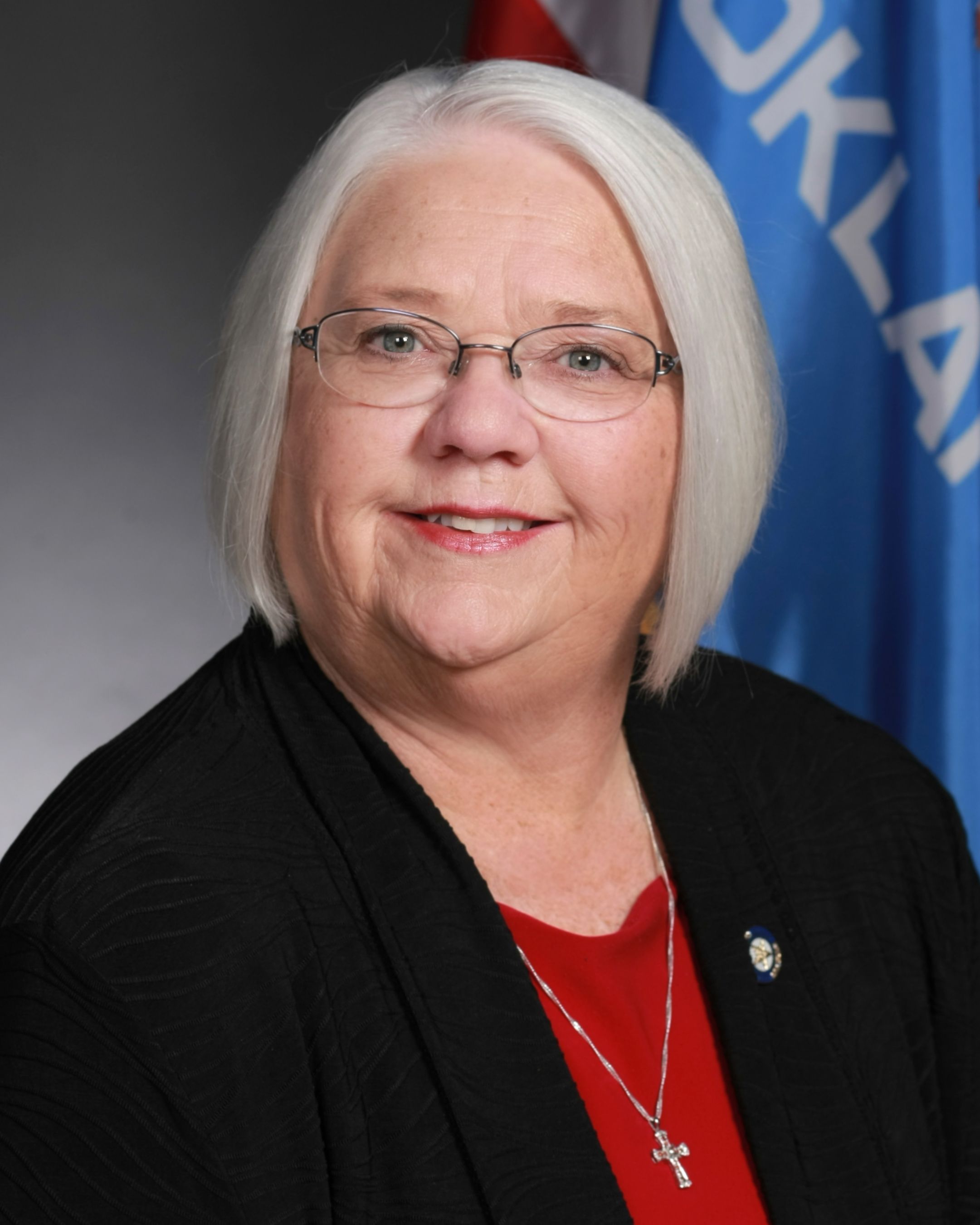
Marilyn Stark
House · District 100
|
R |
Strong +
|
100% | 5 |
|
DT
Dillon Travis
House · District 35
|
R |
Strong +
|
100% | 3 |
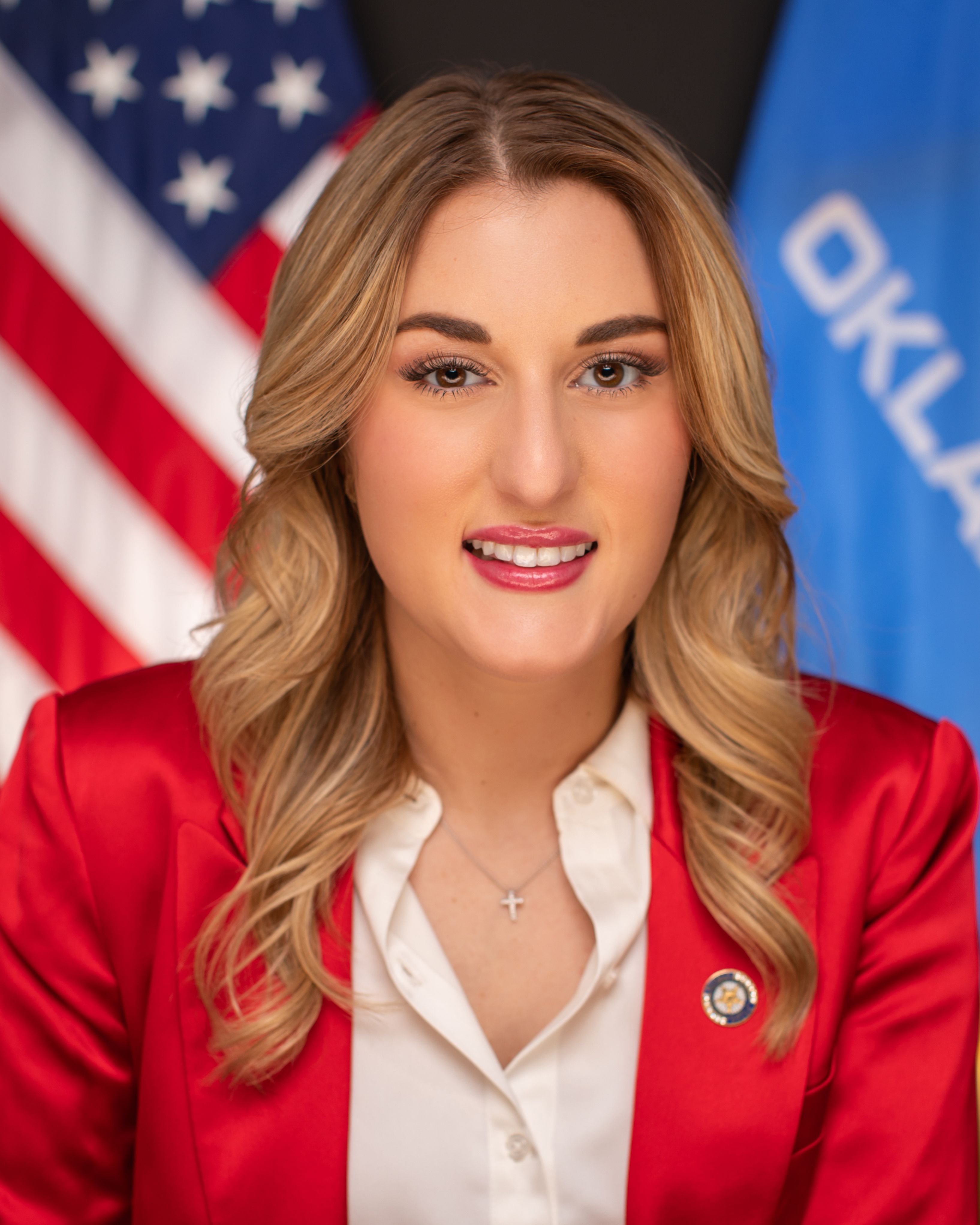
Emily Gise
House · District 90
|
R |
Strong +
|
86% | 7 |
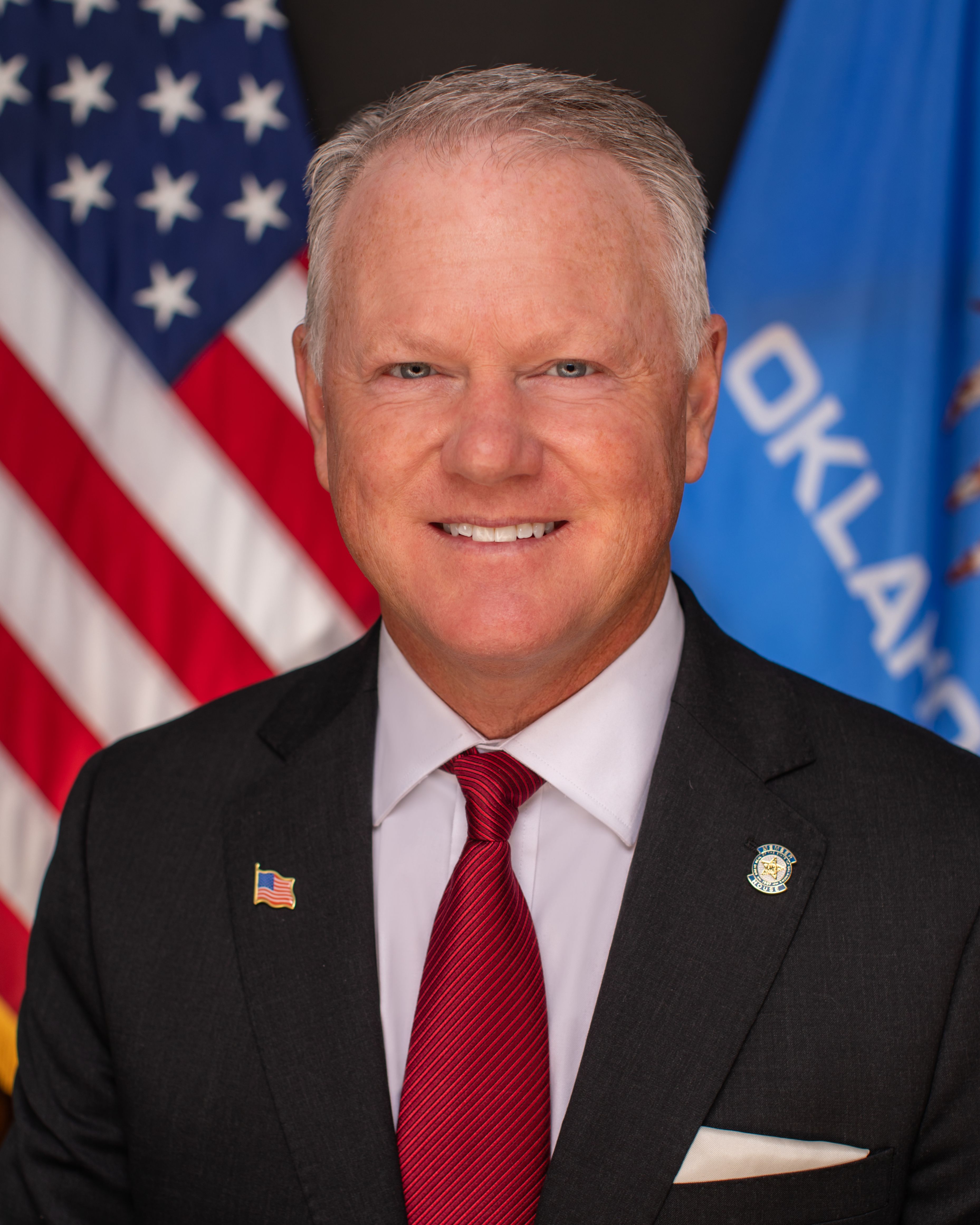
Mark Chapman
House · District 12
|
R |
Strong +
|
86% | 7 |
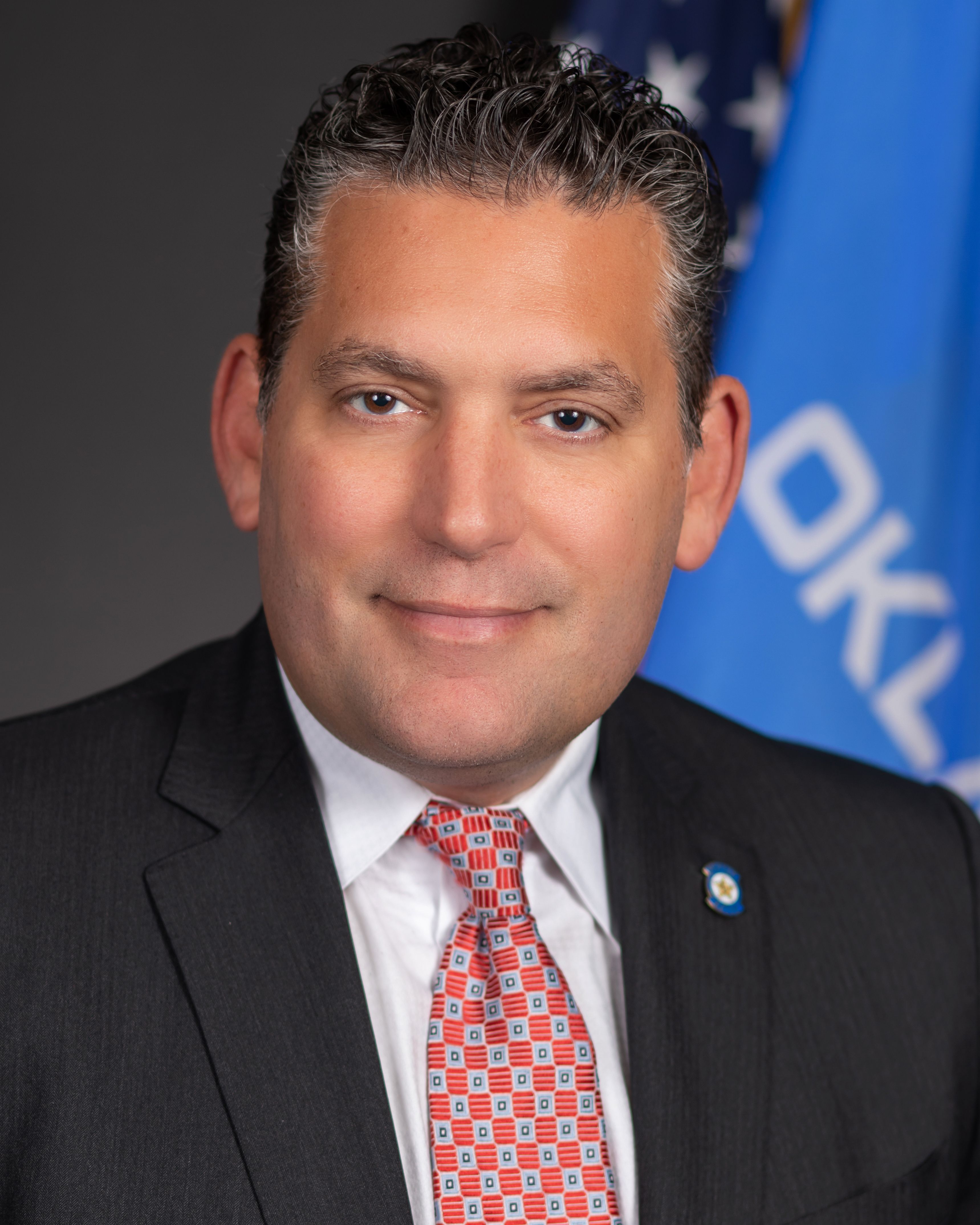
Mark Tedford
House · District 69
|
R |
Strong +
|
86% | 7 |
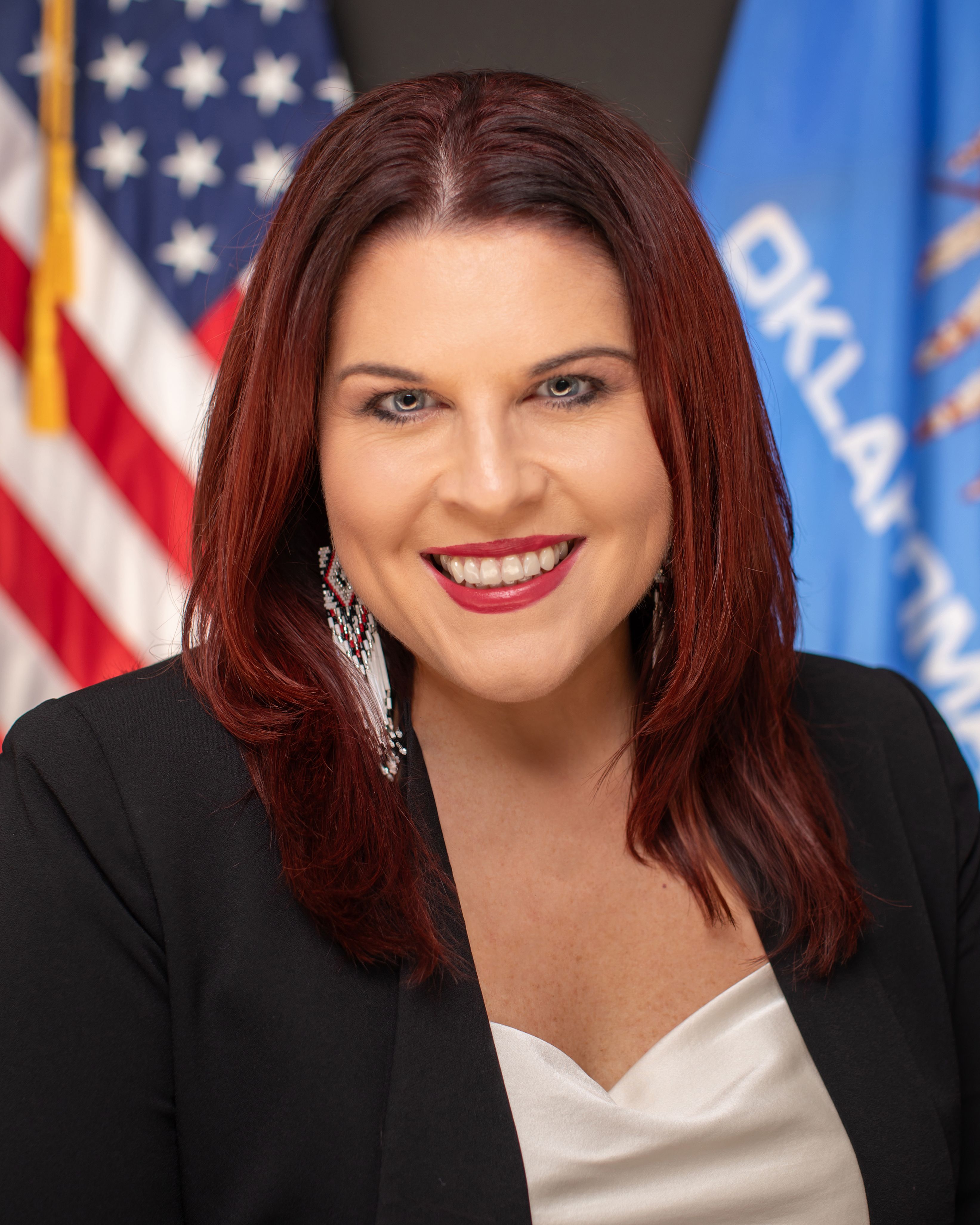
Amanda Clinton
House · District 71
|
D |
Strong −
|
0% | 3 |
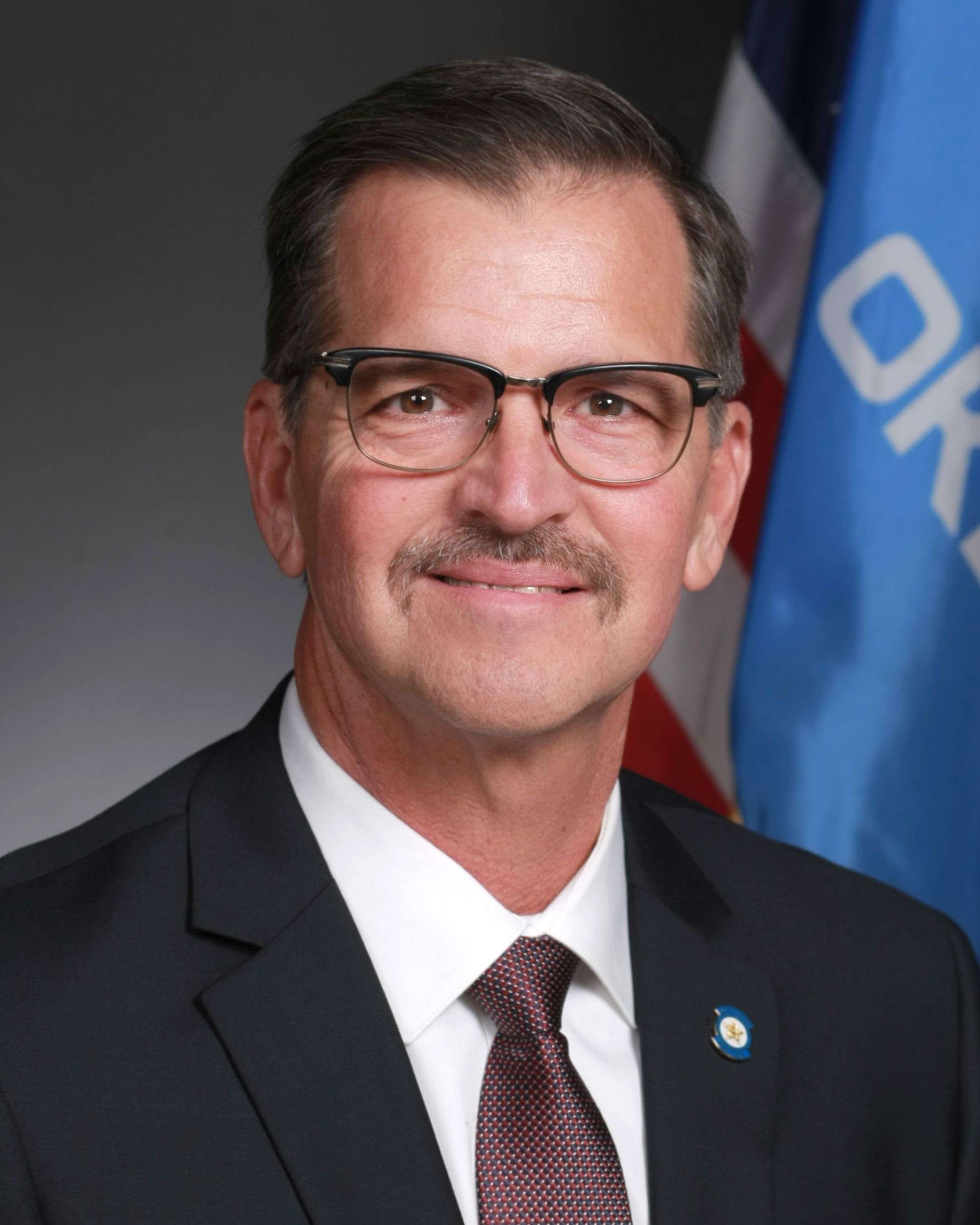
Ronny Johns
House · District 25
|
R |
Strong −
|
20% | 5 |
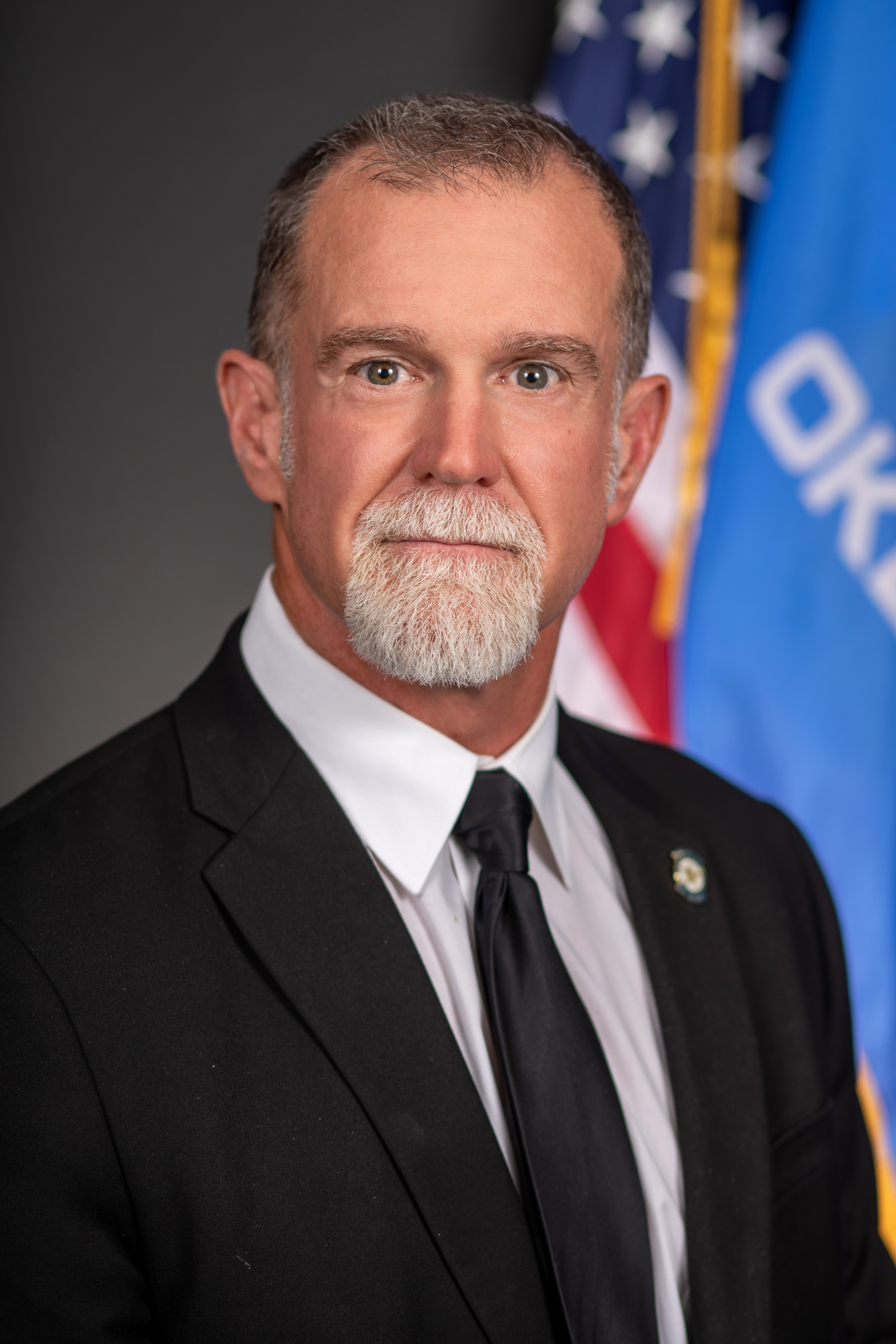
Warren Hamilton
Senate · District 7
|
R |
Oppose
|
23% | 13 |
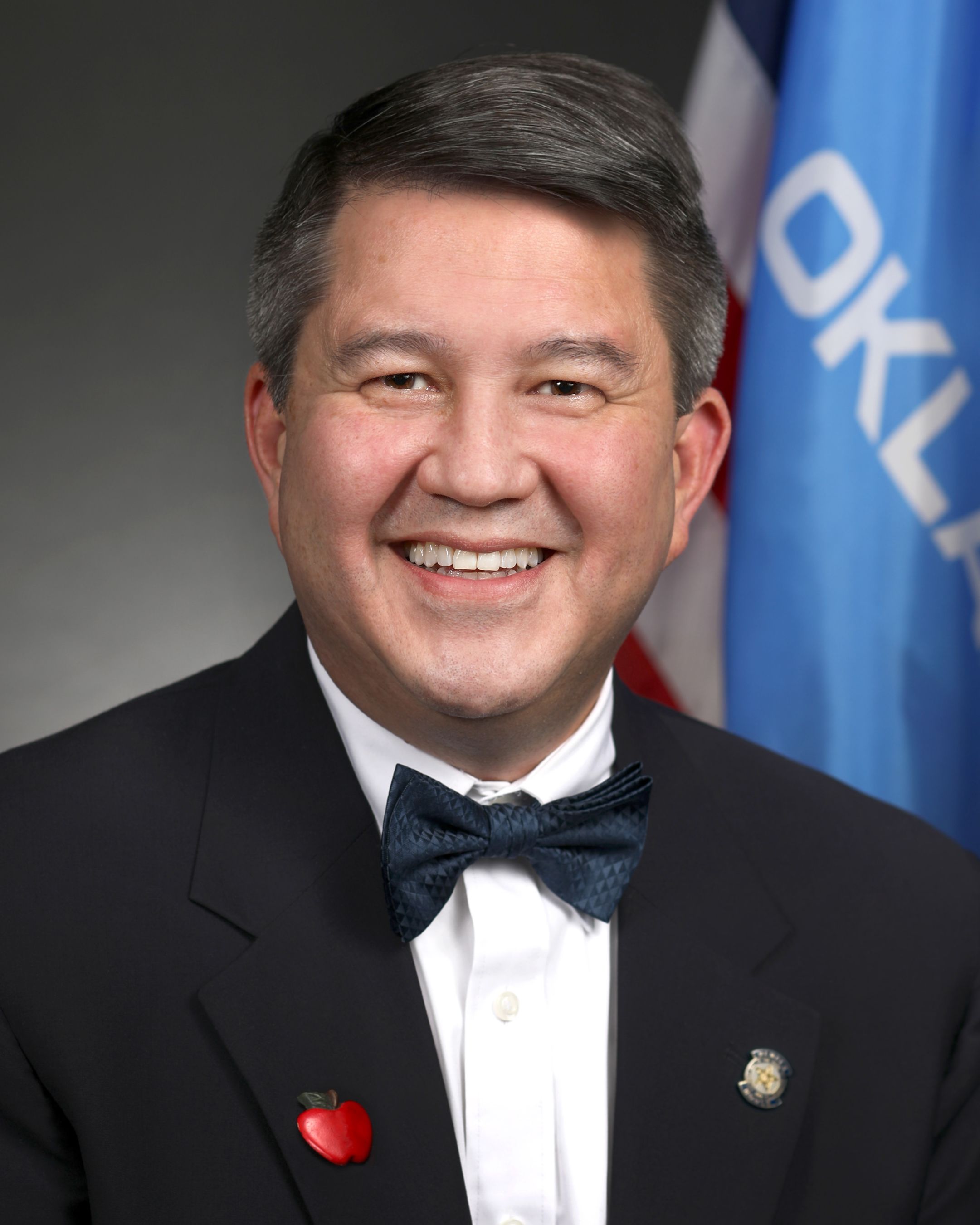
Andy Fugate
House · District 94
|
D |
Oppose
|
25% | 4 |

Jim Grego
House · District 17
|
R |
Oppose
|
25% | 4 |
Showing 1–10 of 12
bills
All criminal justice bills
HB 3127: Medical marijuana; policy for applicants and employees; exceptions; effective date.
Topics
✓ Criminal JusticeSupports Criminal JusticeProtects medical marijuana users from employment discrimination and firearm rights denial, advancing civil rights in criminal justice reform.
✓ HealthcareSupports HealthcareProtects medical marijuana patients from Medicaid denial, advancing healthcare access and patient rights under public health programs.
✓ Labor & EmploymentSupports Labor & EmploymentProtects medical marijuana patients from employment discrimination, preventing refusal to hire/firing based on status, aligning with workers' rights protection in Labor & Employment.
SB 513: Oklahoma Riot Control and Prevention Act; prohibiting certain entities from taking certain actions and authorizing certain activity during state of emergency. Effective date.
SB 2002: Substance-impacted perinatal women; granting certain immunity from prosecution; authorizing certain action by district attorney. Effective date.
Topics
✓ Criminal JusticeSupports Criminal JusticeGrants immunity from prosecution for substance use during pregnancy when seeking treatment, promoting rehabilitation over criminalization in criminal justice reform.
✓ HealthcareSupports HealthcareRemoves legal barriers to substance use treatment access for pregnant/postpartum women, protecting patient rights and improving healthcare access per bill language.
HB 1042: Sunset; Opioid Overdose Fatality Review Board; extending sunset year.
Topics
✓ Criminal JusticeSupports Criminal JusticeExtends oversight board analyzing opioid deaths to improve prevention and coordination with law enforcement, supporting systemic reform through data-driven prevention efforts.
✓ HealthcareSupports HealthcareExtends opioid overdose fatality review board, maintaining public health prevention efforts under mental health services.
HB 1990: Firearms; defining term; effective date.
SB 391: Opioid overdose fatalities; dissolving Overdose Fatality Review Board; providing for Attorney General oversight. Effective date. Emergency.
Topics
✓ Criminal JusticeSupports Criminal JusticeBill extends Opioid Overdose Review Board to identify systemic issues in law enforcement responses, making recommendations for improvement. Aligns with criminal justice reform by enhancing oversight and accountability.
✓ HealthcareSupports HealthcareBill establishes board to review opioid overdose cases and improve medical/law enforcement responses, strengthening public health system oversight in healthcare.
HB 1460: Criminal procedure; fees; fines; court; sentencing; revolving fund; effective date.
Topics
✓ Budget & TaxesSupports Budget & TaxesAdds $10 and $150 fees to fund CLEET Training Center, General Revenue, and law enforcement revolving funds, increasing state revenue streams for budget allocation.
✓ Criminal JusticeSupports Criminal JusticeAdds fees funding forensic services (OSBI) and law enforcement training (CLEET), strengthening operational capacity within criminal justice system.
HB 2176: State revenue administration; medical marijuana taxation; procedures; effective date.
Topics
✓ Budget & TaxesSupports Budget & TaxesCreates 7% medical marijuana tax, allocates 59.23% of revenue to public schools and 6.15% to drug rehab programs, directly funding public services.
✓ Criminal JusticeSupports Criminal JusticeBill allocates 6.15% of medical marijuana tax revenue to drug rehabilitation programs, directly funding a key criminal justice reform initiative to reduce recidivism.
✓ EducationSupports EducationBill allocates $65M annually to public school funding (59.23% of revenue), directly increasing education funding per summary.
✓ HealthcareSupports HealthcareAllocates 6.15% of medical marijuana tax revenue to drug rehabilitation programs, directly funding public health initiatives under healthcare topic.