Issue · Criminal Justice

Criminal Justice (Probation & Parole)

Every criminal justice bill, vote, and legislator stance in Oklahoma, automatically classified by Maddy, our AI policy reader.

Total bills
13
2026 Regular Session
Top supporter
Annie Menz
100% support rate
Top opponent
Jay Steagall
0% support rate
Ranked legislators
10
5 support · 5 oppose
Key legislators

Who's moving probation & parole in Oklahoma

Legislators moving probation & parole in Oklahoma
Legislator Party Stance Support rate Votes
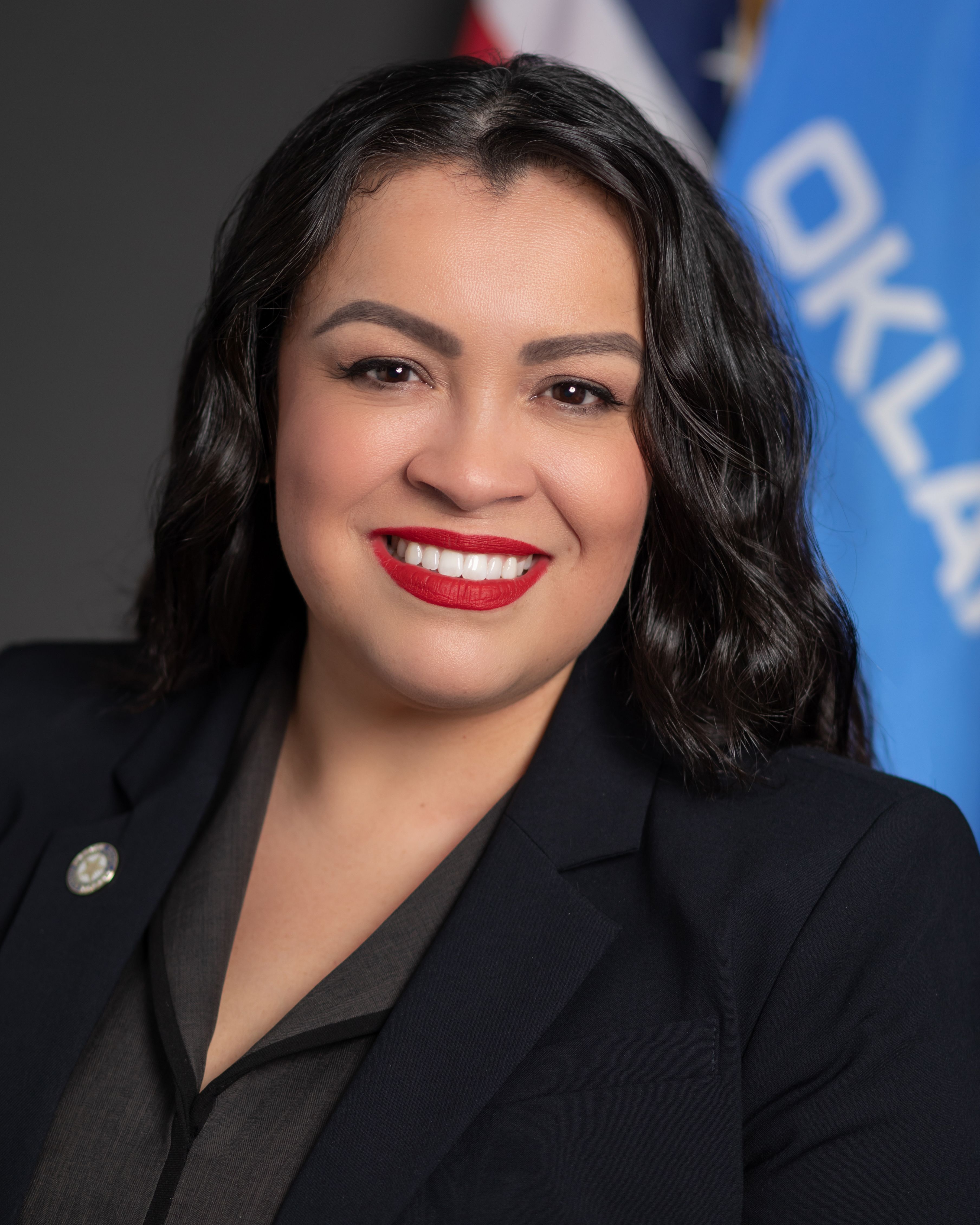
Annie Menz
Annie Menz House · District 45
D
Strong +
100% 6
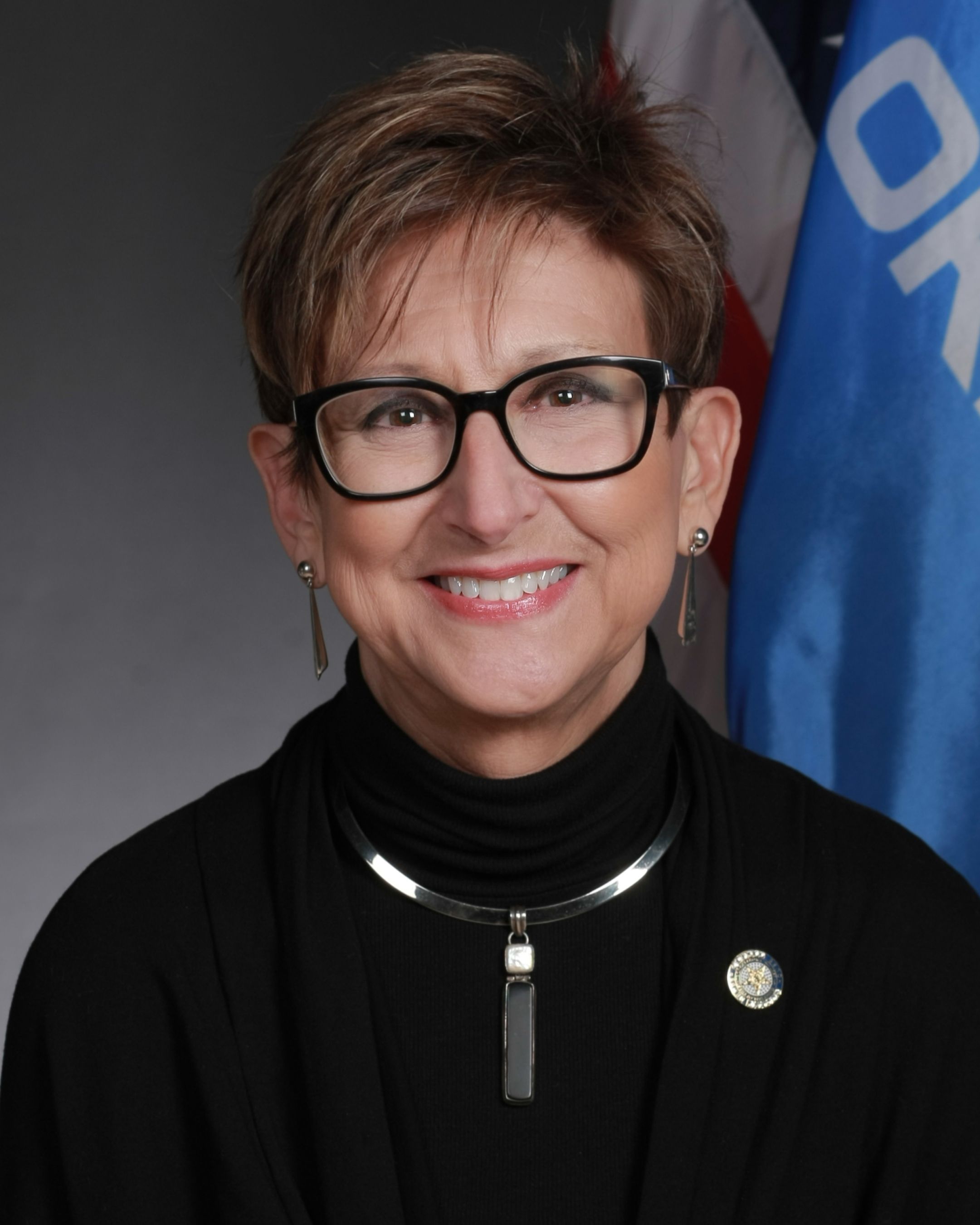
Meloyde Blancett
Meloyde Blancett House · District 78
D
Strong +
100% 6
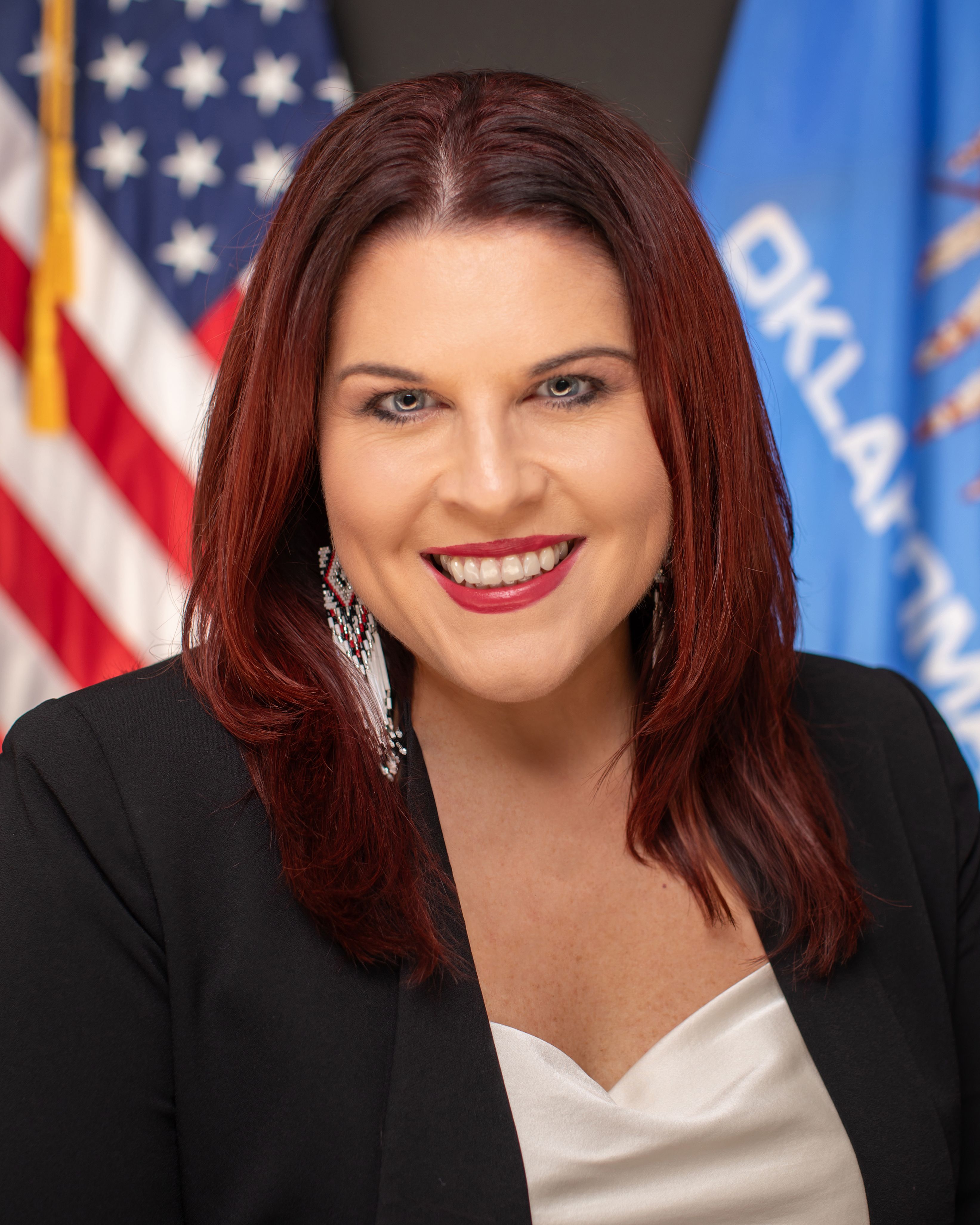
Amanda Clinton
Amanda Clinton House · District 71
D
Strong +
100% 5
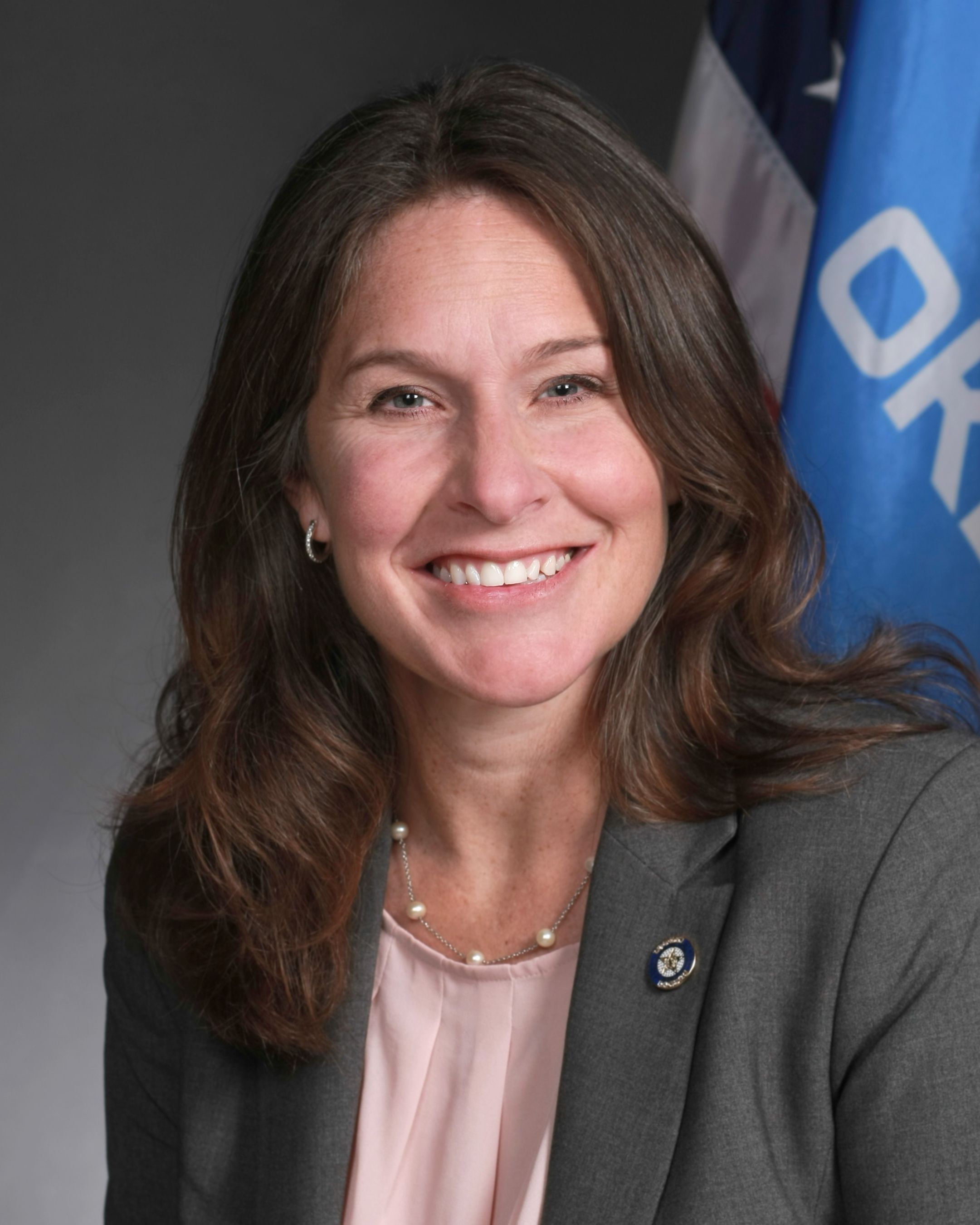
Melissa Provenzano
Melissa Provenzano House · District 79
D
Strong +
88% 8
Michael Brooks
Michael Brooks Senate · District 44
D
Strong +
87% 15
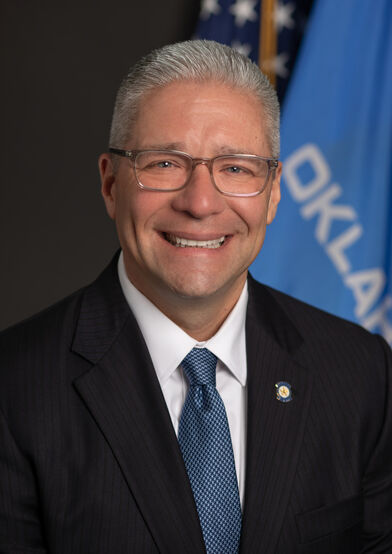
Jay Steagall
Jay Steagall House · District 43
R
Strong −
0% 5
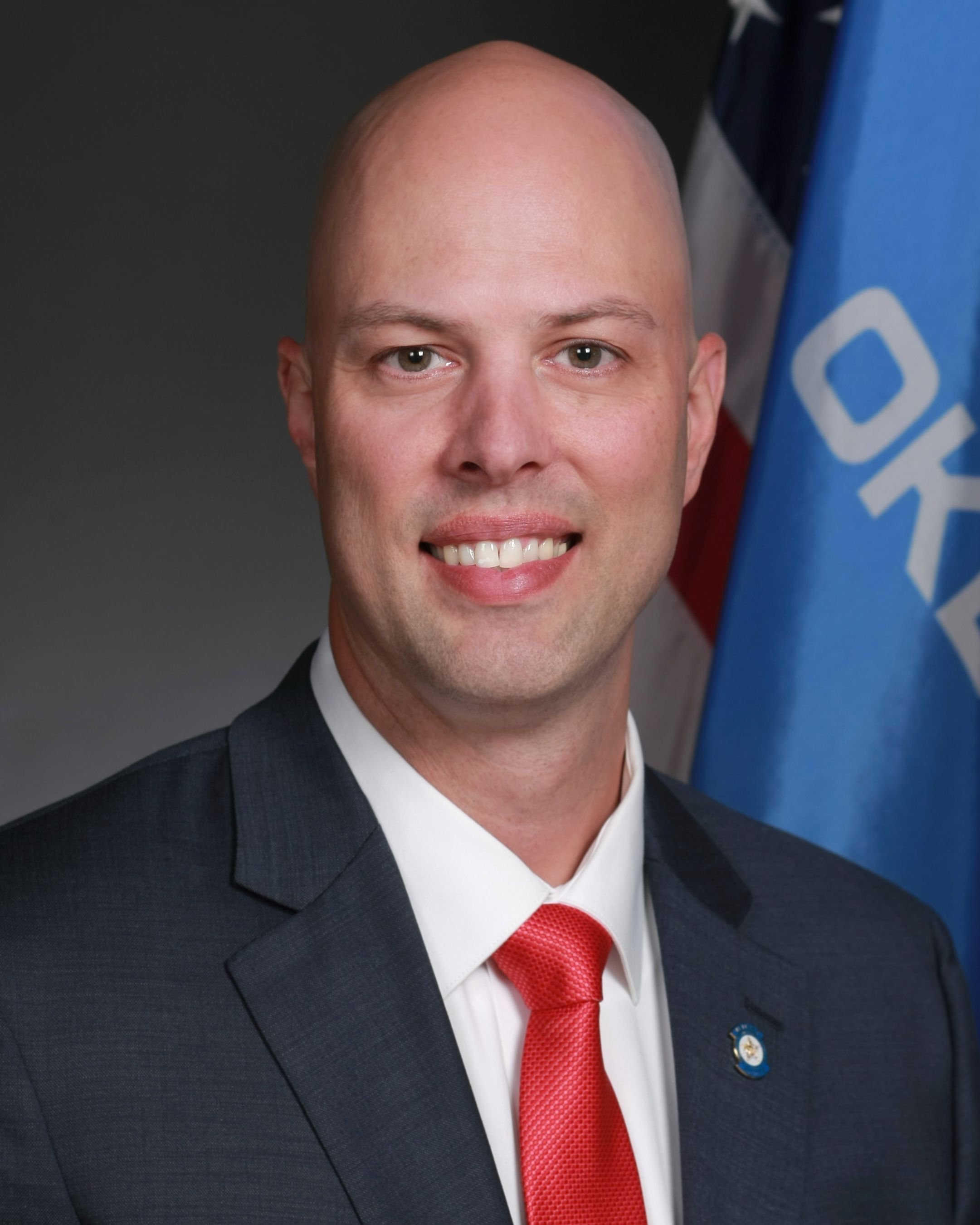
Dusty Deevers
Dusty Deevers Senate · District 32
R
Strong −
0% 4
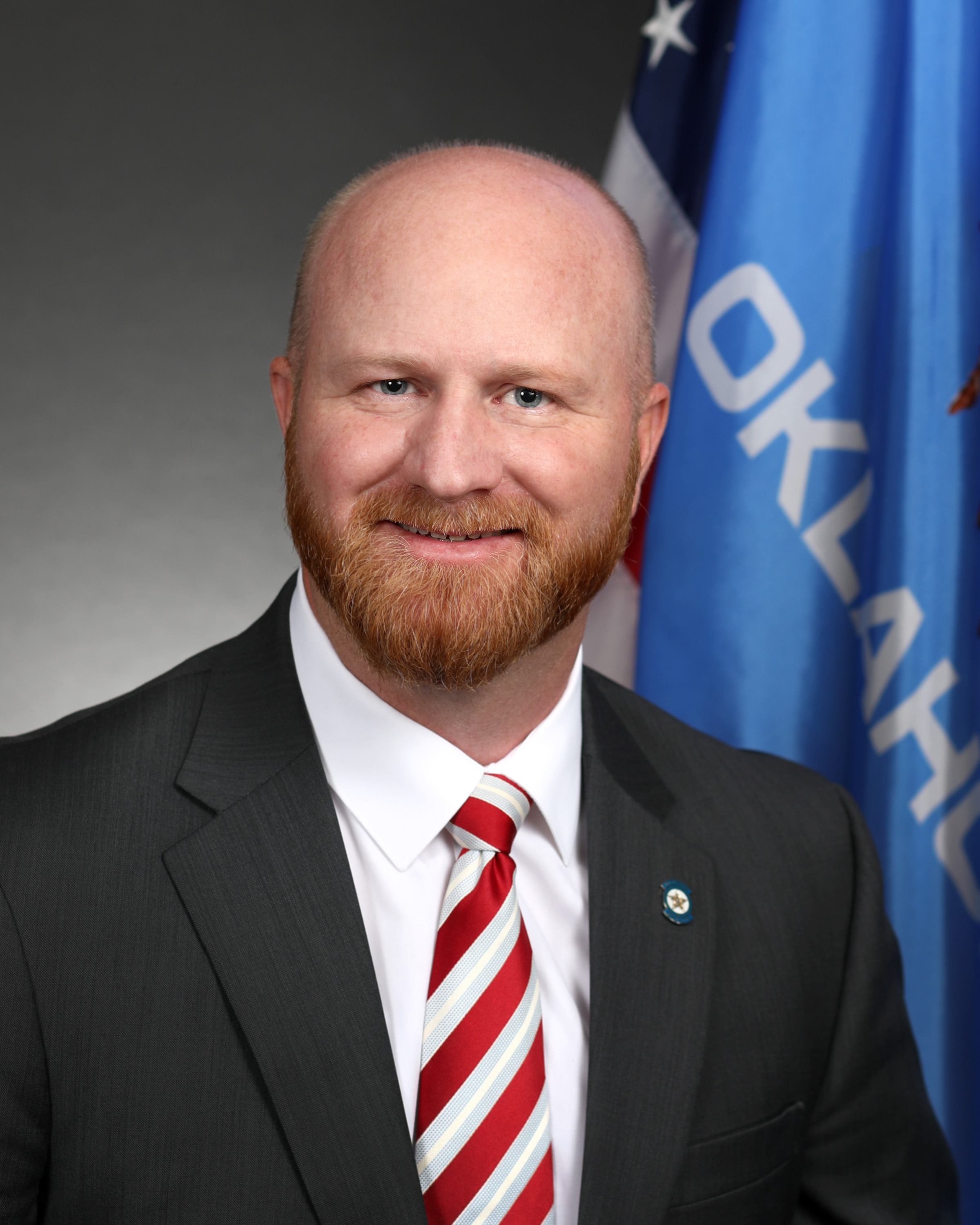
Brent Howard
Brent Howard Senate · District 38
R
Strong −
10% 10
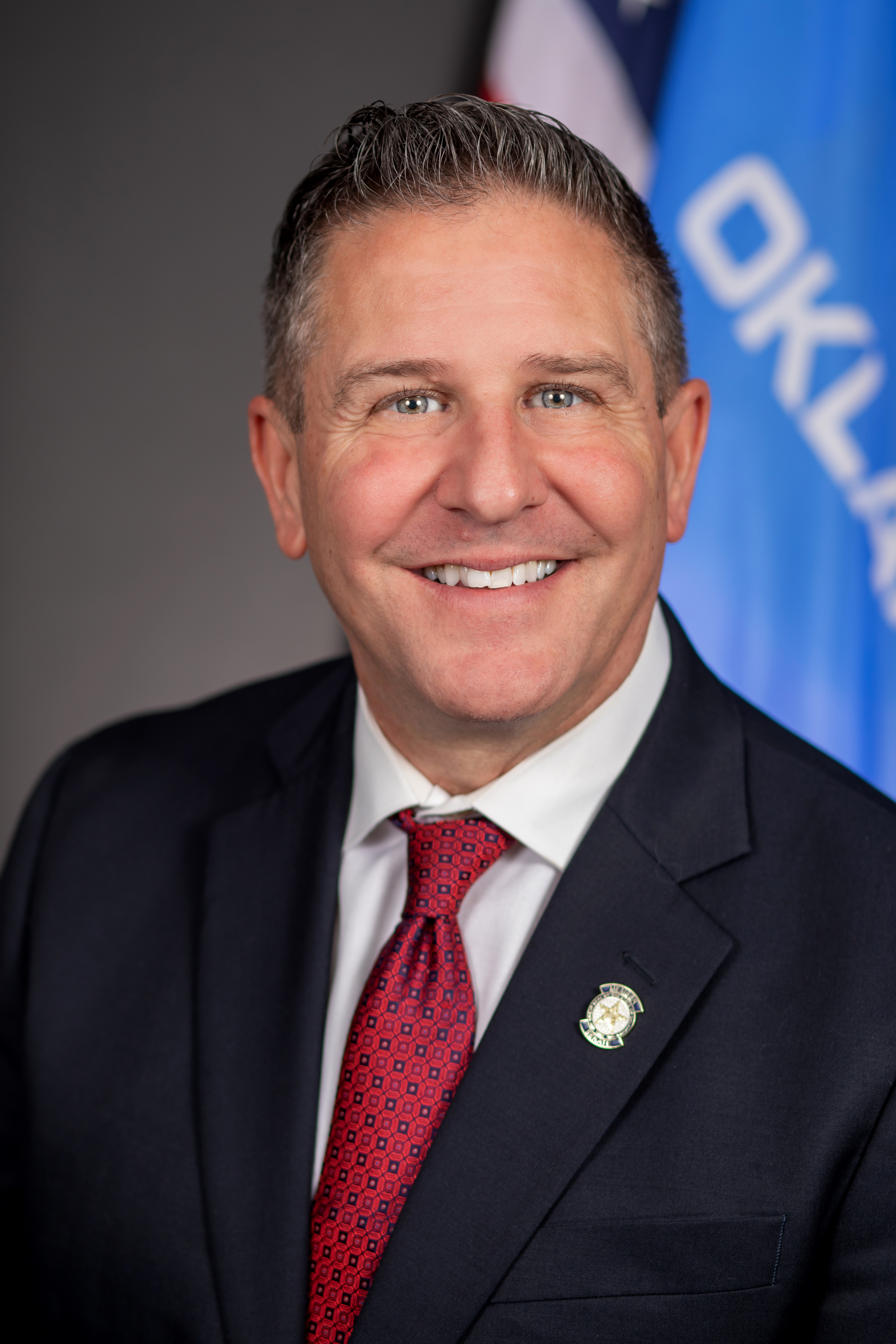
Todd Gollihare
Todd Gollihare Senate · District 12
R
Strong −
10% 10
Paul Rosino
Paul Rosino Senate · District 45
R
Strong −
11% 9
Showing 1–10 of 13 bills

All criminal justice bills

in committee · Oklahoma · Senate Feb 3, 2026

SB 1542: Stalking; authorizing use of certain monitoring device. Effective date.

SB 1542 amends Oklahoma's stalking laws to define stalking as a Class B6 felony when someone willfully, maliciously, and repeatedly follows or harasses another person, causing both a reasonable person and the victim to feel frightened or threatened. It increases penalties for repeat offenses (up to 12 years for third violations) and elevates stalking to a Class B5 felony (up to 15 years) if the perpetrator violates a restraining order, is on probation for violence, or has prior stalking convictions involving violence. The bill directly affects individuals convicted of stalking and their victims, with penalties varying based on prior offenses and protective orders. It replaces existing stalking provisions in Oklahoma Statutes Section 1173 without adding monitoring device provisions as suggested by the bill title.
died · Oklahoma · House Feb 4, 2026

HB 3349: Crimes and punishments; updating language; effective date.

HB 3349 updates Oklahoma's legal definitions and penalties for human trafficking. It clarifies terms like "coercion" (including passport confiscation or controlling a person's access to substances) and "human trafficking for labor or commercial sex," defining specific acts like recruiting minors for prostitution. The bill increases penalties to a Class A2 felony with mandatory 85% prison time served (not less than 5 years for adults, 15 years for minors), requires restitution to victims, and bans probation for trafficking convictions. It directly affects traffickers, victims (especially minors), and courts handling these cases, while establishing that victims' consent or lack of knowledge about a victim's age cannot be used as defenses. The law takes effect November 1, 2026.
died · Oklahoma · Senate Mar 10, 2026

SB 1540: Crimes and punishments; creating felony offense related to child abuse. Effective date.

SB 1540 amends Oklahoma law to create new felony classifications for child abuse, neglect, and related offenses. It defines "child abuse" as willful or malicious harm by anyone responsible for a child's welfare, making it a Class A3 felony punishable by up to life in prison or fines up to $5,000. The bill also establishes "enabling child abuse" and "enabling child neglect" as separate Class A3 and Class B1 felonies, respectively, targeting those who facilitate harm to children. Additionally, it requires life without parole for repeat offenders convicted of first-degree rape, sodomy, or sexual abuse of a child. These provisions directly affect caregivers, parents, and institutions responsible for child safety.
passed · Oklahoma · House Apr 27, 2026

HB 3264: Crimes and punishments; minimum prison sentences; criminal offense; list; effective date.

HB 3264 requires individuals convicted of 24 specific serious crimes - including first-degree murder, child sexual abuse, human trafficking, domestic abuse by strangulation, and discharging a firearm into occupied buildings - to serve at least 85% of their prison sentence before becoming eligible for parole. The bill eliminates earned credits or other sentence reductions that would allow offenders to serve less than 85% of their sentence. It applies to all convictions for these listed offenses, including attempts, conspiracies, or solicitations. The law would take effect on November 1, 2026, if passed.
in committee · Oklahoma · House Feb 4, 2025

HB 1624: Firearms; defining term; effective date.

HB 1624 amends Oklahoma law to clarify firearm possession restrictions for specific groups. It prohibits convicted felons, individuals on felony probation, delinquent youth (within 10 years of adjudication), and undocumented immigrants from possessing most firearms. The bill also restores firearm rights for pardoned nonviolent felons and penalizes licensed gun owners who knowingly allow prohibited individuals to possess firearms, with penalties including license revocation and fines up to $5,000. Key provisions define terms like "altered toy pistol" and "sawed-off shotgun" for clarity in enforcement. The law takes effect November 1, 2025.
vetoed · Oklahoma · Senate May 29, 2025

SB 631: Crimes and punishments; expanding scope of acts that require service of minimum percentage of sentence. Effective date.

SB 631 requires offenders convicted of 23 specific serious crimes - including child pornography, human trafficking, aggravated assault on a defender, and discharging firearms into buildings - to serve at least 85% of their prison sentence before becoming eligible for parole. It expands the existing 85% service requirement to include these new offenses, which were previously not subject to this rule. The bill also prohibits earned credits or other reductions that would lower the required service below 85% for these convictions. This applies to anyone convicted of these offenses in Oklahoma, effective November 1, 2025.
in committee · Oklahoma · House Feb 4, 2025

HB 1320: Crimes and punishments; creating the Child Trafficking Protection Act of 2025; increasing penalties for certain unlawful act; effective date.

HB 1320 creates Oklahoma's "Child Trafficking Protection Act of 2025" by amending statutes to define human trafficking more broadly and significantly increase penalties. It specifically targets trafficking for commercial sex or labor, with harsher punishments: 5+ years to life for standard cases, and 15+ years to life without parole for offenses involving victims under 18. Key provisions include requiring offenders to pay victim restitution, mandating 85% of sentences be served before parole eligibility, and eliminating defenses based on victim consent or ignorance of a minor's age. The law directly affects traffickers and those exploiting victims, particularly minors, with stricter criminal consequences.
passed · Oklahoma · House May 5, 2025

HB 1591: Crimes and punishments; adding specific crimes to list of offenses; effective date.

HB 1591 requires individuals convicted of 25 specific serious crimes in Oklahoma to serve at least 85% of their prison sentence before becoming eligible for parole. This applies to offenses like first-degree murder, child sex trafficking, domestic violence with weapons, human trafficking, and certain violent assaults. The bill prohibits earned credits or other sentence reductions that would allow offenders to serve less than 85% of their sentence. It becomes effective November 1, 2025, and directly affects those sentenced for the listed crimes under Oklahoma law.
in committee · Oklahoma · Senate Mar 16, 2026

SB 1245: Felony offenses; modifying application of certain deferred judgement procedure. Effective date.

SB 1245 modifies which felony offenses qualify for deferred judgment procedures in Oklahoma. It specifically affects defendants charged with certain felony offenses listed in the bill, including bribery (e.g., offering bribes to legislators or judicial officers), embezzlement (e.g., by county treasurers or public officials), burglary, fraud involving $15,000 or more, and commercial gambling. The bill changes eligibility rules so that these offenses may no longer be eligible for deferred judgment, meaning convictions would require immediate sentencing instead of potential probation. This policy change directly impacts criminal defendants facing these specific charges and alters how Oklahoma courts handle their cases. The bill repeals outdated DUI-related statutes but focuses primarily on revising felony sentencing procedures.
died · Oklahoma · Senate Feb 16, 2026

SB 1260: Pardons and paroles; prohibiting parole eligibility and earning of credits for persons convicted of certain offenses. Effective date.

SB 1260 mandates that individuals convicted of specific serious offenses - including first-degree murder, child sexual abuse, human trafficking, and certain violent crimes - must serve at least 85% of their prison sentence before becoming eligible for parole. The bill prohibits these individuals from earning credits (such as good behavior time) that could reduce their sentence below this 85% threshold. It directly affects inmates convicted of the listed offenses, which include crimes like child sex trafficking (per Section 1030), forcible sodomy (Section 888), and human trafficking (Section 748). The law repeals prior statutes that allowed for shorter parole eligibility periods for these offenses and updates related legal references.
Showing 1 to 10 of 13 bills
1 2 Next