Issue · Criminal Justice

Criminal Justice (Law Enforcement)

Every criminal justice bill, vote, and legislator stance in Oklahoma, automatically classified by Maddy, our AI policy reader.

Total bills
107
2026 Regular Session
Top supporter
Trey Caldwell
100% support rate
Top opponent
Brian Guthrie
17% support rate
Ranked legislators
10
5 support · 5 oppose
Key legislators

Who's moving law enforcement in Oklahoma

Legislators moving law enforcement in Oklahoma
Legislator Party Stance Support rate Votes
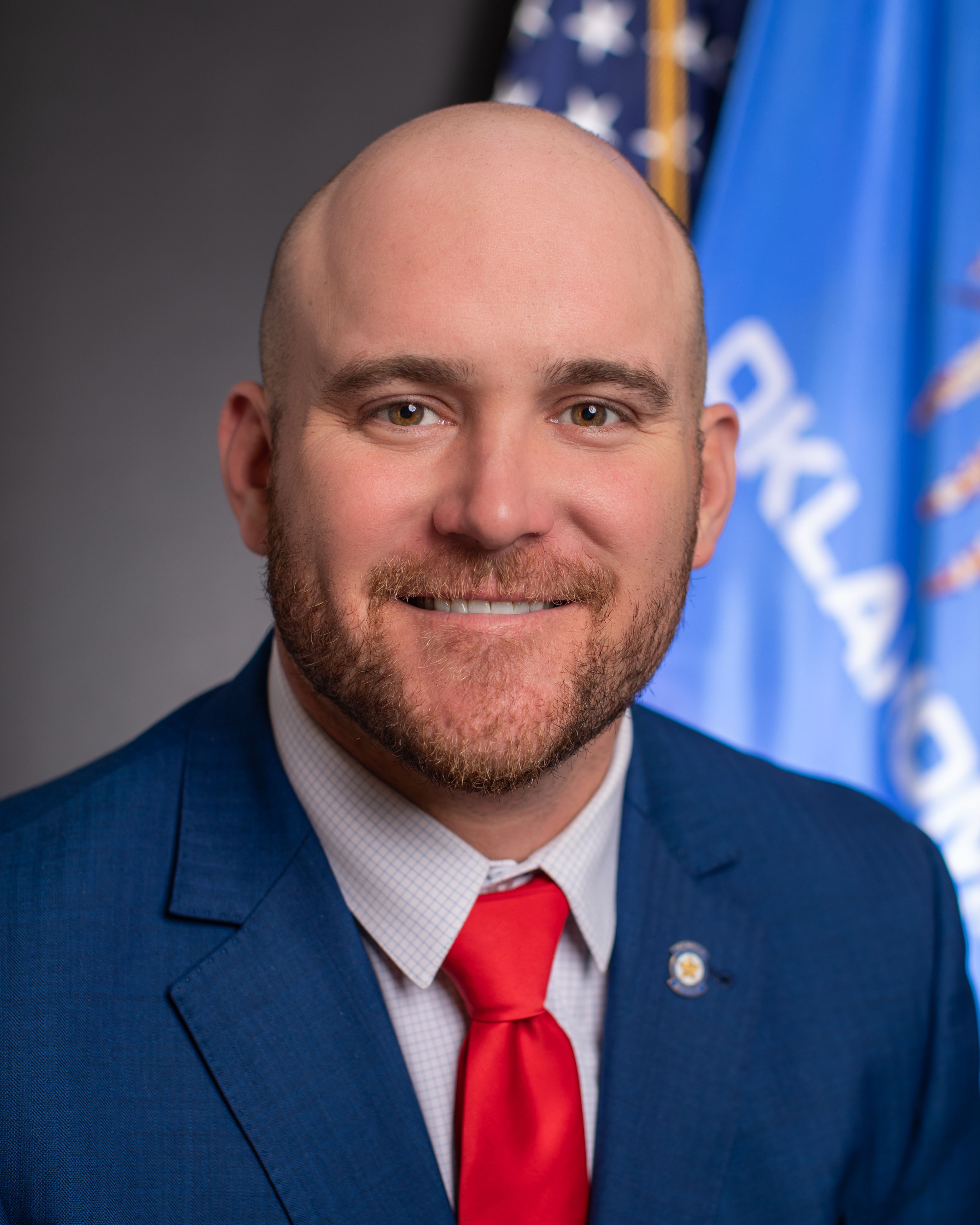
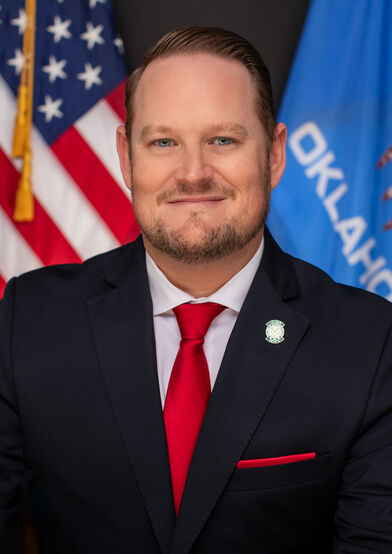
Trey Caldwell
Trey Caldwell House · District 63
R
Strong +
100% 5
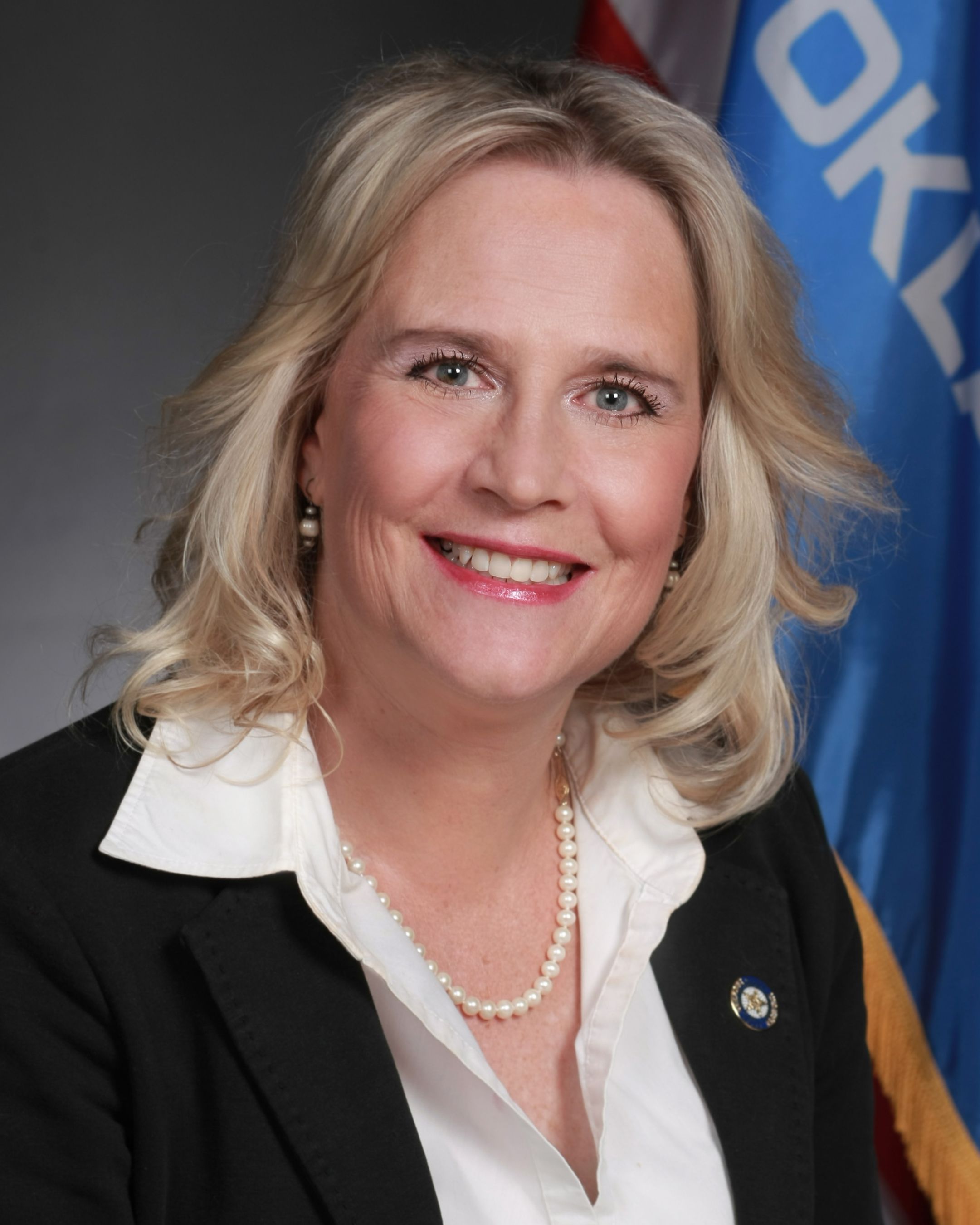
Nicole Miller
Nicole Miller House · District 82
R
Strong +
100% 4
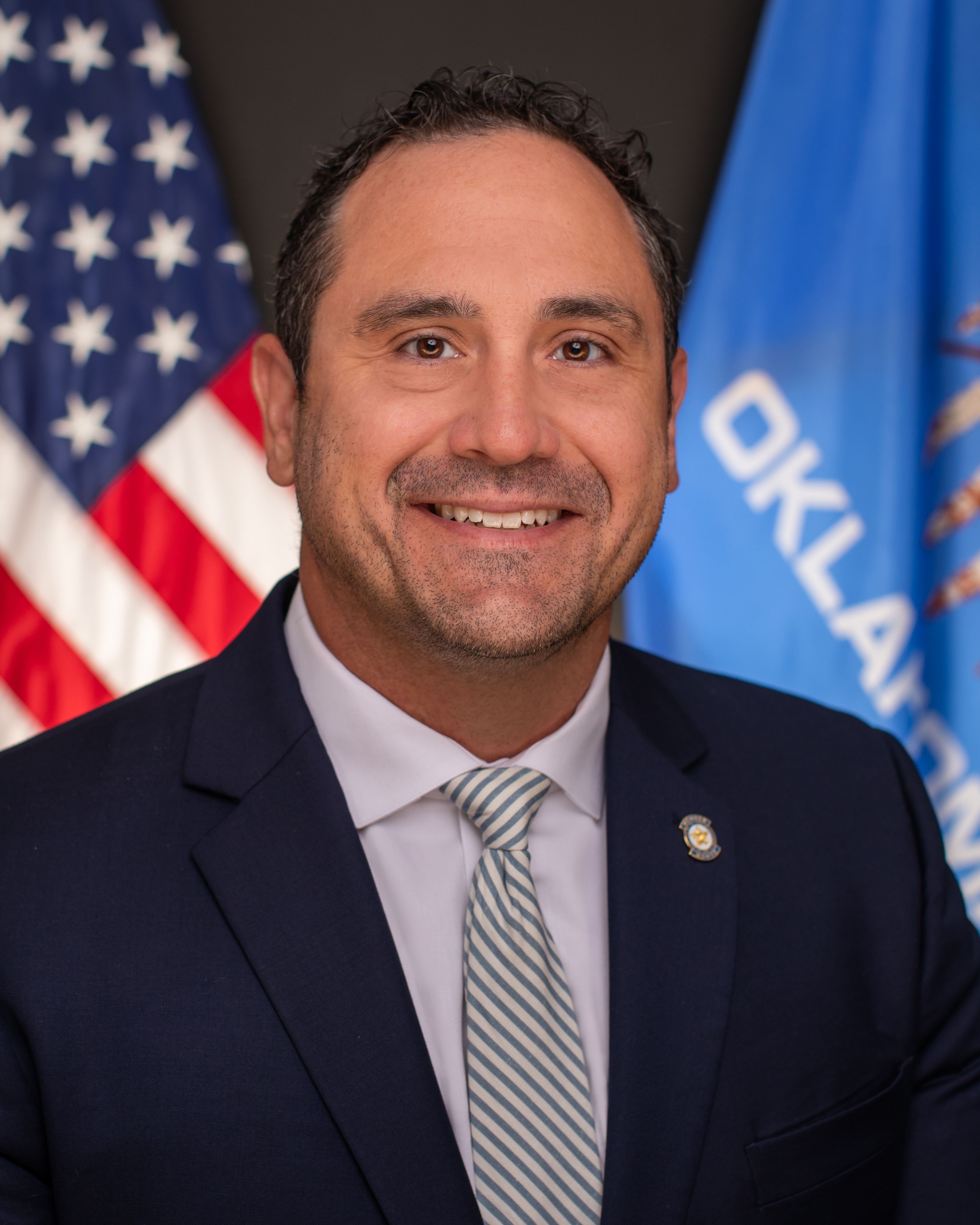
Bryan Logan
Bryan Logan Senate · District 8
R
Strong +
100% 3
Nick Archer
Nick Archer House · District 55
R
Strong +
100% 3
Eddy Dempsey
Eddy Dempsey House · District 1
R
Strong +
88% 8
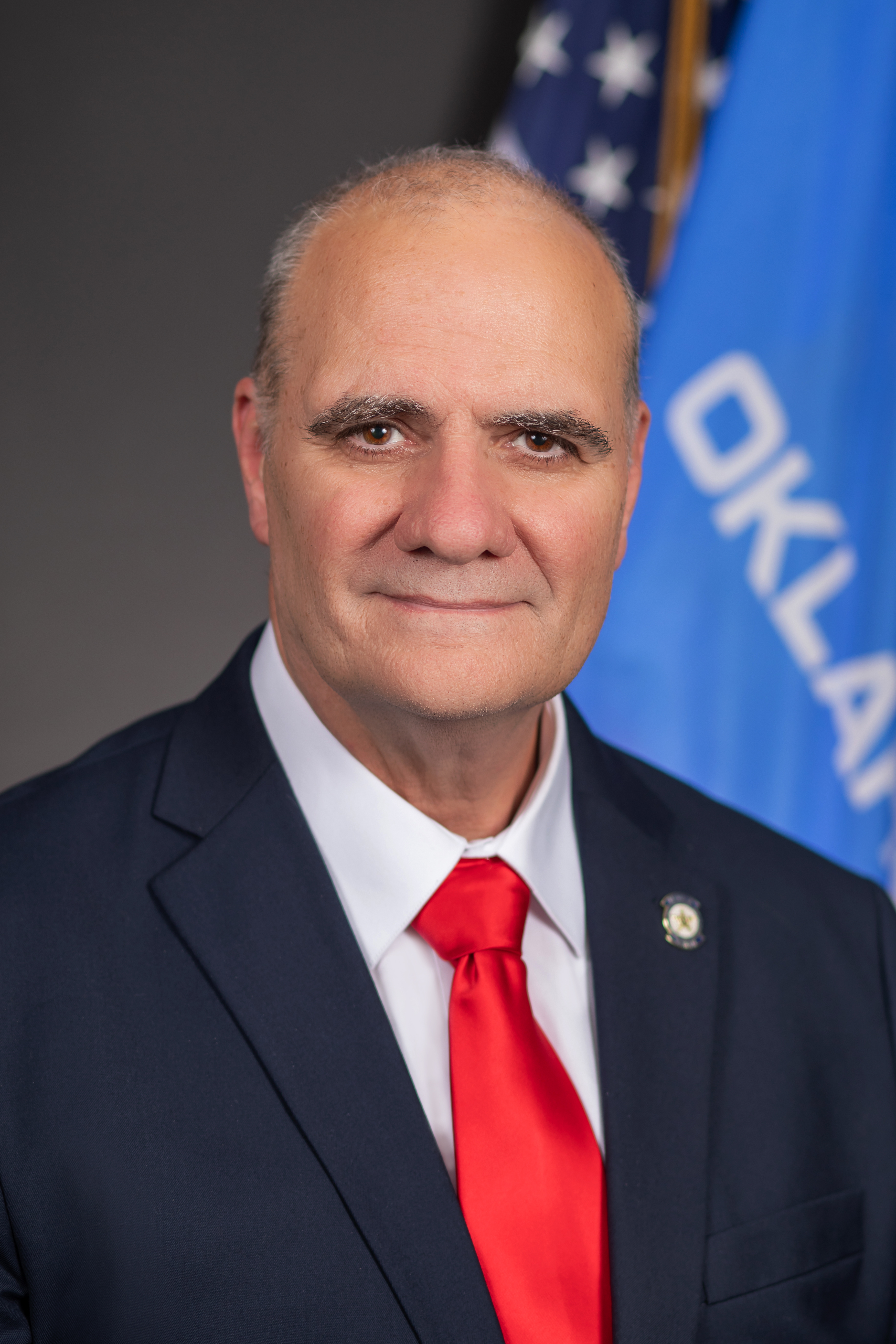
Brian Guthrie
Brian Guthrie Senate · District 25
R
Strong −
17% 6
Julie McIntosh
Julie McIntosh Senate · District 3
R
Strong −
17% 6
Lisa Standridge
Lisa Standridge Senate · District 15
R
Strong −
17% 6
Dana Prieto
Dana Prieto Senate · District 34
R
Oppose
25% 8
Dusty Deevers
Dusty Deevers Senate · District 32
R
Oppose
29% 7
Showing 61–70 of 107 bills

All criminal justice bills

signed · Oklahoma · Senate May 5, 2025

SB 369: Assault and battery; modifying scope of certain unlawful act. Effective date.

SB 369 expands the definition of aggravated assault and battery against law enforcement officers in Oklahoma. It specifically includes attempts to gain control of an officer's firearm or strangulation as qualifying offenses. The law applies to police officers, sheriffs, deputies, highway patrol officers, corrections personnel, and state/federal peace officers enforcing state laws while on duty. This change makes those specific acts punishable as a felony with penalties including up to life in prison or a $5,000 fine. The bill was approved by the governor on May 3, 2025, and is now in effect.
passed · Oklahoma · House Apr 16, 2026

HB 1002: Stalking; directing law enforcement agencies to provide certain notification to victims of stalking; effective date.

HB 1002 requires Oklahoma law enforcement agencies to file specific notifications with victims of stalking, rather than serving them directly. This bill directly affects stalking victims by changing how they receive official updates about their cases. The key provision amends existing procedures to mandate that law enforcement "file" these notifications with victims, streamlining the process while ensuring victims are informed. The bill is currently moving through committee with a "Do Pass" recommendation after committee amendments.
in committee · Oklahoma · House Feb 4, 2025

HB 1862: Law enforcement officers; creating the Oklahoma Law Enforcement Event Deconfliction Act; directing law enforcement personnel to submit certain information to the event deconfliction system; codification; effective date.

HB 1862 creates the "Oklahoma Law Enforcement Event Deconfliction Act," requiring all Oklahoma law enforcement personnel (including federal, state, tribal, and local agencies) to submit specific details about planned high-risk operations - such as raids, warrant executions, or surveillance - to a centralized event deconfliction system at least one hour before the event. The system identifies potential conflicts (e.g., overlapping operations) and mandates personnel to resolve them before proceeding, with failure to do so risking civil, administrative, or criminal penalties. Submitted information - including location, time, contact details, and search radius - is confidential and exempt from public records laws, while misuse (like submitting or accessing data for non-investigative purposes) is punishable by misdemeanor charges. The law aims to prevent accidental clashes between law enforcement teams during coordinated or overlapping operations.
Sub-Topics Law Enforcement
died · Oklahoma · House Feb 5, 2025

HB 1971: Children; Accountability, Transparency, and Protection for Exploited Youth Act; report; sexual misconduct or exploitation; penalties; Office of Juvenile Affairs; Independent Oversight Committee; responsibilities; investigations; civil liability; damages; negligence; civil penalties; training; annual report; exception; Oklahoma Open Records Act; disclosure; confidentiality; judicial review; juvenile records; exception; codification; effective date.

HB 1971, the "Accountability, Transparency, and Protection for Exploited Youth Act," requires staff, contractors, and volunteers in Oklahoma juvenile facilities (including group homes and county detention centers) to immediately report suspected sexual misconduct or exploitation involving juveniles to both their supervisor and the Office of Juvenile System Oversight. Failure to report carries criminal penalties (up to 2 years in prison and $5,000 fines) and civil liability for negligence, with potential damages of up to $50,000 per victim. The bill mandates annual staff training on recognizing and reporting misconduct and requires the Oversight Committee to submit annual reports to the legislature. It also creates an exception to juvenile record confidentiality, allowing limited disclosure of relevant records to law enforcement, guardians, and legal representatives in sexual violence cases while maintaining broader confidentiality protections.
in committee · Oklahoma · House Feb 4, 2025

HB 1042: Sunset; Opioid Overdose Fatality Review Board; extending sunset year.

HB 1042 extends the expiration date of Oklahoma's Opioid Overdose Fatality Review Board from July 1, 2025, to July 1, 2026, under the state's Sunset Law. The board, created within the Department of Mental Health and Substance Abuse Services, reviews opioid overdose deaths (for individuals 18+) to analyze causes, coordinate prevention efforts, and make system improvement recommendations to medical and law enforcement agencies. This procedural bill does not alter the board's existing duties - such as data collection, confidential case reviews, or annual reporting - but ensures its continued operation for one additional year.
signed · Oklahoma · Senate May 14, 2025

SB 391: Opioid overdose fatalities; dissolving Overdose Fatality Review Board; providing for Attorney General oversight. Effective date. Emergency.

SB 391 extends the Opioid Overdose Fatality Review Board's existence until July 1, 2026 (correcting the bill title's "dissolving" error), requiring it to review opioid overdose cases involving adults. The Board gathers confidential records from medical examiners, hospitals, law enforcement, and other agencies to identify systemic issues in medical or law enforcement responses, then makes recommendations for improvement. All case discussions and recommendations remain confidential and privileged, not admissible in court, while the Board must publish an annual public report by February 1 detailing its findings and system coordination. This directly affects state agencies (like mental health services, law enforcement, and medical examiners) and ensures public transparency through annual reports.
in committee · Oklahoma · House Feb 4, 2025

HB 1786: Victim protective orders; directing peace officers to complete return of service when filing petition; effective date.

HB 1786 requires peace officers to make every effort to serve protective order subjects and complete service documentation when filing petitions with the court. If immediate service isn't possible, officers must file the petition the next business day, and court clerks must prioritize service through county sheriffs. This affects victims seeking emergency protective orders (for domestic violence, stalking, or related offenses) and the law enforcement/court staff handling these cases. The bill streamlines the process to ensure timely court review while clarifying procedures for service attempts and filing deadlines. It amends Oklahoma statutes to standardize how protective order petitions are processed after emergency requests.
in committee · Oklahoma · Senate Feb 4, 2025

SB 812: Mental health; creating certain exception related to fulfillment of transport duties. Effective date.

SB 812 amends Oklahoma law to create a new exception for law enforcement officers transporting individuals needing mental health assessment. It allows sheriffs and peace officers to arrange on-site assessments via telemedicine (using mobile devices) or mobile crisis teams instead of immediately transporting people to facilities for initial evaluation. The bill clarifies that transport duties are considered fulfilled once officers transfer individuals to facility staff who confirm no immediate safety threat, except for unaccompanied minors under 18. This directly affects law enforcement agencies, mental health facilities, and individuals requiring emergency mental health services.
died · Oklahoma · House Feb 17, 2025

HB 2715: Crimes and punishments; Laser Safety Act; increasing penalties; effective date.

HB 2715, the Laser Safety Act, increases penalties for intentionally pointing lasers at law enforcement officers or aircraft. It raises fines for first-time offenses against officers to $500 (up from $100) and for aircraft to $1,000 (up from $100), with steeper penalties for repeat violations. Second offenses against officers carry up to $1,000 fines or 2 years in jail, while second aircraft offenses can result in $5,000 fines or 5 years in prison. The law excludes authorized uses like FAA research, military operations, or emergency signaling devices. It takes effect November 1, 2025.
signed · Oklahoma · Senate May 13, 2026

SB 1213: Prisons and reformatories; modifying provisions related to inmate earned credits. Effective date.

SB 1213 modifies Oklahoma's inmate earned credit system by removing minimum incarceration time requirements (previously 3 months for Class 3, 8 months for Class 4) for assigning credit levels. It establishes new monthly credit rates based on an inmate's criminal history: inmates without prior felony convictions receive higher credits (Class 3: 45 credits/month, Class 4: 60 credits/month) compared to those with felony histories (Class 3: 33 credits, Class 4: 44 credits). The bill affects all state prison inmates by changing how their sentence reductions are calculated through earned credits. Key provisions include updating credit assignment criteria, requiring gender-neutral language, and specifying that credits cannot be earned for certain offenses like killing law enforcement officers. The changes apply to all inmates assigned to Class Levels 2-4 under the Department of Corrections' updated policies.
Showing 61 to 70 of 107 bills
Previous 1 6 7 8 11 Next