Issue · Criminal Justice

Criminal Justice (Corrections)

Every criminal justice bill, vote, and legislator stance in Oklahoma, automatically classified by Maddy, our AI policy reader.

Total bills
124
2026 Regular Session
Top supporter
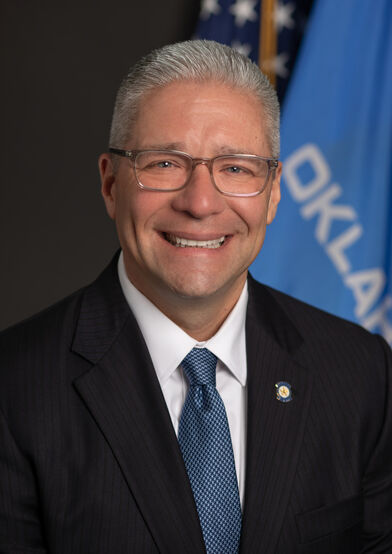
John Waldron
89% support rate
Top opponent
Lisa Standridge
12% support rate
Ranked legislators
10
5 support · 5 oppose
Key legislators

Who's moving corrections in Oklahoma

Legislators moving corrections in Oklahoma
Legislator Party Stance Support rate Votes
John Waldron
John Waldron House · District 77
D
Strong +
89% 19
Michael Brooks
Michael Brooks Senate · District 44
D
Strong +
88% 51
Regina Goodwin
Regina Goodwin Senate · District 11
D
Strong +
87% 45
Michelle McCane
Michelle McCane House · District 72
D
Strong +
86% 22
Nikki Nice
Nikki Nice Senate · District 48
D
Strong +
85% 27
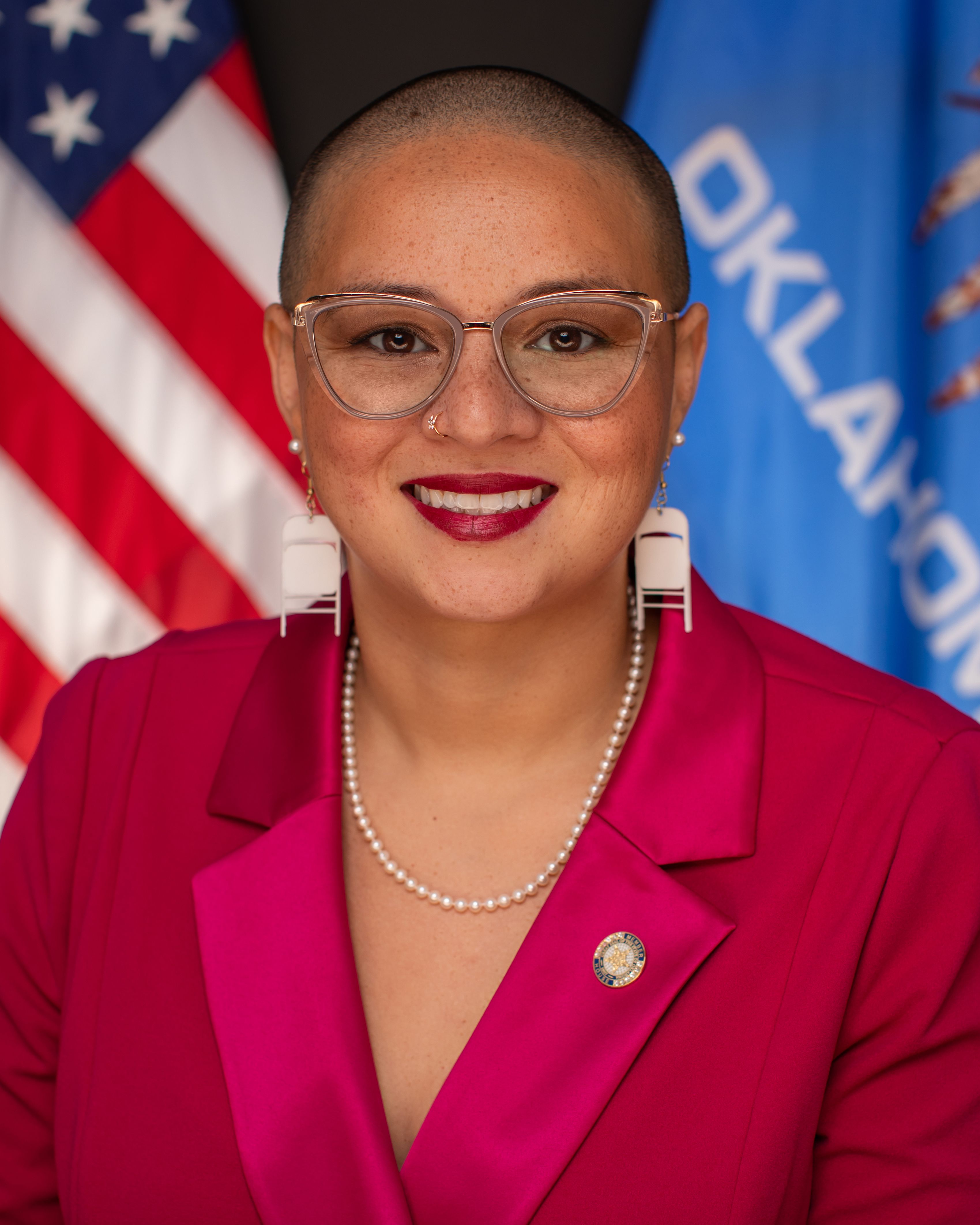
Lisa Standridge
Lisa Standridge Senate · District 15
R
Strong −
12% 32
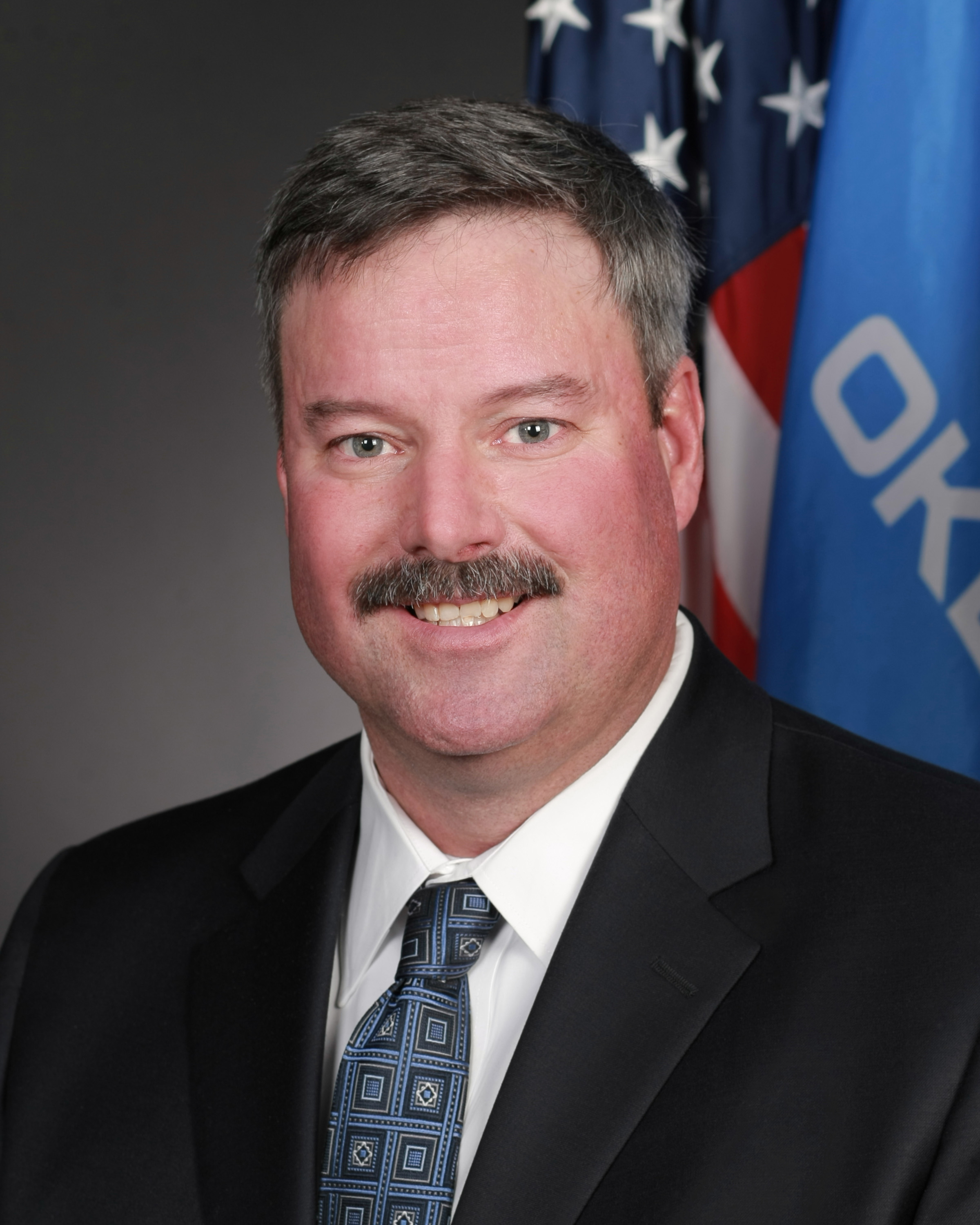
Casey Murdock
Casey Murdock Senate · District 27
R
Strong −
14% 43
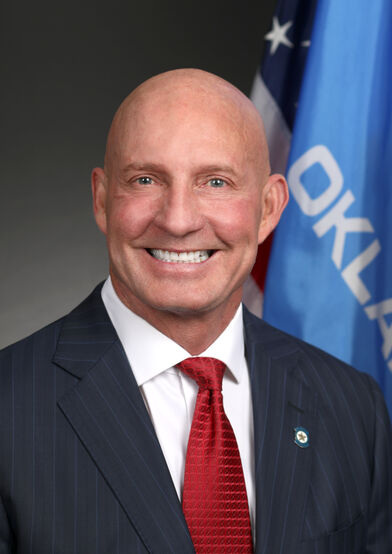
Darrell Weaver
Darrell Weaver Senate · District 24
R
Strong −
14% 43
Jay Steagall
Jay Steagall House · District 43
R
Strong −
14% 14
Shane Jett
Shane Jett Senate · District 17
R
Strong −
15% 27
Showing 51–60 of 124 bills

All criminal justice bills

in committee · Oklahoma · Senate Feb 17, 2026

SB 1244: Pardons and paroles; modifying criteria for certain parole of elderly individuals. Effective date.

SB 1244 modifies Oklahoma's parole rules for inmates aged 60 or older by requiring the Pardon and Parole Board to grant parole to eligible individuals who have served either 10 years or one-third of their sentence (whichever is shorter), provided they pose minimal public safety risks. The bill mandates that the Board use a risk-assessment tool including health status when evaluating these inmates and requires parole hearings for eligible aging inmates. It updates statutory language to define "aging inmate" as 60+ years old and specifies that the Board must consider health factors in risk assessments. The law takes effect November 1, 2026.
Sub-Topics Corrections Probation & Parole Tags Seniors
passed · Oklahoma · House Apr 17, 2025

HB 1861: Crimes and punishments; providing statutory reference for prostitution-related offense; effective date.

HB 1861 amends Oklahoma's prostitution-related offense penalties in Section 1031 of the statutes. It creates a new felony charge for engaging in prostitution while knowingly infected with HIV (Section B), increases penalties for child prostitution (Section C), and escalates violations near schools/churches to felony status with fines up to $7,500 and up to 5 years in prison (Section D). The bill directly affects individuals committing these specific prostitution-related offenses under the defined circumstances. It takes effect November 1, 2025.
Sub-Topics Corrections
died · Oklahoma · Senate Feb 19, 2025

SB 887: Inmates; creating the Secure Pre-Integration Pilot Program. Effective date.

SB 887 proposes a 5-year pilot program called the "Secure Pre-Integration Pilot Program" for non-violent offenders in Oklahoma prisons, aiming to reduce prison populations and state costs. The program would require the Department of Corrections to release eligible inmates to family members or community organizations (like churches or nonprofits), which would monitor them and report to the state. Inmates remain under state custody, and the program explicitly does not replace probation or parole. A dedicated revolving fund would cover program costs, including up to 5% for administrative expenses, but the bill failed committee review in February 2025 and has not become law.
in committee · Oklahoma · House Feb 4, 2025

HB 1724: Abortion pills; Prevention of Maternal Harm Act of 2025; coerced abortion; imprisonment; fines; Schedule IV; mifepristone and misoprostol; effective date.

HB 1724, the "Prevention of Maternal Harm Act of 2025," criminalizes administering abortion-inducing drugs (mifepristone and misoprostol) without a pregnant person’s consent. It imposes penalties of 5-20 years in prison and fines up to $100,000 for "coerced criminal abortion by means of fraud," with harsher sentences if the pregnancy exceeds three months. The bill also redesignates mifepristone and misoprostol as Schedule IV controlled substances under Oklahoma law, treating them like other restricted medications. This directly affects healthcare providers, caregivers, or others who administer these drugs without consent, making non-consensual use a felony. The law takes effect November 1, 2025.
in committee · Oklahoma · House Feb 4, 2025

HB 2200: Crimes and punishments; increasing and deleting certain penalties; effective date.

HB 2200 increases penalties for stealing or interfering with mail in Oklahoma. It makes unauthorized possession, destruction, or taking of mail (from mailboxes, delivery vehicles, or premises) punishable as a misdemeanor (up to 2 years in jail or $5,000 fine) or, for three or more offenses within 60 days, a felony (2-5 years in prison or $5,000 fine). The bill requires convicted individuals to pay restitution to victims as specified in Oklahoma law. This directly affects people who steal or tamper with mail, including postal items, packages, or delivery vehicles.
signed · Oklahoma · House May 27, 2025

HB 2235: Wrongful convictions; increasing liability amount for claims of wrongful incarceration; codification.

HB 2235 creates a new automatic process for sealing eligible arrest records in Oklahoma, directly affecting individuals with clean-slate eligible arrests (e.g., dismissed cases or non-convictions). It requires the Oklahoma State Bureau of Investigation to monthly identify eligible records, notify law enforcement and prosecutors, and automatically seal records after 45 days if no objections are raised (e.g., for unpaid restitution or ongoing criminal activity). The bill mandates annual reports to the legislature on non-sealed cases and prohibits employers/educators from requiring disclosure of sealed records. This focuses on expungement procedures, not compensation for wrongful convictions, as clarified by the codified process in the bill text.
signed · Oklahoma · House May 15, 2025

HB 1993: Crimes and punishments; clarifying scope of certain unlawful act; effective date.

HB 1993 clarifies and strengthens penalties for drivers who elude law enforcement officers in Oklahoma. It defines specific misdemeanor penalties for willfully increasing speed, extinguishing lights, or otherwise attempting to evade officers, with higher fines for repeat offenses. The bill escalates penalties to felony charges if the eluding endangers others or causes "great bodily injury" (serious injury creating substantial risk of death or permanent disfigurement), imposing prison terms of 1-5 years and fines up to $5,000. This law, effective November 1, 2025, directly affects drivers who attempt to flee police vehicles.
signed · Oklahoma · Senate May 5, 2025

SB 369: Assault and battery; modifying scope of certain unlawful act. Effective date.

SB 369 expands the definition of aggravated assault and battery against law enforcement officers in Oklahoma. It specifically includes attempts to gain control of an officer's firearm or strangulation as qualifying offenses. The law applies to police officers, sheriffs, deputies, highway patrol officers, corrections personnel, and state/federal peace officers enforcing state laws while on duty. This change makes those specific acts punishable as a felony with penalties including up to life in prison or a $5,000 fine. The bill was approved by the governor on May 3, 2025, and is now in effect.
in committee · Oklahoma · House Feb 4, 2025

HB 1148: Whistleblower protection; public policy; criminal punishment; fine; civil cause of action; effective date.

HB 1148 strengthens whistleblower protections in Oklahoma by prohibiting retaliation against employees who report wrongdoing by state agencies, public entities, or private employers with supervisory roles. It makes retaliation - such as termination, demotion, or intimidation - a misdemeanor punishable by up to one year in jail, a $5,000 fine, and civil liability for economic, emotional, and mental harm, including punitive damages. Whistleblowers who successfully sue under this law are entitled to attorney fees and court costs, and violators are barred from holding public office or employment. The law takes effect November 1, 2025.
Sub-Topics Corrections Courts
in committee · Oklahoma · Senate Mar 2, 2026

SB 601: Death penalty; creating the Death Penalty Moratorium Act; staying the execution of judgments in all death penalty cases; creating Death Penalty Reform Task Force. Emergency.

SB 601 creates an immediate moratorium on all death penalty executions in Oklahoma, halting current and future executions, vacating existing execution dates, and suspending all death penalty statutes until the law is repealed. It directly affects all individuals currently sentenced to death in Oklahoma, as well as courts and the Department of Corrections. The bill also establishes a Death Penalty Reform Task Force to study progress on implementing prior recommendations, requiring a final report by November 2026. The moratorium remains in effect until the legislature repeals the law, after which death penalty statutes would resume.
Sub-Topics Corrections
Showing 51 to 60 of 124 bills
Previous 1 5 6 7 13 Next