Issue · Criminal Justice

Criminal Justice (Probation & Parole)

Every criminal justice bill, vote, and legislator stance in Oklahoma, automatically classified by Maddy, our AI policy reader.

Total bills
47
2026 Regular Session
Top supporter
Annie Menz
100% support rate
Top opponent
Jay Steagall
0% support rate
Ranked legislators
10
5 support · 5 oppose
Key legislators

Who's moving probation & parole in Oklahoma

Legislators moving probation & parole in Oklahoma
Legislator Party Stance Support rate Votes
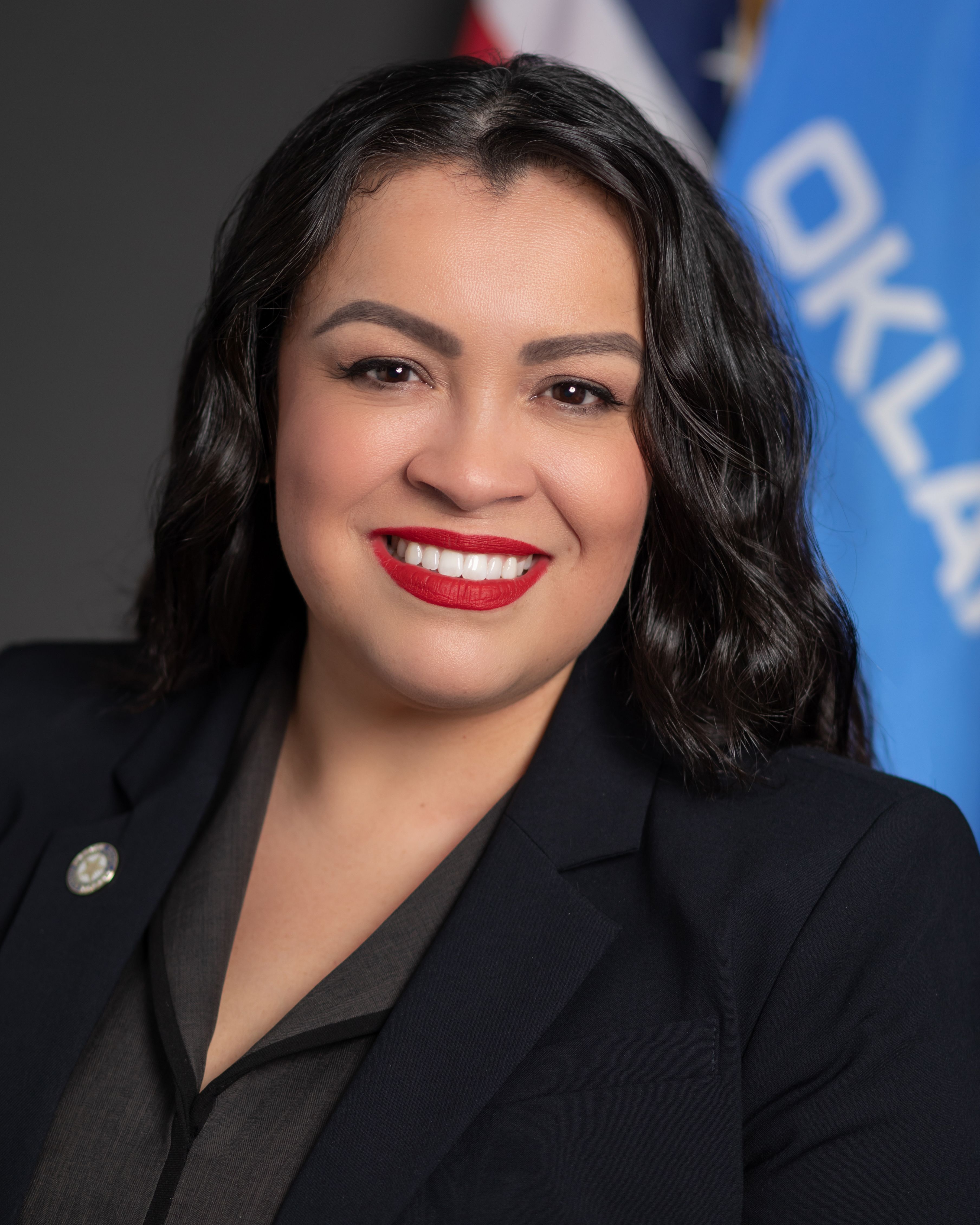
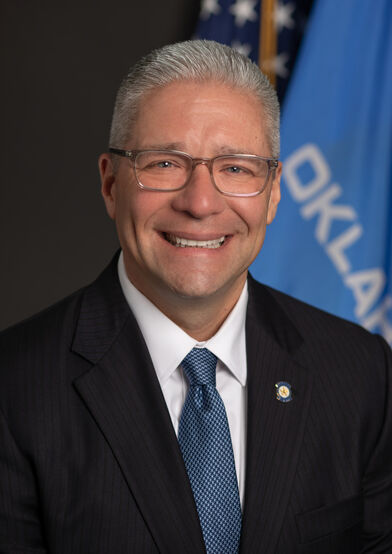
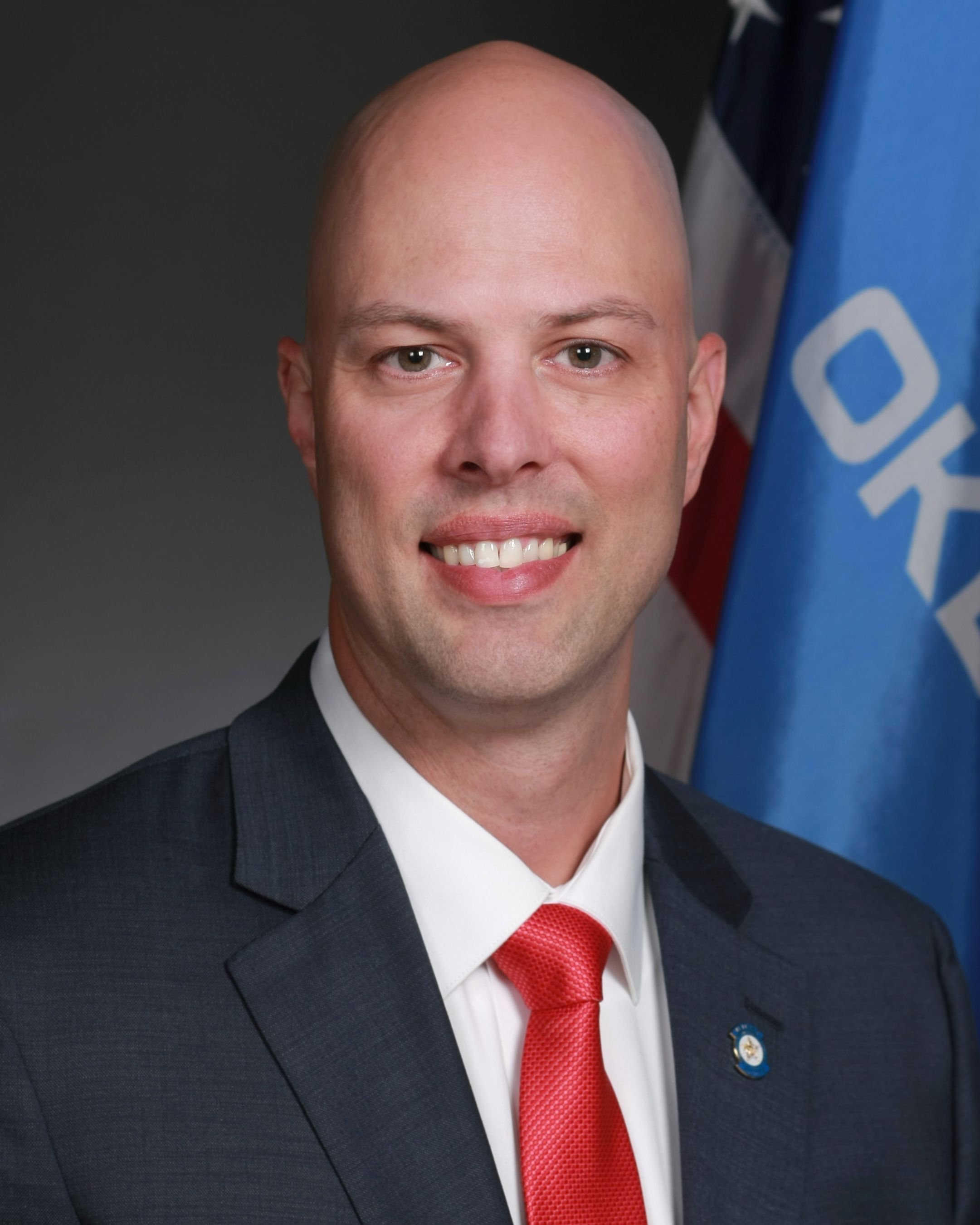
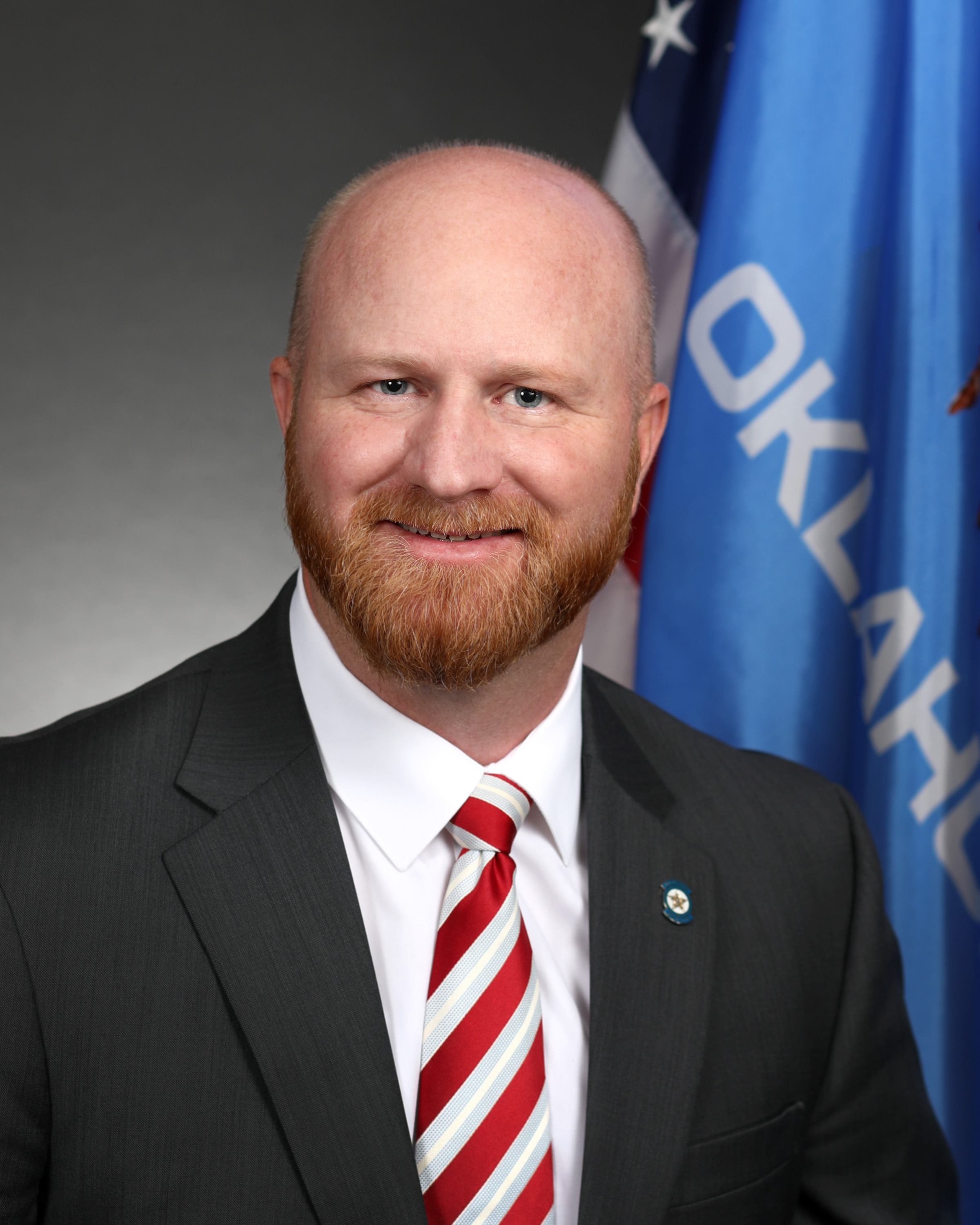
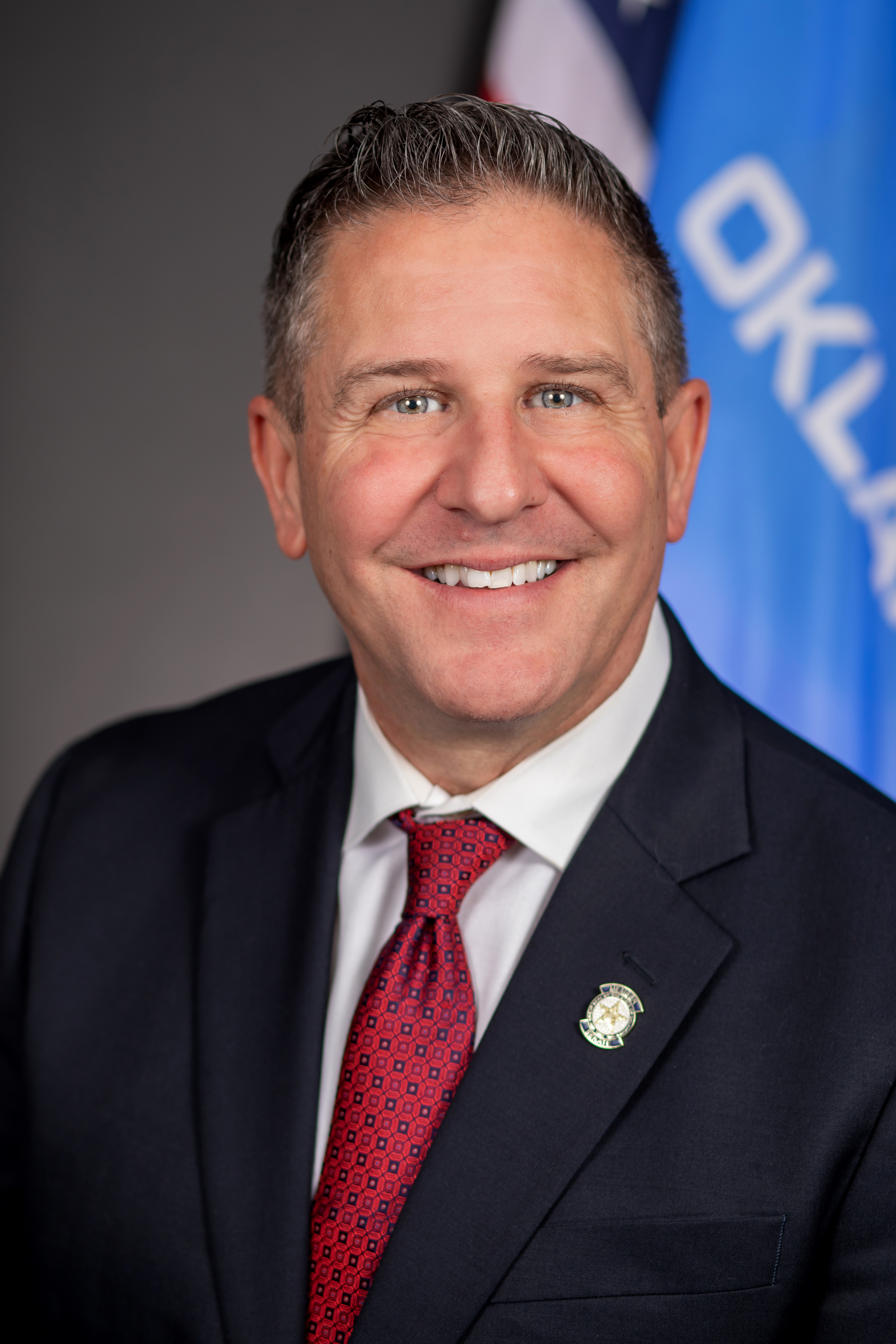
Annie Menz
Annie Menz House · District 45
D
Strong +
100% 6
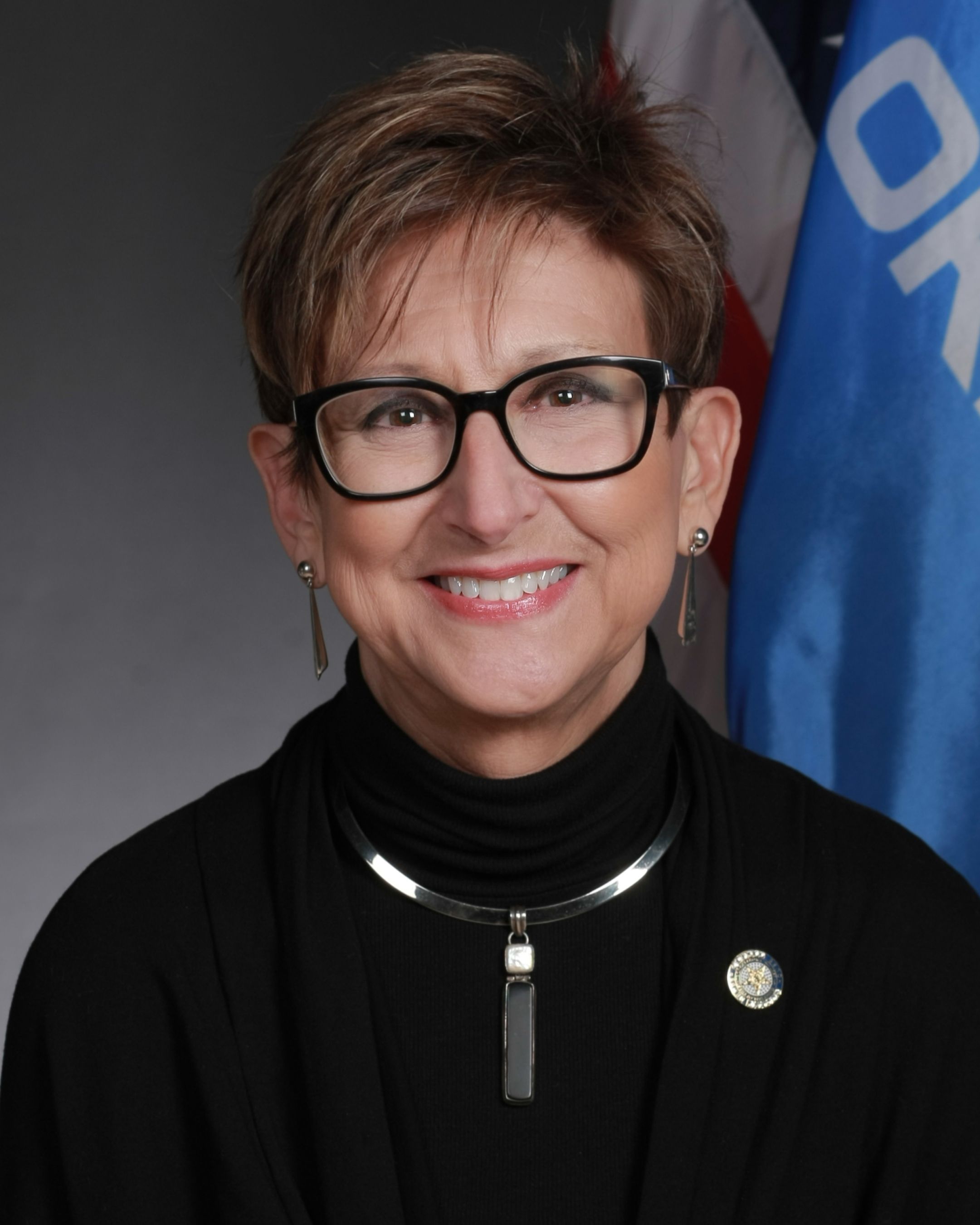
Meloyde Blancett
Meloyde Blancett House · District 78
D
Strong +
100% 6
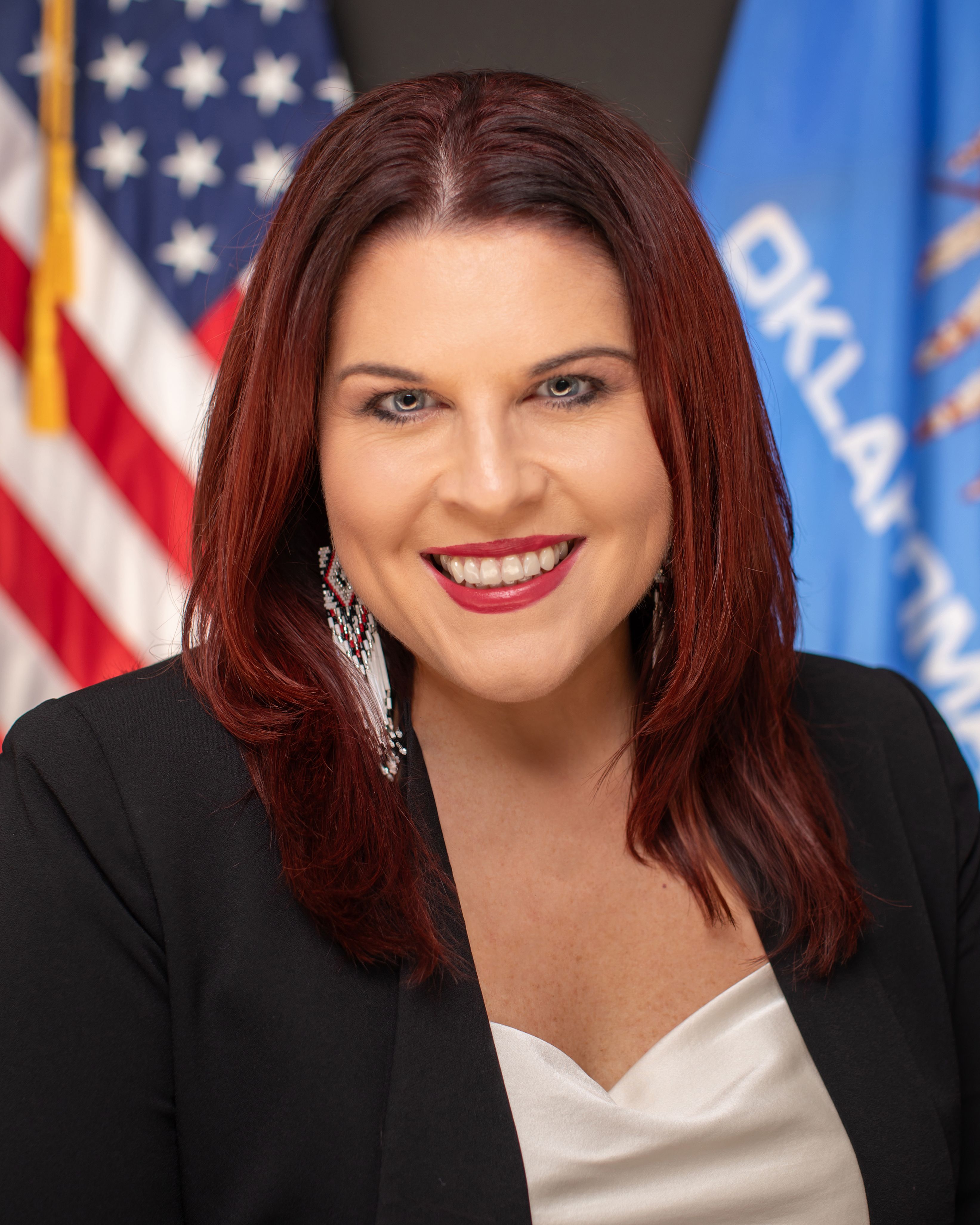
Amanda Clinton
Amanda Clinton House · District 71
D
Strong +
100% 5
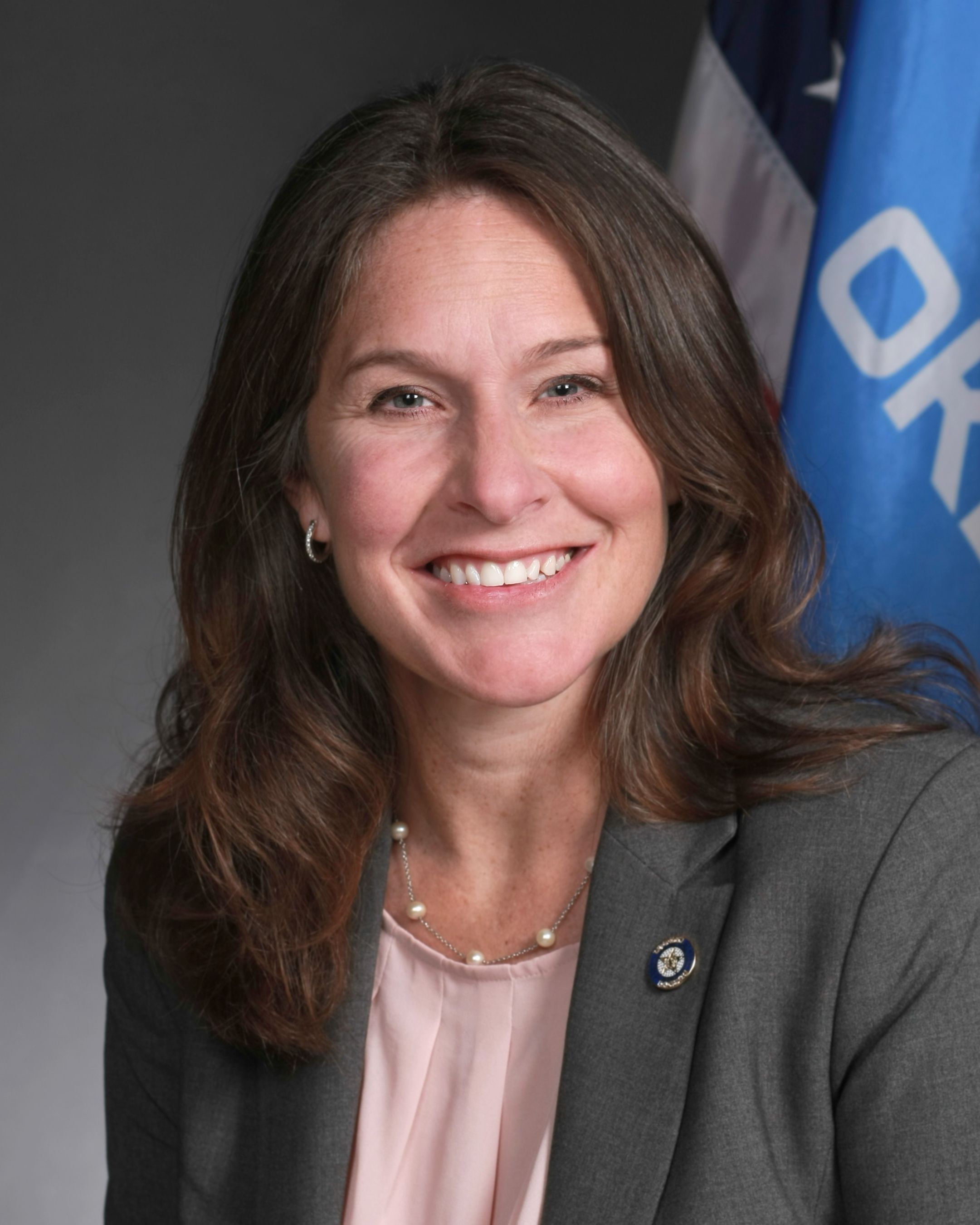
Melissa Provenzano
Melissa Provenzano House · District 79
D
Strong +
88% 8
Michael Brooks
Michael Brooks Senate · District 44
D
Strong +
87% 15
Jay Steagall
Jay Steagall House · District 43
R
Strong −
0% 5
Dusty Deevers
Dusty Deevers Senate · District 32
R
Strong −
0% 4
Brent Howard
Brent Howard Senate · District 38
R
Strong −
10% 10
Todd Gollihare
Todd Gollihare Senate · District 12
R
Strong −
10% 10
Paul Rosino
Paul Rosino Senate · District 45
R
Strong −
11% 9
Showing 41–47 of 47 bills

All criminal justice bills

signed · Oklahoma · House May 8, 2025

HB 2376: Criminal procedure; directing the District Attorneys Council to annually provide list of early termination applications; effective date.

HB 2376 requires Oklahoma's District Attorneys Council to annually provide a report to the Governor, Senate President, and House Speaker by November 30 each year. The report must include all applications for early termination of suspended sentences (under specific eligibility rules) and copies of any objections or responses from district attorneys. This applies to individuals with suspended sentences exceeding five years who meet probation and rehabilitation requirements, or who qualify for an earlier review through education, certification, or consistent employment. The bill creates a transparent reporting mechanism to track these requests and objections, without altering the existing early hearing eligibility criteria.
Sub-Topics Probation & Parole
died · Oklahoma · Senate Feb 16, 2026

SB 1260: Pardons and paroles; prohibiting parole eligibility and earning of credits for persons convicted of certain offenses. Effective date.

SB 1260 mandates that individuals convicted of specific serious offenses - including first-degree murder, child sexual abuse, human trafficking, and certain violent crimes - must serve at least 85% of their prison sentence before becoming eligible for parole. The bill prohibits these individuals from earning credits (such as good behavior time) that could reduce their sentence below this 85% threshold. It directly affects inmates convicted of the listed offenses, which include crimes like child sex trafficking (per Section 1030), forcible sodomy (Section 888), and human trafficking (Section 748). The law repeals prior statutes that allowed for shorter parole eligibility periods for these offenses and updates related legal references.
in committee · Oklahoma · Senate Feb 13, 2025

SB 78: Crimes and punishments; modifying statutory references to certain offenses. Effective date.

SB 78 requires individuals convicted of 22 specific serious offenses - including first-degree murder, rape, child sex trafficking, human trafficking, and aggravated assault - to serve at least 85% of their prison sentence before becoming eligible for parole. This applies to all sentences imposed after the bill's effective date (November 1, 2025). The bill prohibits earned credits or other sentence reductions that would allow parole eligibility before completing 85% of the sentence. It updates statutory references and language in Oklahoma law related to these sentencing requirements.
signed · Oklahoma · House May 5, 2025

HB 1001: Crimes and punishments; Lauria and Ashley's Law; minimum prison sentences; effective date.

HB 1001, known as "Lauria and Ashley's Law," requires individuals convicted of 23 specific serious crimes - including murder, rape, child exploitation, trafficking, and certain violent assaults - to serve at least 85% of their prison sentence before becoming eligible for parole. It prohibits earned credits or other reductions that would shorten sentences below this 85% threshold. The law applies to all offenders convicted of these designated offenses and takes effect November 1, 2025. It was signed into law by the Governor on May 5, 2025.
in committee · Oklahoma · House Feb 4, 2025

HB 1307: Crimes and punishments; establishing penalty for certain persons convicted of murder in the first degree; effective date.

HB 1307 amends Oklahoma law to change penalties for first-degree murder convictions. It mandates the death penalty for foreign-born individuals convicted of first-degree murder who were in the U.S. without valid immigration documentation or violated their visa terms at the time of the crime, unless "overwhelming mitigating evidence" is presented. For all other first-degree murder convictions, the bill maintains the existing options of death, life without parole, or life imprisonment. The law takes effect November 1, 2025.
Sub-Topics Probation & Parole
in committee · Oklahoma · Senate Feb 4, 2025

SJR 14: Constitutional amendment; clarifying Pardon and Parole Board voting procedures.

This constitutional amendment (SJR 14) clarifies voting procedures for Oklahoma's Pardon and Parole Board, specifically addressing death penalty clemency cases. It states that a tie vote on clemency recommendations for death-row inmates does not deny clemency and establishes a system of seven alternate board members who can fill in when regular members are absent, recused, or unable to vote. Alternates must be appointed by the same authority as the absent member (Governor, Supreme Court Chief Justice, or Criminal Court Presiding Judge), have 180 days to review cases, and cannot recommend parole for individuals sentenced to death or life without parole. The amendment directly affects the Board's operations and individuals seeking clemency, particularly in capital punishment cases.
in committee · Oklahoma · Senate Feb 4, 2025

SB 728: Protection from Domestic Abuse Act; requiring court to order Global Positioning System monitoring of certain persons served with protective order. Effective date. Emergency.

SB 728 requires Oklahoma courts to order Global Positioning System (GPS) monitoring for individuals convicted of violating a protective order issued under the Protection from Domestic Abuse Act. This applies specifically to defendants who have been served with a protective order and later violate it, as determined by a court. The bill amends existing law to mandate this monitoring as a condition of sentencing or probation, alongside existing requirements for domestic abuse counseling. It does not change penalties for violations but adds GPS tracking as a new enforcement tool for court-ordered compliance.
Showing 41 to 47 of 47 bills
Previous 1 3 4 5