Issue · Criminal Justice

Criminal Justice (Domestic Violence)

Every criminal justice bill, vote, and legislator stance in Oklahoma, automatically classified by Maddy, our AI policy reader.

Total bills
48
2026 Regular Session
Top supporter
Rande Worthen
83% support rate
Top opponent
John Pfeiffer
0% support rate
Ranked legislators
10
5 support · 5 oppose
Key legislators

Who's moving domestic violence in Oklahoma

Legislators moving domestic violence in Oklahoma
Legislator Party Stance Support rate Votes
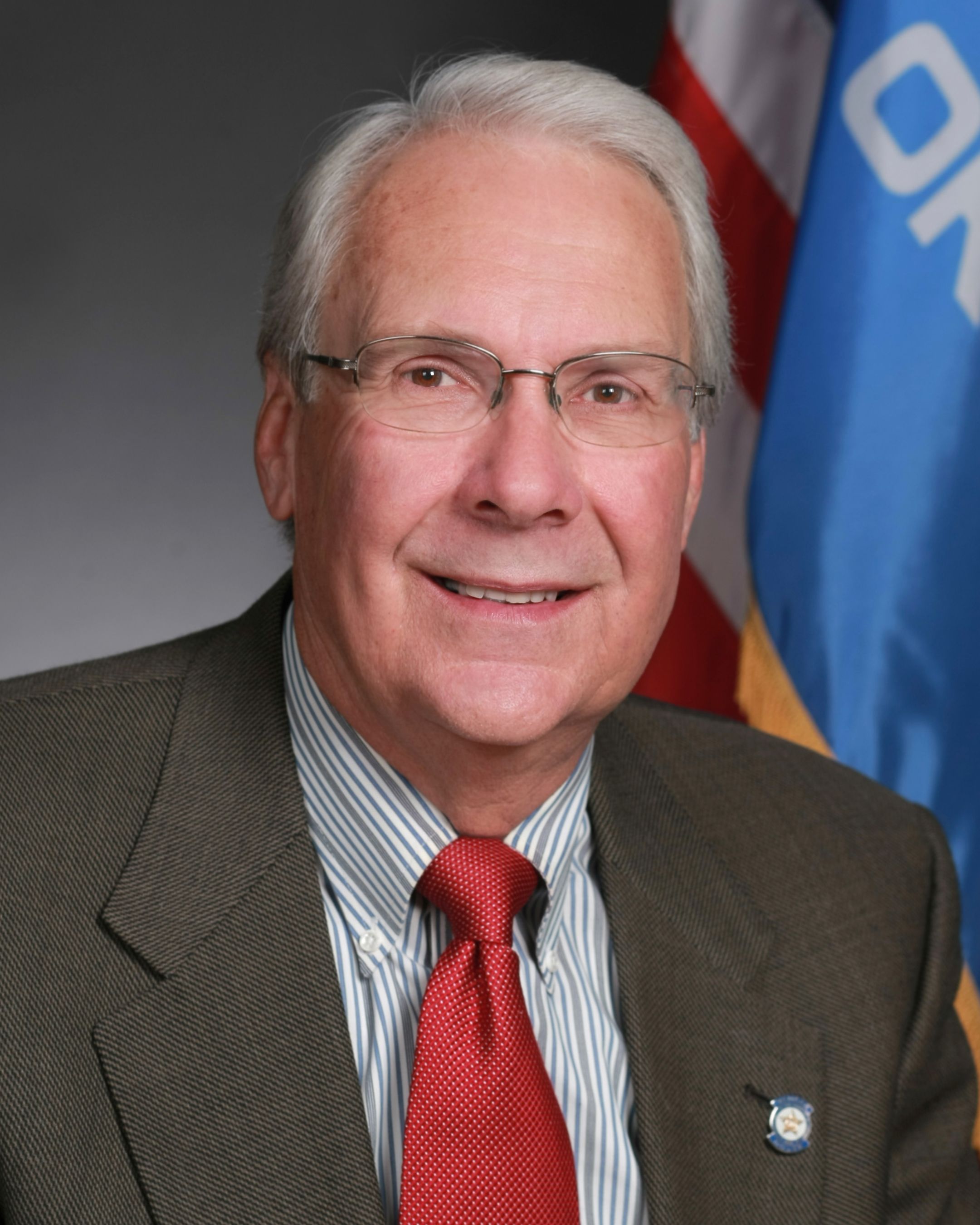
Rande Worthen
Rande Worthen House · District 64
R
Strong +
83% 6
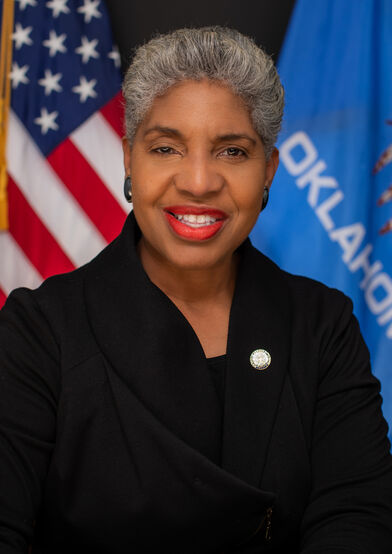
Regina Goodwin
Regina Goodwin Senate · District 11
D
Strong +
80% 5
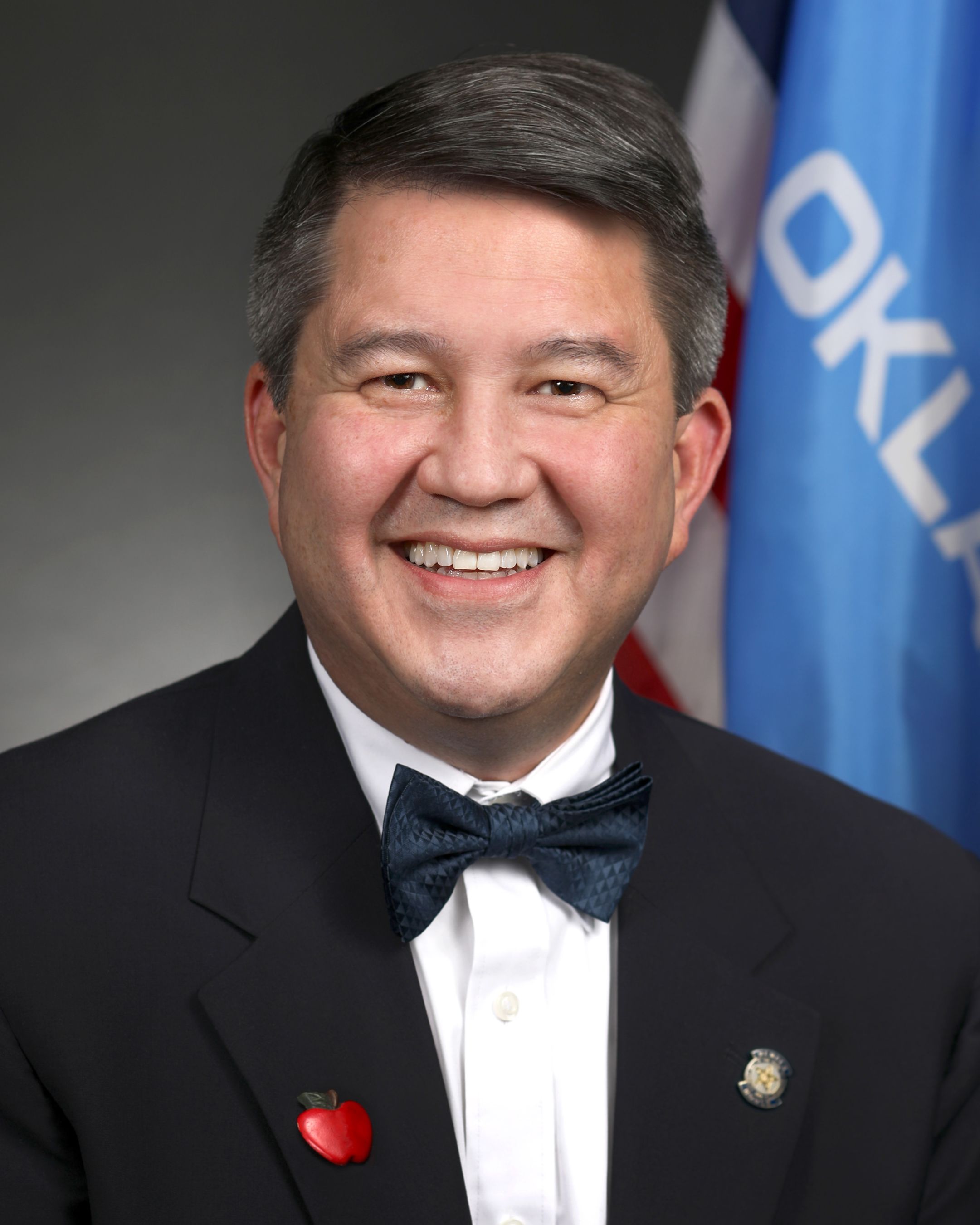
Andy Fugate
Andy Fugate House · District 94
D
Support
75% 4
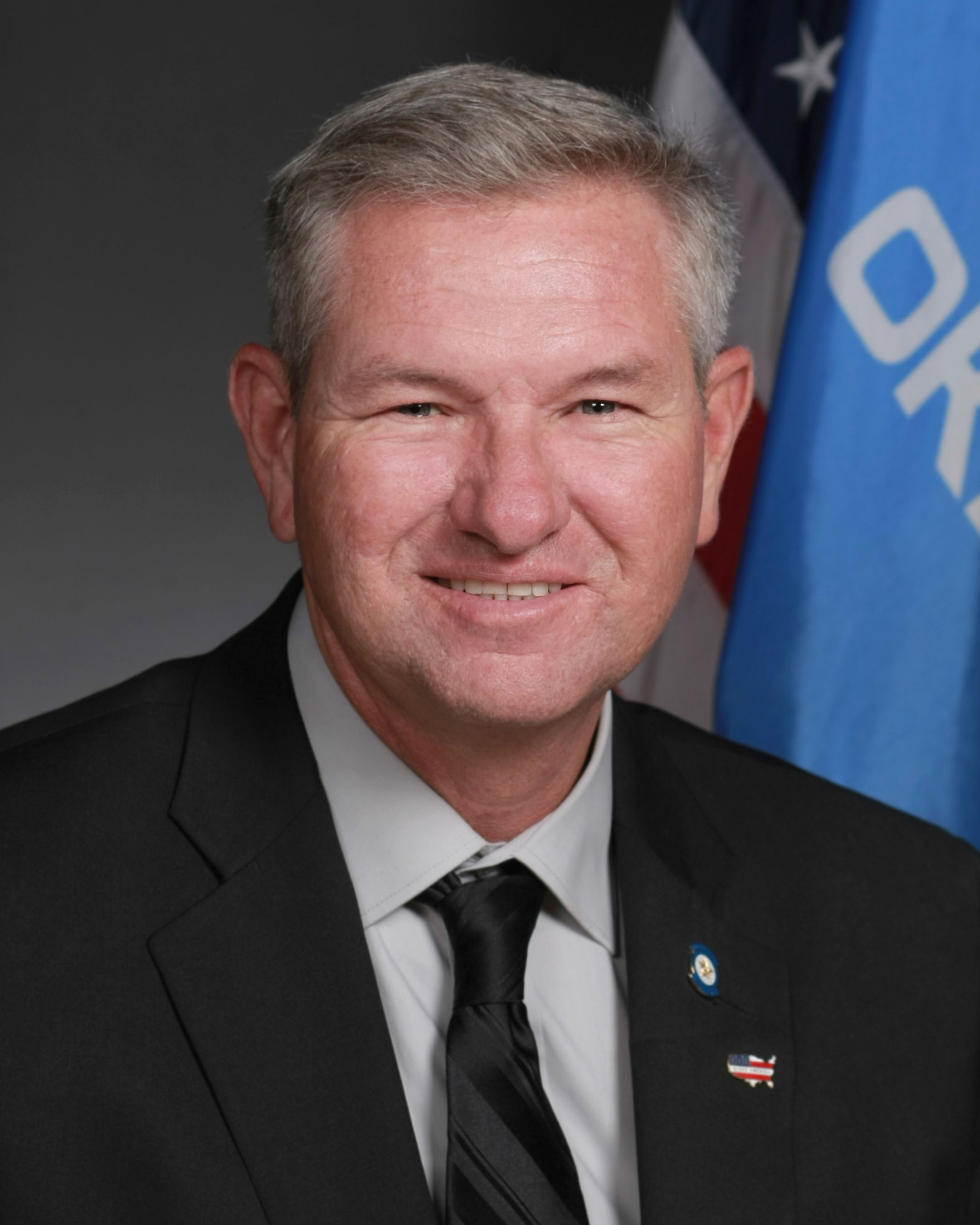
David Smith
David Smith House · District 18
R
Support
75% 4
Ellyn Hefner
Ellyn Hefner House · District 87
D
Support
75% 4
John Pfeiffer
John Pfeiffer House · District 38
R
Strong −
0% 3
Josh West
Josh West House · District 5
R
Strong −
0% 3
Anthony Moore
Anthony Moore House · District 57
R
Strong −
20% 5
Jonathan Wingard
Jonathan Wingard Senate · District 13
R
Strong −
20% 5
Spencer Kern
Spencer Kern Senate · District 31
R
Strong −
20% 5
Showing 41–48 of 48 bills

All criminal justice bills

signed · Oklahoma · Senate May 13, 2026

SB 1238: Assault and battery; modifying provisions of offense related to domestic abuse in presence of a child. Effective date.

SB 1238 amends Oklahoma law to elevate certain domestic abuse offenses to a more serious criminal classification (Class B5). Specifically, it adds "second or subsequent conviction for domestic abuse committed in the presence of a child" as a qualifying offense for Class B5, which carries harsher penalties than lower classifications. This change directly affects individuals convicted of repeat domestic violence offenses where children witnessed the abuse. The bill updates statutory references to reflect this modification but does not create new penalties or alter sentencing ranges.
in committee · Oklahoma · House Feb 4, 2025

HB 2058: Protective orders and fees; clarifying those authorized to seek relief under the Protection from Domestic Abuse Act; effective date.

HB 2058 clarifies who can seek protective orders under Oklahoma's Protection from Domestic Abuse Act, expanding eligibility to include victims of domestic abuse, stalking, harassment, rape, and other specified crimes, as well as minors or adults acting on behalf of household members. The bill prohibits charging filing fees, service fees, or attorney fees to the person seeking a protective order, regardless of whether the order is granted. It also adds provisions allowing courts to order defendants to make no contact with animals owned by the household and to issue emergency protective orders without requiring prior criminal complaints for certain victims. The bill modifies court fee structures for defendants convicted of crimes but focuses primarily on removing financial barriers for victims seeking protection.
in committee · Oklahoma · Senate Feb 4, 2025

SB 881: Crimes and punishments; authorizing certain petition under certain circumstances. Effective date.

SB 881 expands Oklahoma's Class B5 criminal offenses to include 36 specific violations, such as second or subsequent domestic violence convictions, assault on police officers, stalking, sex offender registration violations, and certain animal cruelty crimes. This change directly affects individuals convicted of these offenses, classifying them under a higher penalty tier. The bill also repeals outdated infectious disease statutes (Sections 1192 and 1192.1) and updates related record-keeping requirements. It does not create new sentencing mechanisms but reclassifies existing offenses to align with revised penalty structures.
in committee · Oklahoma · House Feb 4, 2025

HB 2924: Victim protective orders; directing peace officers to serve order and complete return of service when filing petition; effective date.

HB 2924 requires peace officers to immediately notify judges when victims request emergency protective orders for domestic violence, stalking, harassment, or related crimes, and to assist victims in completing petitions. Officers must make "every attempt" to serve the order on the defendant and file the petition with the court the next business day if service isn't possible, with clerks prioritizing service. The bill mandates 14-day hearing deadlines for emergency orders and specifies court clerks must document assigned hearing times. This affects victims of domestic violence and related crimes, as well as law enforcement and court staff handling protective order cases.
passed · Oklahoma · House Apr 15, 2025

HB 2735: Professions and occupations; license denial; exception; effective date.

HB 2735 modifies Oklahoma's licensing rules for professions by establishing clear criteria for denying licenses based on criminal history. It allows denial only if a conviction "substantially relates" to the job duties and "poses a reasonable threat" to public safety, requiring licensing boards to consider factors like offense severity, time passed, and rehabilitation evidence. The bill explicitly prohibits denial for sealed/expunged records, most convictions older than five years (except for domestic violence, sex offenses, or specific felonies), and vague "good character" claims. Applicants can request pre-licensing determinations about their criminal history within 60-90 days, and boards must provide written notice of denial reasons with appeal options. This directly affects individuals seeking state licenses who have criminal records.
Sub-Topics Domestic Violence Tags Licensing
signed · Oklahoma · House May 12, 2025

HB 1595: Crimes and punishments; assault and battery offenses; increasing penalties; effective date.

HB 1595 increases penalties for assault and battery offenses in Oklahoma, with specific enhancements for domestic violence cases. It raises jail terms for basic assault (to 90 days) and assault/battery (to 6 months), while creating felony charges for domestic abuse involving weapons (up to life imprisonment for deadly weapons) or against pregnant women (up to 20 years for injury to the fetus). The bill mandates 52-week certified batterers' intervention programs for domestic violence offenders convicted under these provisions, with strict attendance requirements, and requires courts to order counseling as a condition of probation. This directly affects individuals convicted of domestic violence against intimate partners or family members, as defined by Oklahoma law, and expands sentencing options for prosecutors. The law became effective May 12, 2025, after being signed without the Governor's signature.
in committee · Oklahoma · Senate Feb 4, 2025

SB 728: Protection from Domestic Abuse Act; requiring court to order Global Positioning System monitoring of certain persons served with protective order. Effective date. Emergency.

SB 728 requires Oklahoma courts to order Global Positioning System (GPS) monitoring for individuals convicted of violating a protective order issued under the Protection from Domestic Abuse Act. This applies specifically to defendants who have been served with a protective order and later violate it, as determined by a court. The bill amends existing law to mandate this monitoring as a condition of sentencing or probation, alongside existing requirements for domestic abuse counseling. It does not change penalties for violations but adds GPS tracking as a new enforcement tool for court-ordered compliance.
died · Oklahoma · House Feb 5, 2025

HB 2733: Criminal procedure; providing time limitation for bail hearings; effective date.

HB 2733 requires that defendants arrested in Oklahoma be brought before a magistrate or court for a bail hearing within 72 hours of arrest, replacing the previous standard of "without unnecessary delay." This applies to all arrests, directly affecting arrested individuals, law enforcement officers, and courts by establishing a concrete deadline for initial appearances. Key provisions include mandating release orders within 72 hours for those in custody and requiring courts to consider specific factors - such as domestic violence history, mental health, weapon access, or substance abuse - when setting bond conditions in certain cases. The bill does not change bond eligibility rules but adds time limits and detailed considerations for domestic violence, stalking, and drug-related offenses.
Showing 41 to 48 of 48 bills
Previous 1 3 4 5