Issue · Criminal Justice

Criminal Justice (Corrections)

Every criminal justice bill, vote, and legislator stance in Oklahoma, automatically classified by Maddy, our AI policy reader.

Total bills
124
2026 Regular Session
Top supporter
John Waldron
89% support rate
Top opponent
Lisa Standridge
12% support rate
Ranked legislators
10
5 support · 5 oppose
Key legislators

Who's moving corrections in Oklahoma

Legislators moving corrections in Oklahoma
Legislator Party Stance Support rate Votes
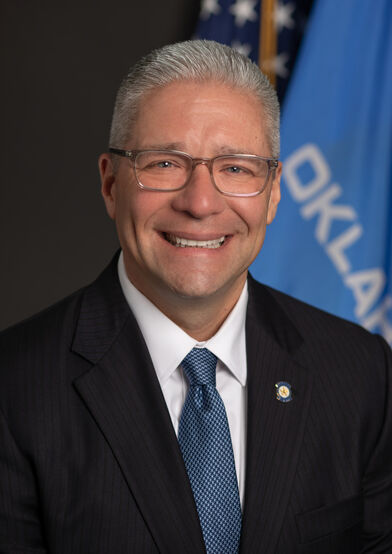
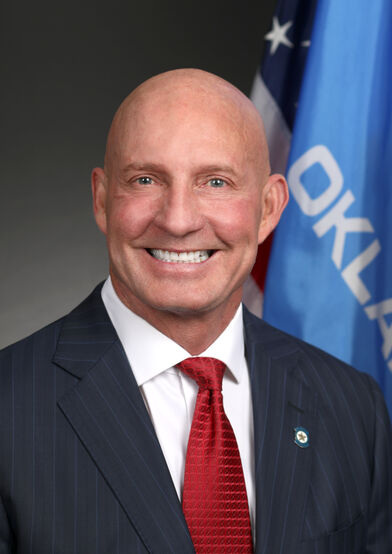
John Waldron
John Waldron House · District 77
D
Strong +
89% 19
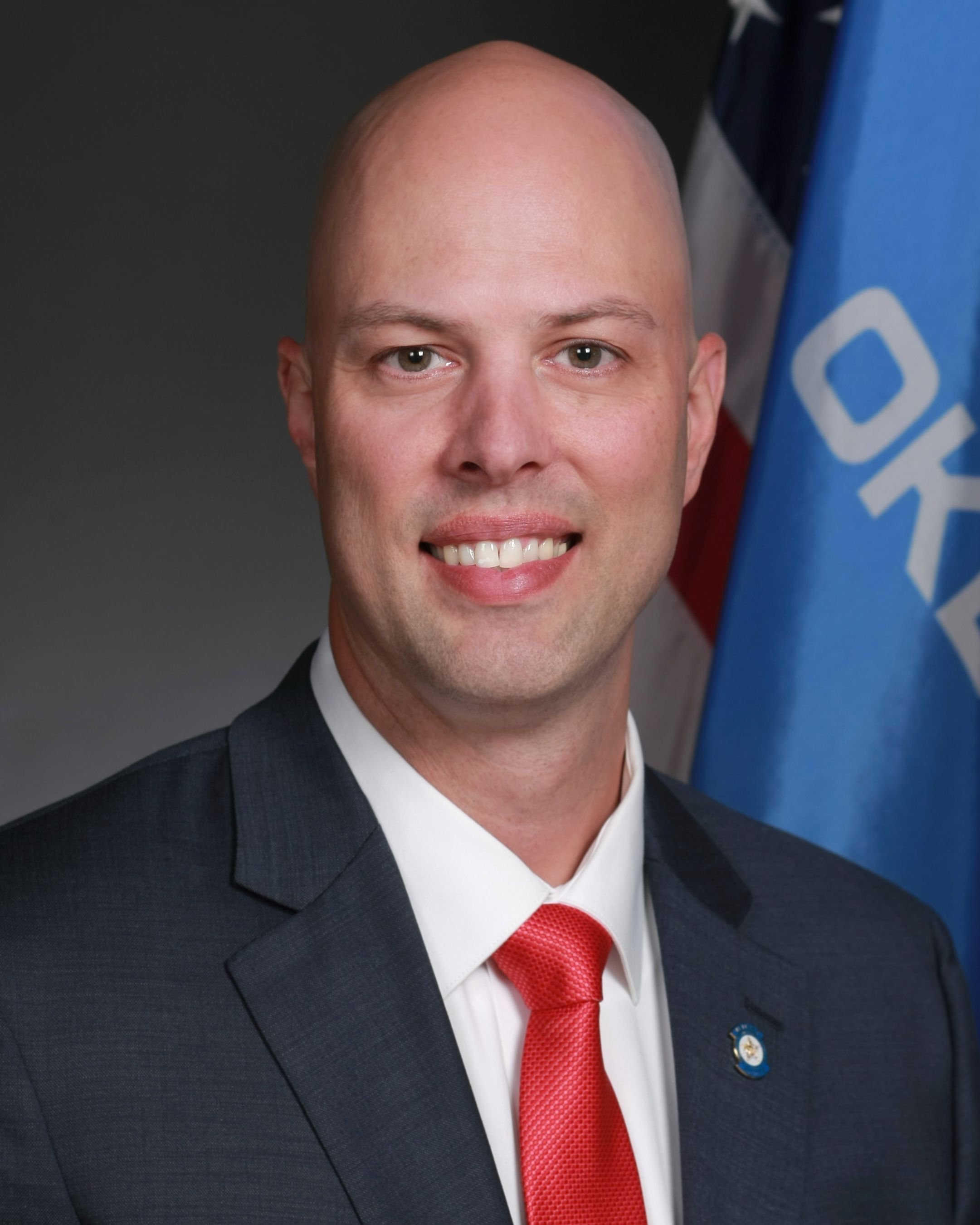
Michael Brooks
Michael Brooks Senate · District 44
D
Strong +
88% 51
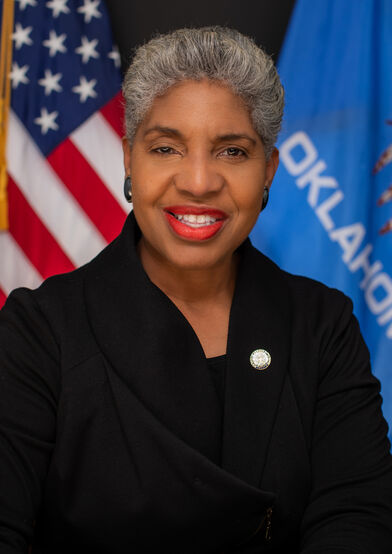
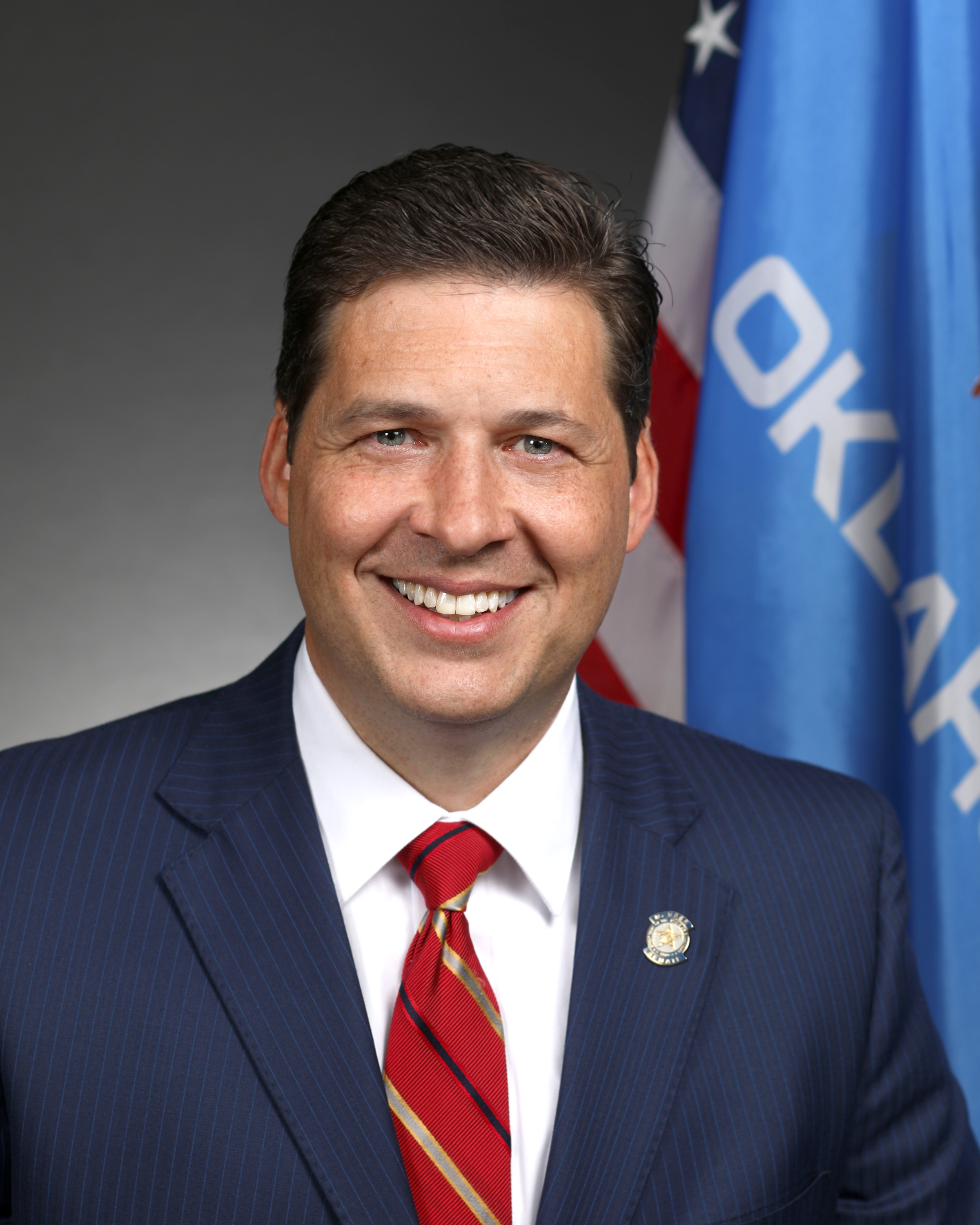
Regina Goodwin
Regina Goodwin Senate · District 11
D
Strong +
87% 45
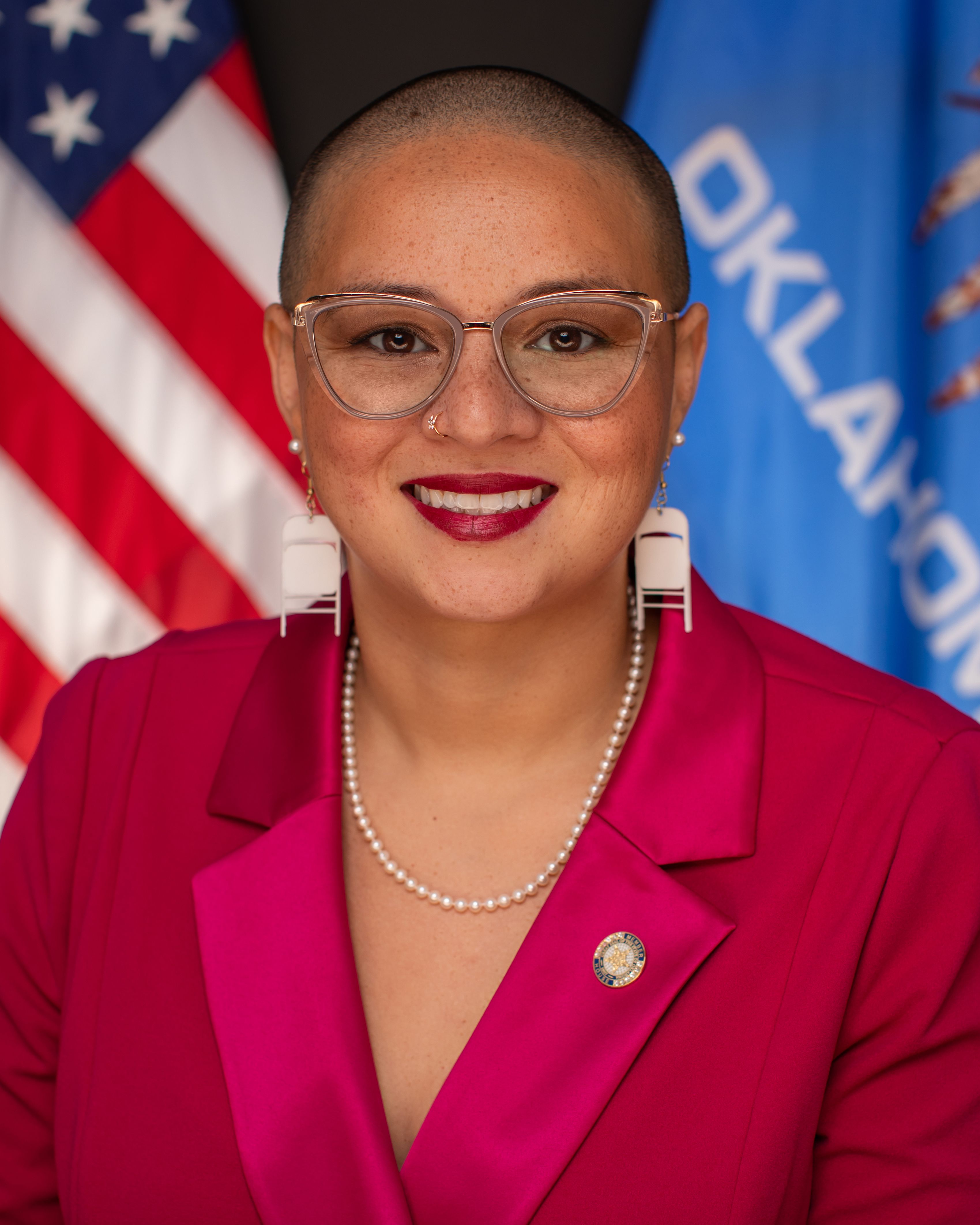
Michelle McCane
Michelle McCane House · District 72
D
Strong +
86% 22
Nikki Nice
Nikki Nice Senate · District 48
D
Strong +
85% 27
Lisa Standridge
Lisa Standridge Senate · District 15
R
Strong −
12% 32
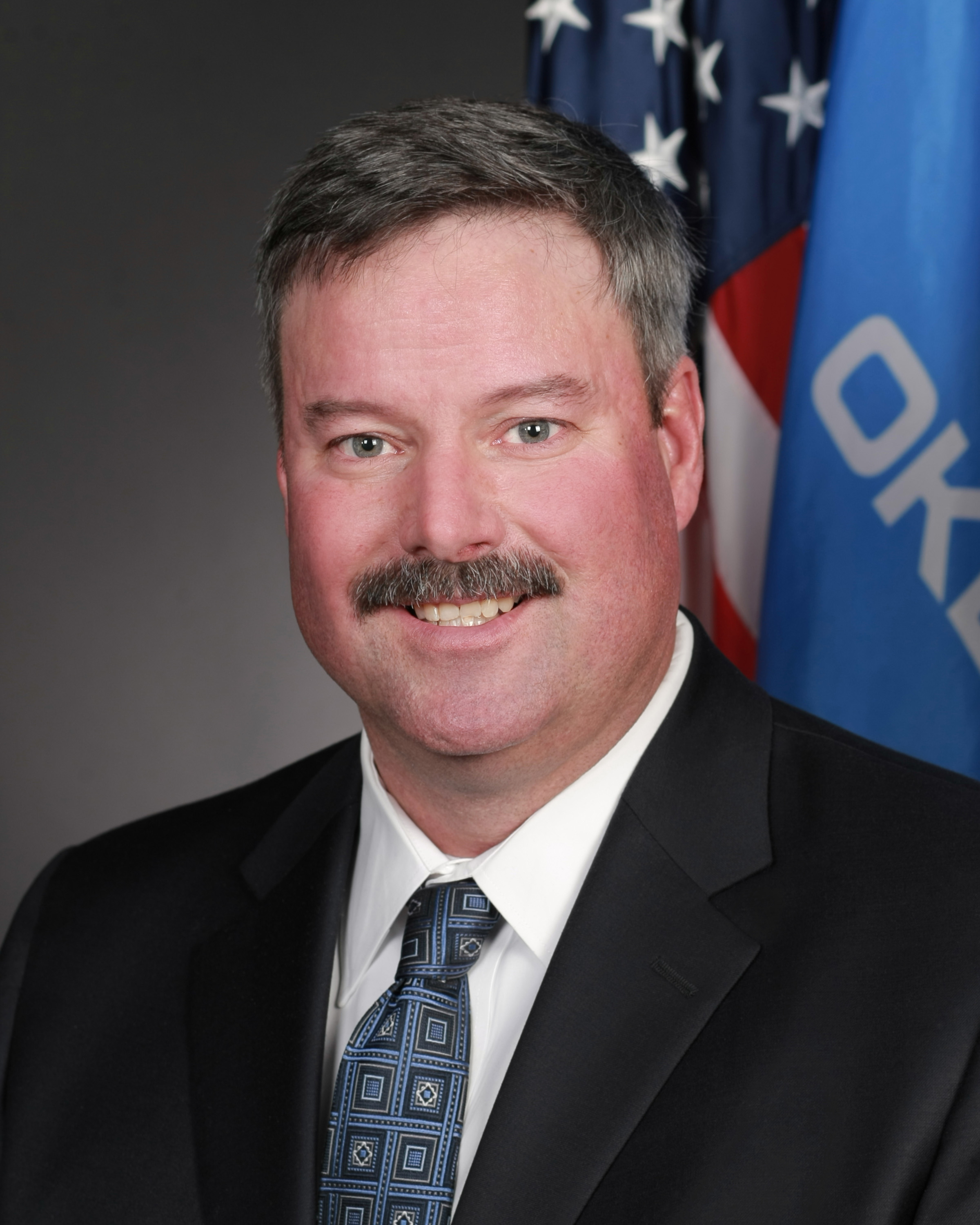
Casey Murdock
Casey Murdock Senate · District 27
R
Strong −
14% 43
Darrell Weaver
Darrell Weaver Senate · District 24
R
Strong −
14% 43
Jay Steagall
Jay Steagall House · District 43
R
Strong −
14% 14
Shane Jett
Shane Jett Senate · District 17
R
Strong −
15% 27
Showing 41–50 of 124 bills

All criminal justice bills

passed · Oklahoma · Senate Apr 20, 2026

SB 2062: Prisons and reformatories; authorizing certain self-reporting to a correctional facility; stating eligibility for certain reimbursement; prohibiting certain earned credit; requiring Department of Corrections to make certain contact. Effective date.

SB 2062 allows low-risk offenders to self-report directly to a correctional facility instead of being transported from county jail, bypassing initial detention and processing. It applies when a sentencing court determines an offender poses low public safety risk based on offense type, criminal history, and community ties. The bill eliminates transportation reimbursement for sheriffs or detention centers in these cases, as the Department of Corrections now handles arrival processing. The law takes effect November 1, 2026.
signed · Oklahoma · House May 11, 2026

HB 3678: Crimes and punishments; electronic communication devices; threaten; intimidate; harass; public officials; municipal officials; public school board members; effective date.

HB 3678 makes it a misdemeanor to use electronic devices (like social media or text messages) to publish personal details - such as names, addresses, or Social Security numbers - of protected individuals with the intent to threaten, intimidate, or harass them. It directly affects peace officers, public officials (including municipal and school board members), election officials, medical care providers, and crime victims. Violators face up to six months in jail or a $1,000 fine for a first offense, with harsher penalties for repeat violations. The law excludes medical care provider information unrelated to their professional duties and takes effect on November 1, 2026.
signed · Oklahoma · Senate May 29, 2025

SB 85: County jails; increasing reimbursement rate amount. Effective date.

SB 85 increases the daily reimbursement rate for Oklahoma counties housing state inmates from $27 to $32 per inmate. Counties that incur higher actual costs can request reimbursement for those costs by September 30, with the state either accepting the amount or having the State Auditor determine it if rejected. The bill also adds a 3% annual inflation adjustment to the base rate and specifies that reimbursements must cover jail operational expenses and personnel costs. This directly affects county governments managing jails under state incarceration agreements.
Sub-Topics Corrections
signed · Oklahoma · Senate May 12, 2026

SB 1325: Protection from Domestic Abuse Act; requiring defendants charged with certain domestic violence offenses to use a Global Positioning System (GPS) device when released on bond. Effective date.

SB 1325 requires courts to mandate GPS monitoring for defendants charged with specific domestic violence offenses - such as domestic abuse by strangulation, with a deadly weapon, or after a prior conviction - when released on bond. Defendants must pay all costs for the GPS device and monitoring, which the Oklahoma Department of Corrections will administer until the case concludes. Victims may also request limited location monitoring (e.g., alerts if the defendant nears specified locations, excluding their home or workplace), but only after a court finds evidence of the defendant’s intent to commit violence. The bill takes effect November 1, 2026, and GPS devices must be removed if the defendant is acquitted, incarcerated, or the case dismissed.
signed · Oklahoma · Senate May 6, 2026

SB 1255: Pardons and paroles; requiring medical director of the Department of Corrections to make certain request. Effective date.

SB 1255 requires Oklahoma's Department of Corrections medical director to certify qualifying medical conditions and request the Pardon and Parole Board to place eligible inmates on a special docket for compassionate parole consideration. It directly affects inmates with specific terminal or debilitating conditions like dementia, cancer, HIV/AIDS, or conditions causing near-death (six-month life expectancy), or those unable to perform basic self-care. The bill bypasses the standard two-step parole hearing process for these inmates and mandates that at least three Board members must concur to consider medical parole. The Board must document concurrence in meeting minutes, and parolees may face revocation if their medical condition poses public safety risks.
signed · Oklahoma · Senate May 7, 2025

SB 76: Parole; authorizing parole revocation by certain entity. Effective date.

SB 76 clarifies Oklahoma's parole revocation process by explicitly authorizing both the Governor and the Pardon and Parole Board to revoke parole for violations, rather than relying solely on the Department of Corrections. It requires parolees arrested for violations to be jailed immediately, halting parole time and earned credits until a revocation decision is made. The bill also creates a new option: parolees may be placed in specialized correctional programs (intermediate sanctions facilities) instead of facing full revocation for minor violations, at the Department's discretion. This law, effective November 1, 2025, directly affects people on parole in Oklahoma who violate terms, and the state agencies managing parole.
signed · Oklahoma · Senate May 12, 2025

SB 861: Crimes and punishments; gang-related offenses; modifying reference to certain offense. Effective date.

SB 861 amends Oklahoma law to clarify that individuals committing gang-related offenses - such as those listed in Section 856 of Title 21 - as a condition of gang membership or while associated with a gang face a mandatory 5-year prison term added to any other penalties. It updates statutory references to align with existing definitions of "criminal street gang" and "gang-related offense" from Section 856. The bill, effective November 1, 2025, directly affects criminal street gang members who commit specified offenses, reinforcing penalties for gang-associated criminal activity. It makes no new policy changes but corrects outdated references in current law.
Sub-Topics Corrections
in committee · Oklahoma · Senate Mar 6, 2025

SB 551: Crimes and punishment; modifying penalty provision related to child sexual abuse. Effective date.

SB 551 amends Oklahoma's penalties for child sexual abuse and exploitation, specifically increasing minimum sentences for offenses against children under 12. It sets a mandatory 25-year minimum prison term for perpetrators of child sexual abuse (Section F) or exploitation (Section I) involving children under 12, replacing previous sentencing ranges. The bill also requires mandatory post-prison supervision for certain convictions and expands the age range covered to include all children under 18. These changes directly affect individuals convicted of child sexual abuse/exploitation (including enablers like caregivers) and the state's sentencing framework. The law updates statutory language but does not alter defenses or exemptions like reasonable parental force.
Sub-Topics Corrections Sentencing
vetoed · Oklahoma · Senate May 29, 2025

SB 631: Crimes and punishments; expanding scope of acts that require service of minimum percentage of sentence. Effective date.

SB 631 requires offenders convicted of 23 specific serious crimes - including child pornography, human trafficking, aggravated assault on a defender, and discharging firearms into buildings - to serve at least 85% of their prison sentence before becoming eligible for parole. It expands the existing 85% service requirement to include these new offenses, which were previously not subject to this rule. The bill also prohibits earned credits or other reductions that would lower the required service below 85% for these convictions. This applies to anyone convicted of these offenses in Oklahoma, effective November 1, 2025.
in committee · Oklahoma · House Feb 26, 2025

HB 1008: Abortion; prohibition of abortion; definitions; prescribing standard based upon preservation of the life of a pregnant woman; emergency.

HB 1008 prohibits most abortions in Oklahoma except when necessary to preserve the life of a pregnant woman facing a medical emergency involving physical disorder, illness, or injury directly related to pregnancy. It defines "medical emergency" as conditions where abortion is required to save the woman's life, and imposes penalties of up to $100,000 or 10 years in prison for violations. The bill explicitly states it does not criminalize women for pregnancy outcomes and preserves access to contraceptives when used before pregnancy detection. The law takes immediate effect as an emergency measure upon passage.
Showing 41 to 50 of 124 bills
Previous 1 4 5 6 13 Next