Issue · Criminal Justice

Criminal Justice

Every criminal justice bill, vote, and legislator stance in Oklahoma, automatically classified by Maddy, our AI policy reader.

Total bills
448
2026 Regular Session
Top supporter
Aletia Timmons
76% support rate
Top opponent
Brian Guthrie
24% support rate
Ranked legislators
10
5 support · 5 oppose
Key legislators

Who's moving criminal justice in Oklahoma

Legislators moving criminal justice in Oklahoma
Legislator Party Stance Support rate Votes
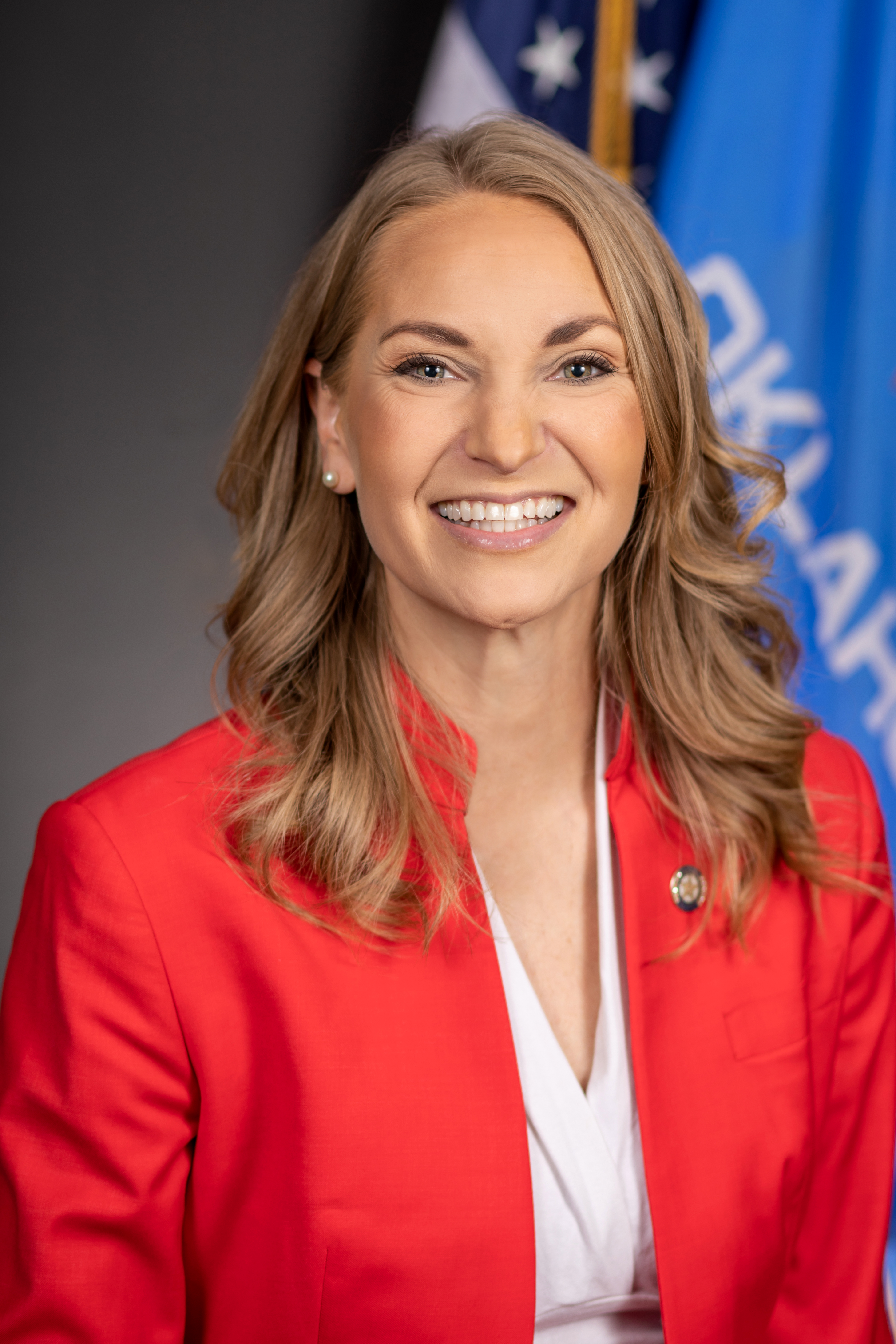
Aletia Timmons
Aletia Timmons House · District 97
D
Support
76% 91
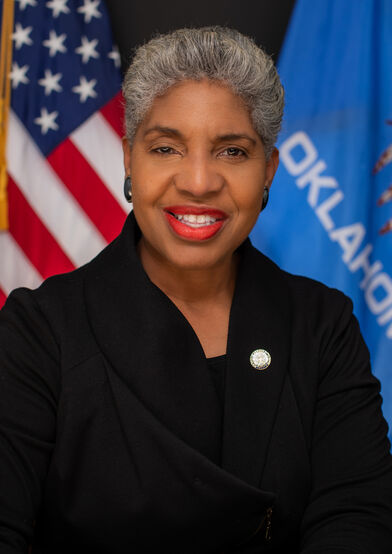
Regina Goodwin
Regina Goodwin Senate · District 11
D
Support
73% 225
Michael Brooks
Michael Brooks Senate · District 44
D
Support
72% 274
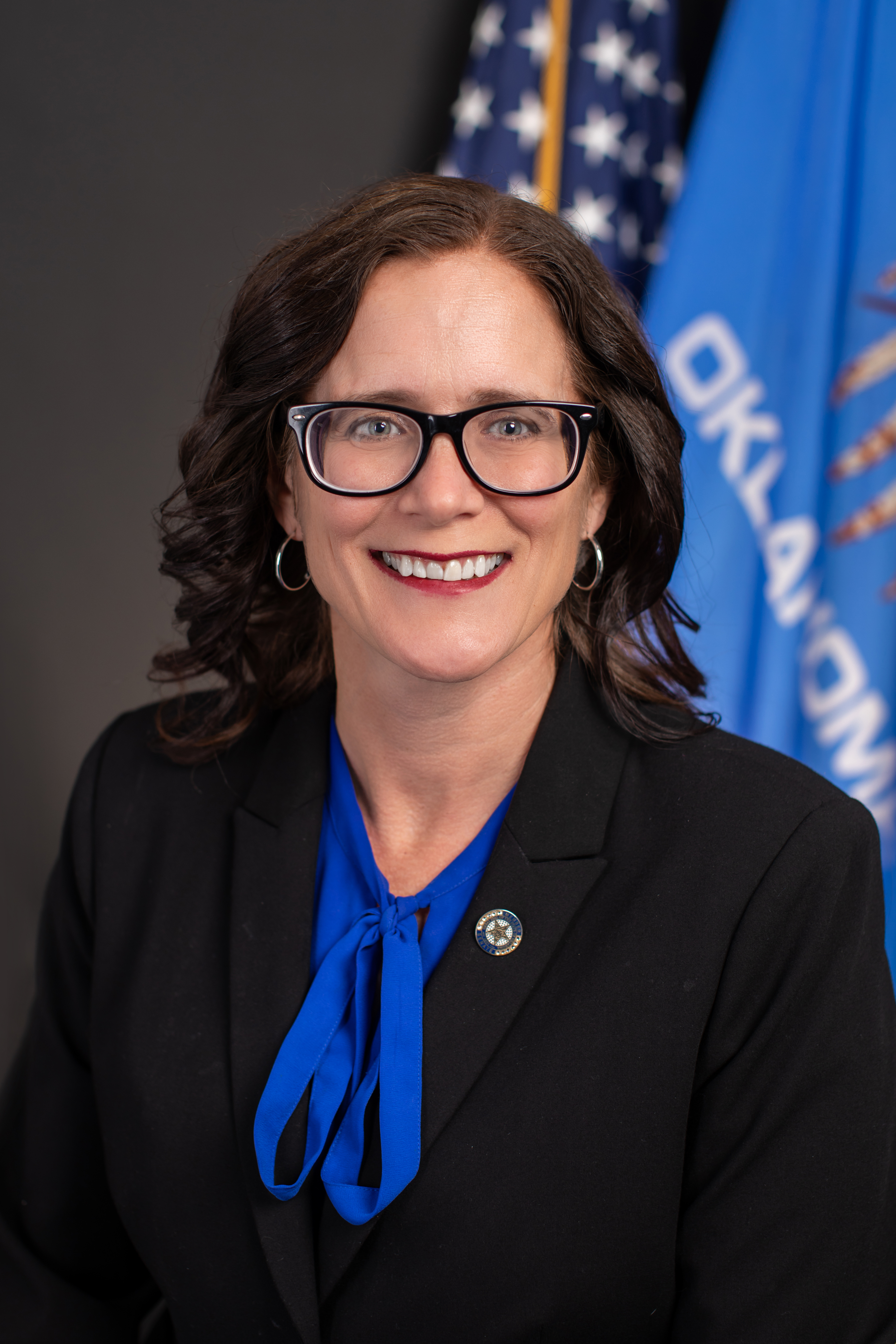
Carri Hicks
Carri Hicks Senate · District 40
D
Support
71% 184
Julia Kirt
Julia Kirt Senate · District 30
D
Support
70% 174
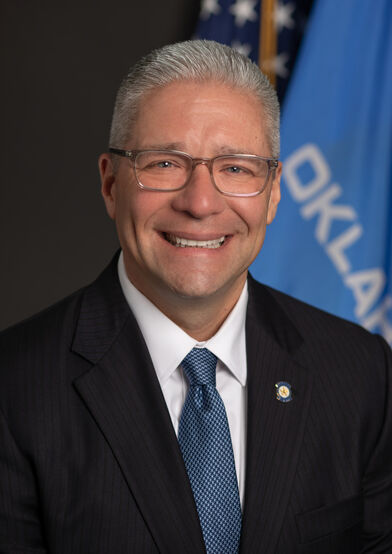
Brian Guthrie
Brian Guthrie Senate · District 25
R
Oppose
24% 158
Lisa Standridge
Lisa Standridge Senate · District 15
R
Oppose
26% 220
Jay Steagall
Jay Steagall House · District 43
R
Oppose
27% 149
Julie McIntosh
Julie McIntosh Senate · District 3
R
Oppose
28% 164
Dusty Deevers
Dusty Deevers Senate · District 32
R
Oppose
28% 156
Showing 41–50 of 448 bills

All criminal justice bills

signed · Oklahoma · House May 12, 2026

HB 4104: Crimes and punishment; Class B5 offenses; adding offenses; loitering; felony offenses; Sex Offenders Registration Act; adding offenses for registration; effective date.

HB 4104 expands Oklahoma's sex offender registration requirements by adding 38 new offenses to the list that trigger mandatory registration. It amends Oklahoma Statutes to require registration for convictions involving second or subsequent domestic violence offenses, stalking, certain animal cruelty, specific violations of the Sex Offenders Registration Act (like failing to register), and other specified crimes. This affects individuals convicted of any of these newly designated offenses, including repeat domestic abuse, stalking, or offenses related to non-compliance with registration rules. The bill takes effect January 1, 2026, and does not address loitering as implied by its title.
Sub-Topics Domestic Violence
in committee · Oklahoma · Senate Feb 3, 2026

SB 2181: Child stealing; prohibiting child stealing and creating a felony offense. Effective date.

SB 2181 creates a new felony offense for knowingly removing, enticing, or withholding a child under 18 to interfere with lawful custody, affecting parents, guardians, or custodians. It classifies the primary offense as a felony punishable by up to five years in prison, while enticing a child to leave lawful custody (first two violations) becomes a misdemeanor with a $500 fine. Repeat offenses or taking a child out of state escalate to felony charges, and the bill establishes graduated civil fines starting at $500 for the first violation, doubling for each subsequent offense. The law repeals Oklahoma’s existing child-stealing statute (21 O.S. § 891) and takes effect November 1, 2026.
Sub-Topics Corrections
in committee · Oklahoma · Senate Feb 3, 2026

SB 1704: Law enforcement; prohibiting certain actions related to recordings. Effective date.

This bill requires law enforcement officers to keep audio and video recordings active from vehicle equipment and body-worn devices during official duties. It prohibits officers from muting, pausing, or disabling these recordings while performing their duties. The law applies directly to all Oklahoma law enforcement officers using recording equipment. The policy change takes effect November 1, 2026.
Sub-Topics Law Enforcement
signed · Oklahoma · Senate May 29, 2026

SB 1859: Oklahoma State Bureau of Investigation; creating the Cyber Crime Fraud Unit; revolving fund. Effective date. Emergency.

SB 1859 creates a Cyber Crime and Fraud Unit within Oklahoma's State Bureau of Investigation (OSBI) to enhance investigations into cyber-enabled crimes (like ransomware and digital extortion), financial fraud (including identity theft), and digital evidence handling. The bill establishes a revolving fund with a $3 million appropriation from the General Revenue Fund for fiscal 2026, allowing the unit to operate without annual budget constraints. The unit can only investigate upon requests from local law enforcement, Governor direction, or under existing statutes - explicitly stating it does not expand OSBI's jurisdiction. It will provide technical support, training to law enforcement, and coordinate with federal and tribal partners on cybercrime cases.
in committee · Oklahoma · Senate Feb 3, 2026

SB 2009: Assisted reproduction services; making certain acts unlawful; mandating reporting of fertility fraud; providing penalties; granting certain protections. Effective date.

SB 2009, the "Protecting Patients Act of 2026," makes fertility fraud a felony punishable by up to 20 years in prison. It defines fertility fraud as knowingly misrepresenting reproductive materials or using donor materials without consent, directly affecting fertility clinics, healthcare providers, and patients undergoing assisted reproduction (like IVF or egg donation). Key provisions require facilities to report suspected fraud to law enforcement, protect whistleblowers from retaliation, mandate permanent license revocation for healthcare providers convicted of fraud, and require sex offender registration for offenders (excluding life sentences). The bill also extends the statute of limitations for DNA-identified cases by 10 years and mandates confidentiality for victims and reporters. It becomes effective November 1, 2026.
in committee · Oklahoma · Senate Feb 3, 2026

SB 1881: Adjudicative hearings; authorizing hearings to be made public if in the public interest. Effective date.

SB 1881 modifies Oklahoma's juvenile court hearing rules to require public access for hearings involving a child's second or subsequent delinquency adjudication, while keeping most other juvenile hearings private. It mandates that courts make these repeat-offense hearings public unless a judge determines that public disclosure would substantially harm the child's mental or physical well-being. Victims, relatives, legal guardians, and designated representatives may attend all hearings, but the bill explicitly prohibits publishing juvenile identities in public reports. This change directly affects juvenile court participants, including victims, guardians, and the courts handling repeat delinquency cases under Oklahoma's Juvenile Code.
in committee · Oklahoma · Senate Feb 3, 2026

SB 1588: Address Confidentiality Program; permitting certain medical care providers to apply for the Address Confidentiality Program. Effective date.

SB 1588 expands Oklahoma's Address Confidentiality Program to allow medical care providers (including doctors, nurses, paramedics, and hospital staff) who have reported a crime against them to use a confidential address instead of their real residential or work address. Applicants must submit a sworn statement detailing safety concerns, provide contact details for the Attorney General, and designate the AG as their agent for mail and legal notices. The Attorney General approves applications, provides a substitute address for official records, and keeps actual addresses confidential, with penalties for false statements including perjury charges. The program, effective November 1, 2026, ensures medical providers can safely access services while maintaining privacy from potential retaliation.
in committee · Oklahoma · Senate Feb 3, 2026

SJR 34: Constitutional amendment; prohibiting certain acts related to abortion; imposing certain duty on health care providers; granting certain immunities.

SJR 34 is a proposed constitutional amendment that would prohibit most abortions in Oklahoma by defining "abortion" as intentionally terminating an unborn person's life from conception. It requires healthcare providers to attempt live births when a medical condition threatens the mother's life, making every reasonable effort to preserve both lives. Violating this prohibition would be classified as first-degree murder, and the amendment grants criminal immunity to providers who meet the reasonable effort standard, while allowing civil lawsuits with $10,000+ per violation and attorney fees. The amendment explicitly excludes contraceptive use before pregnancy detection and permits medical procedures for live birth, ectopic pregnancy care, or miscarriage management.
Sub-Topics Women's Health
in committee · Oklahoma · Senate Feb 26, 2026

SB 1926: Protection from Domestic Abuse Act; authorizing filing of certain petition in any county. Effective date.

SB 1926 allows victims of domestic abuse in Oklahoma to file protective order petitions in any county, removing previous restrictions that required filing in the victim's county, the abuser's county, or the location of the abuse. This change makes it easier for victims to seek protection without being limited by geographic location. The bill also requires victims to file a police report first if they are not family members or in a dating relationship before filing a petition. It becomes effective November 1, 2026.
in committee · Oklahoma · Senate Feb 3, 2026

SB 1978: State Board of Corrections; establishing criteria for certain verification process. Effective date.

SB 1978 requires Oklahoma's State Board of Corrections to create specific verification rules before carrying out a death penalty execution. The bill mandates checks including confirmation that the Department followed constitutional prohibitions against cruel punishment, documentation of medical/drug purchases from reputable vendors, proper training for staff, and audio/video recording of executions. It directly affects death row inmates, correctional staff, medical and drug vendors, and victims' families (who must be notified of execution dates). The law also protects staff who opt out of executions from employment penalties. The bill becomes effective November 1, 2026.
Sub-Topics Corrections
Showing 41 to 50 of 448 bills
Previous 1 4 5 6 45 Next