Issue · Criminal Justice

Criminal Justice (Sentencing)

Every criminal justice bill, vote, and legislator stance in Oklahoma, automatically classified by Maddy, our AI policy reader.

Total bills
39
2026 Regular Session
Top supporter
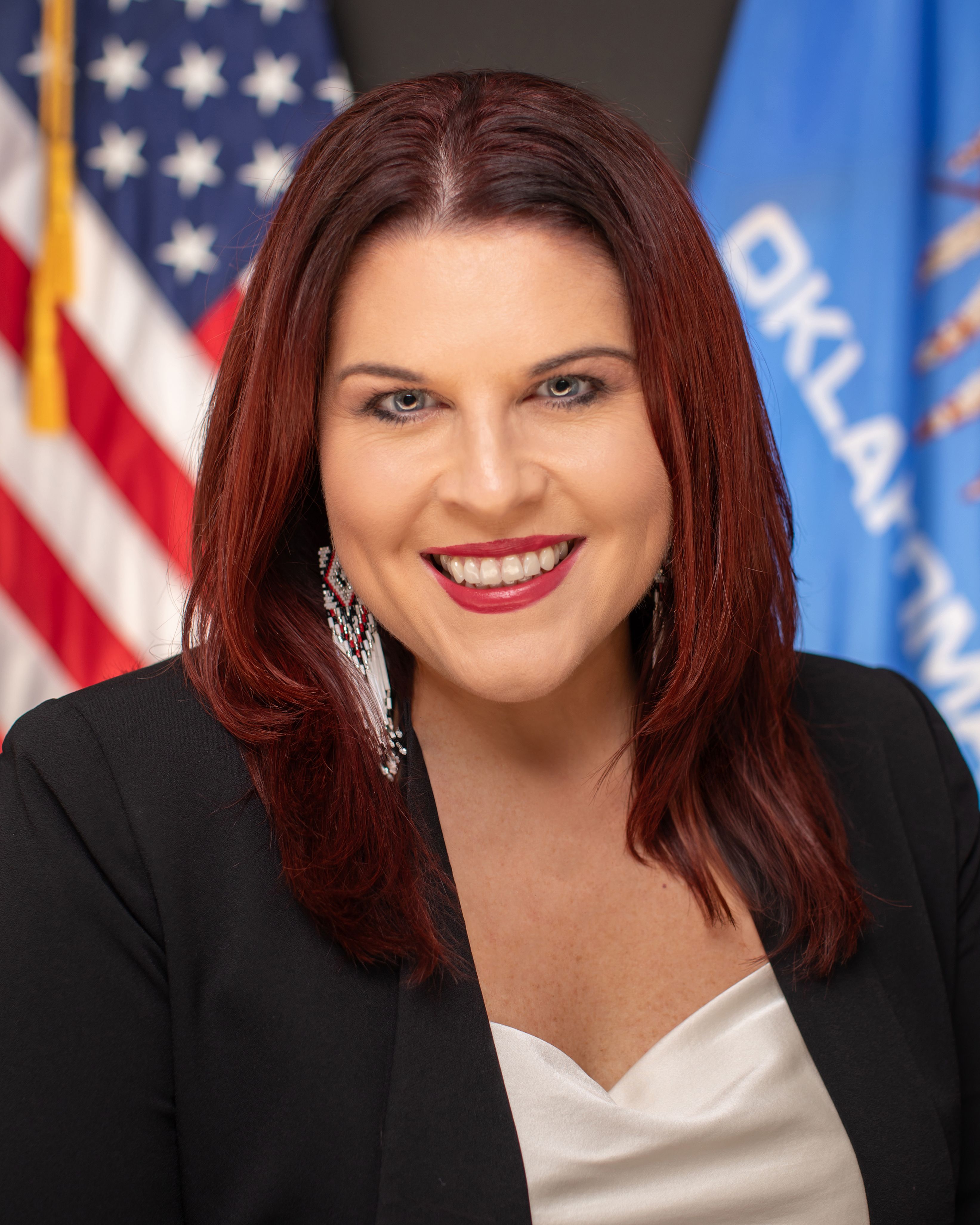
Amanda Clinton
100% support rate
Top opponent
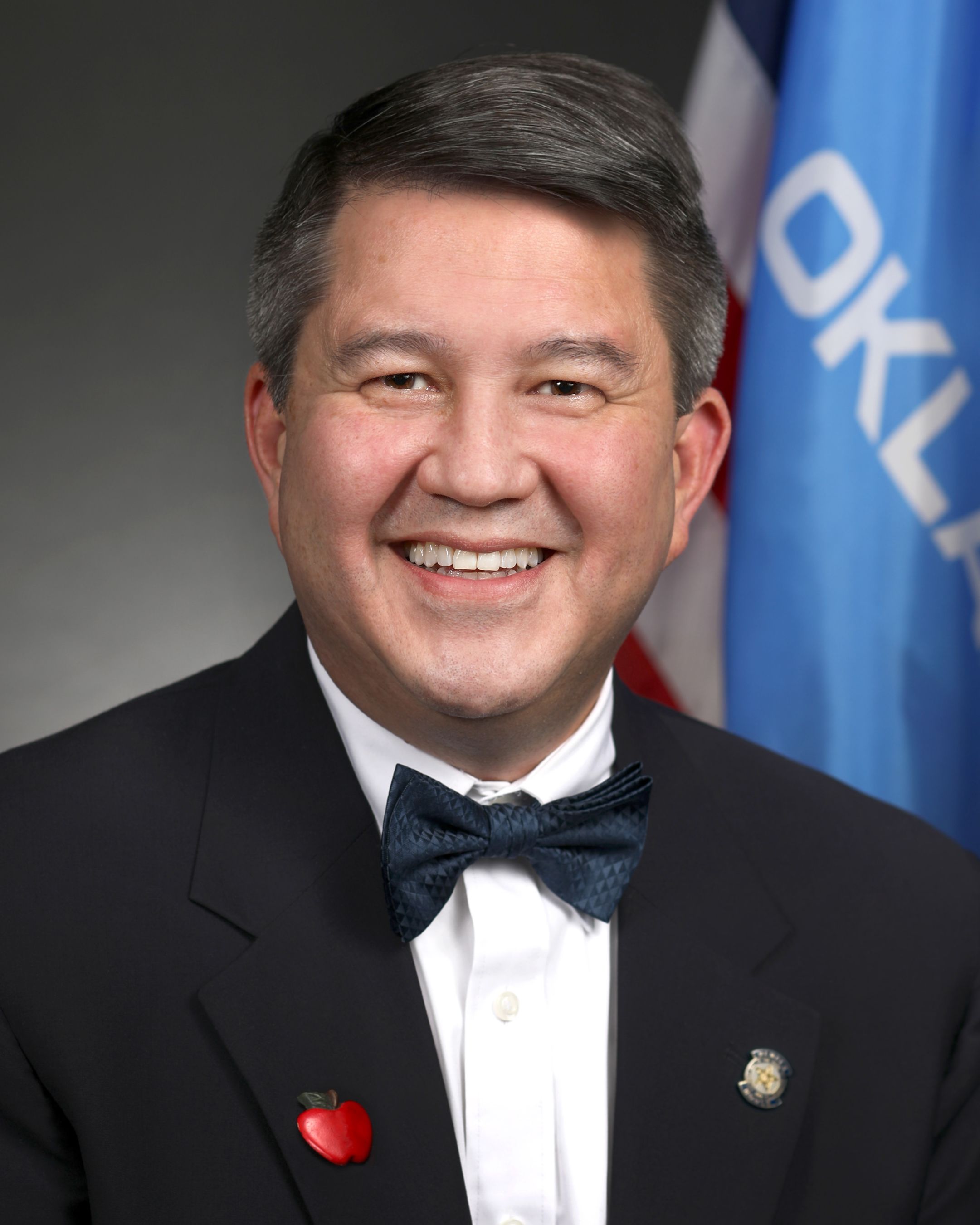
Ross Ford
0% support rate
Ranked legislators
10
5 support · 5 oppose
Key legislators

Who's moving sentencing in Oklahoma

Legislators moving sentencing in Oklahoma
Legislator Party Stance Support rate Votes
Amanda Clinton
Amanda Clinton House · District 71
D
Strong +
100% 7
Andy Fugate
Andy Fugate House · District 94
D
Strong +
100% 7
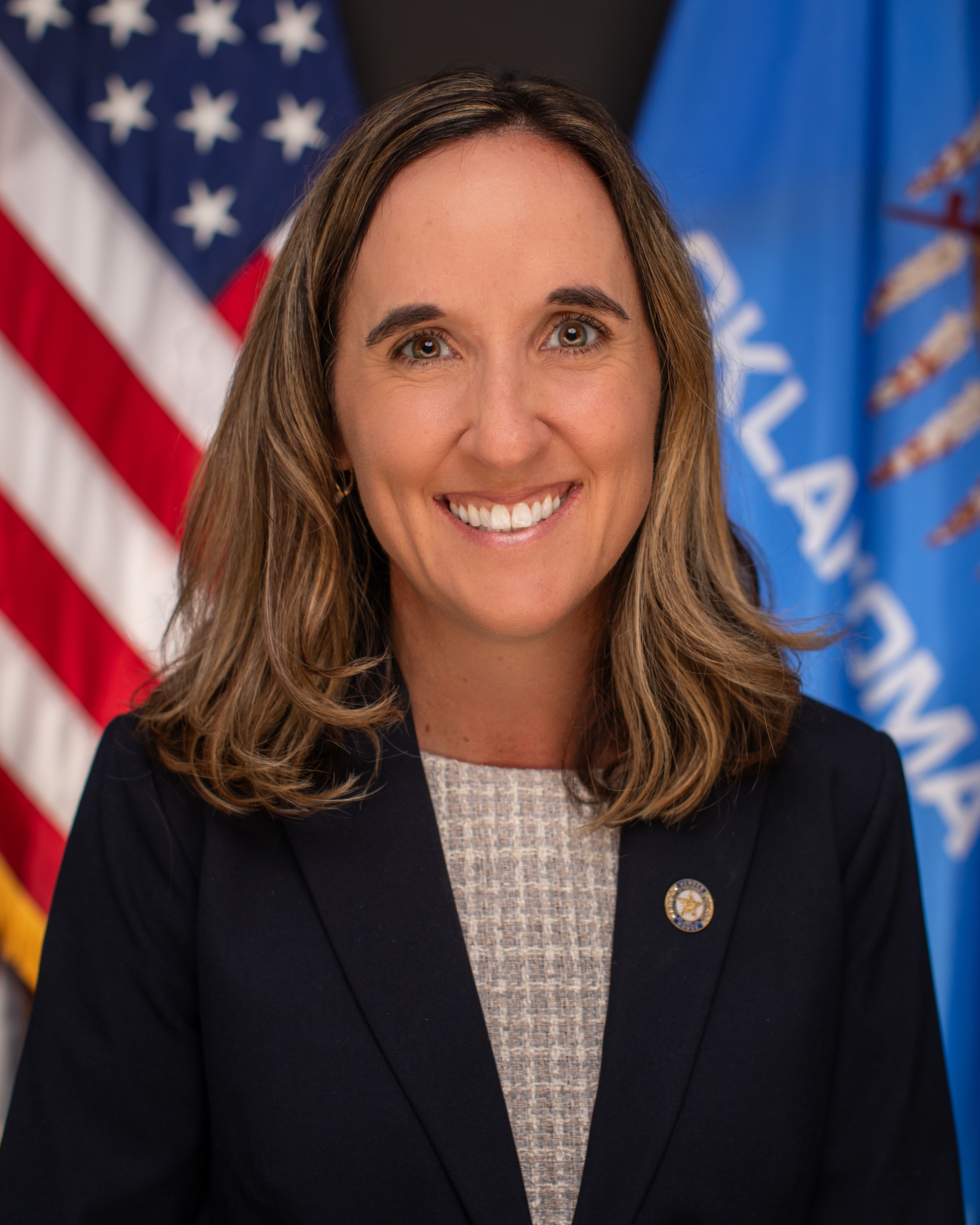
Ellen Pogemiller
Ellen Pogemiller House · District 88
D
Strong +
100% 6
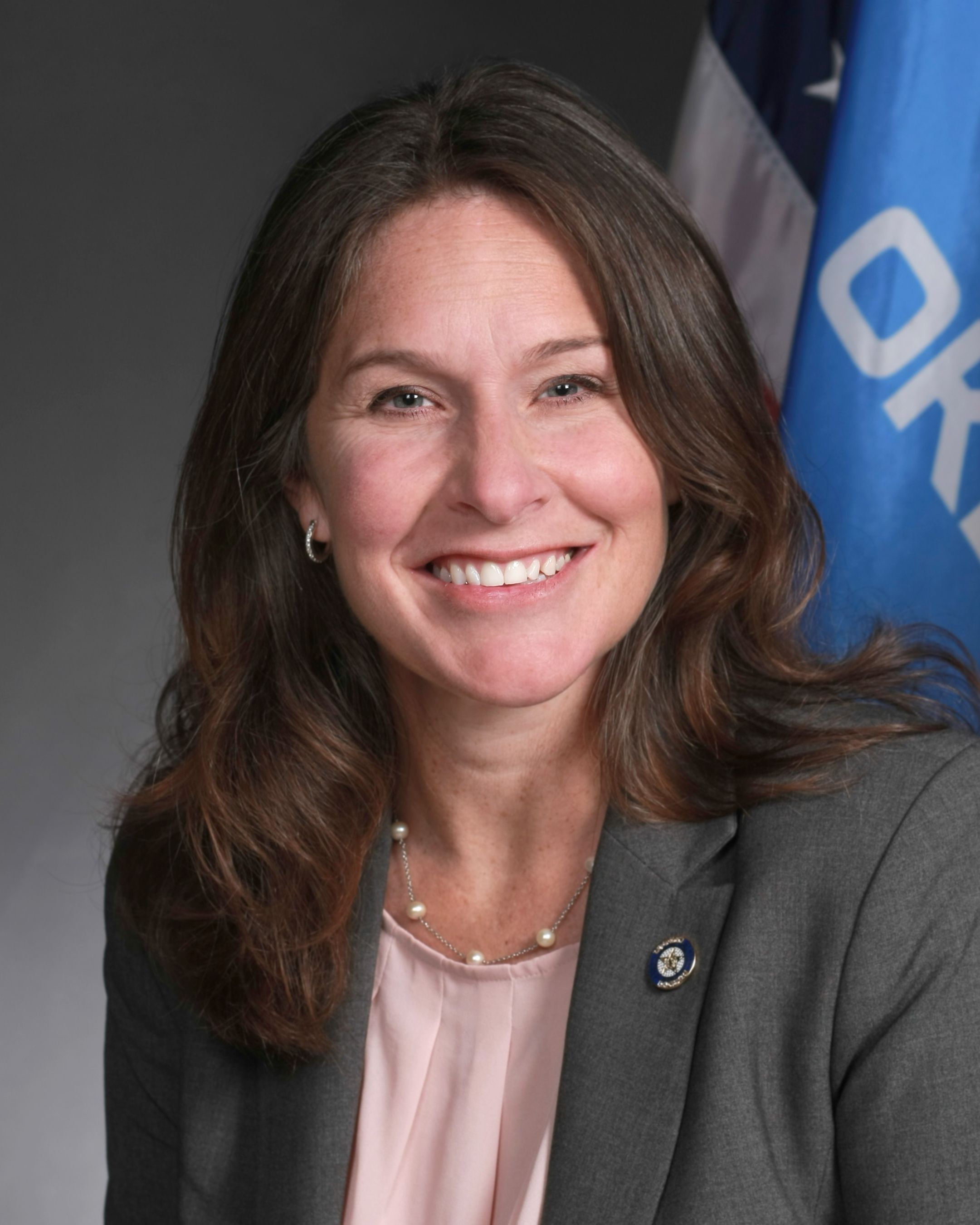
Melissa Provenzano
Melissa Provenzano House · District 79
D
Strong +
100% 6
Michelle McCane
Michelle McCane House · District 72
D
Strong +
100% 6
Ross Ford
Ross Ford House · District 76
R
Strong −
0% 9
Carl Newton
Carl Newton House · District 58
R
Strong −
0% 6
Molly Jenkins
Molly Jenkins House · District 33
R
Strong −
0% 6
Neil Hays
Neil Hays House · District 13
R
Strong −
0% 6
Rick West
Rick West House · District 3
R
Strong −
0% 6
Showing 31–39 of 39 bills

All criminal justice bills

signed · Oklahoma · Senate May 13, 2026

SB 1238: Assault and battery; modifying provisions of offense related to domestic abuse in presence of a child. Effective date.

SB 1238 amends Oklahoma law to elevate certain domestic abuse offenses to a more serious criminal classification (Class B5). Specifically, it adds "second or subsequent conviction for domestic abuse committed in the presence of a child" as a qualifying offense for Class B5, which carries harsher penalties than lower classifications. This change directly affects individuals convicted of repeat domestic violence offenses where children witnessed the abuse. The bill updates statutory references to reflect this modification but does not create new penalties or alter sentencing ranges.
in committee · Oklahoma · Senate Mar 16, 2026

SB 1245: Felony offenses; modifying application of certain deferred judgement procedure. Effective date.

SB 1245 modifies which felony offenses qualify for deferred judgment procedures in Oklahoma. It specifically affects defendants charged with certain felony offenses listed in the bill, including bribery (e.g., offering bribes to legislators or judicial officers), embezzlement (e.g., by county treasurers or public officials), burglary, fraud involving $15,000 or more, and commercial gambling. The bill changes eligibility rules so that these offenses may no longer be eligible for deferred judgment, meaning convictions would require immediate sentencing instead of potential probation. This policy change directly impacts criminal defendants facing these specific charges and alters how Oklahoma courts handle their cases. The bill repeals outdated DUI-related statutes but focuses primarily on revising felony sentencing procedures.
in committee · Oklahoma · Senate Feb 4, 2025

SB 154: Restitution; requiring court to prioritize order for restitution to victims. Effective date.

SB 154 requires Oklahoma courts to prioritize ordering restitution payments to crime victims when sentencing defendants convicted of crimes (excluding death penalty cases). The bill amends sentencing guidelines to explicitly state that courts "shall prioritize an order for payments of restitution to the victim to the extent feasible" before considering other sentencing options like community service or fines. It directly affects courts, victims seeking compensation, and defendants required to pay restitution. The key change is a procedural shift in sentencing priorities, ensuring restitution is addressed early in the process without altering existing restitution rates or amounts.
in committee · Oklahoma · Senate Feb 4, 2025

SB 881: Crimes and punishments; authorizing certain petition under certain circumstances. Effective date.

SB 881 expands Oklahoma's Class B5 criminal offenses to include 36 specific violations, such as second or subsequent domestic violence convictions, assault on police officers, stalking, sex offender registration violations, and certain animal cruelty crimes. This change directly affects individuals convicted of these offenses, classifying them under a higher penalty tier. The bill also repeals outdated infectious disease statutes (Sections 1192 and 1192.1) and updates related record-keeping requirements. It does not create new sentencing mechanisms but reclassifies existing offenses to align with revised penalty structures.
signed · Oklahoma · House May 14, 2025

HB 2105: Felony reclassification; modifying classifications for certain crimes; effective date.

HB 2105 reclassifies specific serious crimes into higher felony categories (Class A3 and Class B1) in Oklahoma, directly affecting individuals convicted of these offenses by increasing potential penalties. It adds 21 crimes to Class A3 (including domestic assault with a deadly weapon, child sexual abuse, terrorism, and arson causing injury) and 20 crimes to Class B1 (such as caregiver abuse, certain sodomy offenses, and child pornography-related acts). The bill modifies Oklahoma's criminal code to ensure these offenses carry stricter sentencing under the new classifications. This law became effective without the Governor's signature on May 14, 2025, making the reclassifications enforceable.
died · Oklahoma · Senate Feb 16, 2026

SB 1260: Pardons and paroles; prohibiting parole eligibility and earning of credits for persons convicted of certain offenses. Effective date.

SB 1260 mandates that individuals convicted of specific serious offenses - including first-degree murder, child sexual abuse, human trafficking, and certain violent crimes - must serve at least 85% of their prison sentence before becoming eligible for parole. The bill prohibits these individuals from earning credits (such as good behavior time) that could reduce their sentence below this 85% threshold. It directly affects inmates convicted of the listed offenses, which include crimes like child sex trafficking (per Section 1030), forcible sodomy (Section 888), and human trafficking (Section 748). The law repeals prior statutes that allowed for shorter parole eligibility periods for these offenses and updates related legal references.
in committee · Oklahoma · Senate Feb 4, 2025

SB 855: Larceny; modifying value threshold for certain misdemeanor and felony offenses. Effective date.

SB 855 modifies Oklahoma's larceny laws for merchandise stolen from retailers or wholesalers by raising value thresholds that determine misdemeanor versus felony charges. It increases the threshold for misdemeanor offenses from $500 to $1,000 for first and second thefts, and for third or subsequent offenses. For felony charges, the bill sets the minimum value at $1,000 (so thefts of $1,000 or more are now felonies, whereas lower values were previously classified as felonies). The bill also requires restitution to victims and allows multiple thefts within 180 days to be combined for sentencing.
in committee · Oklahoma · Senate Feb 13, 2025

SB 78: Crimes and punishments; modifying statutory references to certain offenses. Effective date.

SB 78 requires individuals convicted of 22 specific serious offenses - including first-degree murder, rape, child sex trafficking, human trafficking, and aggravated assault - to serve at least 85% of their prison sentence before becoming eligible for parole. This applies to all sentences imposed after the bill's effective date (November 1, 2025). The bill prohibits earned credits or other sentence reductions that would allow parole eligibility before completing 85% of the sentence. It updates statutory references and language in Oklahoma law related to these sentencing requirements.
signed · Oklahoma · House May 12, 2025

HB 1595: Crimes and punishments; assault and battery offenses; increasing penalties; effective date.

HB 1595 increases penalties for assault and battery offenses in Oklahoma, with specific enhancements for domestic violence cases. It raises jail terms for basic assault (to 90 days) and assault/battery (to 6 months), while creating felony charges for domestic abuse involving weapons (up to life imprisonment for deadly weapons) or against pregnant women (up to 20 years for injury to the fetus). The bill mandates 52-week certified batterers' intervention programs for domestic violence offenders convicted under these provisions, with strict attendance requirements, and requires courts to order counseling as a condition of probation. This directly affects individuals convicted of domestic violence against intimate partners or family members, as defined by Oklahoma law, and expands sentencing options for prosecutors. The law became effective May 12, 2025, after being signed without the Governor's signature.
Showing 31 to 39 of 39 bills
Previous 1 2 3 4