Issue · Criminal Justice

Criminal Justice (Corrections)

Every criminal justice bill, vote, and legislator stance in Oklahoma, automatically classified by Maddy, our AI policy reader.

Total bills
124
2026 Regular Session
Top supporter
John Waldron
89% support rate
Top opponent
Lisa Standridge
12% support rate
Ranked legislators
10
5 support · 5 oppose
Key legislators

Who's moving corrections in Oklahoma

Legislators moving corrections in Oklahoma
Legislator Party Stance Support rate Votes
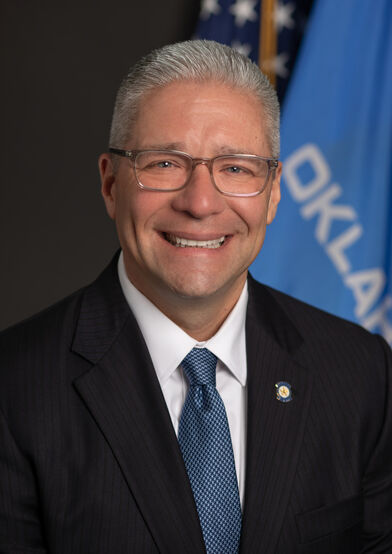
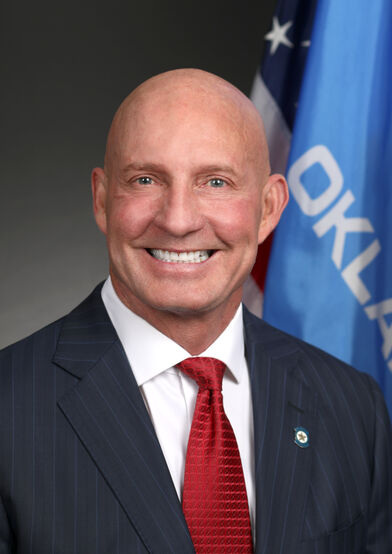
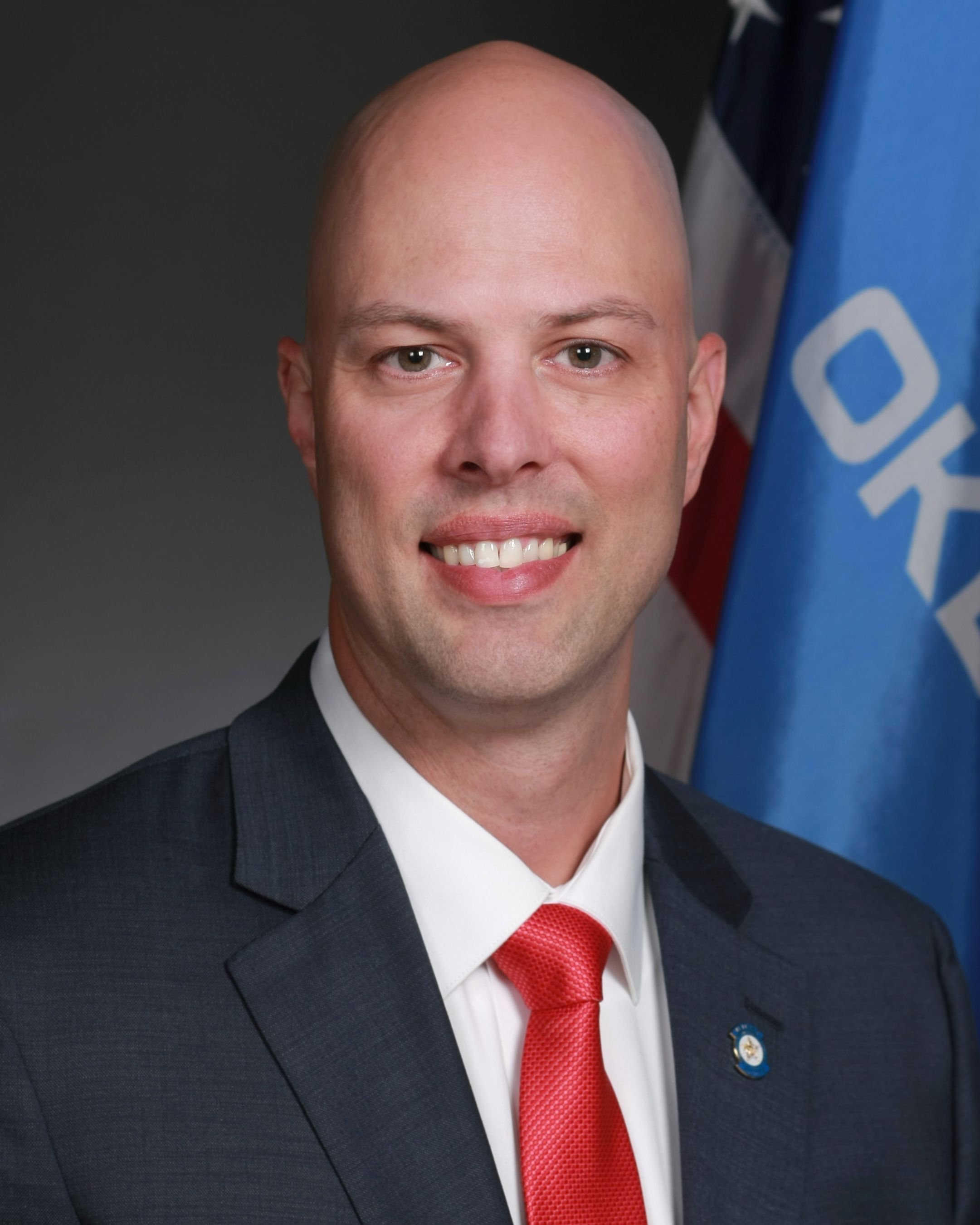
John Waldron
John Waldron House · District 77
D
Strong +
89% 19
Michael Brooks
Michael Brooks Senate · District 44
D
Strong +
88% 51
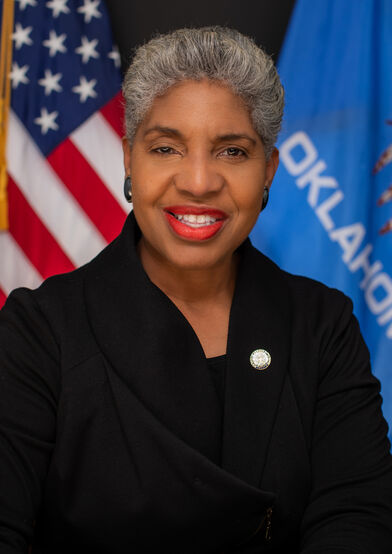
Regina Goodwin
Regina Goodwin Senate · District 11
D
Strong +
87% 45
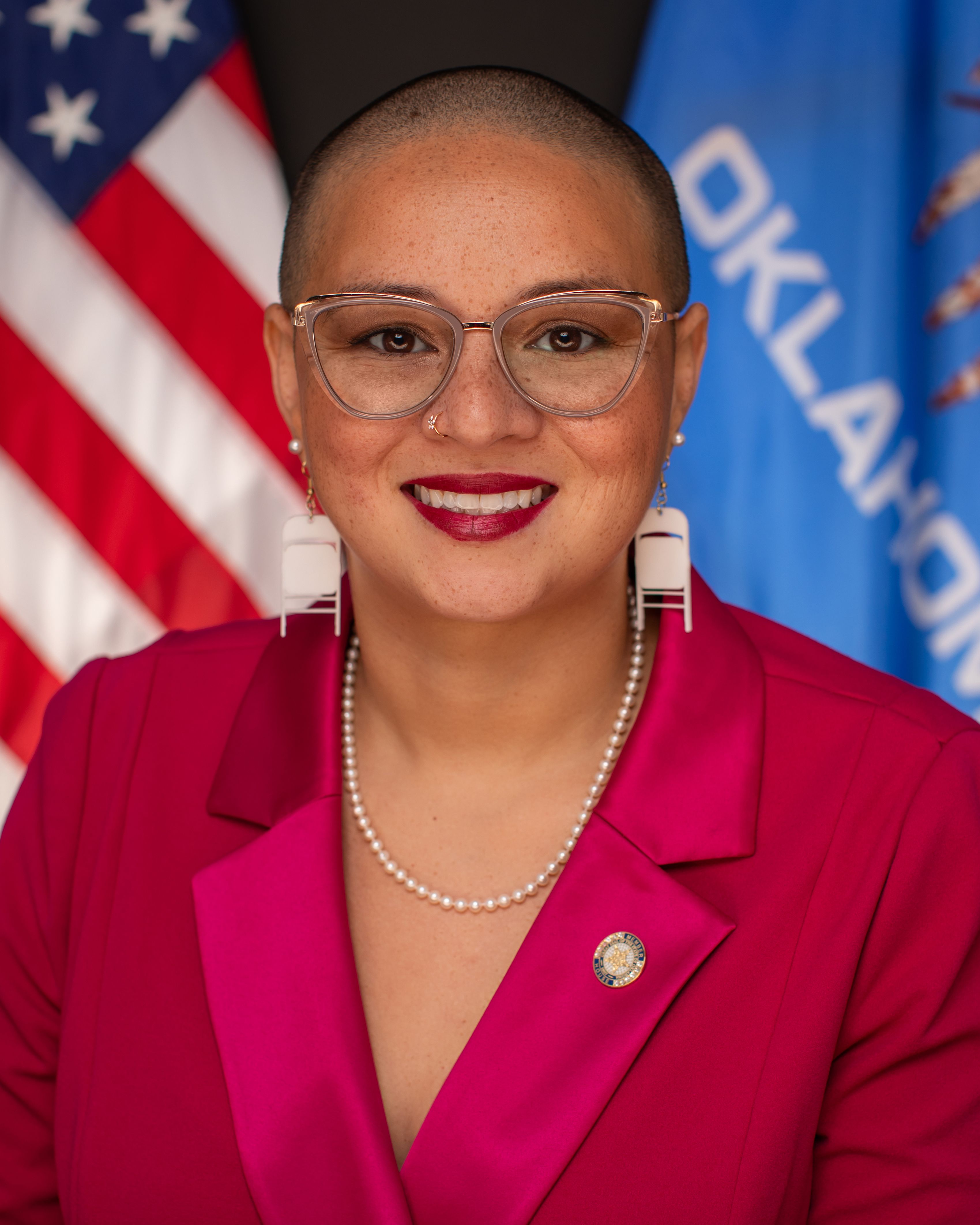
Michelle McCane
Michelle McCane House · District 72
D
Strong +
86% 22
Nikki Nice
Nikki Nice Senate · District 48
D
Strong +
85% 27
Lisa Standridge
Lisa Standridge Senate · District 15
R
Strong −
12% 32
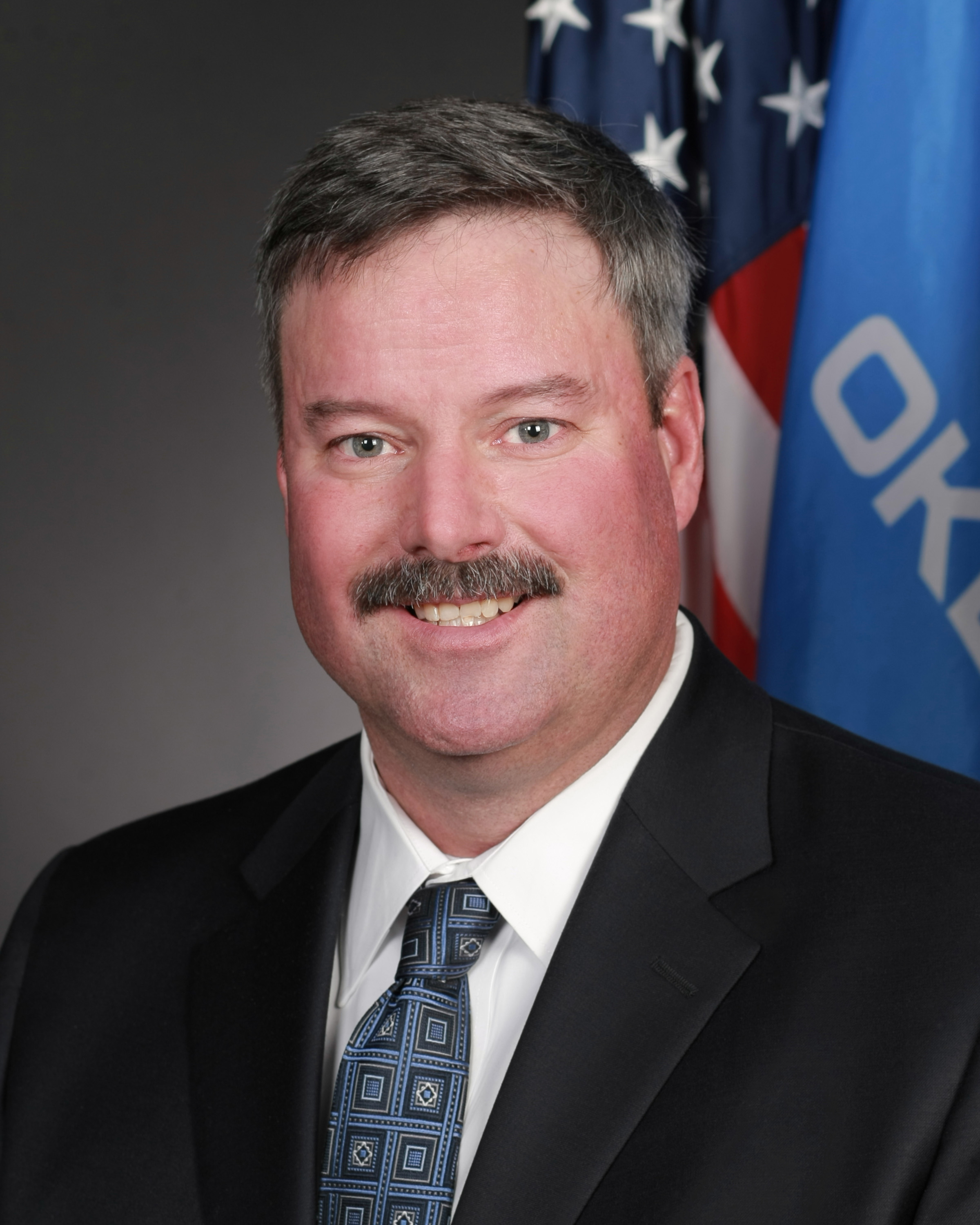
Casey Murdock
Casey Murdock Senate · District 27
R
Strong −
14% 43
Darrell Weaver
Darrell Weaver Senate · District 24
R
Strong −
14% 43
Jay Steagall
Jay Steagall House · District 43
R
Strong −
14% 14
Shane Jett
Shane Jett Senate · District 17
R
Strong −
15% 27
Showing 31–40 of 124 bills

All criminal justice bills

in committee · Oklahoma · Senate Feb 3, 2026

SB 2100: Crimes and punishment; modifying elements of certain offense; specifying punishments for certain offenses. Effective date.

SB 2100 modifies Oklahoma's false reporting laws to increase penalties for malicious false reports about crimes or missing children. It makes falsely reporting a felony a felony offense (instead of a misdemeanor), and creates a new Class D3 felony for falsely triggering an AMBER alert, punishable by up to 1 year in prison or a $1,000 minimum fine. The bill directly affects individuals who make false reports to law enforcement, aiming to deter misuse of emergency systems while preserving protections for genuine reports. It takes effect November 1, 2026.
signed · Oklahoma · House May 4, 2026

HB 3849: Oklahoma Juvenile Code; Oklahoma Mentoring Children of Incarcerated Parents Program; purpose; mentoring services; applicant requirements; grants; effective date.

HB 3849 establishes the Oklahoma Mentoring Children of Incarcerated Parents Program under the Oklahoma Commission on Children and Youth. It provides one-on-one mentoring services to two specific groups: children in juvenile custody outside the home, and children identified as at risk of entering the juvenile justice system, who have parents in prison. The bill requires the Commission to issue competitive grants every three years to qualified 501(c)(3) nonprofit organizations meeting strict criteria, including serving ages 6-18, having statewide presence, 3+ years working with this population, and adhering to safety protocols. Grants are capped at $1,500 per mentor-mentee match, with awards to be made by November 1, 2024, for services starting in 2026. The program is effective November 1, 2026.
in committee · Oklahoma · House Feb 3, 2026

HB 4287: Prisons and reformatories; Oklahoma Department of Corrections; electronic record; Oklahoma State Data Center; census geography; effective date.

This bill changes how Oklahoma counts incarcerated people for redistricting. It requires the Oklahoma Department of Corrections to collect inmates' last known Oklahoma addresses and send anonymized demographic data to the State Data Center during census years. The data will adjust population figures so incarcerated people are counted at their home addresses (not prison locations) for legislative and local district boundaries. If an inmate's address is outside Oklahoma or unknown, they are excluded from local population totals. This ensures districts reflect where people actually live, not where they are imprisoned.
Sub-Topics Corrections
signed · Oklahoma · House May 12, 2026

HB 4408: State question 780 data; calculation of savings and averted costs from implementation of the Oklahoma Smart Justice Reform Act; Department of Corrections; Legislative Office of Fiscal Transparency; Administrator of the Courts; effective date.

HB 4408 requires the Oklahoma Department of Corrections and the Administrator of the Courts to submit annual data by July 31st on offenders convicted only of crimes reclassified under State Question 780 (which reduced penalties for certain low-level offenses). This data includes unique offenders, days served, and sentence lengths for offenses now classified as misdemeanors or with adjusted dollar thresholds. The Legislative Office of Fiscal Transparency must then calculate the state's annual savings from reduced incarceration costs within 30 days, using actual data or best estimates if needed. The final calculation is binding and cannot be revised later, with the bill taking effect November 1, 2026.
Sub-Topics Corrections
died · Oklahoma · Senate Mar 10, 2026

SB 1540: Crimes and punishments; creating felony offense related to child abuse. Effective date.

SB 1540 amends Oklahoma law to create new felony classifications for child abuse, neglect, and related offenses. It defines "child abuse" as willful or malicious harm by anyone responsible for a child's welfare, making it a Class A3 felony punishable by up to life in prison or fines up to $5,000. The bill also establishes "enabling child abuse" and "enabling child neglect" as separate Class A3 and Class B1 felonies, respectively, targeting those who facilitate harm to children. Additionally, it requires life without parole for repeat offenders convicted of first-degree rape, sodomy, or sexual abuse of a child. These provisions directly affect caregivers, parents, and institutions responsible for child safety.
passed · Oklahoma · Senate Apr 7, 2026

SB 1450: Criminal court costs and fees; requiring waiver of certain costs and fees upon completion of certain requirements. Effective date.

SB 1450 allows Oklahoma courts to waive criminal court fines, costs, and fees for eligible individuals who meet specific payment and compliance requirements. It creates two pathways: (1) waiving costs after 24 months of timely monthly payments following release from prison, or (2) waiving costs after 48 months of timely payments within the prior 60 months, both requiring full probation/supervision compliance. The bill excludes restitution to victims and child support from waiver eligibility, and requires individuals released from prison to report to courts 180 days post-release to address outstanding debts. The law takes effect November 1, 2026.
in committee · Oklahoma · Senate Feb 10, 2026

SB 1922: Department of Corrections; requiring certain inmate information be available to the public. Effective date.

SB 1922 requires Oklahoma's Department of Corrections to publicly share two specific types of inmate information: (1) programs inmates participated in (such as work or education), and (2) any disciplinary actions taken against them. This applies directly to the public, who will gain access to these records through the Department's website or other public channels. The bill mandates the Department to create rules for implementing this transparency measure and takes effect on November 1, 2026. It does not change sentencing, prison conditions, or other operational aspects of corrections.
Sub-Topics Corrections Sentencing
signed · Oklahoma · House May 4, 2026

HB 3086: Prisons and reformatories; Corrections Act of 1967; expanding powers and duties of the State Board of Corrections; effective date.

HB 3086 requires Oklahoma's State Board of Corrections to approve the Director's authority over prisoners' discipline and work programs. It specifically creates a Construction Division within the Department of Corrections for inmate work crews and prohibits inmates in this program from forming unions, striking, or engaging in collective bargaining. The bill also mandates Board approval for the Director to appoint staff, accept funding, or establish policies governing prison operations. These changes primarily affect prisoners working in the Construction Division and correctional staff managing prison programs.
in committee · Oklahoma · House Feb 3, 2026

HB 3203: Crimes and punishments; making certain acts unlawful; effective date.

HB 3203 amends Oklahoma's assault and battery laws to specifically address medical treatment without consent. It defines "aggravated assault and battery" in Section 646 when medical professionals administer treatment causing injury or distress without informed consent, fail to explain risks, or ignore a patient's refusal. Violating these medical consent provisions becomes a Class B5 felony under Section 647, carrying up to four years in prison or a $5,000 fine - stricter than standard aggravated assault penalties. The bill directly affects healthcare providers performing treatments and patients who experience unauthorized medical interventions. It clarifies "informed consent" as a process requiring clear information about treatment risks and benefits.
passed · Oklahoma · House Apr 1, 2026

HB 3584: Human trafficking; modifying elements of crime to include certain victims; emergency.

HB 3584 modifies Oklahoma's sentencing rules for human trafficking convictions. It requires individuals convicted of human trafficking (as defined in Section 748) to serve at least 85% of their prison sentence before becoming eligible for parole, with no earned credits allowed to reduce this time. The bill expands the definition of "human trafficking" to explicitly include child sex trafficking and trafficking involving minors, while defining key terms like "coercion" and "commercial sex." This policy directly affects convicted traffickers, particularly those involved in cases exploiting children or forcing commercial sex acts.
Showing 31 to 40 of 124 bills
Previous 1 3 4 5 13 Next