Issue · Criminal Justice

Criminal Justice

Every criminal justice bill, vote, and legislator stance in Oklahoma, automatically classified by Maddy, our AI policy reader.

Total bills
448
2026 Regular Session
Top supporter
Aletia Timmons
76% support rate
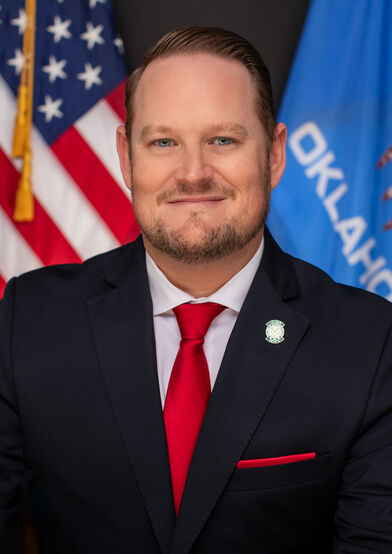
Top opponent
Brian Guthrie
24% support rate
Ranked legislators
10
5 support · 5 oppose
Key legislators

Who's moving criminal justice in Oklahoma

Legislators moving criminal justice in Oklahoma
Legislator Party Stance Support rate Votes
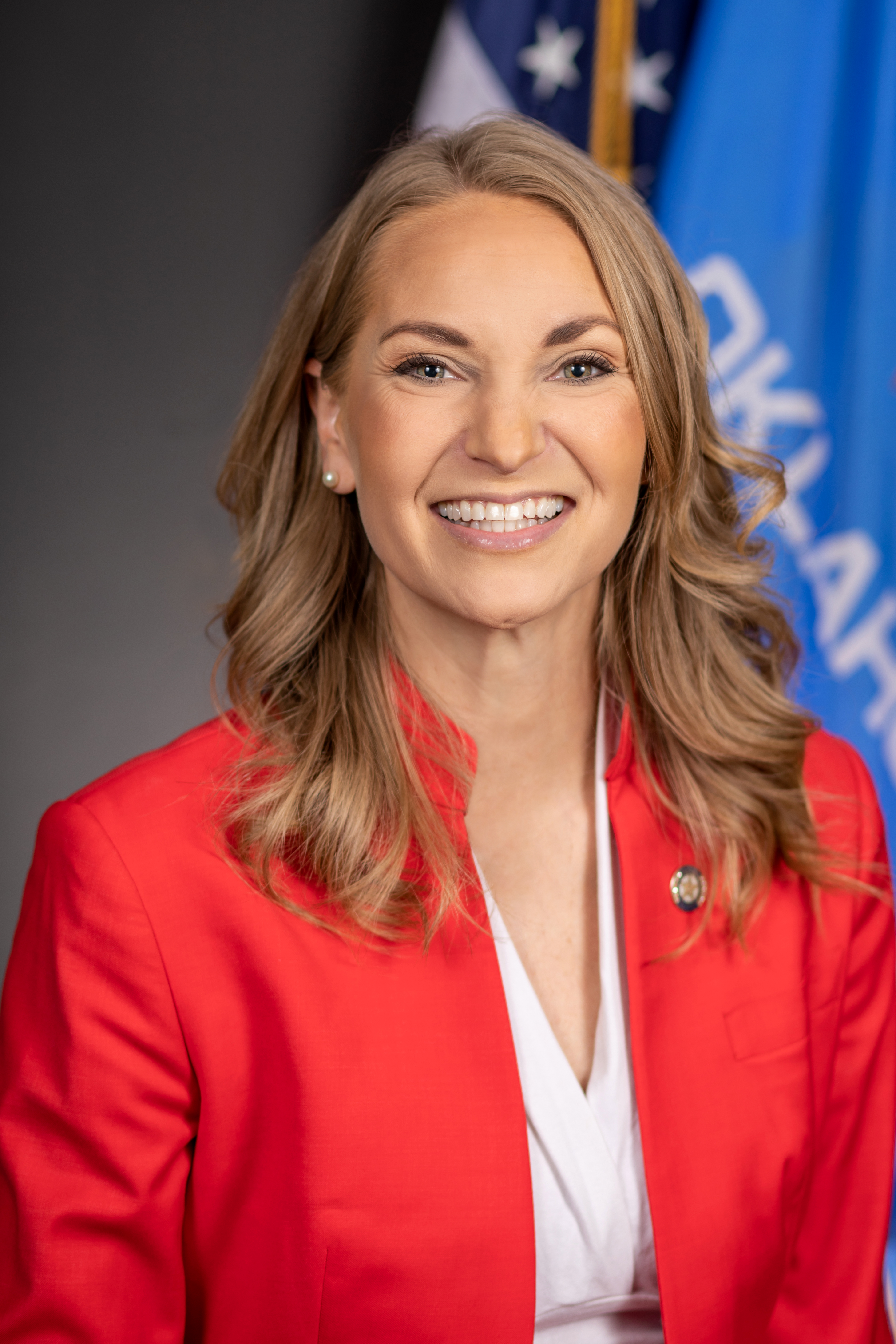
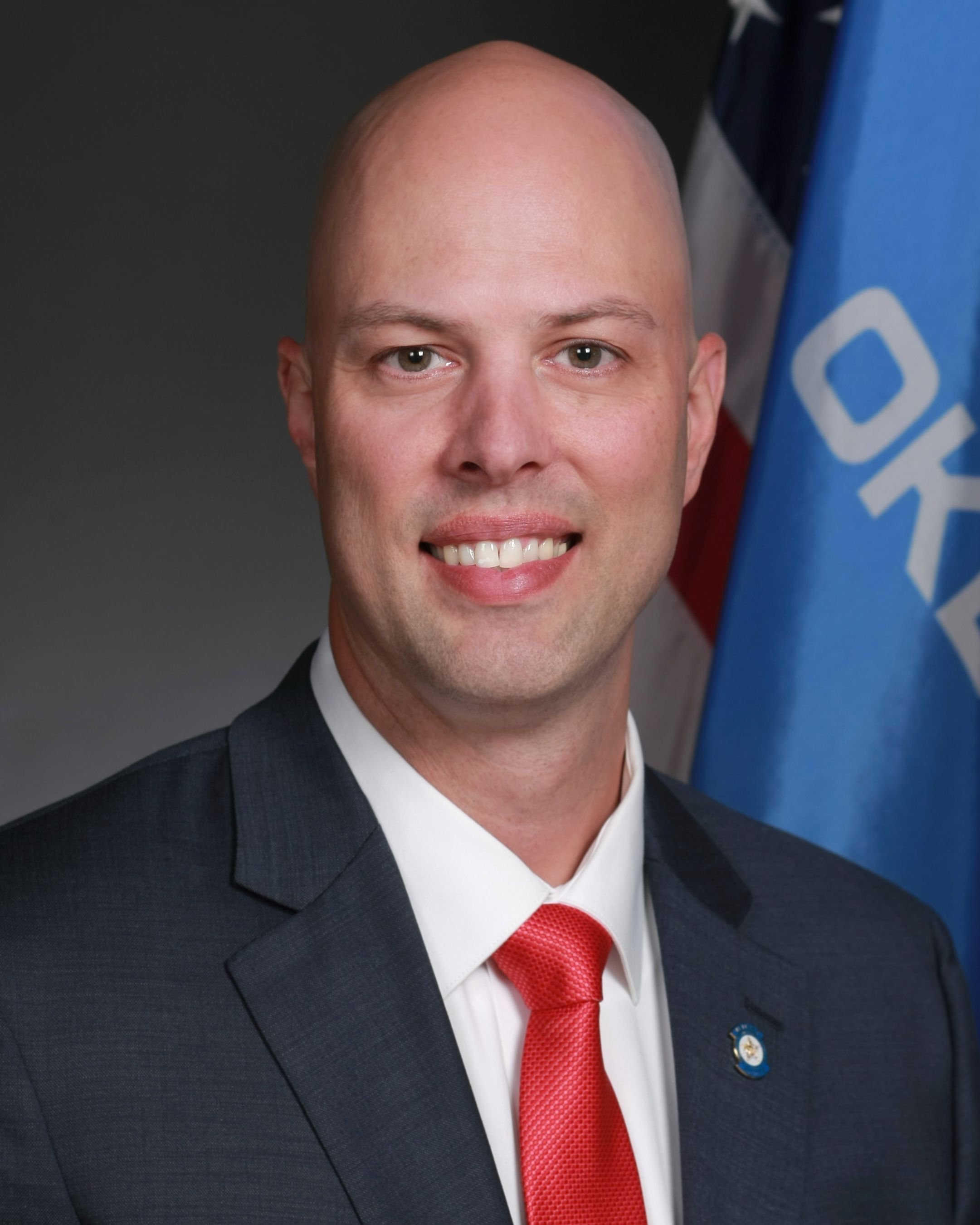
Aletia Timmons
Aletia Timmons House · District 97
D
Support
76% 91
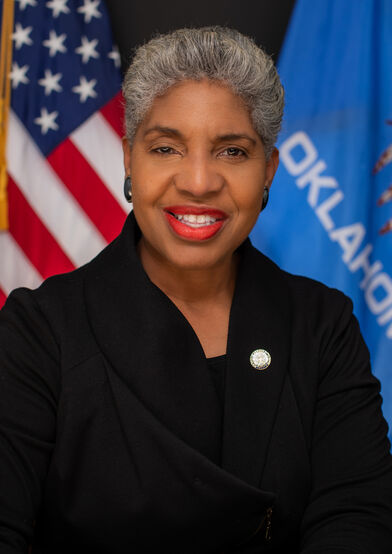
Regina Goodwin
Regina Goodwin Senate · District 11
D
Support
73% 225
Michael Brooks
Michael Brooks Senate · District 44
D
Support
72% 274
Carri Hicks
Carri Hicks Senate · District 40
D
Support
71% 184
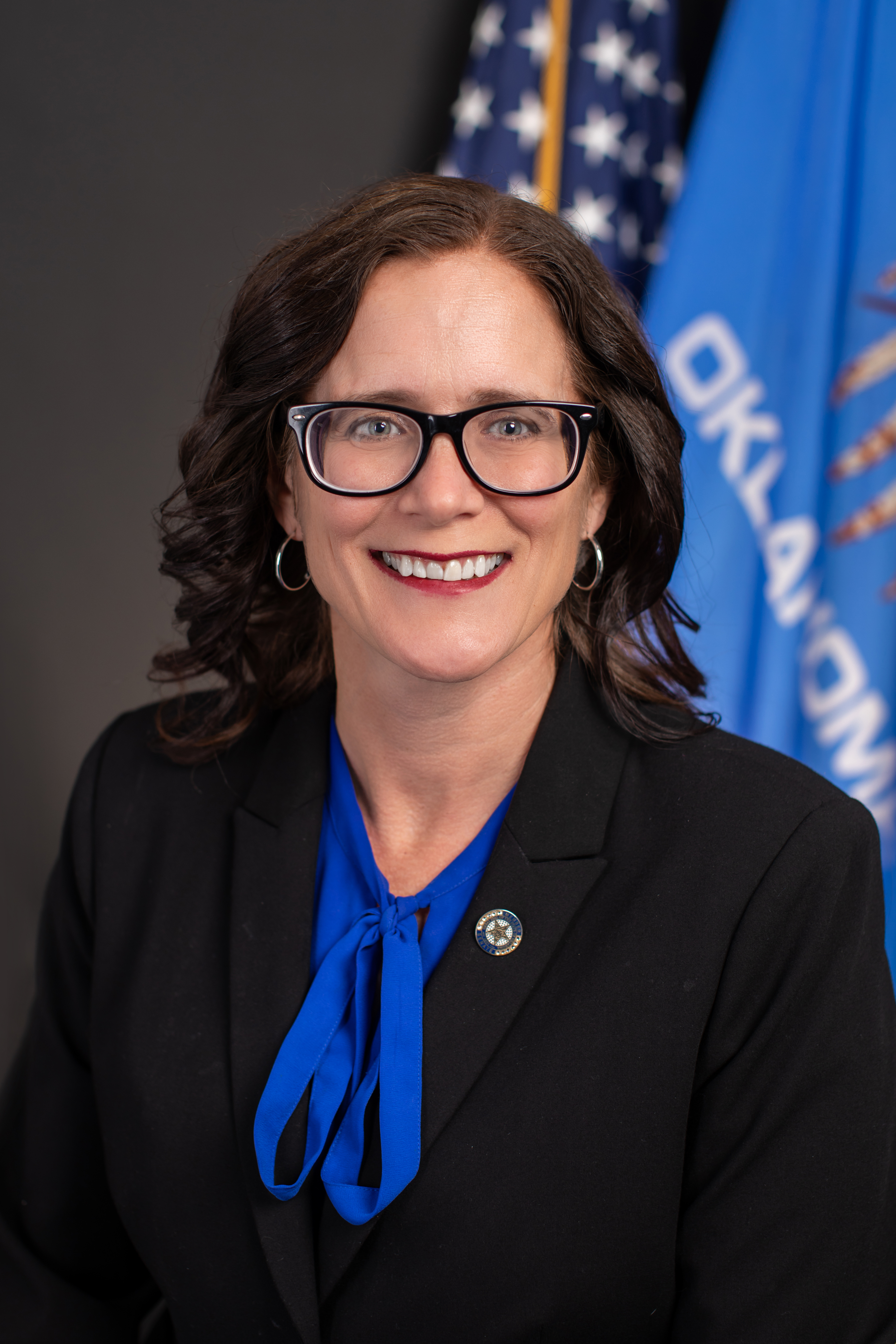
Julia Kirt
Julia Kirt Senate · District 30
D
Support
70% 174
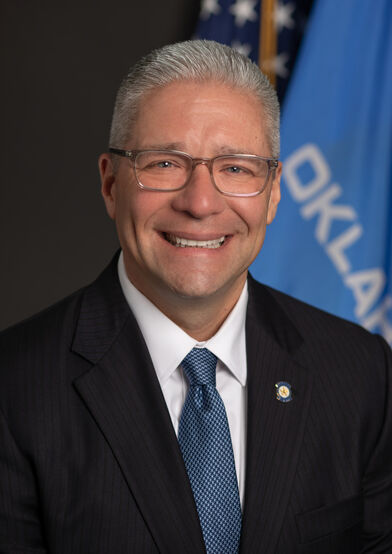
Brian Guthrie
Brian Guthrie Senate · District 25
R
Oppose
24% 158
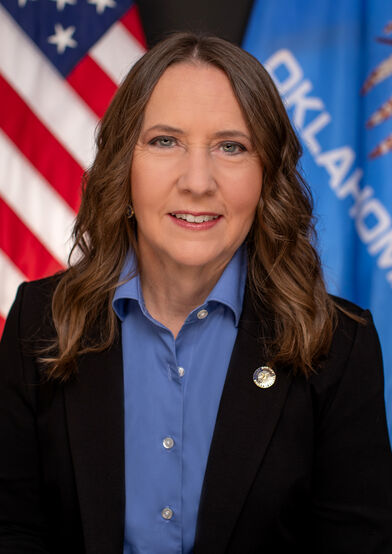
Lisa Standridge
Lisa Standridge Senate · District 15
R
Oppose
26% 220
Jay Steagall
Jay Steagall House · District 43
R
Oppose
27% 149
Julie McIntosh
Julie McIntosh Senate · District 3
R
Oppose
28% 164
Dusty Deevers
Dusty Deevers Senate · District 32
R
Oppose
28% 156
Showing 361–370 of 448 bills

All criminal justice bills

signed · Oklahoma · Senate May 12, 2025

SB 981: Bail; authorizing denial of bail under certain circumstance. Effective date.

SB 981, now law in Oklahoma, expands circumstances where a judge may deny bail to defendants charged with specific offenses. It allows bail denial for violent offenses, crimes carrying life sentences, repeat felony offenders (two or more separate felonies), certain drug offenses (with 10+ year potential sentences), and DUI with two prior felony DUI convictions. The bill requires that for most cases, the state must prove guilt is "evident" or the presumption "great" and that no release conditions would ensure community safety. The law took effect on November 1, 2025.
Sub-Topics Judges
in committee · Oklahoma · Senate Feb 3, 2026

SB 1227: Mental health; authorizing mobile crisis teams to request certain information from law enforcement. Effective date.

SB 1227 allows mobile crisis teams (groups of mental health professionals and peer specialists) to request safety-related information from police before responding to mental health, substance use, or suicidal crises. It requires local law enforcement agencies to create protocols for sharing only necessary safety details - like weapons history, violent behavior patterns, or outstanding warrants - with the teams. The bill limits disclosures to what ensures responder safety, keeps information confidential, and grants police immunity for following these protocols. This directly affects mobile crisis teams, law enforcement, and individuals in crisis by improving safety coordination during emergency responses.
in committee · Oklahoma · House Feb 4, 2025

HB 1331: Crimes and punishments; critical infrastructure; prohibited acts; effective date.

HB 1331 increases penalties for trespassing on or damaging critical infrastructure facilities in Oklahoma. Simple trespass becomes a misdemeanor (up to $1,000 fine or 6 months jail), while damaging facilities or intending to disrupt operations becomes a felony (up to $100,000 fine or 10 years imprisonment). The law broadly defines "critical infrastructure" to include power plants, water treatment centers, cell towers, pipelines, and other essential facilities requiring physical barriers or clear "no trespassing" signs. Organizations conspiring with offenders face fines ten times the standard penalty for the underlying violation.
Sub-Topics Corrections
in committee · Oklahoma · House Feb 4, 2025

HB 2923: Prisoner reentry; creating the Oklahoma Prisoner Reentry Pilot Program; stating purpose of pilot program; codification; effective date.

HB 2923 creates the Oklahoma Prisoner Reentry Pilot Program to support inmates transitioning from prison to community life. It directly affects inmates under the Department of Corrections' jurisdiction who have a medium or high risk of felony re-arrest, focusing on those in counties with over 500,000 residents. The bill requires the Department to provide case management services connecting participants to 14 specific support areas, including housing, job training, healthcare, substance abuse treatment, and transitional services like transportation. The program must be evaluated annually to assess recidivism reduction, with results reported to the Legislature and Governor, and becomes effective November 1, 2025.
in committee · Oklahoma · Senate Feb 4, 2025

SB 154: Restitution; requiring court to prioritize order for restitution to victims. Effective date.

SB 154 requires Oklahoma courts to prioritize ordering restitution payments to crime victims when sentencing defendants convicted of crimes (excluding death penalty cases). The bill amends sentencing guidelines to explicitly state that courts "shall prioritize an order for payments of restitution to the victim to the extent feasible" before considering other sentencing options like community service or fines. It directly affects courts, victims seeking compensation, and defendants required to pay restitution. The key change is a procedural shift in sentencing priorities, ensuring restitution is addressed early in the process without altering existing restitution rates or amounts.
in committee · Oklahoma · House Feb 4, 2025

HB 2058: Protective orders and fees; clarifying those authorized to seek relief under the Protection from Domestic Abuse Act; effective date.

HB 2058 clarifies who can seek protective orders under Oklahoma's Protection from Domestic Abuse Act, expanding eligibility to include victims of domestic abuse, stalking, harassment, rape, and other specified crimes, as well as minors or adults acting on behalf of household members. The bill prohibits charging filing fees, service fees, or attorney fees to the person seeking a protective order, regardless of whether the order is granted. It also adds provisions allowing courts to order defendants to make no contact with animals owned by the household and to issue emergency protective orders without requiring prior criminal complaints for certain victims. The bill modifies court fee structures for defendants convicted of crimes but focuses primarily on removing financial barriers for victims seeking protection.
in committee · Oklahoma · Senate Feb 4, 2025

SB 881: Crimes and punishments; authorizing certain petition under certain circumstances. Effective date.

SB 881 expands Oklahoma's Class B5 criminal offenses to include 36 specific violations, such as second or subsequent domestic violence convictions, assault on police officers, stalking, sex offender registration violations, and certain animal cruelty crimes. This change directly affects individuals convicted of these offenses, classifying them under a higher penalty tier. The bill also repeals outdated infectious disease statutes (Sections 1192 and 1192.1) and updates related record-keeping requirements. It does not create new sentencing mechanisms but reclassifies existing offenses to align with revised penalty structures.
in committee · Oklahoma · Senate Feb 4, 2025

SB 1055: Expungement of records; providing automatic expungements for certain misdemeanor convictions. Effective date.

SB 1055 automatically seals criminal records for certain misdemeanor convictions in Oklahoma after specific waiting periods. It applies to individuals convicted of nonviolent misdemeanors with no subsequent felony convictions, requiring at least 5-10 years to pass since conviction or sentence completion, depending on the offense. The bill creates a "clean slate" process where eligible cases are automatically sealed three years after the law takes effect (subject to funding), without needing court petitions. It excludes violent offenses, sex offenses, and cases involving pending charges. This policy change directly affects Oklahomans with qualifying misdemeanor histories seeking to clear their records.
Sub-Topics Courts
in committee · Oklahoma · Senate Feb 4, 2025

SB 738: County sheriffs; amending duties of county sheriff. Effective date.

SB 738 amends Oklahoma Statute 19 O.S. 2021, Section 516 to clarify county sheriffs' duties. It explicitly adds that sheriffs must protect residents' constitutional rights from federal government violations and requires sheriffs to coordinate courthouse security. The bill directly affects county sheriffs across Oklahoma, expanding their statutory responsibilities. It takes effect November 1, 2025, with no new funding or penalties specified.
Sub-Topics Law Enforcement
died · Oklahoma · House Feb 12, 2025

HB 2016: Evidence; artificial intelligence expert testimony; effective date.

HB 2016 amends Oklahoma evidence law to establish specific standards for admitting and challenging artificial intelligence system outputs as testimony in court. It requires the party introducing AI-generated evidence (the "proponent") to demonstrate it meets four criteria: it helps the court understand evidence, uses reliable data, applies sound methods, and reflects consistent reliability. The bill also treats AI outputs similarly to human hearsay statements, allowing parties to challenge their accuracy using evidence like inconsistent prior outputs. This law applies directly to courts, lawyers, and parties in legal cases using AI systems, effective November 1, 2025.
Sub-Topics Courts Tags Artificial Intelligence
Showing 361 to 370 of 448 bills
Previous 1 36 37 38 45 Next