Issue · Criminal Justice

Criminal Justice (Domestic Violence)

Every criminal justice bill, vote, and legislator stance in Oklahoma, automatically classified by Maddy, our AI policy reader.

Total bills
48
2026 Regular Session
Top supporter
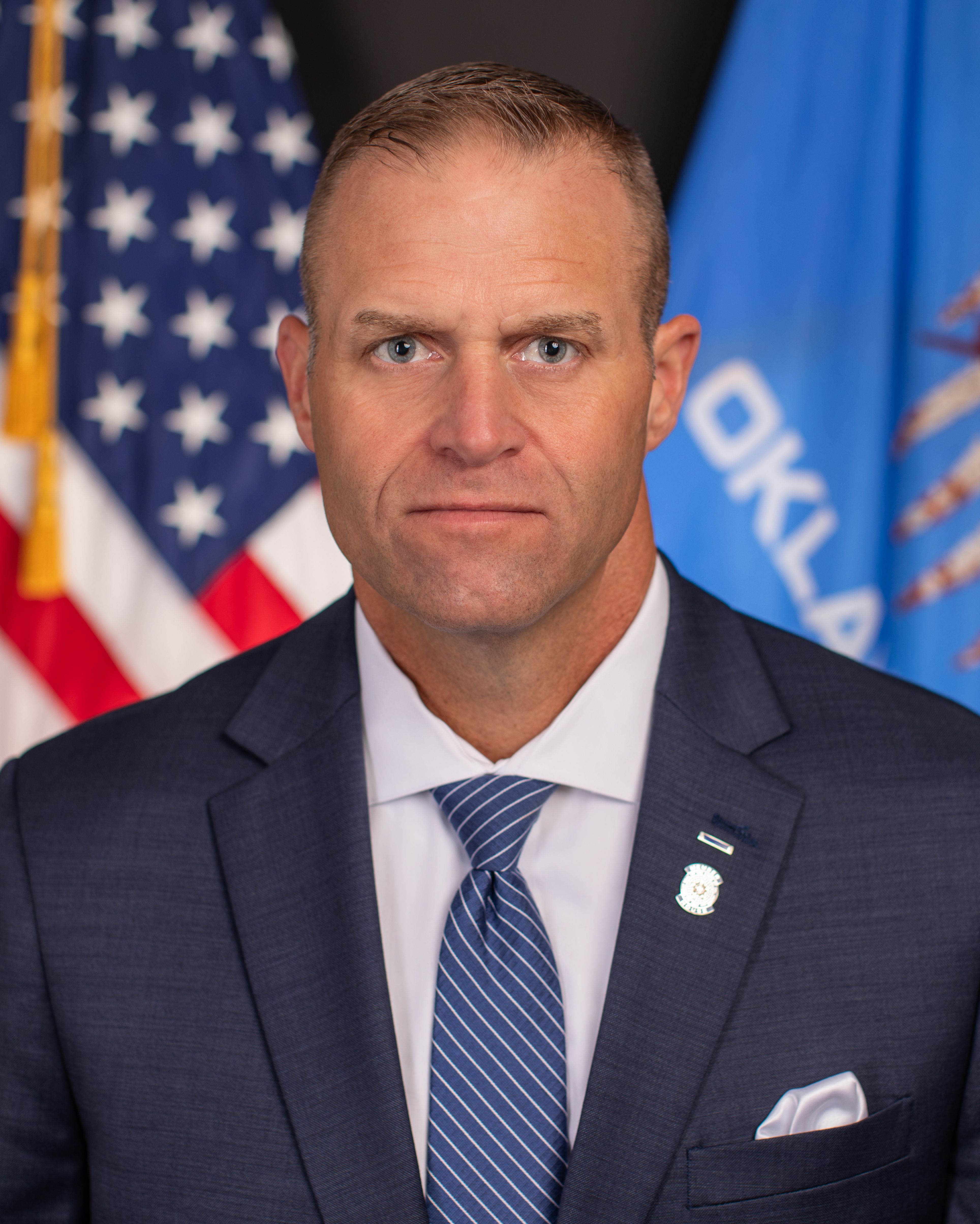
Rande Worthen
83% support rate
Top opponent
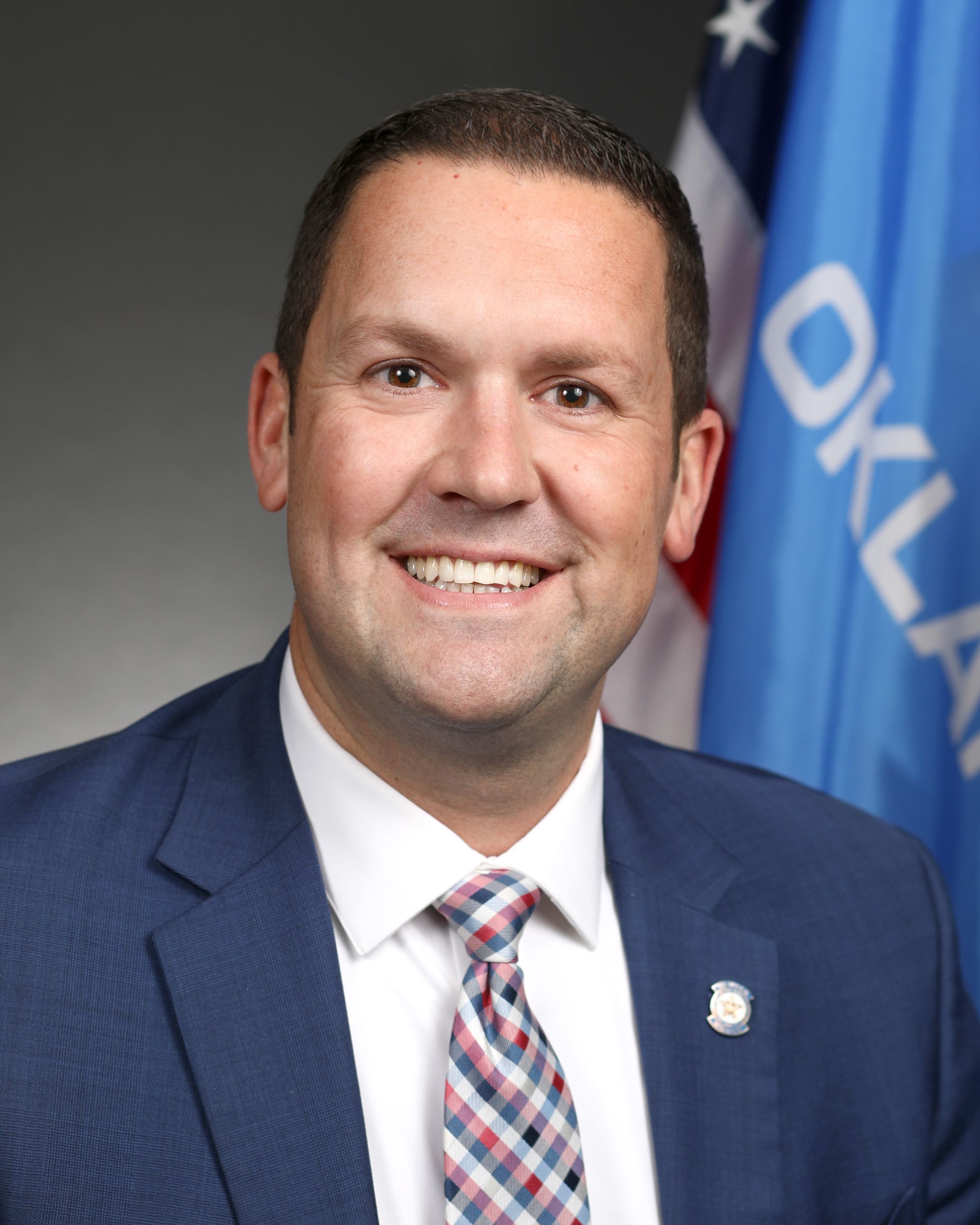
John Pfeiffer
0% support rate
Ranked legislators
10
5 support · 5 oppose
Key legislators

Who's moving domestic violence in Oklahoma

Legislators moving domestic violence in Oklahoma
Legislator Party Stance Support rate Votes
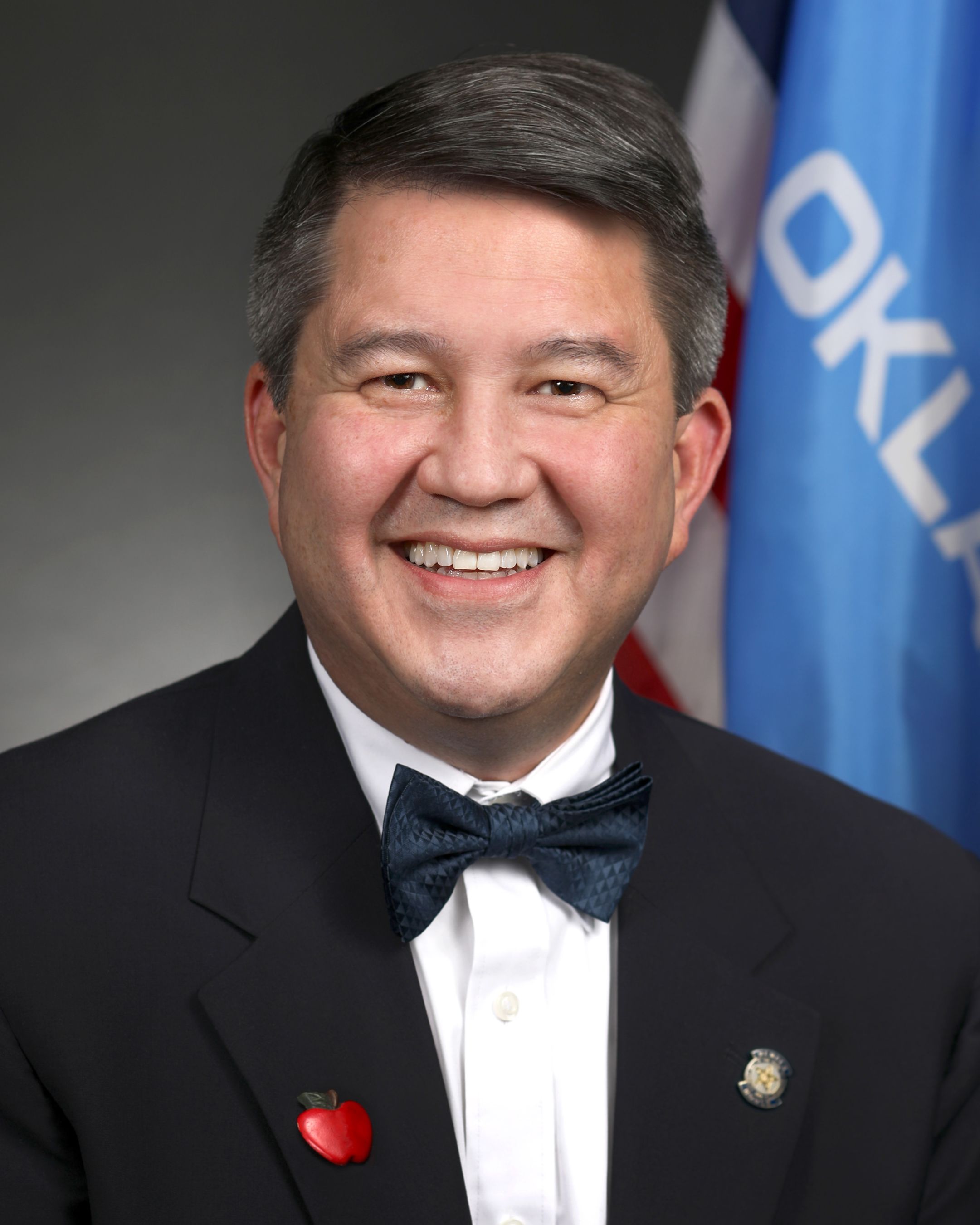
Rande Worthen
Rande Worthen House · District 64
R
Strong +
83% 6
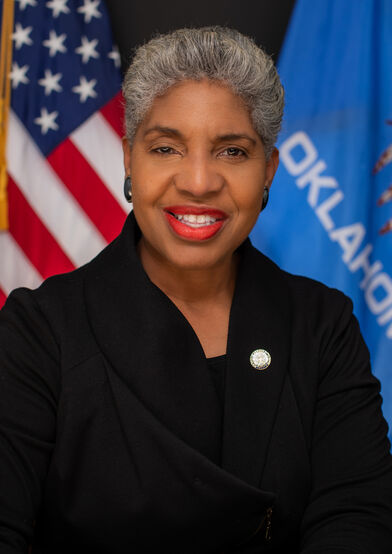
Regina Goodwin
Regina Goodwin Senate · District 11
D
Strong +
80% 5
Andy Fugate
Andy Fugate House · District 94
D
Support
75% 4
David Smith
David Smith House · District 18
R
Support
75% 4
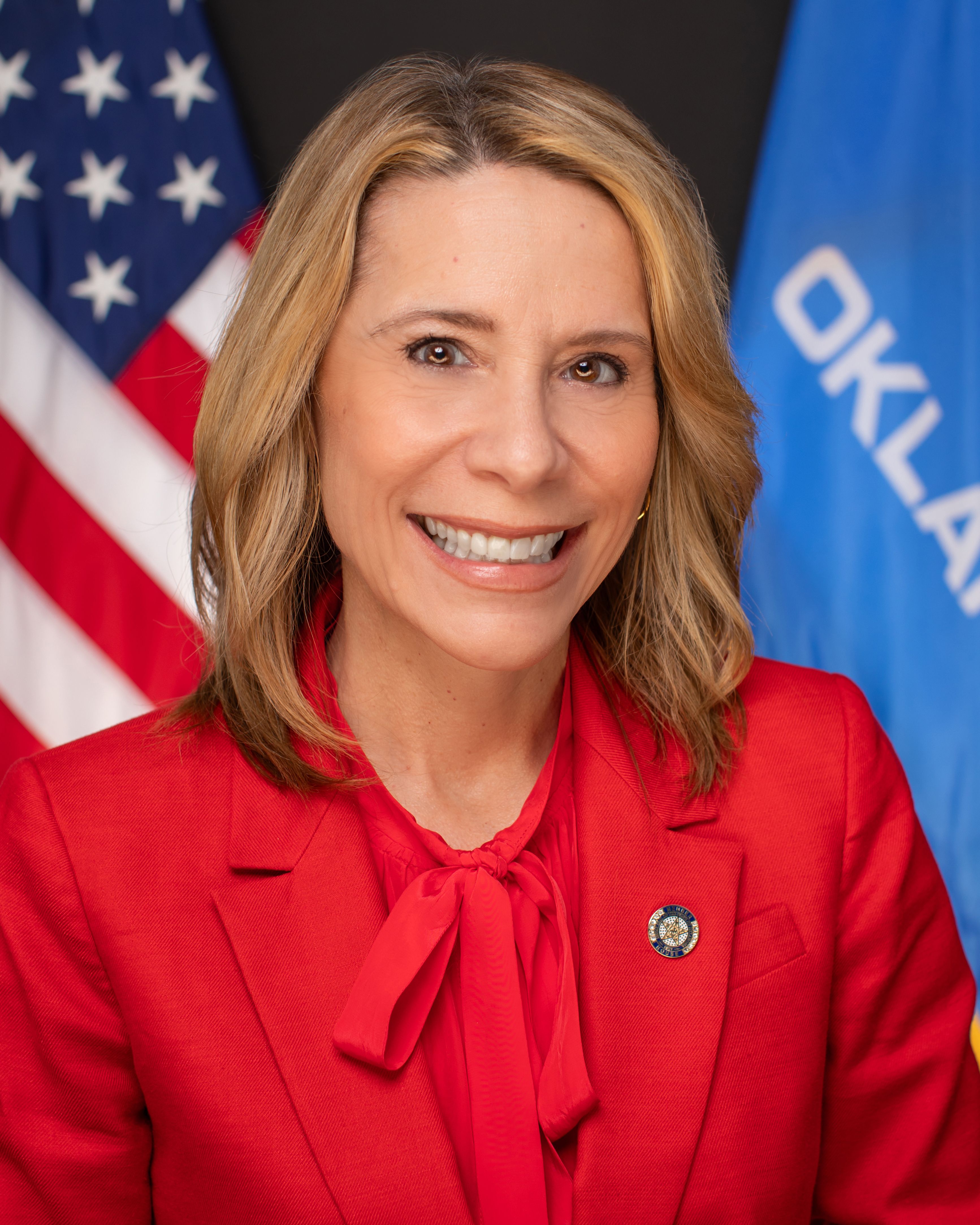
Ellyn Hefner
Ellyn Hefner House · District 87
D
Support
75% 4
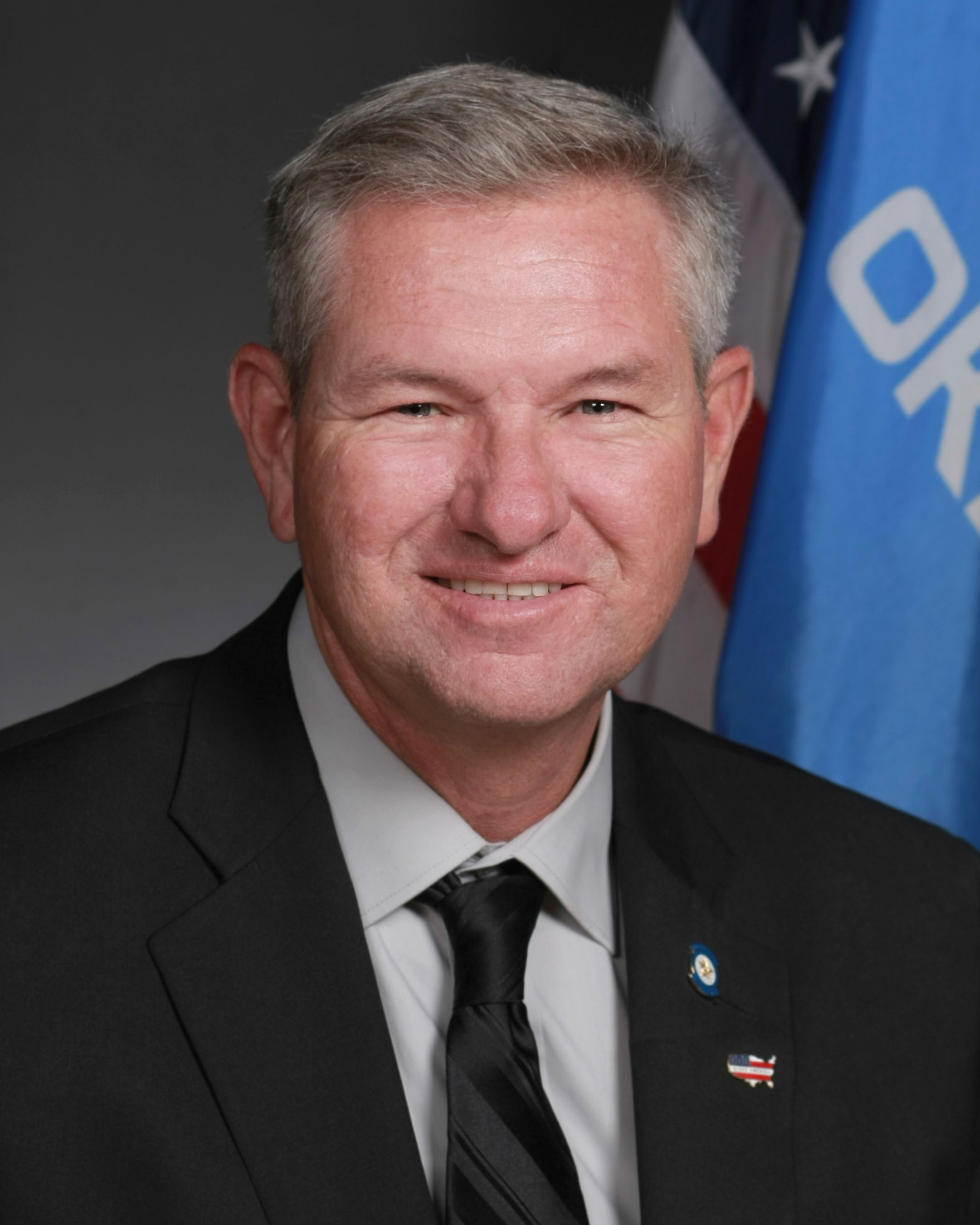
John Pfeiffer
John Pfeiffer House · District 38
R
Strong −
0% 3
Josh West
Josh West House · District 5
R
Strong −
0% 3
Anthony Moore
Anthony Moore House · District 57
R
Strong −
20% 5
Jonathan Wingard
Jonathan Wingard Senate · District 13
R
Strong −
20% 5
Spencer Kern
Spencer Kern Senate · District 31
R
Strong −
20% 5
Showing 21–30 of 48 bills

All criminal justice bills

signed · Oklahoma · Senate May 13, 2026

SB 2011: Assault and battery; modifying scope of certain offenses. Effective date.

SB 2011 expands Oklahoma's Class B5 criminal offense classification by adding 37 specific crimes, including domestic violence against intimate partners, assaults on police officers, stalking, and certain animal cruelty acts. This change affects individuals convicted of these offenses by subjecting them to the more severe penalties associated with Class B5, a higher-level criminal classification. The bill also updates statutory references to ensure consistency in the law. Introduced in the 2026 Oklahoma Legislature, it was referred to the Judiciary Committee.
signed · Oklahoma · Senate May 12, 2026

SB 1325: Protection from Domestic Abuse Act; requiring defendants charged with certain domestic violence offenses to use a Global Positioning System (GPS) device when released on bond. Effective date.

SB 1325 requires courts to mandate GPS monitoring for defendants charged with specific domestic violence offenses - such as domestic abuse by strangulation, with a deadly weapon, or after a prior conviction - when released on bond. Defendants must pay all costs for the GPS device and monitoring, which the Oklahoma Department of Corrections will administer until the case concludes. Victims may also request limited location monitoring (e.g., alerts if the defendant nears specified locations, excluding their home or workplace), but only after a court finds evidence of the defendant’s intent to commit violence. The bill takes effect November 1, 2026, and GPS devices must be removed if the defendant is acquitted, incarcerated, or the case dismissed.
signed · Oklahoma · Senate May 14, 2025

SB 731: Oklahoma Evidence Code; modifying certain hearsay exception to include statements by vulnerable adults. Effective date.

SB 731 expands Oklahoma's evidence rules to allow statements from "vulnerable adults" (as defined in state law) to be admitted as evidence in court cases involving abuse, neglect, or sexual contact. The bill specifically permits such statements in juvenile delinquency cases, criminal trials, and related proceedings when the vulnerable adult is a victim or witness to crimes like physical abuse, sexual assault, or domestic violence. These statements can be used without the person testifying in court if they're unavailable or if the court deems the statement non-testimonial. The law applies to cases involving specific crimes listed in Oklahoma statutes, including those against children or vulnerable adults.
signed · Oklahoma · Senate May 12, 2025

SB 813: Victim protective orders; modifying requirements for filing of certain petitions; requiring certain notice. Effective date. Emergency.

SB 813 updates Oklahoma's emergency protective order process for victims of domestic violence, stalking, harassment, rape, or related crimes. It requires peace officers to immediately provide victims with a petition form, assist in completing it, and contact a judge for emergency approval - then give victims a copy of the petition and a written statement confirming approval. The bill also mandates officers attempt to serve the order on the abuser, and if unable, file the petition with the court the next business day, with court clerks prioritizing service and assigning hearing dates. Additionally, it repeals a previous "Stalking Warning Letter" requirement and clarifies notice procedures to ensure victims receive timely information.
signed · Oklahoma · Senate May 15, 2025

SB 607: Oklahoma Evidence Code; providing for admissibility of certain statements in certain proceedings. Effective date.

SB 607 allows statements made by domestic abuse victims to law enforcement within one week of an incident, on protective order applications within one week, or as testimony at protective order hearings to be automatically admissible as evidence in criminal and juvenile domestic abuse cases. This applies to pre-trial hearings, probation revocation hearings, and other related proceedings. The bill directly affects victims seeking legal protection and prosecutors building cases, streamlining the use of timely victim statements without requiring additional verification. It becomes effective November 1, 2025, and codifies these admissibility rules in Oklahoma's Evidence Code.
in committee · Oklahoma · Senate Feb 4, 2025

SB 163: Child custody; defining term. Effective date.

SB 163 amends Oklahoma's child custody law to clarify and strengthen requirements for joint custody arrangements. It requires parents seeking joint custody to submit detailed written plans covering living arrangements, child support, medical care, school placement, and visitation, along with signed affidavits agreeing to the plan. The bill creates a strong presumption that joint custody is inappropriate if domestic violence, child abuse, stalking, or harassment has occurred, prioritizing the child's safety. Courts must consider the victim's safety as a primary factor and can modify or terminate joint custody plans if they determine it's not in the child's best interest. The law becomes effective upon enactment.
Sub-Topics Domestic Violence
in committee · Oklahoma · Senate Feb 4, 2025

SB 1093: Judicial training; requiring specified amount of annual training for certain judges. Effective date.

SB 1093 requires judges who handle domestic violence cases in Oklahoma to complete eight hours of annual judicial training. The training covers domestic violence dynamics, trauma impacts on victims and children, identifying aggressors, batterer tactics, victim protection orders, victim rights, and evidence-based practices for substance abuse and mental health treatment. This applies specifically to judges presiding over domestic violence cases and is subject to available funding. The bill becomes effective November 1, 2025.
Sub-Topics Domestic Violence
signed · Oklahoma · House May 12, 2025

HB 1413: Domestic violence; making certain pleas or finding of guilt to stalking violations constitute a conviction for purposes of sentencing; effective date.

HB 1413 amends Oklahoma law to treat certain pleas or findings of guilt for stalking violations as formal convictions for sentencing in domestic violence cases. This change directly affects individuals who commit stalking offenses and later face domestic violence charges, as prior stalking pleas or findings will now count as prior convictions. The bill modifies sentencing provisions under Oklahoma Statutes Title 21, Section 1173, ensuring that stalking-related convictions impact sentencing severity for subsequent domestic violence offenses. This policy change standardizes how stalking history is considered in domestic violence sentencing without altering the underlying stalking penalties.
vetoed · Oklahoma · House May 29, 2025

HB 1273: Domestic violence; providing for alternative batterers' intervention programs; effective date.

HB 1273 creates an alternative batterers' intervention program option for defendants convicted of domestic abuse in Oklahoma. It requires courts to mandate participation in either a standard 52-week batterers' intervention program or a shorter 26-week certified alternative program. The alternative programs, approved by the Attorney General, must prioritize victim safety and include specific strategies to stop violence and hold offenders accountable. This change directly affects individuals convicted of domestic abuse under Oklahoma law and the domestic violence organizations providing these certified programs. The bill amends sentencing requirements to allow courts to order completion of the alternative program instead of the standard 52-week option.
passed · Oklahoma · House Apr 22, 2025

HB 2802: Professions and occupations; additional terms; effective date.

HB 2802 amends Oklahoma's licensing laws for professions and occupations to limit when criminal history can block a license. It prohibits denial based on sealed/expunged records, arrests without conviction, or convictions over five years old (unless involving specific violent offenses like domestic abuse or sex offenses). Licensing agencies must now consider factors like the offense's relevance to the job, time passed, rehabilitation efforts, and provide written notice with appeal rights if denying a license. This directly affects applicants with criminal records seeking licenses for jobs like nursing, contracting, or childcare, ensuring decisions are based on specific, relevant criteria rather than vague standards.
Sub-Topics Domestic Violence Professional Licensing Tags Licensing
Showing 21 to 30 of 48 bills
Previous 1 2 3 4 5 Next