Issue · Criminal Justice

Criminal Justice

Every criminal justice bill, vote, and legislator stance in Oklahoma, automatically classified by Maddy, our AI policy reader.

Total bills
139
2026 Regular Session
Top supporter
Aletia Timmons
76% support rate
Top opponent
Brian Guthrie
24% support rate
Ranked legislators
10
5 support · 5 oppose
Key legislators

Who's moving criminal justice in Oklahoma

Legislators moving criminal justice in Oklahoma
Legislator Party Stance Support rate Votes
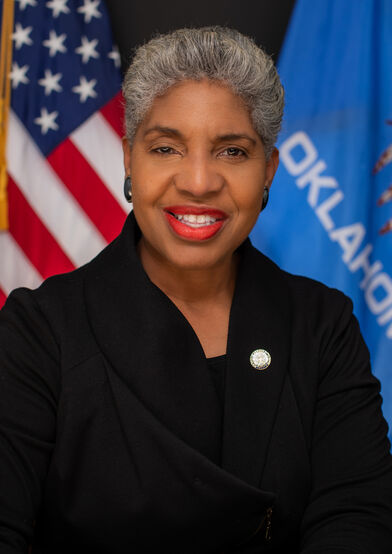
Aletia Timmons
Aletia Timmons House · District 97
D
Support
76% 91
Regina Goodwin
Regina Goodwin Senate · District 11
D
Support
73% 225
Michael Brooks
Michael Brooks Senate · District 44
D
Support
72% 274
Carri Hicks
Carri Hicks Senate · District 40
D
Support
71% 184
Julia Kirt
Julia Kirt Senate · District 30
D
Support
70% 174
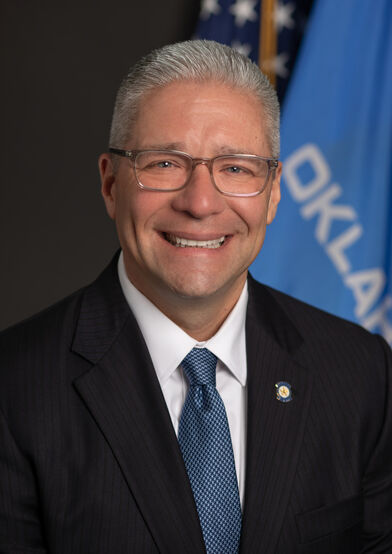
Brian Guthrie
Brian Guthrie Senate · District 25
R
Oppose
24% 158
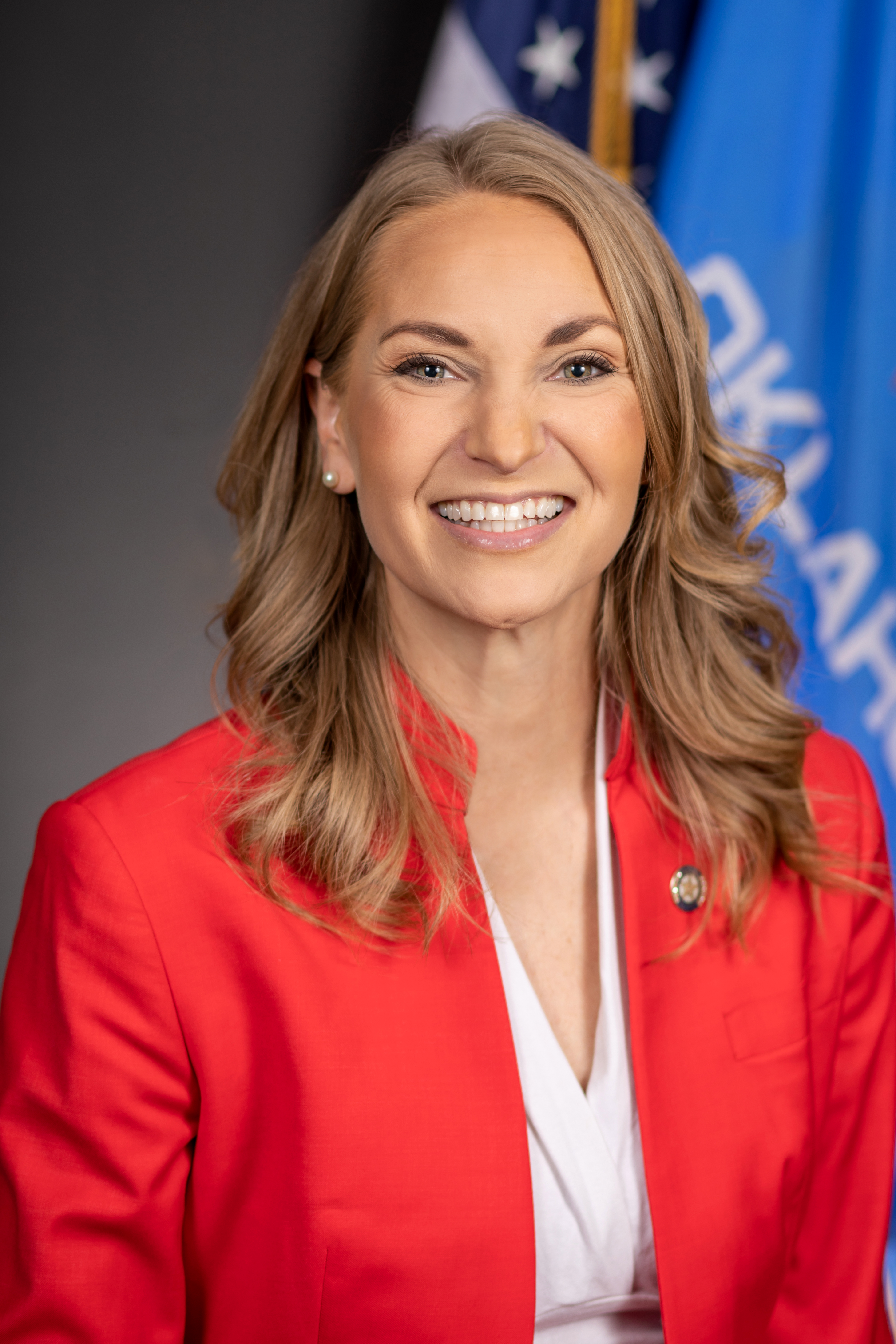
Lisa Standridge
Lisa Standridge Senate · District 15
R
Oppose
26% 220
Jay Steagall
Jay Steagall House · District 43
R
Oppose
27% 149
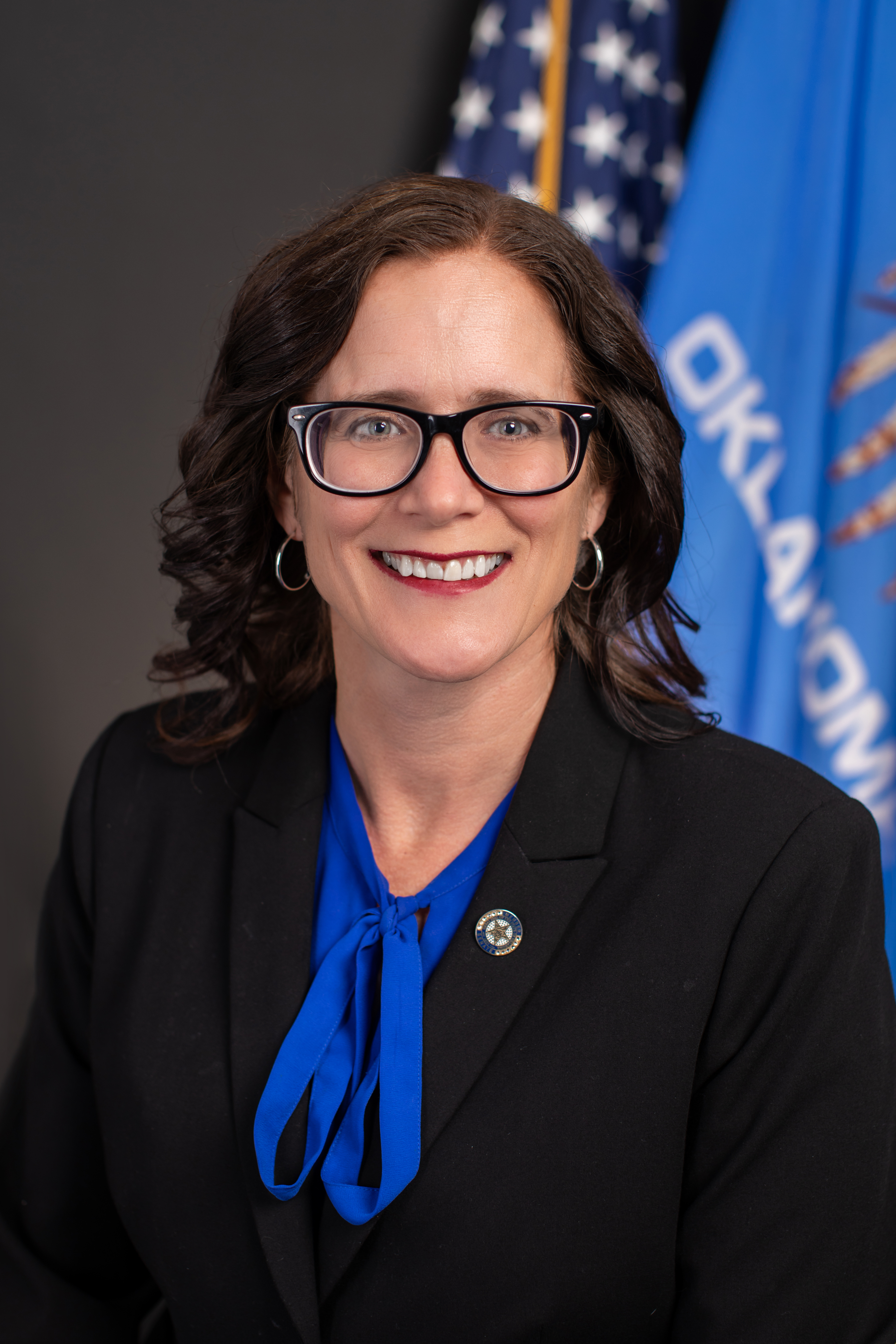
Julie McIntosh
Julie McIntosh Senate · District 3
R
Oppose
28% 164
Dusty Deevers
Dusty Deevers Senate · District 32
R
Oppose
28% 156
Showing 131–139 of 139 bills

All criminal justice bills

in committee · Oklahoma · Senate Feb 4, 2025

SB 502: Crimes and punishment; creating felony offense. Effective date.

SB 502 defines "cannibalism" as willingly ingesting human flesh, blood, or tissue and makes it a felony punishable by up to 14 years in prison. The bill directly affects anyone who commits this act, creating a new criminal offense under Oklahoma law. It codifies this definition in Title 21 of the Oklahoma Statutes and takes effect November 1, 2025. The law establishes clear penalties without specifying additional circumstances or exceptions.
Sub-Topics Corrections
in committee · Oklahoma · House Feb 4, 2025

HB 1153: Crimes and punishments; increasing penalties for certain unlawful act; effective date.

HB 1153 increases penalties for distributing obscene material or child sexual abuse material in Oklahoma. It raises punishments for distributing obscene material to a misdemeanor felony (1-3 years in jail or $2,000 fine), and for child sexual abuse material to a felony (3-20 years in prison or $10,000 fine for first offense; 10-30 years or $20,000 fine for repeat offenses), with mandatory sex offender registration. The bill directly affects individuals who distribute such material, including photos, videos, or publications. Key provisions include steeper fines, longer prison terms for repeat violations, and automatic sex offender registration upon conviction. The law takes effect November 1, 2025.
Sub-Topics Corrections
signed · Oklahoma · House May 12, 2025

HB 1595: Crimes and punishments; assault and battery offenses; increasing penalties; effective date.

HB 1595 increases penalties for assault and battery offenses in Oklahoma, with specific enhancements for domestic violence cases. It raises jail terms for basic assault (to 90 days) and assault/battery (to 6 months), while creating felony charges for domestic abuse involving weapons (up to life imprisonment for deadly weapons) or against pregnant women (up to 20 years for injury to the fetus). The bill mandates 52-week certified batterers' intervention programs for domestic violence offenders convicted under these provisions, with strict attendance requirements, and requires courts to order counseling as a condition of probation. This directly affects individuals convicted of domestic violence against intimate partners or family members, as defined by Oklahoma law, and expands sentencing options for prosecutors. The law became effective May 12, 2025, after being signed without the Governor's signature.
signed · Oklahoma · Senate May 14, 2025

SB 657: Justifiable homicide; authorizing appeal of certain ruling to Court of Criminal Appeals. Effective date.

SB 657 (Oklahoma Senate Bill 657) allows police officers and others acting under their command to appeal pretrial rulings finding their use of deadly force unjustified directly to the Oklahoma Court of Criminal Appeals within 10 days. The law requires the court to give these appeals priority and automatically stays the underlying case while the appeal is pending. Officers who miss the 10-day deadline forfeit the immediate appeal but retain the right to raise the issue at trial or on direct appeal. The bill amends Oklahoma Statute 21 O.S. 2021, Section 732, and takes effect November 1, 2025.
signed · Oklahoma · Senate May 12, 2025

SB 630: Crimes and punishments; expanding scope of certain offense related to rape. Effective date.

SB 630 expands Oklahoma's legal definition of rape to include new scenarios involving vulnerable individuals. It specifically makes it rape when a person under 20 engages in sexual intercourse with a school employee (including contractors) while a student at an elementary, secondary, or vocational school. The bill also adds rape charges for sexual acts between a foster youth (19 or younger) and a foster parent or applicant, or between a victim in state custody and a foster parent or agency employee. These changes directly affect minors and individuals under legal custody or supervision who interact with authority figures in educational or care settings. The law becomes effective November 1, 2025.
in committee · Oklahoma · Senate Mar 11, 2025

SB 780: Flag-related offenses; creating felony offense and providing penalties. Effective date.

SB 780 creates a felony offense for removing or taking down the U.S. flag from public property or private property (without permission) and replacing it with another flag. It directly affects individuals who handle U.S. flags on public or private property, including property owned by others. The bill imposes penalties of up to $3,000 in fines, up to three years in prison, or both for violations. The law becomes effective November 1, 2025.
Sub-Topics Corrections
in committee · Oklahoma · Senate Feb 24, 2025

SB 537: Cities and towns; requiring removal of vagrant within certain distance of business upon certain determination. Effective date.

SB 537 amends Oklahoma's vagrancy law to allow business owners to request police removal of individuals deemed "vagrants" (defined as those in public/private space for illegal purposes) who are within 12 feet of their business doorway. If police confirm the person meets this definition, they must relocate the individual at least one-half mile away from the business, ensuring the new location is not within one-quarter mile of any other business. This bill directly affects businesses seeking to address perceived disruptions, individuals potentially relocated under the policy, and law enforcement officers carrying out the procedure. The law takes effect November 1, 2025.
passed · Oklahoma · Senate Apr 17, 2025

SB 871: Crimes and punishments; required service of minimum percentage of sentence; modifying statutory references to certain criminal offenses. Effective date.

SB 871 modifies Oklahoma's law against eluding police officers by updating penalty structures for different offenses. For first-time offenders, it increases the maximum fine for misdemeanor eluding from $2,000 to $5,000 and raises the jail term for second offenses to up to one year. If eluding endangers others, the offense becomes a felony punishable by 1-5 years in state prison; if it causes "great bodily injury" (defined as serious harm like permanent disfigurement or long-term disability), penalties increase to 1-7 years. The bill also clarifies legal language around these offenses and takes effect November 1, 2025. It directly affects drivers convicted of eluding police in Oklahoma.
Sub-Topics Corrections Policing
in committee · Oklahoma · Senate Feb 4, 2025

SB 637: Appeal of criminal prosecutions; clarifying immunity provision for persons asserting certain claim; authorizing defendant to file motion to dismiss charges under certain circumstances. Effective date.

SB 637 amends Oklahoma law to clarify immunity for officers using deadly force and streamline related legal processes. It allows officers charged with unlawful deadly force to file a motion to dismiss charges before trial, and if denied, appeal directly to a county or district chief judge. The bill also updates appeal procedures so the state can challenge court rulings that find officers "not subject to criminal prosecution" under Section 732 of Title 21. This directly affects law enforcement officers facing criminal charges after using deadly force and the state’s ability to appeal pretrial dismissals.
Showing 131 to 139 of 139 bills
Previous 1 12 13 14