Issue · Criminal Justice

Criminal Justice (Corrections)

Every criminal justice bill, vote, and legislator stance in Oklahoma, automatically classified by Maddy, our AI policy reader.

Total bills
124
2026 Regular Session
Top supporter
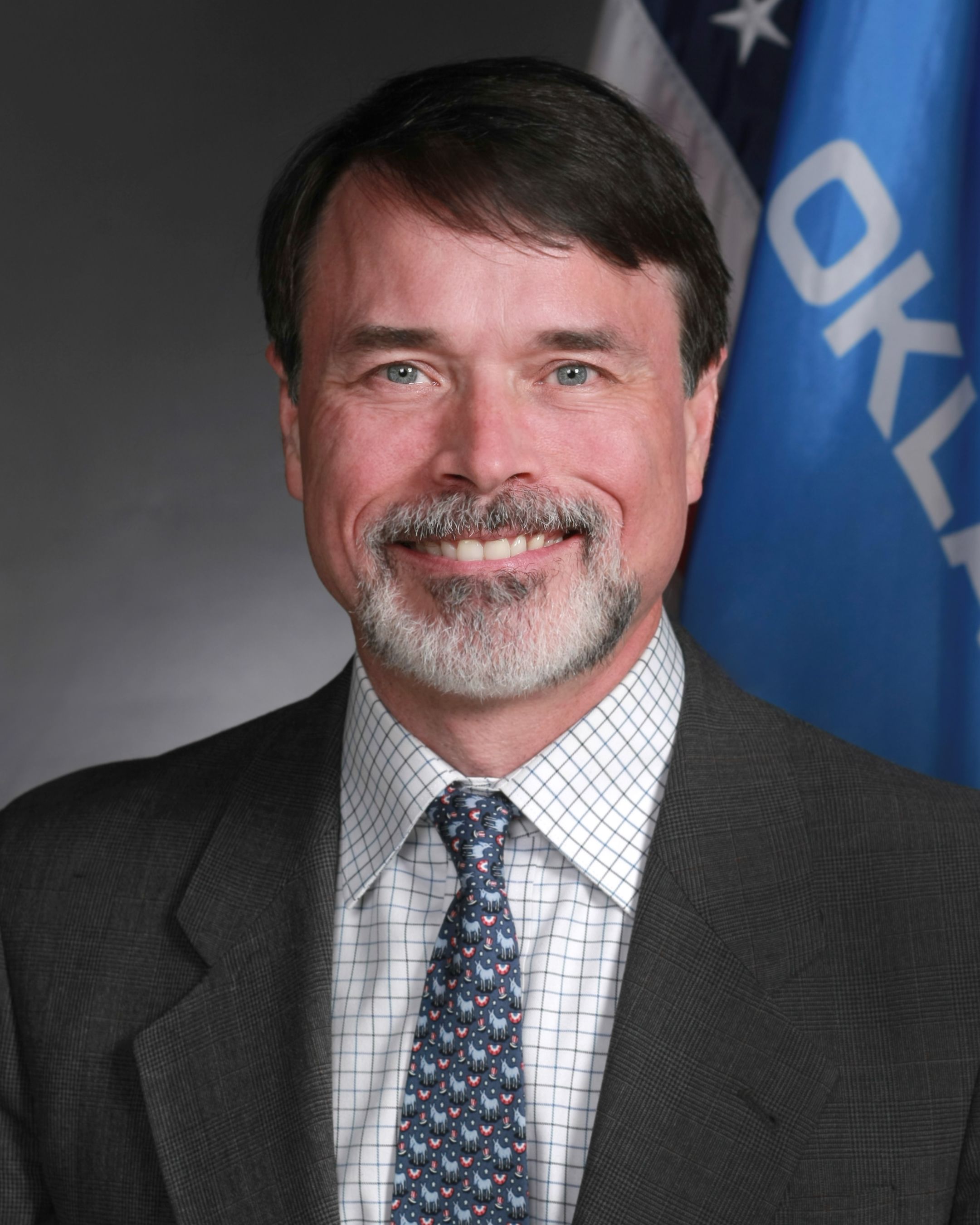
John Waldron
89% support rate
Top opponent
Lisa Standridge
12% support rate
Ranked legislators
10
5 support · 5 oppose
Key legislators

Who's moving corrections in Oklahoma

Legislators moving corrections in Oklahoma
Legislator Party Stance Support rate Votes
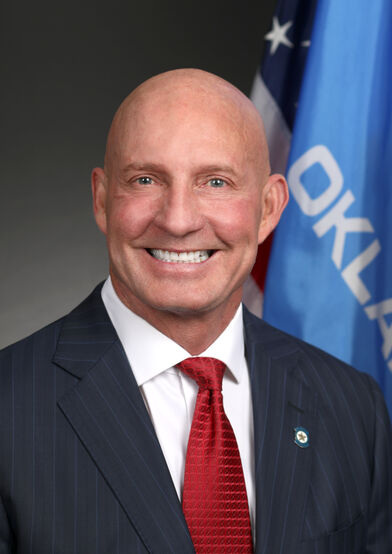
John Waldron
John Waldron House · District 77
D
Strong +
89% 19
Michael Brooks
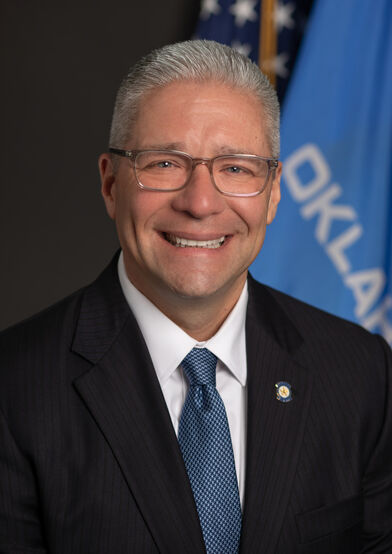
Michael Brooks Senate · District 44
D
Strong +
88% 51
Regina Goodwin
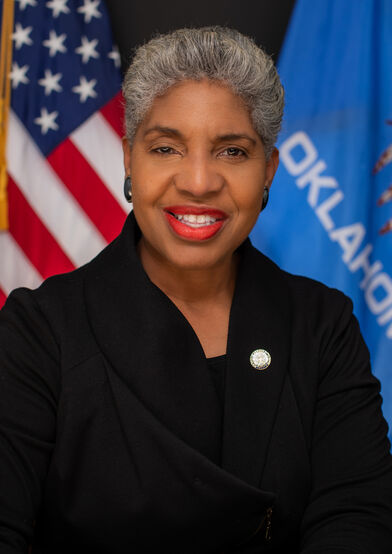
Regina Goodwin Senate · District 11
D
Strong +
87% 45
Michelle McCane
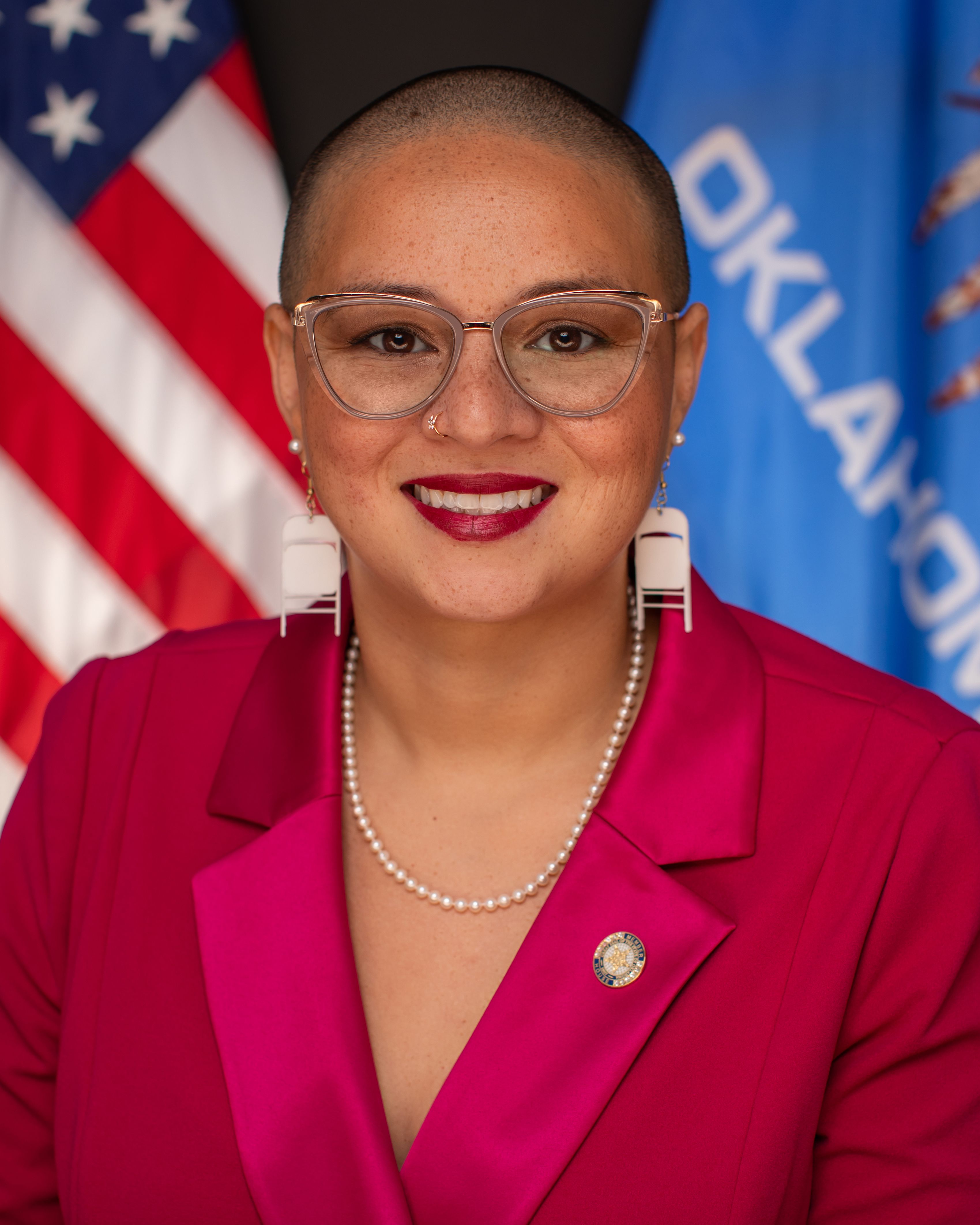
Michelle McCane House · District 72
D
Strong +
86% 22
Nikki Nice
Nikki Nice Senate · District 48
D
Strong +
85% 27
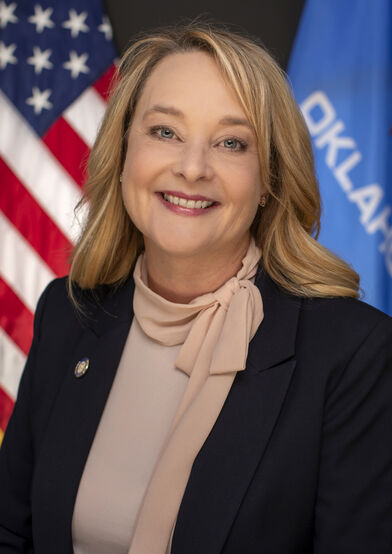
Lisa Standridge
Lisa Standridge Senate · District 15
R
Strong −
12% 32
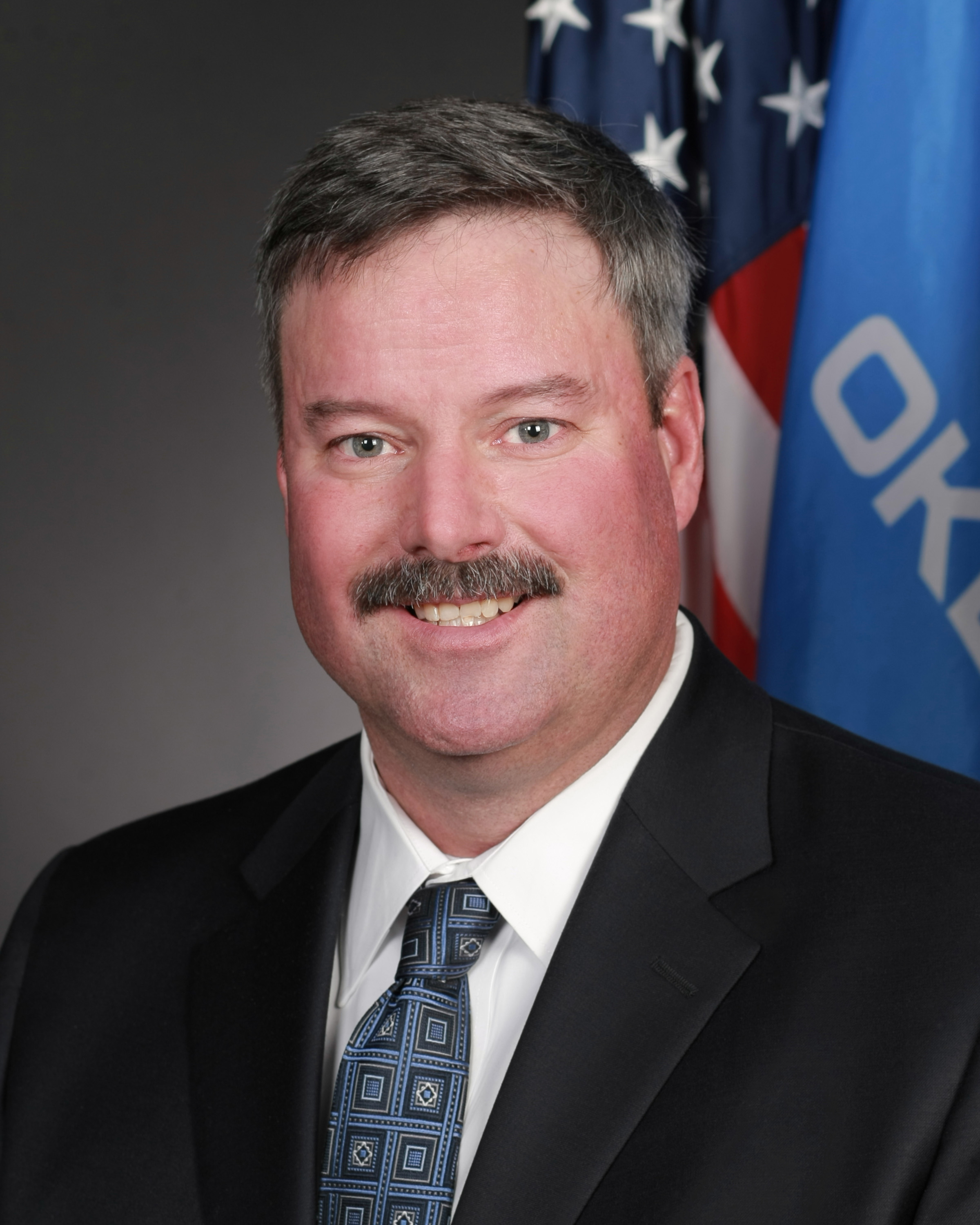
Casey Murdock
Casey Murdock Senate · District 27
R
Strong −
14% 43
Darrell Weaver
Darrell Weaver Senate · District 24
R
Strong −
14% 43
Jay Steagall
Jay Steagall House · District 43
R
Strong −
14% 14
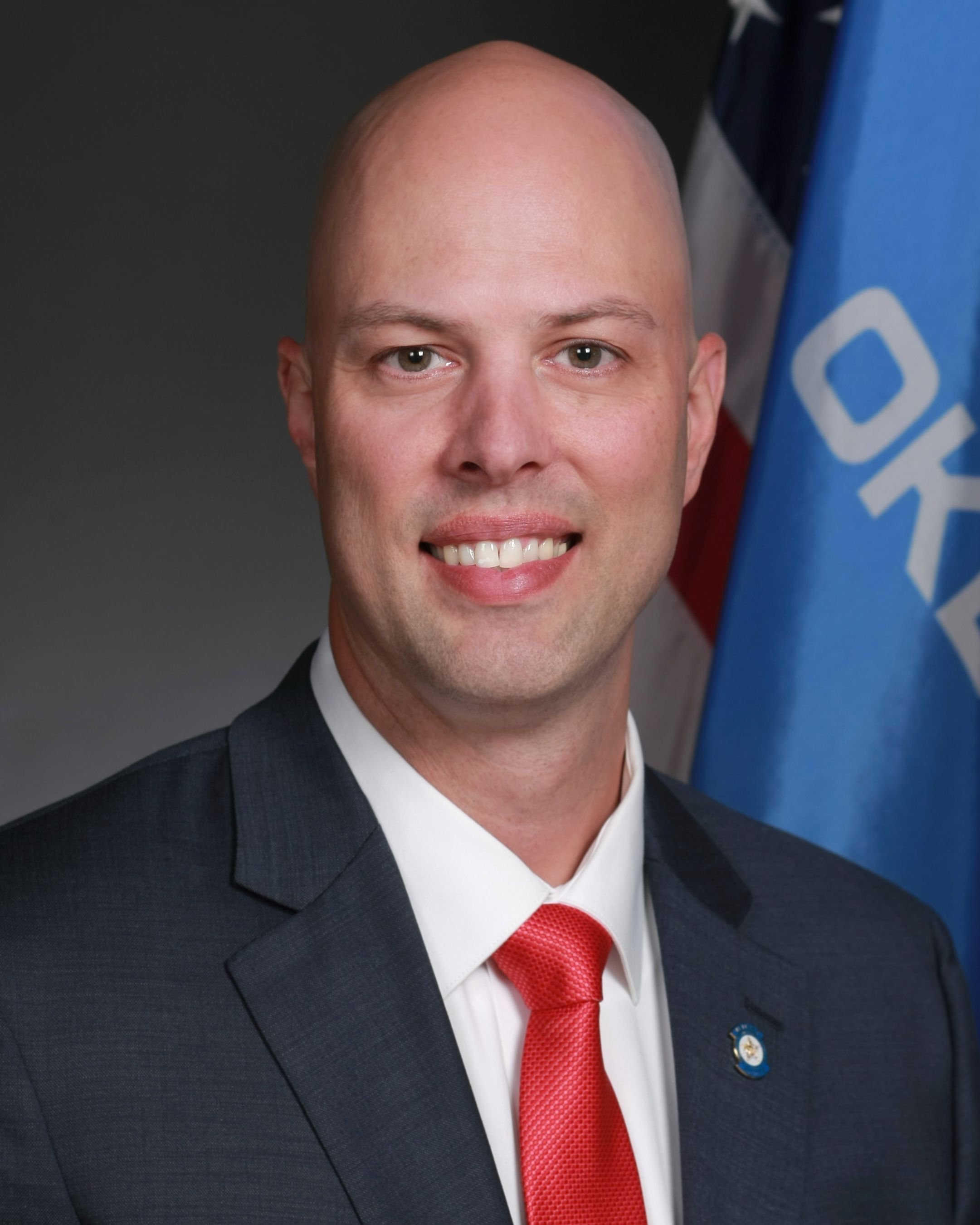
Shane Jett
Shane Jett Senate · District 17
R
Strong −
15% 27
Showing 111–120 of 124 bills

All criminal justice bills

vetoed · Oklahoma · House May 29, 2025

HB 1592: Larceny; providing elements of organized retail crime; codification; effective date.

HB 1592 defines "organized retail crime" in Oklahoma, making it a separate offense when two or more specific circumstances occur during retail theft (such as property intended for resale, multiple people acting jointly, using tools to evade detection, or removing anti-shoplifting devices). It sets penalties: up to 5 years in prison or a $1,000 fine for stolen property under $15,000, and up to 8 years in prison or a $1,000 fine for $15,000 or more, plus mandatory restitution. The bill also amends statutes to clarify "pattern of criminal offenses" and recreates the Oklahoma Organized Retail Crime Task Force to study retail theft countermeasures. This law directly affects individuals committing retail theft meeting the defined criteria, with the task force providing policy recommendations until December 2024.
in committee · Oklahoma · House Feb 4, 2025

HB 1319: Prisons and reformatories; granting elected state officials the right to access facilities operated by the Department of Corrections for purposes of inspection and evaluation; codification; effective date.

HB 1319 grants elected state officials (such as legislators and the governor) the right to inspect Oklahoma's correctional facilities, including unannounced visits, to verify compliance with Department of Corrections policies. The bill requires the Department to allow officials access to inmates upon request and implement security protocols that maintain safety during visits without compromising facility operations. Higher-risk facilities will receive more frequent inspections. The law takes effect on November 1, 2025.
Sub-Topics Corrections
signed · Oklahoma · Senate Apr 28, 2025

SB 595: Jail standards; creating the Oklahoma Jail Standards Act. Emergency.

SB 595 creates the Oklahoma Jail Standards Act, requiring all city and county jails to meet new safety, health, and operational standards. It mandates annual inspections by the State Department of Health, sets specific requirements for inmate food, sanitation, medical care, staff training (4-8 hours yearly for direct-contact staff), and inmate classification, and requires facilities to develop written policies for emergencies and medical services. The bill directly affects all county jails, sheriff's departments, and facility administrators, while allowing temporary tent jails to operate under different rules. The Act also clarifies that medical care must cover illnesses or injuries from arrest through incarceration, and includes exceptions for short-term holding facilities under 12 hours.
signed · Oklahoma · House May 5, 2025

HB 1001: Crimes and punishments; Lauria and Ashley's Law; minimum prison sentences; effective date.

HB 1001, known as "Lauria and Ashley's Law," requires individuals convicted of 23 specific serious crimes - including murder, rape, child exploitation, trafficking, and certain violent assaults - to serve at least 85% of their prison sentence before becoming eligible for parole. It prohibits earned credits or other reductions that would shorten sentences below this 85% threshold. The law applies to all offenders convicted of these designated offenses and takes effect November 1, 2025. It was signed into law by the Governor on May 5, 2025.
in committee · Oklahoma · Senate Mar 12, 2025

SB 928: Assault and battery; creating misdemeanor and felony offenses. Effective date.

SB 928 creates new misdemeanor and felony charges for assaulting or battering county employees while they are performing their duties. It defines "county employee" broadly to include workers for counties and contracted firms. Simple assault/battery becomes a misdemeanor (up to 1 year in jail or $1,000 fine), while aggravated attacks become felonies (up to 2 years in prison or $5,000 fine). The bill also requires counties to post clear signage stating that felony charges may apply for such attacks. This law directly affects county employees and aims to strengthen protections for them during work.
in committee · Oklahoma · House Feb 4, 2025

HB 1061: Crimes and punishments; making certain acts unlawful; codification; effective date.

HB 1061 makes it a crime to intentionally assault or batter municipal, county, or state officials while they are performing their official duties. It creates two offenses: a misdemeanor for assault (up to 1 year in jail or $1,000 fine) and a felony for battery or assault-and-battery (up to 5 years in prison or $5,000 fine). The law specifically covers officials like police, fire, health, code enforcement, and zoning personnel, as defined in the bill. It applies to intentional harm without justifiable cause, directly affecting both officials performing their duties and individuals who target them. The bill takes effect November 1, 2025.
in committee · Oklahoma · House Feb 4, 2025

HB 2186: Pretrial data; Pretrial Collection Data Act; requiring certain entities to collect specific data; effective date.

HB 2186, the "Pretrial Data Collection Act," requires Oklahoma police departments, sheriff offices, and county jails to collect and report specific data about individuals in pretrial detention starting January 1, 2026. It mandates monthly collection of demographic details (like race, age, ZIP code, and unhoused status), offense information, mental health/substance use disorder status, jail costs, and facility metrics (such as operational capacity and average stay length). This data must be submitted to the Oklahoma State Bureau of Investigation and published publicly in machine-readable format by July 2026. The bill directly affects law enforcement agencies, county jails, and the public, aiming to standardize pretrial data for transparency and analysis.
in committee · Oklahoma · Senate Feb 4, 2025

SB 220: Driver licenses; requiring Service Oklahoma to enter into certain agreements related to provisional licenses. Effective date. Emergency.

SB 220 modifies Oklahoma's provisional driver license program for individuals with suspended licenses, excluding those convicted of offenses requiring mandatory license revocation (e.g., DUI). It requires Service Oklahoma to offer licenses allowing driving between 6 a.m. and 11:59 p.m. for a $5 monthly payment toward outstanding fees, with specific permitted travel routes (e.g., work, school, treatment). The Department of Corrections must provide license documentation to inmates before release. This updates existing rules to streamline reinstatement while collecting fees, effective July 1, 2025.
Sub-Topics Corrections
in committee · Oklahoma · Senate Feb 4, 2025

SB 502: Crimes and punishment; creating felony offense. Effective date.

SB 502 defines "cannibalism" as willingly ingesting human flesh, blood, or tissue and makes it a felony punishable by up to 14 years in prison. The bill directly affects anyone who commits this act, creating a new criminal offense under Oklahoma law. It codifies this definition in Title 21 of the Oklahoma Statutes and takes effect November 1, 2025. The law establishes clear penalties without specifying additional circumstances or exceptions.
Sub-Topics Corrections
signed · Oklahoma · House May 12, 2025

HB 1731: Crimes and punishment; child endangerment; effective date.

HB 1731 clarifies Oklahoma's child endangerment law, directly affecting parents, guardians, or caregivers who knowingly allow children to be in dangerous situations. It specifies four key scenarios: permitting physical/sexual abuse, allowing children at drug manufacturing sites, letting children ride with impaired drivers, or driving impaired while transporting children. The bill includes a defense if stopping abuse would cause serious harm and explicitly excludes cases where caregivers rely on spiritual healing for a child's medical needs. Convictions carry penalties of up to four years in prison or a $5,000 fine, with the law effective November 1, 2025.
Sub-Topics Corrections
Showing 111 to 120 of 124 bills