Issue · Criminal Justice

Criminal Justice

Every criminal justice bill, vote, and legislator stance in Oklahoma, automatically classified by Maddy, our AI policy reader.

Total bills
139
2026 Regular Session
Top supporter
Aletia Timmons
76% support rate
Top opponent
Brian Guthrie
24% support rate
Ranked legislators
10
5 support · 5 oppose
Key legislators

Who's moving criminal justice in Oklahoma

Legislators moving criminal justice in Oklahoma
Legislator Party Stance Support rate Votes
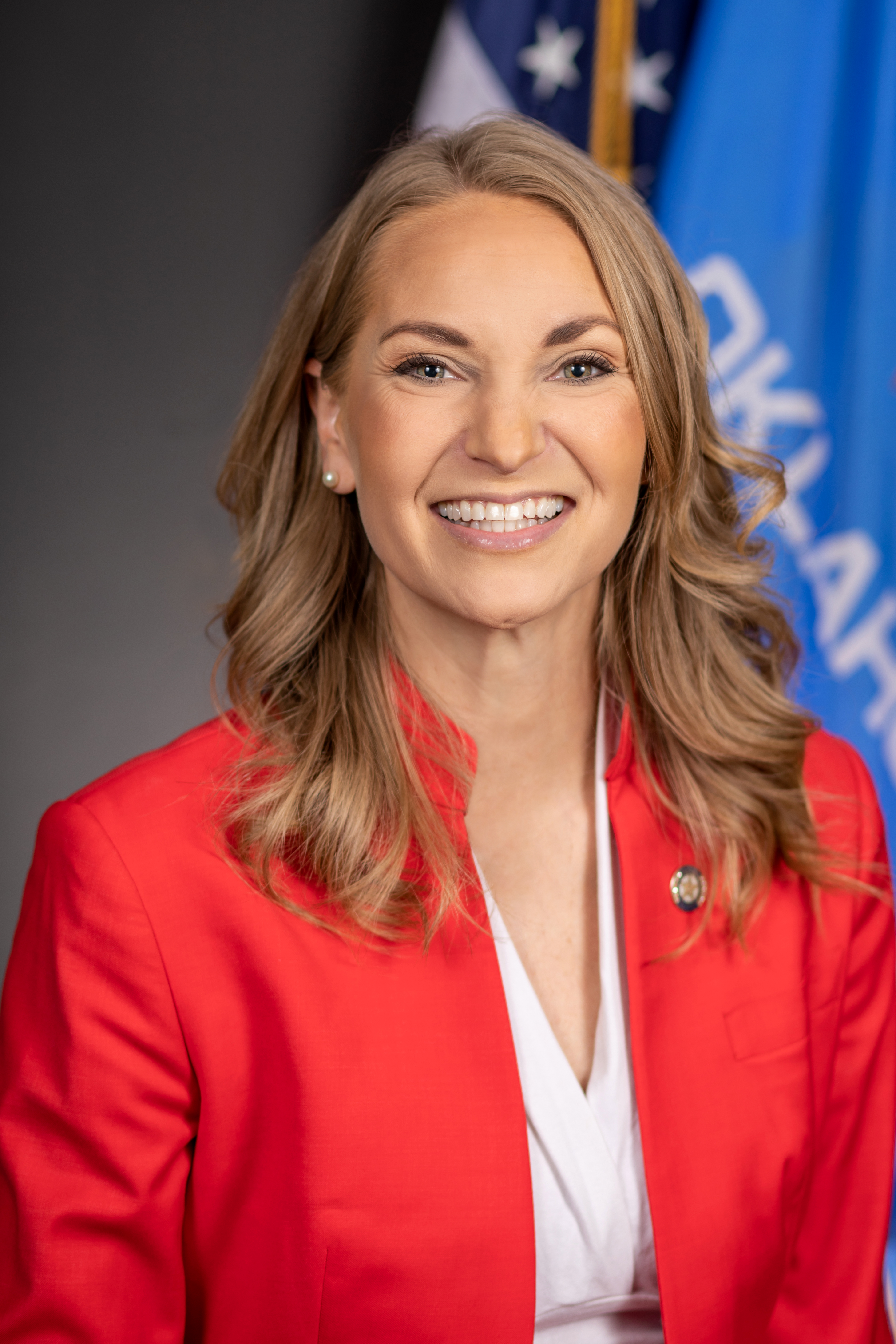
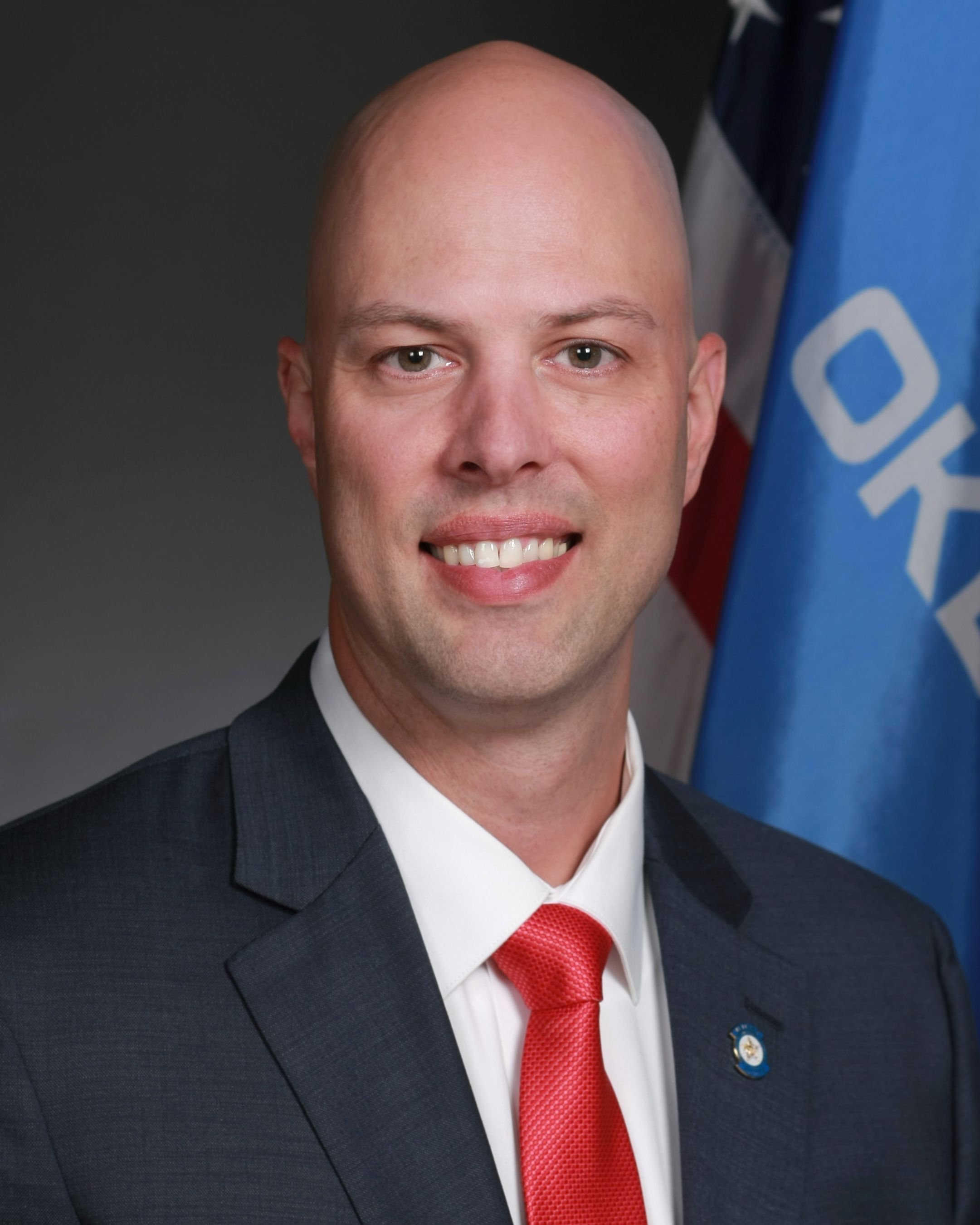
Aletia Timmons
Aletia Timmons House · District 97
D
Support
76% 91
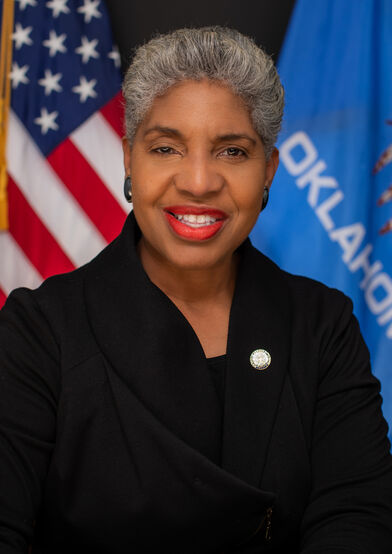
Regina Goodwin
Regina Goodwin Senate · District 11
D
Support
73% 225
Michael Brooks
Michael Brooks Senate · District 44
D
Support
72% 274
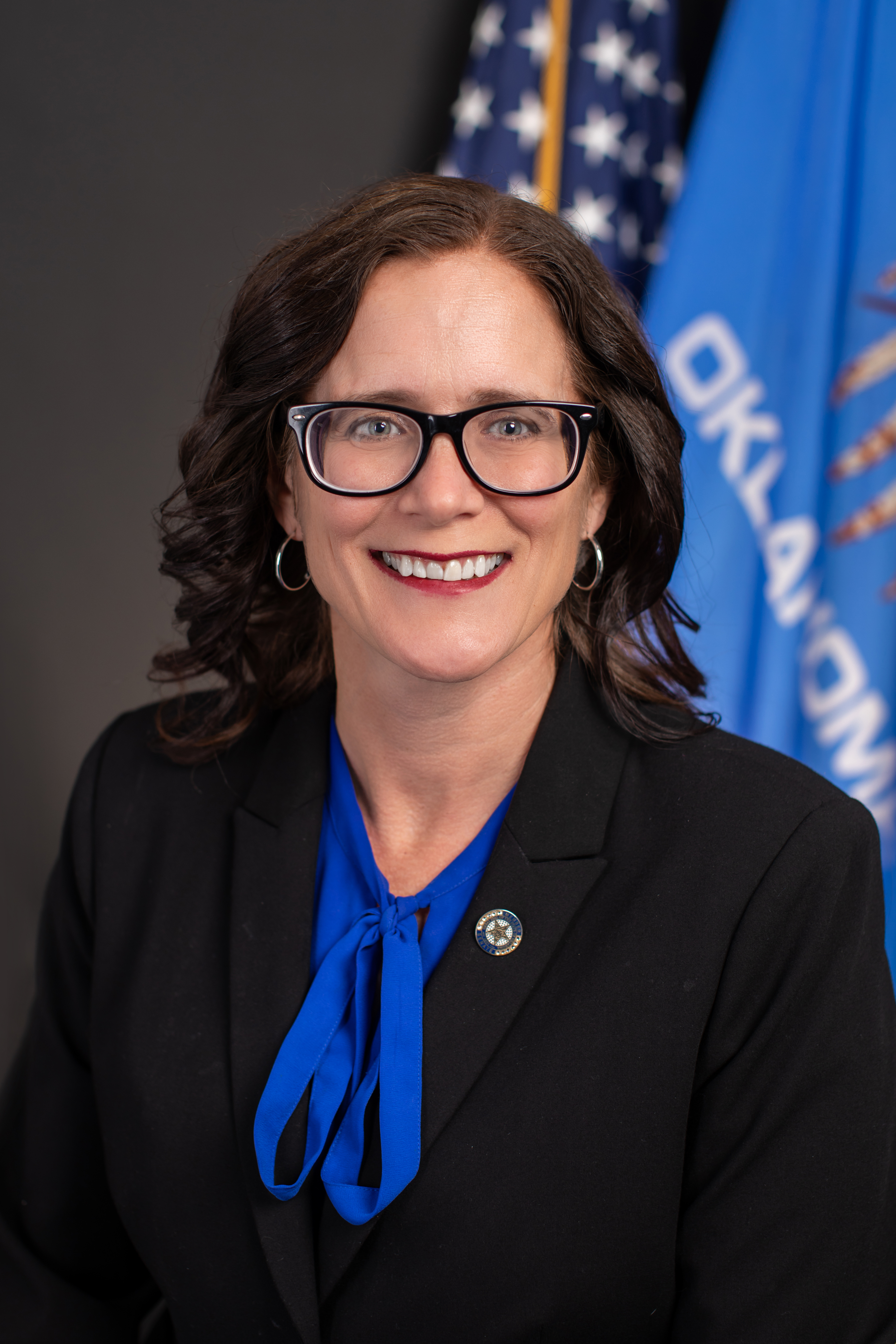
Carri Hicks
Carri Hicks Senate · District 40
D
Support
71% 184
Julia Kirt
Julia Kirt Senate · District 30
D
Support
70% 174
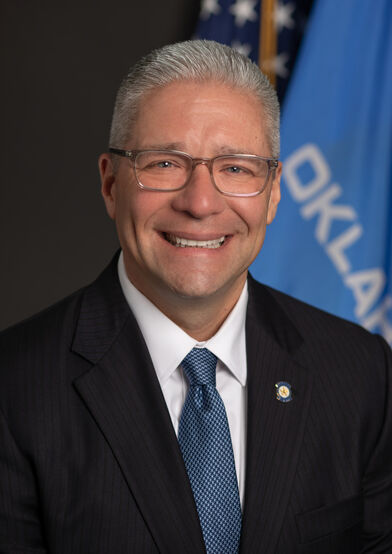
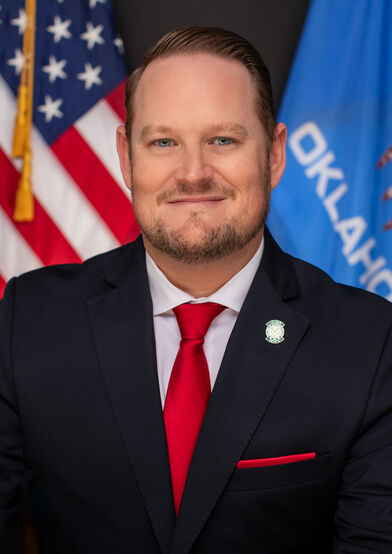
Brian Guthrie
Brian Guthrie Senate · District 25
R
Oppose
24% 158
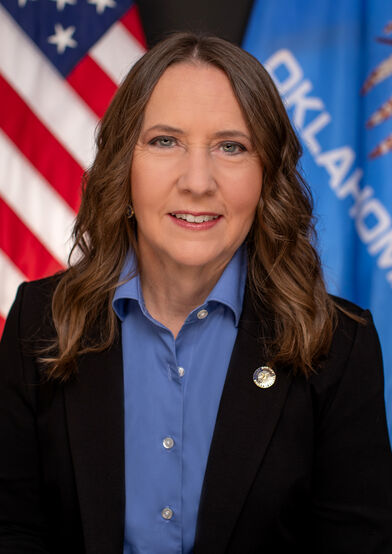
Lisa Standridge
Lisa Standridge Senate · District 15
R
Oppose
26% 220
Jay Steagall
Jay Steagall House · District 43
R
Oppose
27% 149
Julie McIntosh
Julie McIntosh Senate · District 3
R
Oppose
28% 164
Dusty Deevers
Dusty Deevers Senate · District 32
R
Oppose
28% 156
Showing 111–120 of 139 bills

All criminal justice bills

signed · Oklahoma · Senate May 13, 2026

SB 1238: Assault and battery; modifying provisions of offense related to domestic abuse in presence of a child. Effective date.

SB 1238 amends Oklahoma law to elevate certain domestic abuse offenses to a more serious criminal classification (Class B5). Specifically, it adds "second or subsequent conviction for domestic abuse committed in the presence of a child" as a qualifying offense for Class B5, which carries harsher penalties than lower classifications. This change directly affects individuals convicted of repeat domestic violence offenses where children witnessed the abuse. The bill updates statutory references to reflect this modification but does not create new penalties or alter sentencing ranges.
in committee · Oklahoma · Senate Mar 16, 2026

SB 1245: Felony offenses; modifying application of certain deferred judgement procedure. Effective date.

SB 1245 modifies which felony offenses qualify for deferred judgment procedures in Oklahoma. It specifically affects defendants charged with certain felony offenses listed in the bill, including bribery (e.g., offering bribes to legislators or judicial officers), embezzlement (e.g., by county treasurers or public officials), burglary, fraud involving $15,000 or more, and commercial gambling. The bill changes eligibility rules so that these offenses may no longer be eligible for deferred judgment, meaning convictions would require immediate sentencing instead of potential probation. This policy change directly impacts criminal defendants facing these specific charges and alters how Oklahoma courts handle their cases. The bill repeals outdated DUI-related statutes but focuses primarily on revising felony sentencing procedures.
signed · Oklahoma · Senate May 12, 2025

SB 981: Bail; authorizing denial of bail under certain circumstance. Effective date.

SB 981, now law in Oklahoma, expands circumstances where a judge may deny bail to defendants charged with specific offenses. It allows bail denial for violent offenses, crimes carrying life sentences, repeat felony offenders (two or more separate felonies), certain drug offenses (with 10+ year potential sentences), and DUI with two prior felony DUI convictions. The bill requires that for most cases, the state must prove guilt is "evident" or the presumption "great" and that no release conditions would ensure community safety. The law took effect on November 1, 2025.
Sub-Topics Judges
in committee · Oklahoma · House Feb 4, 2025

HB 1331: Crimes and punishments; critical infrastructure; prohibited acts; effective date.

HB 1331 increases penalties for trespassing on or damaging critical infrastructure facilities in Oklahoma. Simple trespass becomes a misdemeanor (up to $1,000 fine or 6 months jail), while damaging facilities or intending to disrupt operations becomes a felony (up to $100,000 fine or 10 years imprisonment). The law broadly defines "critical infrastructure" to include power plants, water treatment centers, cell towers, pipelines, and other essential facilities requiring physical barriers or clear "no trespassing" signs. Organizations conspiring with offenders face fines ten times the standard penalty for the underlying violation.
Sub-Topics Corrections
in committee · Oklahoma · Senate Feb 4, 2025

SB 881: Crimes and punishments; authorizing certain petition under certain circumstances. Effective date.

SB 881 expands Oklahoma's Class B5 criminal offenses to include 36 specific violations, such as second or subsequent domestic violence convictions, assault on police officers, stalking, sex offender registration violations, and certain animal cruelty crimes. This change directly affects individuals convicted of these offenses, classifying them under a higher penalty tier. The bill also repeals outdated infectious disease statutes (Sections 1192 and 1192.1) and updates related record-keeping requirements. It does not create new sentencing mechanisms but reclassifies existing offenses to align with revised penalty structures.
in committee · Oklahoma · Senate Feb 4, 2025

SB 156: Crimes and punishments; modifying punishments for false reporting. Effective date.

SB 156 modifies Oklahoma's false reporting laws to adjust penalties based on the severity of the crime falsely reported. It classifies making a false report about a misdemeanor as a misdemeanor (penalties up to 90 days in jail or $500 fine), while falsely reporting a felony becomes a felony with penalties matching the actual crime. Additionally, falsely reporting a missing child to trigger an AMBER alert is now a felony punishable by up to one year in jail or a $1,000 fine. The bill directly affects individuals who make false reports to law enforcement, increasing consequences for serious false claims. It takes effect on November 1, 2025.
signed · Oklahoma · House May 14, 2025

HB 2105: Felony reclassification; modifying classifications for certain crimes; effective date.

HB 2105 reclassifies specific serious crimes into higher felony categories (Class A3 and Class B1) in Oklahoma, directly affecting individuals convicted of these offenses by increasing potential penalties. It adds 21 crimes to Class A3 (including domestic assault with a deadly weapon, child sexual abuse, terrorism, and arson causing injury) and 20 crimes to Class B1 (such as caregiver abuse, certain sodomy offenses, and child pornography-related acts). The bill modifies Oklahoma's criminal code to ensure these offenses carry stricter sentencing under the new classifications. This law became effective without the Governor's signature on May 14, 2025, making the reclassifications enforceable.
in committee · Oklahoma · Senate Feb 13, 2025

SB 869: Prostitution; creating felony offense; providing for penalties. Effective date.

SB 869 reclassifies certain prostitution-related offenses from misdemeanors to felonies under Oklahoma law. It creates new felony penalties for: engaging in prostitution while knowingly infected with HIV (up to 5 years in prison), child prostitution sex trafficking (up to 10 years), and prostitution within 1,000 feet of schools or churches (up to 5 years). The bill also updates penalty structures for repeat offenses and requires community service or health notifications for convictions. This directly affects individuals engaging in these specific acts, with penalties varying based on the circumstances and prior convictions. The bill takes effect November 1, 2025.
died · Oklahoma · Senate Feb 19, 2025

SB 456: Abortion; creating the Abolition of Abortion Act; modifying applicability of provisions related to homicide and wrongful death. Emergency.

SB 456, the "Abolition of Abortion Act," would reclassify most abortion procedures as criminal homicide under Oklahoma law, defining "human being" to include unborn children and applying homicide statutes to abortion-related deaths. It exempts legal abortions with maternal consent, standard medical practices, life-saving procedures for the mother (with steps to save the fetus), and spontaneous miscarriages. The bill also modifies wrongful death claims to include unborn children and expands duress defenses for mothers who undergo abortions under threat. The bill failed in committee in February 2025 and would not take effect if passed, as it is currently pending legislative action.
in committee · Oklahoma · House Feb 4, 2025

HB 1312: Crimes and punishments; making certain acts unlawful; codification; effective date.

HB 1312 makes it a felony for individuals unlawfully present in the U.S. to be arrested for a criminal offense in Oklahoma, punishable by up to life in prison. However, courts may suspend prosecution and order deportation instead, requiring the Department of Corrections to arrange transportation to return the person to their country of origin. If someone returns to Oklahoma after deportation and is arrested again, the court can revoke the suspended sentence and impose the full original prison term. The law takes effect on November 1, 2025, directly affecting undocumented immigrants arrested for state crimes.
Showing 111 to 120 of 139 bills
Previous 1 11 12 13 14 Next