Issue · Criminal Justice

Criminal Justice

Every criminal justice bill, vote, and legislator stance in Oklahoma, automatically classified by Maddy, our AI policy reader.

Total bills
139
2026 Regular Session
Top supporter
Aletia Timmons
76% support rate
Top opponent
Brian Guthrie
24% support rate
Ranked legislators
10
5 support · 5 oppose
Key legislators

Who's moving criminal justice in Oklahoma

Legislators moving criminal justice in Oklahoma
Legislator Party Stance Support rate Votes
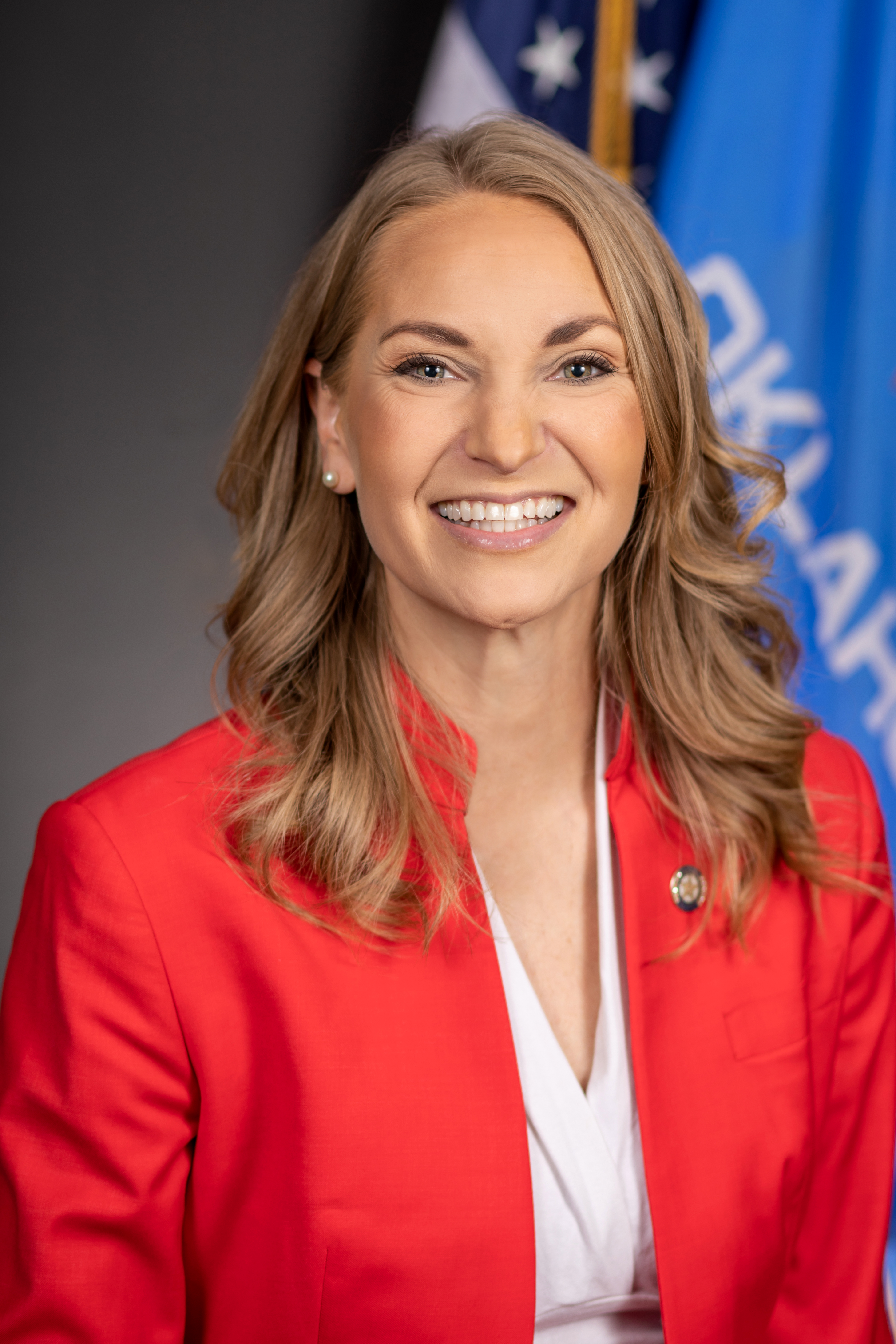
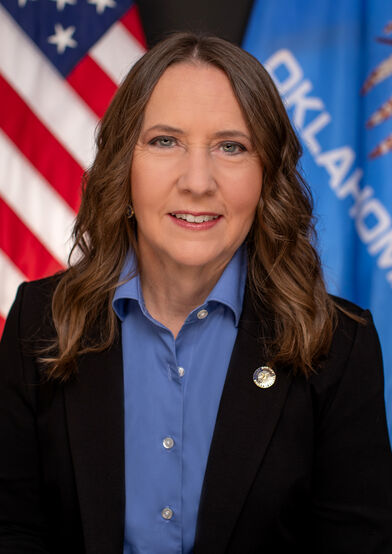
Aletia Timmons
Aletia Timmons House · District 97
D
Support
76% 91
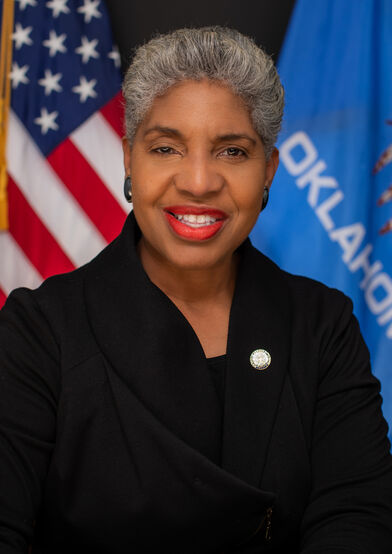
Regina Goodwin
Regina Goodwin Senate · District 11
D
Support
73% 225
Michael Brooks
Michael Brooks Senate · District 44
D
Support
72% 274
Carri Hicks
Carri Hicks Senate · District 40
D
Support
71% 184
Julia Kirt
Julia Kirt Senate · District 30
D
Support
70% 174
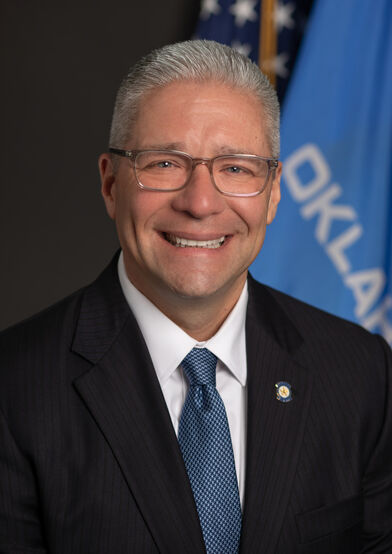
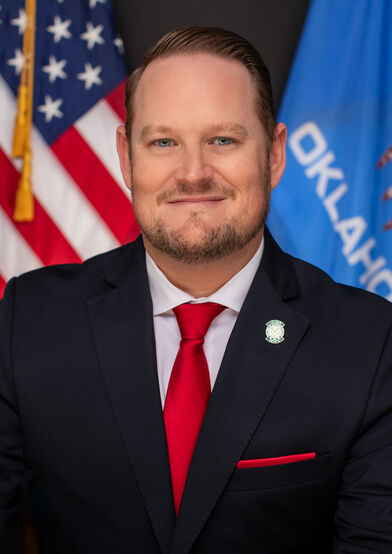
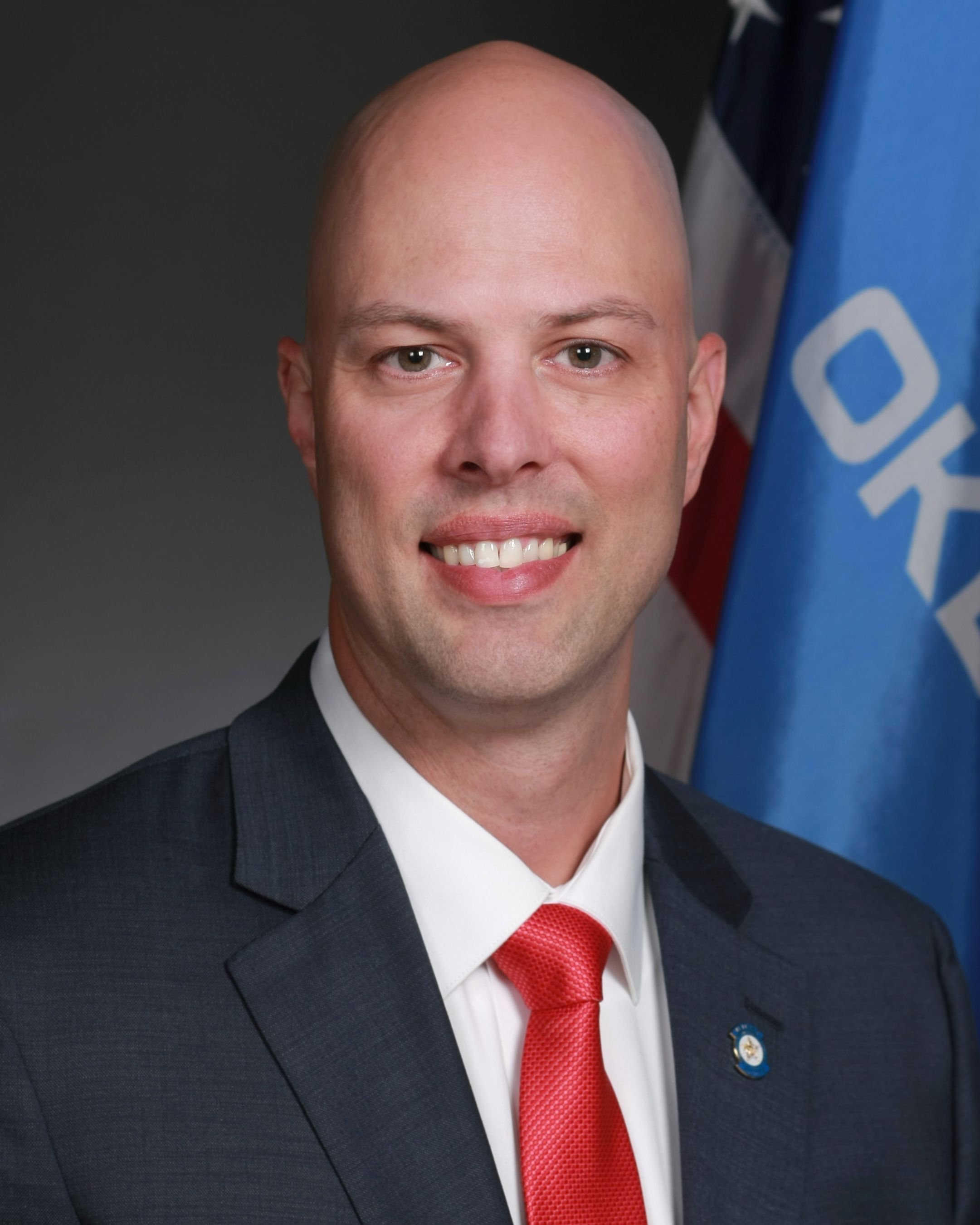
Brian Guthrie
Brian Guthrie Senate · District 25
R
Oppose
24% 158
Lisa Standridge
Lisa Standridge Senate · District 15
R
Oppose
26% 220
Jay Steagall
Jay Steagall House · District 43
R
Oppose
27% 149
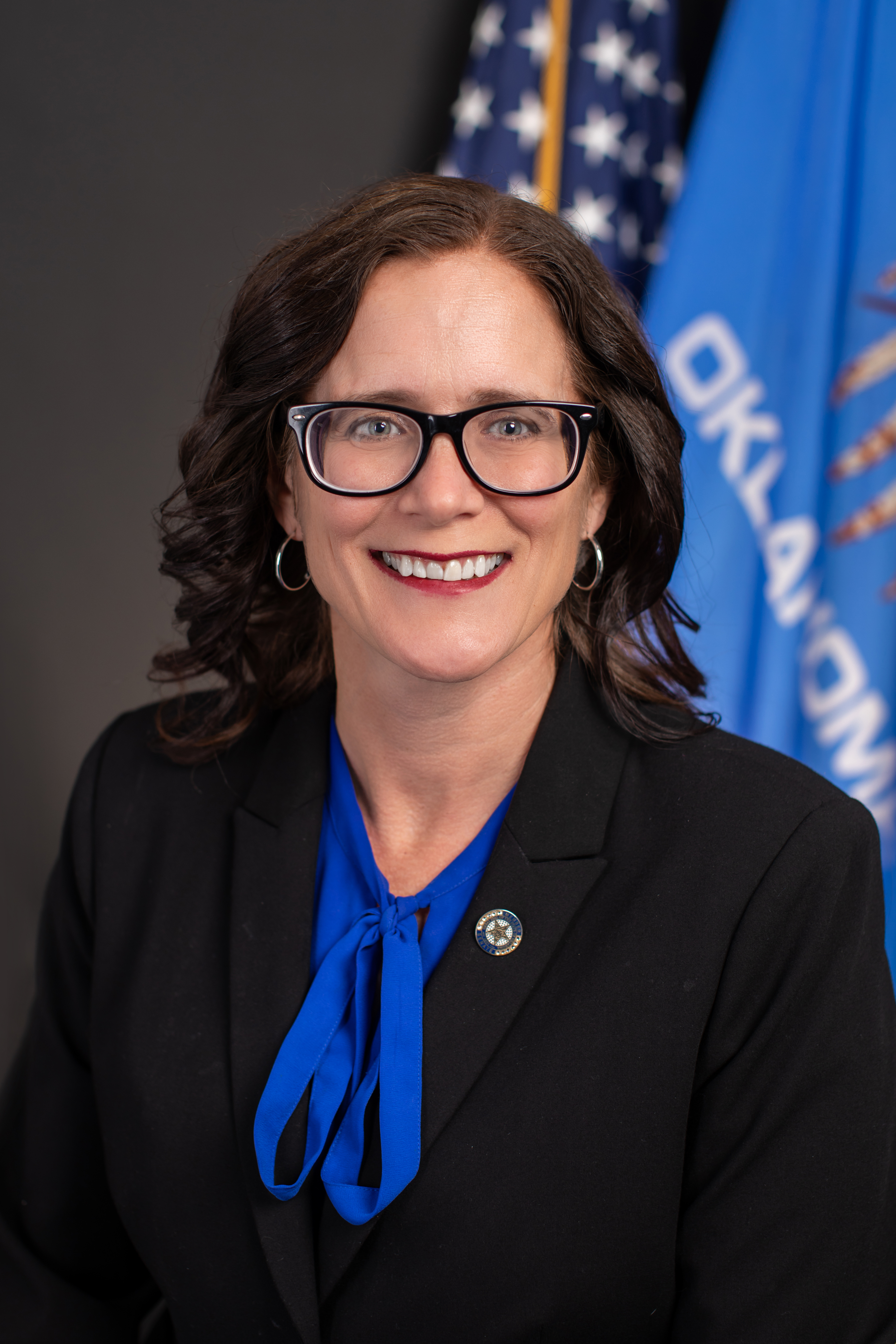
Julie McIntosh
Julie McIntosh Senate · District 3
R
Oppose
28% 164
Dusty Deevers
Dusty Deevers Senate · District 32
R
Oppose
28% 156
Showing 101–110 of 139 bills

All criminal justice bills

in committee · Oklahoma · Senate Feb 4, 2025

SB 385: Conveyances; increasing maximum fine and term of imprisonment for certain offense. Effective date.

SB 385 increases penalties for filing fraudulent real estate documents in Oklahoma. It raises the maximum fine for this offense from $100 to $500 and increases the maximum jail term from 30 to 90 days. The bill directly affects individuals, businesses, or agents who file deeds or property instruments claiming ownership they do not legally hold (without "color of title"). The key change updates existing law to allow combined fines and imprisonment for this specific violation, effective November 1, 2025.
Sub-Topics Corrections
signed · Oklahoma · House May 21, 2025

HB 1066: Bail; prohibiting bail on appeal for certain offenses; effective date.

HB 1066 prohibits defendants from obtaining bail while appealing a conviction for 14 specific serious offenses, including murder, rape, robbery with weapons, drug trafficking, and crimes involving firearms or prior felony convictions. It directly affects individuals convicted of these offenses who seek to appeal their sentences. For all other felony cases, courts retain discretion to grant bail on appeal but must state their reasoning in writing. The law takes effect November 1, 2025.
Sub-Topics Violent Crime
signed · Oklahoma · House May 12, 2025

HB 1217: Obscene material; making certain acts unlawful; codification; emergency.

HB 1217 makes it a misdemeanor to perform adult shows containing obscene material in public spaces where minors might view them, including on public property or in unrestricted public areas. It defines "public place" to exclude venues with age restrictions (like ticketed events limiting minors) and sets penalties of up to $1,000 fines or 1 year in jail for violations. The law overrides conflicting local ordinances and applies to both individuals performing such acts and public entities like cities that permit exposure to minors. It directly affects performers, public venues, and local governments managing public spaces.
Sub-Topics Corrections
in committee · Oklahoma · House Feb 4, 2025

HB 2723: Law enforcement officers; citizen review board; procedures; exemptions; legislative findings; effective date.

HB 2723 requires that when a government entity establishes a citizen review board to investigate law enforcement misconduct, at least two-thirds of the board members must be certified law enforcement officers. It also mandates that any findings, investigations, or disciplinary recommendations require a majority vote. The bill exempts certain entities, including boards that only review cases without setting discipline, the Council on Law Enforcement Education and Training (CLEET), and multijurisdictional task forces with two-thirds law enforcement members. This law takes effect November 1, 2025, and applies to all state-level law enforcement misconduct review processes.
in committee · Oklahoma · Senate Feb 13, 2025

SB 566: Assault and battery; creating misdemeanor offense related to railroad workers. Effective date.

SB 566 creates a new misdemeanor offense for intentionally assaulting railroad workers or rail personnel in Oklahoma. It directly affects individuals who commit such assaults, imposing penalties of up to one year in jail, a $1,000 fine, or both. The bill specifies that the assault must be intentional and without justifiable cause, targeting violence against those working in rail operations. The law will take effect on November 1, 2025.
in committee · Oklahoma · Senate Feb 24, 2025

SB 944: Crimes and punishments; modifying provisions and penalties related to hazing. Effective date.

SB 944 modifies Oklahoma's hazing laws to better protect students at public and private schools and colleges. It defines hazing broadly to include activities endangering physical or mental health (like forced consumption or extreme stress), prohibits all hazing by student groups, and creates new misdemeanor charges for basic hazing (up to 90 days jail or $5,000 fines) and felony charges if hazing causes serious injury or death (up to 10 years in prison or $15,000 fines). The bill also establishes the Anti-Hazing Revolving Fund for educational programs, prohibits defenses like "tradition" or "consent," and grants immunity to students who report hazing or seek medical help for hazing victims. These changes directly affect student organizations, schools, and individuals involved in hazing incidents.
Sub-Topics Corrections
in committee · Oklahoma · Senate Feb 4, 2025

SB 899: Protection from Domestic Abuse Act; modifying provisions related to protective orders. Effective date.

SB 899 modifies Oklahoma's Protection from Domestic Abuse Act by requiring non-family victims (e.g., neighbors or coworkers) to file a police report with law enforcement before submitting a protective order petition to court. It also allows electronic service of orders across county lines and mandates courts to consider a defendant's criminal history when issuing orders. The bill changes penalty rules for violating protective orders but maintains existing provisions allowing courts to waive fees for victims who cannot afford them. These changes directly affect individuals seeking protection from domestic abuse who are not family members or in dating relationships with the abuser.
in committee · Oklahoma · Senate Mar 17, 2025

SB 748: Larceny; establishing certain offense and providing penalty. Effective date.

SB 748 amends Oklahoma's larceny laws for theft from retail or wholesale businesses, establishing tiered penalties based on the value of stolen merchandise and prior convictions. It increases punishments for repeat offenses (e.g., third theft under $1,000 becomes a misdemeanor with up to 1 year in jail), classifies thefts of $1,000-$15,000 as felonies with prison terms up to 8 years, and requires restitution to victims. The bill also allows aggregating multiple thefts within 180 days for sentencing and imposes a $500 fine or 30 hours of community service for stealing shopping carts. This directly affects individuals who steal merchandise from stores, with penalties varying by value, frequency, and prior record.
signed · Oklahoma · Senate May 12, 2025

SB 541: Crimes and punishments; modifying provisions related to assault and battery. Effective date.

SB 541 requires offenders convicted of 22 specific serious crimes - including murder, rape, child abuse, human trafficking, and domestic violence with weapons - to serve at least 85% of their prison sentence before becoming eligible for parole. The bill also strengthens penalties for domestic violence, increasing sentences for assaults involving deadly weapons (up to life imprisonment) and adding harsher penalties for domestic abuse causing miscarriage or injury to a pregnant victim (minimum 10-20 years). It directly affects individuals convicted of these offenses in Oklahoma, removing parole eligibility for the first 85% of their sentence. The law, effective May 12, 2025, modifies existing statutes to mandate these sentencing requirements without allowing earned credits to reduce the required service period.
in committee · Oklahoma · Senate Feb 11, 2025

SB 1109: Youthful Offender Act; adding offenses for which certain juveniles may receive an adult sentence. Effective date.

SB 1109 expands Oklahoma's Youthful Offender Act by adding specific violent and serious offenses to the list where 15- to 17-year-olds may be tried as adults instead of juveniles. It includes crimes like second-degree murder, kidnapping, rape, armed robbery, and certain drug offenses. Prosecutors gain discretion to file these cases as adult charges or under the Youthful Offender Act, with mandatory notification to juvenile authorities when adult charges are filed. The bill directly affects juveniles charged with these offenses, changing their potential legal pathway.
Showing 101 to 110 of 139 bills
Previous 1 10 11 12 14 Next