Issue · Criminal Justice

Criminal Justice (Domestic Violence)

Every criminal justice bill, vote, and legislator stance in Oklahoma, automatically classified by Maddy, our AI policy reader.

Total bills
48
2026 Regular Session
Top supporter
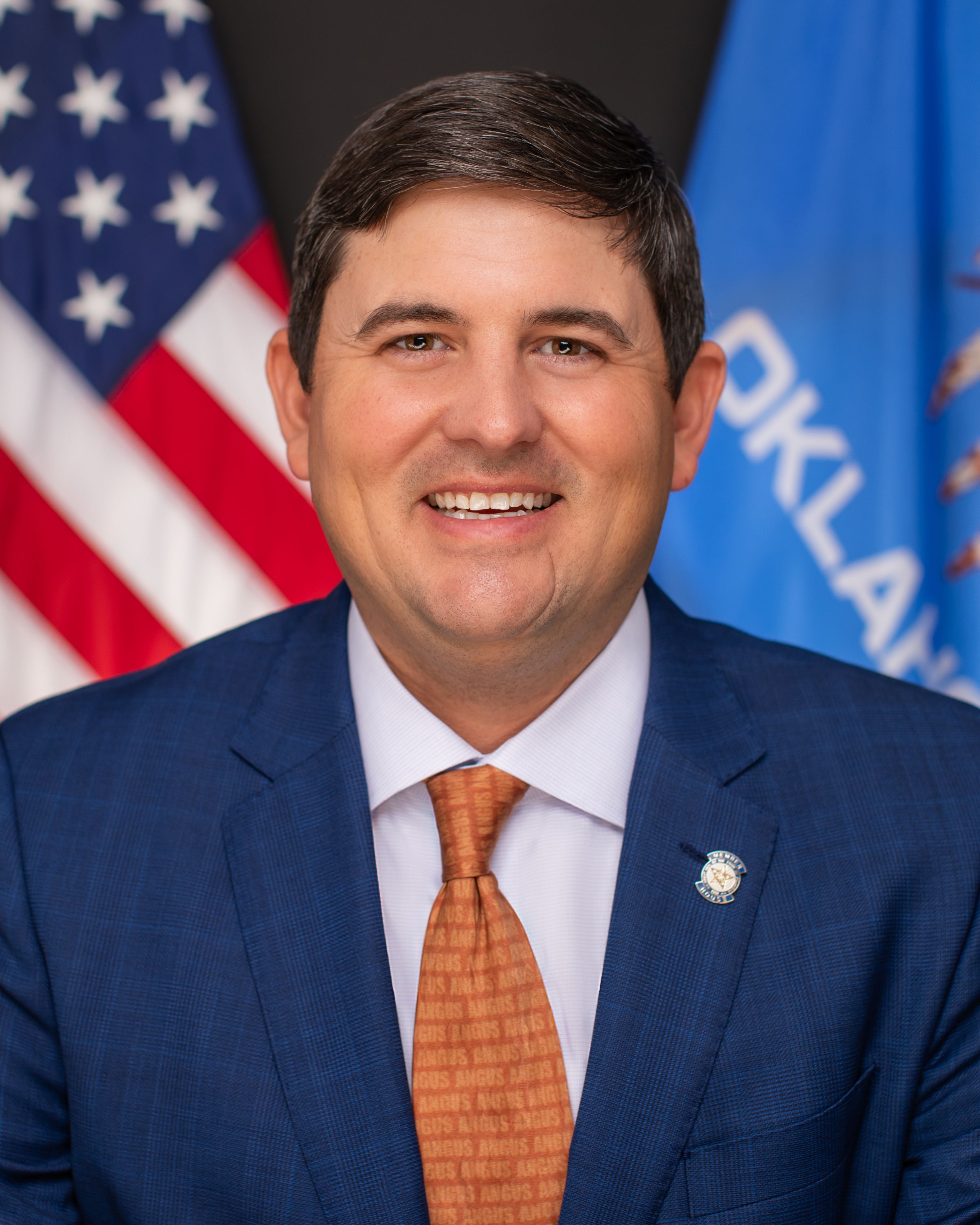
Rande Worthen
83% support rate
Top opponent
John Pfeiffer
0% support rate
Ranked legislators
10
5 support · 5 oppose
Key legislators

Who's moving domestic violence in Oklahoma

Legislators moving domestic violence in Oklahoma
Legislator Party Stance Support rate Votes
Rande Worthen
Rande Worthen House · District 64
R
Strong +
83% 6
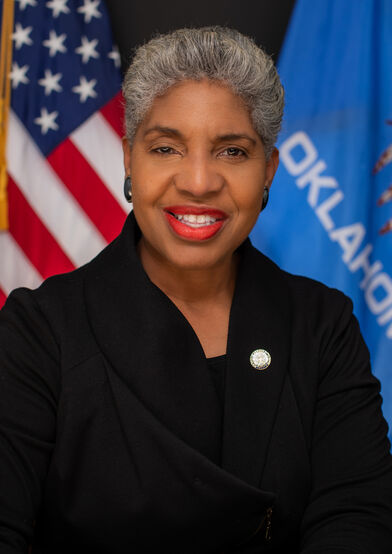
Regina Goodwin
Regina Goodwin Senate · District 11
D
Strong +
80% 5
Andy Fugate
Andy Fugate House · District 94
D
Support
75% 4
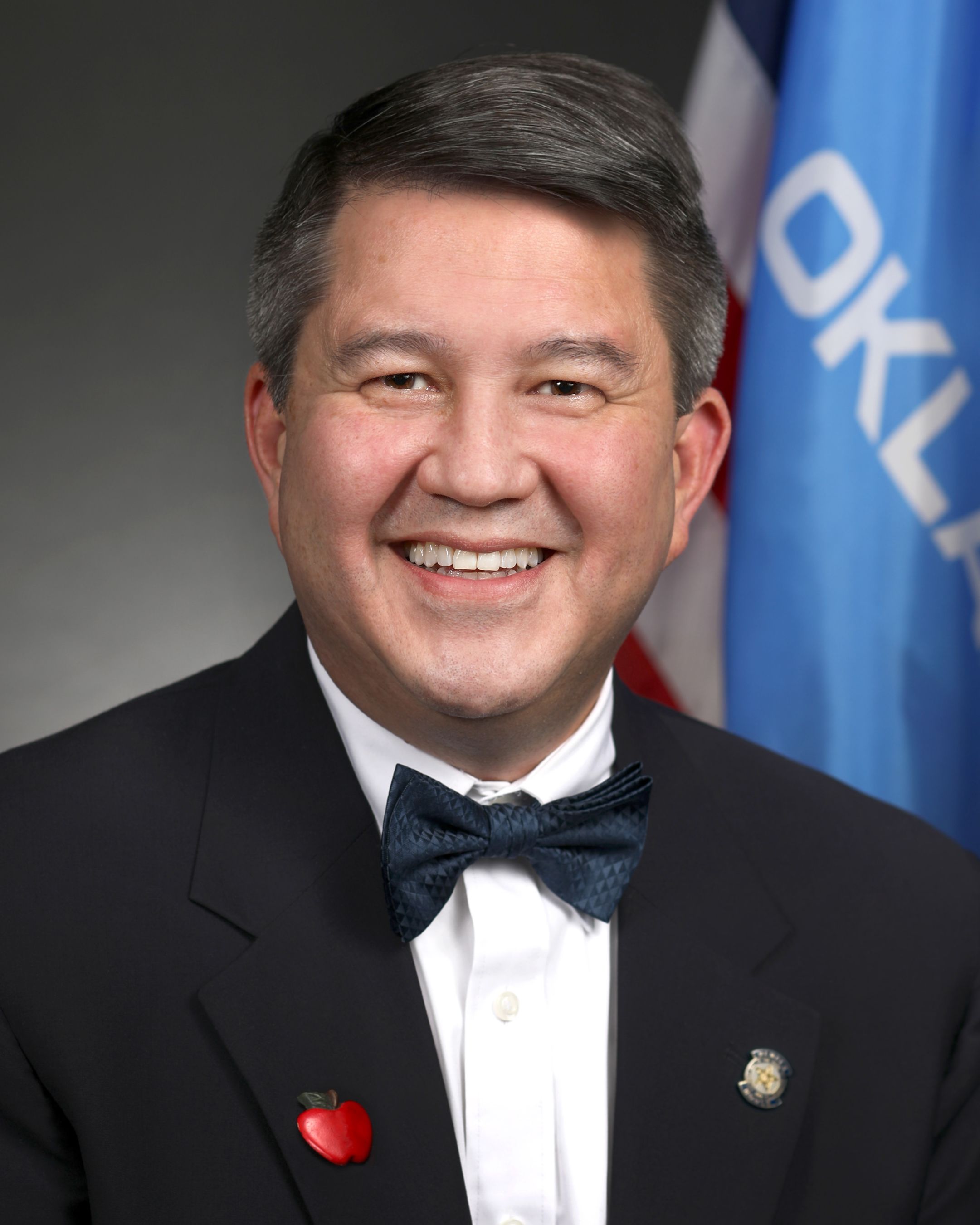
David Smith
David Smith House · District 18
R
Support
75% 4
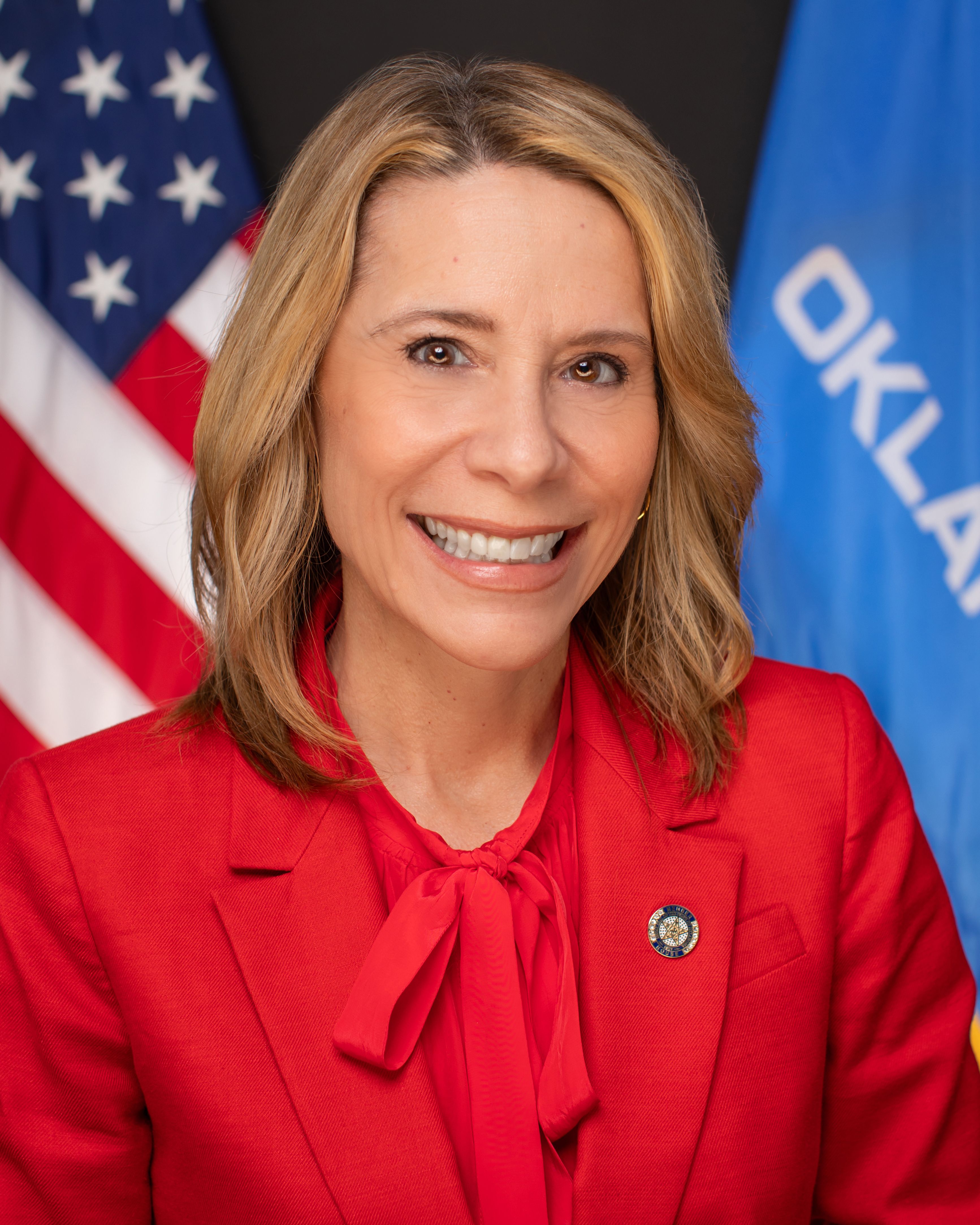
Ellyn Hefner
Ellyn Hefner House · District 87
D
Support
75% 4
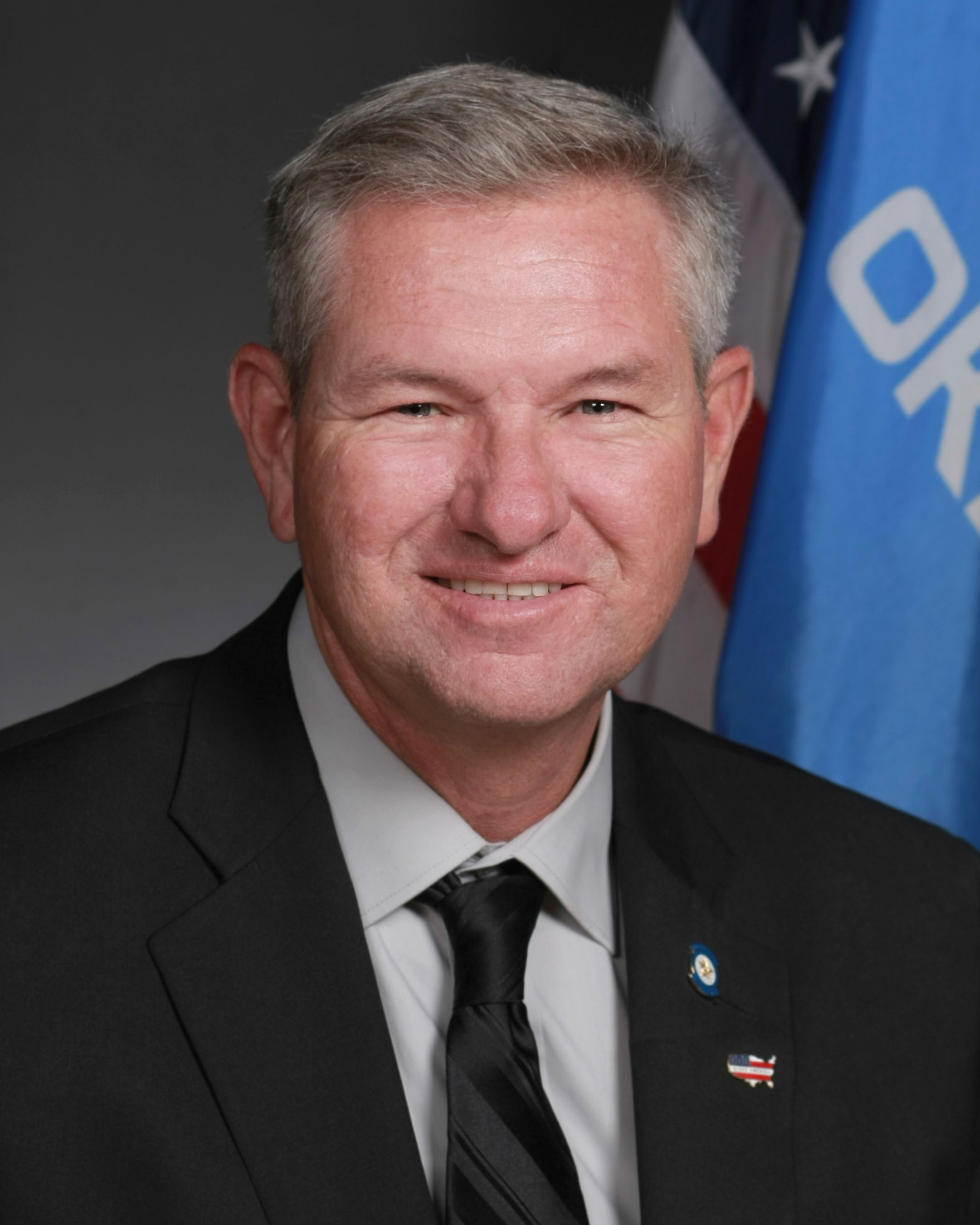
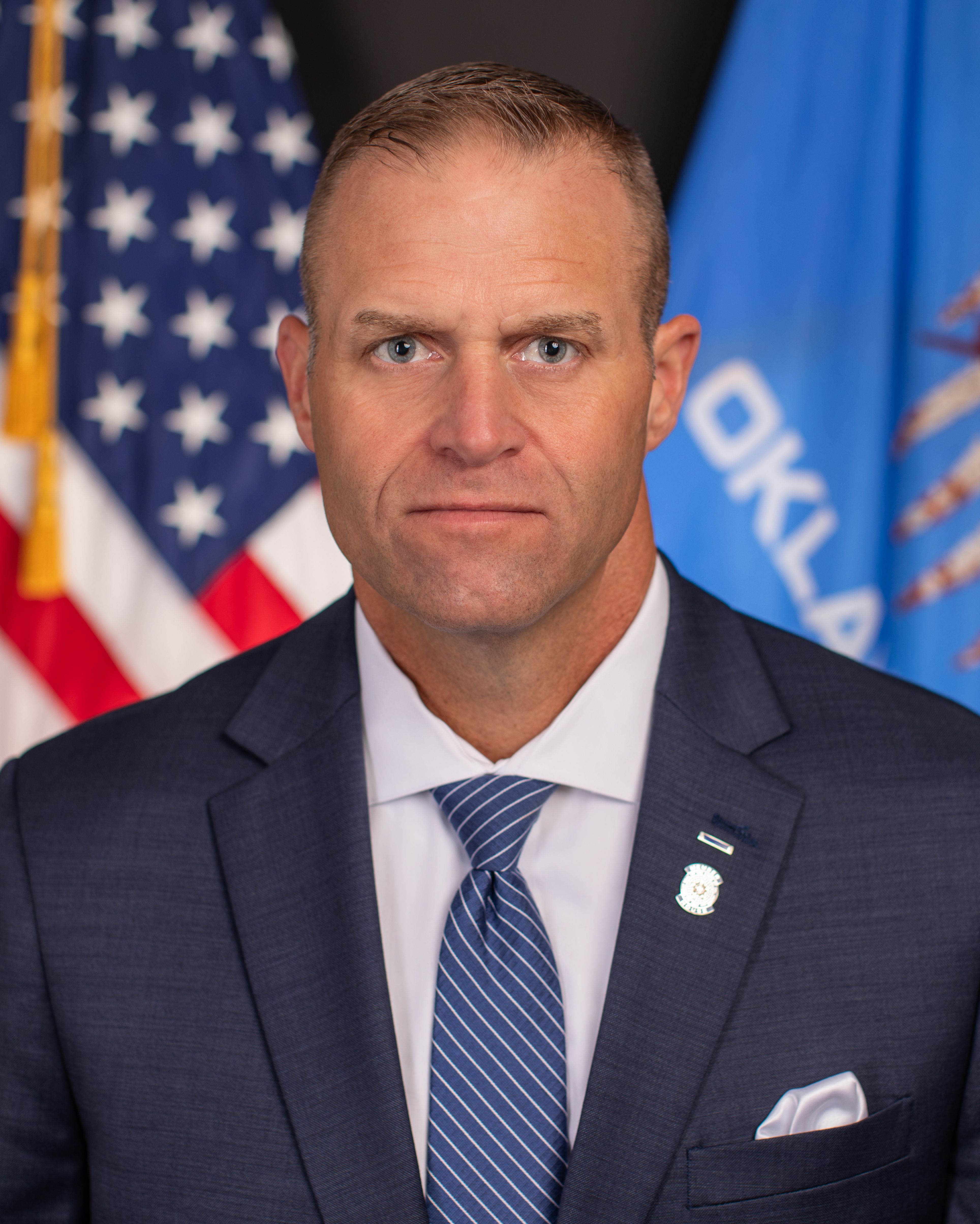
John Pfeiffer
John Pfeiffer House · District 38
R
Strong −
0% 3
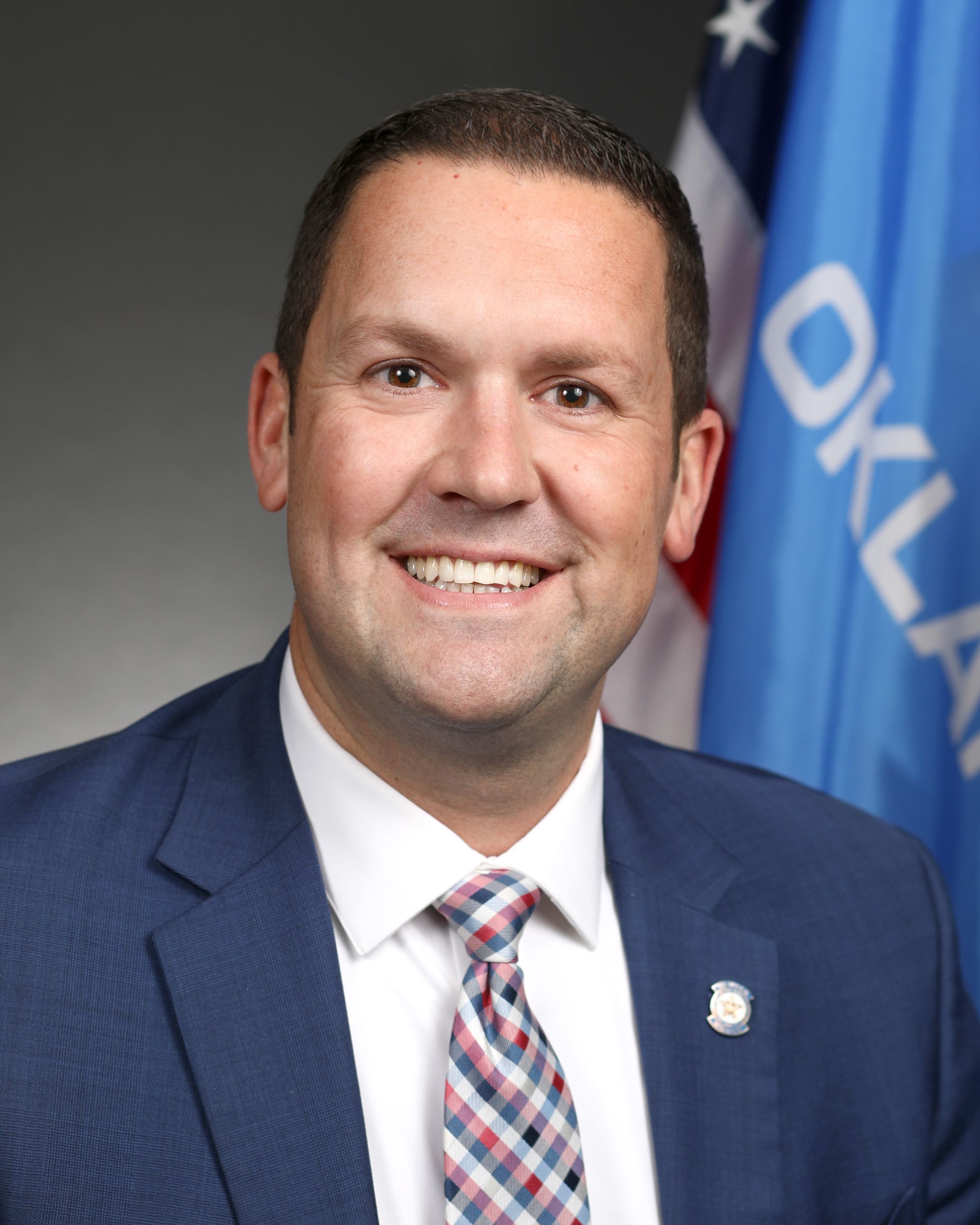
Josh West
Josh West House · District 5
R
Strong −
0% 3
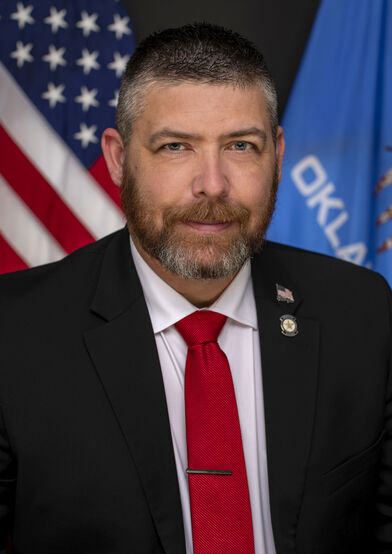
Anthony Moore
Anthony Moore House · District 57
R
Strong −
20% 5
Jonathan Wingard
Jonathan Wingard Senate · District 13
R
Strong −
20% 5
Spencer Kern
Spencer Kern Senate · District 31
R
Strong −
20% 5
Showing 1–10 of 48 bills

All criminal justice bills

in committee · Oklahoma · Senate Feb 4, 2025

SB 902: Protection from Domestic Abuse Act; requiring certain safety plan in certain circumstances. Effective date.

This bill amends Oklahoma's Protection from Domestic Abuse Act to strengthen how protective orders are served and handled in court. It requires courts to schedule full hearings within 14 days of filing a petition, or within 72 hours if a minor child is removed from the victim's home, and allows petitions to be renewed every 14 days if the defendant has not been served. The law also mandates that safety plans included in protective orders remain confidential and prohibits courts from ordering mediation or joint counseling sessions that could compromise victim safety. Additionally, the bill authorizes courts to require defendants to pay for court-approved counseling or treatment programs aimed at stopping domestic abuse.
in committee · Oklahoma · Senate Mar 23, 2026

SB 1295: Domestic Violence Fatality Review Board; creating Domestic Violence Fatality Review Board Revolving fund. Effective date. Emergency.

SB 1295 creates a special fund within Oklahoma's State Treasury, managed by the Attorney General's Office, to develop a state and local database tracking domestic violence deaths. The bill appropriates $250,000 from the General Revenue Fund for fiscal year 2027 to support this database, which must be created within 24 months of the law's effective date (July 1, 2026). The database will be developed to meet requirements under existing law (Section 1601 of Title 22) for reviewing domestic violence fatalities. This funding directly supports the Attorney General's Office and local agencies involved in collecting and analyzing data on domestic violence-related deaths.
signed · Oklahoma · House May 13, 2025

HB 1222: Driving under the influence; requiring certain arrested person make bail before release; effective date.

HB 1222 modifies Oklahoma's bail procedures for specific offenses, primarily affecting individuals arrested for domestic violence, substance abuse violations, or repeat driving under the influence (DUI) offenses. The bill requires courts to consider factors like substance abuse history, domestic violence records, and threat levels when setting bail, and prohibits personal recognizance bonds for domestic violence arrests or second/third DUI offenses. For repeat DUI arrests (Section 11-902), courts must determine bail and provide written findings on public safety risks before release. It does not change DUI penalties but alters release conditions for these specific cases. The bill became law without the Governor's signature on May 13, 2025.
Sub-Topics Domestic Violence
in committee · Oklahoma · House Feb 4, 2025

HB 1984: Domestic violence; purpose; terms; vehicles; information; severability; exception; liability; provider; alert; duties; legal ownership; mechanism; notification; codification; effective date.

HB 1984 requires vehicles with remote access features (like location tracking or control apps) to alert occupants when someone outside the vehicle accesses these functions. It mandates that vehicle manufacturers provide a clear, visible website link titled "HOW TO DISCONNECT REMOTE VEHICLE ACCESS" to help survivors terminate abusers' remote access and obtain new accounts. The law applies to personal vehicles but excludes rental cars, and it protects manufacturers from liability for following these requirements. This bill directly affects domestic violence survivors who share vehicle access with abusers and vehicle manufacturers providing connected services.
Sub-Topics Domestic Violence
signed · Oklahoma · House May 12, 2026

HB 4104: Crimes and punishment; Class B5 offenses; adding offenses; loitering; felony offenses; Sex Offenders Registration Act; adding offenses for registration; effective date.

HB 4104 expands Oklahoma's sex offender registration requirements by adding 38 new offenses to the list that trigger mandatory registration. It amends Oklahoma Statutes to require registration for convictions involving second or subsequent domestic violence offenses, stalking, certain animal cruelty, specific violations of the Sex Offenders Registration Act (like failing to register), and other specified crimes. This affects individuals convicted of any of these newly designated offenses, including repeat domestic abuse, stalking, or offenses related to non-compliance with registration rules. The bill takes effect January 1, 2026, and does not address loitering as implied by its title.
Sub-Topics Domestic Violence
in committee · Oklahoma · Senate Feb 26, 2026

SB 1926: Protection from Domestic Abuse Act; authorizing filing of certain petition in any county. Effective date.

SB 1926 allows victims of domestic abuse in Oklahoma to file protective order petitions in any county, removing previous restrictions that required filing in the victim's county, the abuser's county, or the location of the abuse. This change makes it easier for victims to seek protection without being limited by geographic location. The bill also requires victims to file a police report first if they are not family members or in a dating relationship before filing a petition. It becomes effective November 1, 2026.
in committee · Oklahoma · Senate Feb 3, 2026

SB 1542: Stalking; authorizing use of certain monitoring device. Effective date.

SB 1542 amends Oklahoma's stalking laws to define stalking as a Class B6 felony when someone willfully, maliciously, and repeatedly follows or harasses another person, causing both a reasonable person and the victim to feel frightened or threatened. It increases penalties for repeat offenses (up to 12 years for third violations) and elevates stalking to a Class B5 felony (up to 15 years) if the perpetrator violates a restraining order, is on probation for violence, or has prior stalking convictions involving violence. The bill directly affects individuals convicted of stalking and their victims, with penalties varying based on prior offenses and protective orders. It replaces existing stalking provisions in Oklahoma Statutes Section 1173 without adding monitoring device provisions as suggested by the bill title.
in committee · Oklahoma · House Feb 3, 2026

HB 4151: Domestic abuse; directing law enforcement officers to conduct interviews regarding domestic abuse; codification; effective date.

HB 4151 requires Oklahoma law enforcement to interview family members before finalizing death investigations when a decedent has an identifiable history of domestic abuse and specific factors are present (e.g., premature death, scene resembling suicide, history of coercive control, or strangulation). It mandates current domestic abuse training for investigators, allows family access to victim services during investigations, and gives families the right to request investigation records if a case is closed without a homicide finding. The bill also specifies 10 conditions triggering autopsy requests and clarifies that it doesn’t override existing investigation discretion or impose new liability on agencies. It applies to deaths involving domestic abuse victims and takes effect November 1, 2026.
in committee · Oklahoma · House Feb 24, 2026

HB 3903: Domestic violence; criminal procedure; law enforcement agencies; incident reports; court clerks; protective order; petition; case record; exceptions; judiciary; annual training; effective date.

HB 3903 requires Oklahoma law enforcement agencies to create detailed written domestic violence incident reports (not just dispatch logs), including crime type, day, and time, and submit monthly summaries to the Oklahoma State Bureau of Investigation. It mandates that court clerks accept, file-stamp, and docket protective order petitions without charging victims any fees, while prohibiting courts from requiring victims to pursue other legal actions (like divorce) before seeking protection. The bill also adds provisions allowing courts to grant exclusive custody of animals owned by either party during domestic violence cases and requires annual judiciary training on these procedures. These changes directly affect victims seeking protection, law enforcement agencies, and court clerks handling domestic violence cases.
in committee · Oklahoma · Senate Feb 3, 2026

SB 1715: Guardians ad litem; requiring inclusion of certain information in certain report; modifying certain training requirements. Effective date.

SB 1715 requires Oklahoma guardians ad litem (court-appointed child advocates in custody cases) to include all domestic violence allegations in their written reports to the court. It mandates the Oklahoma Bar Association to create and update a standard operating manual covering child abuse, domestic violence, and best practices, which all guardians must certify they've read and will follow. The bill also requires court experts (including guardians) to disclose prior relationships, criminal history, professional qualifications, and disciplinary actions to parties before appointment, and prohibits waiving these disclosures. These changes aim to improve the quality, accountability, and safety considerations of child advocacy in custody proceedings.
Showing 1 to 10 of 48 bills
1 2 3 5 Next