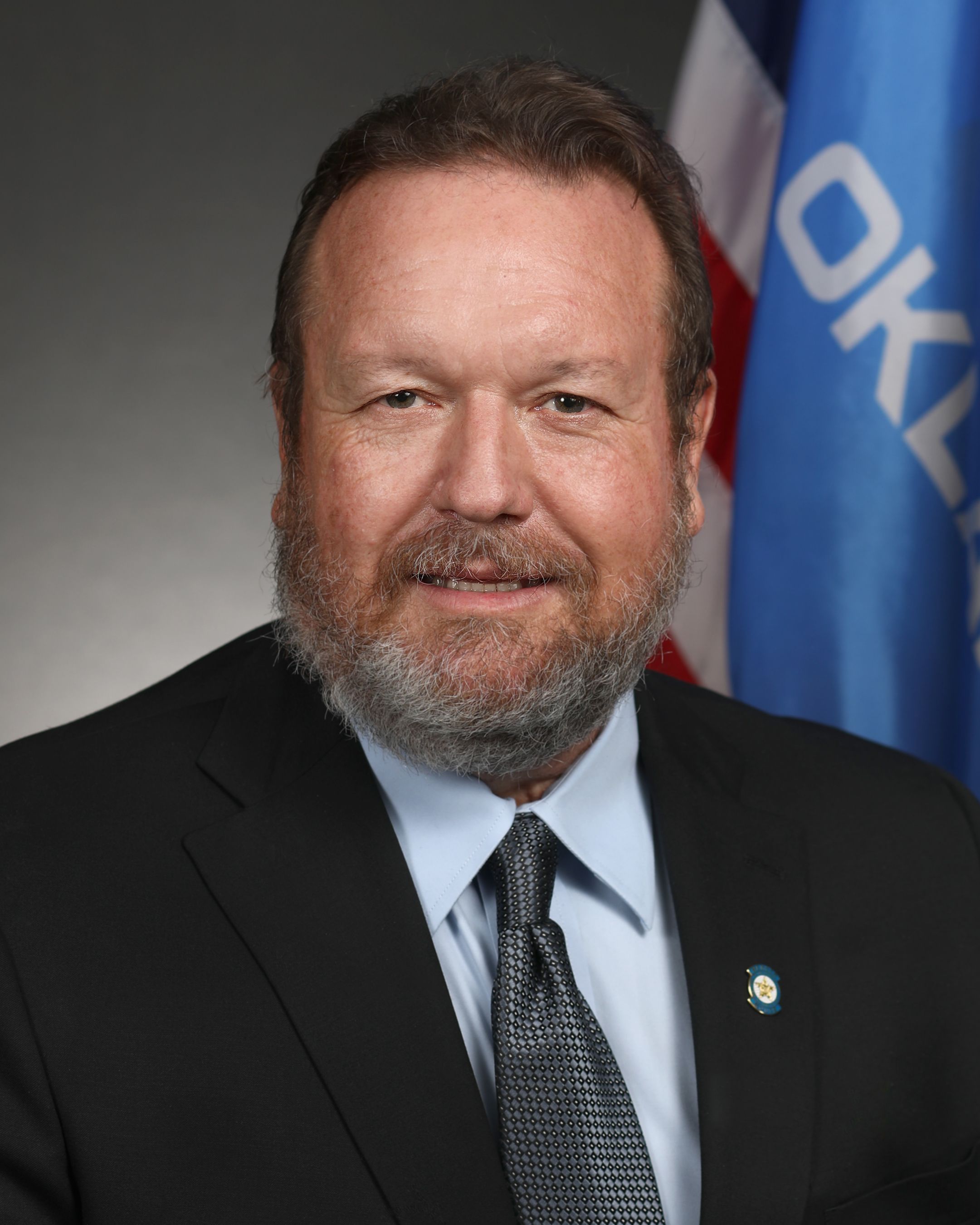
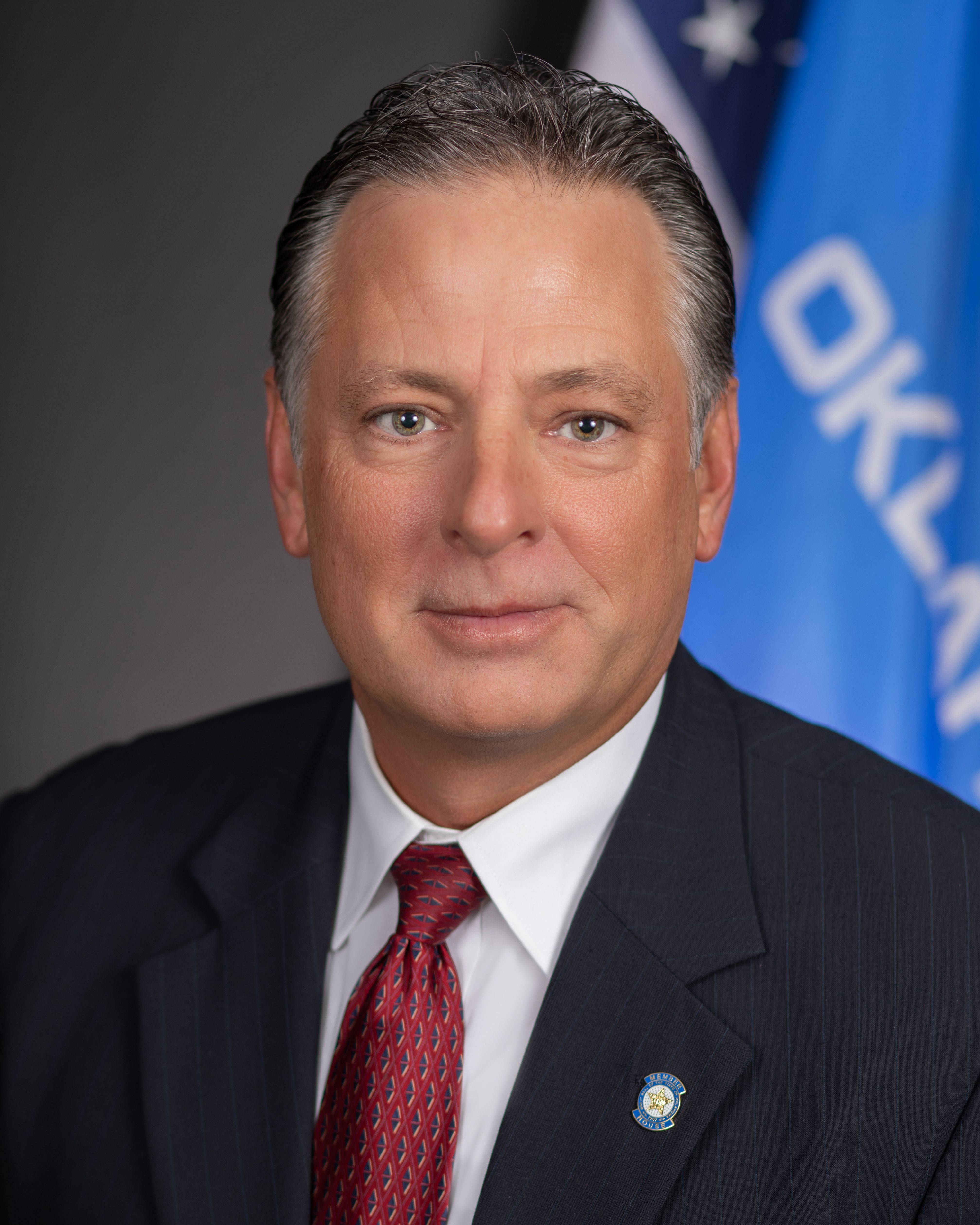
SB 1992 creates a new income tax credit program for businesses constructing or expanding facilities in qualifying locations across Oklahoma, such as underpopulated counties (under 100,000 people) or near rail infrastructure. It allows a 10% tax credit on construction and expansion costs (up to $6 million per project) and a 50% credit for rail infrastructure projects (up to $3 million per project), with a total annual state cap of $12 million. The bill defines "strategic finance partner" as entities providing capital (like loans or investments) to qualifying projects, enabling them to claim the tax credit through assignment to the business. The credit expires after tax year 2027 and requires Oklahoma Department of Commerce approval for project eligibility.
Oklahoma Senate Bill 227 modifies tax exemptions for oil and gas producers by limiting eligibility for gross production tax refunds to specific years (2005-2013 and 2022-2024). It caps annual refunds at $12.5 million for 2015-2016 and $10 million for 2022-2024, requiring producers to qualify as "economically at-risk" leases based on production volume and profitability thresholds. Producers must submit documentation to the Oklahoma Tax Commission to claim refunds for prior-year production, with claims due by the bill’s effective date for 2024. The bill directly affects oil/gas operators seeking refunds on past production under these revised rules.
HB 1242 modifies Oklahoma's agricultural sales tax exemptions to clarify which farm-related purchases qualify for tax relief. It specifically exempts direct sales of farm products (like produce and dairy) to consumers, livestock sales (including cervidae like deer), feed, fertilizer, and farm equipment used in production. The bill requires purchasers to provide written certification confirming items will be used for agricultural purposes, with penalties for false certifications. This affects Oklahoma farmers, ranchers, and agricultural businesses purchasing qualifying goods, ensuring tax exemptions align with actual farm operations.
HB 3314 allows Oklahoma counties to impose a local tax of up to 15% on retail marijuana sales (not personal cultivation) after voter approval. Counties must hold a special election or use an initiative petition (requiring 5% of registered voters' signatures) to approve the tax, with results requiring a majority vote. Funds collected must be used exclusively for public safety (sheriffs, police, fire departments) and property improvements, and counties must specify the tax's purpose and duration to voters. The Oklahoma Tax Commission will handle tax collection for a 0.5% fee, and counties must provide 60 days' notice before rate changes. The bill takes effect November 1, 2026.
HB 3984 creates the "Oklahoma Talent Attraction and Relocation Program" under the Oklahoma Department of Commerce to award grants for recruiting households relocating to Oklahoma from outside the state. It directly affects cities, towns, counties, and nonprofits (as grant applicants) and households earning at least $55,000 annually who move into Oklahoma. Key provisions include a $250,000 annual grant limit per municipality, requiring applicants to cover 20% of program costs, tying 50% of funds to meeting half the household relocation goal, and mandating detailed reports on program outcomes. The bill establishes a revolving fund to reuse repayments and unused grant money for ongoing administration.
HB 1427 creates tax credits for Oklahoma taxpayers who invest in qualifying clean-burning motor vehicle fuel equipment. It directly affects vehicle owners and businesses that install or purchase equipment allowing vehicles to run on compressed natural gas, hydrogen, liquefied natural gas, or liquefied petroleum gas. The bill provides tiered credits: up to $5,500 for light vehicles (under 6,000 lbs), up to $100,000 for heavy trucks (over 26,500 lbs), and 45% of costs for commercial refueling stations. Credits are limited to new, certified equipment meeting safety standards and must be claimed against state income tax. Unused credits can be carried forward for up to five years.
HB 2973 requires all Oklahoma public school districts to report how they spend state-appropriated funds using a specific data code in the Oklahoma Cost Accounting System, starting with the 2026-2027 school year. This applies only to state funds, not other funding sources, and the State Board of Education must establish the required data code. The bill takes effect July 1, 2026, and was declared an emergency to allow immediate implementation. It directly affects school districts by mandating a new reporting structure for state education funding.
HB 1834 creates the "Inhofe Disaster Savings Account Act" in Oklahoma, allowing homeowners to set up tax-advantaged savings accounts specifically for covering insurance deductibles or self-insured losses related to qualifying disasters (hurricanes, tornadoes, floods, etc.) at their primary residence. Homeowners can deduct contributions from state taxable income (with limits based on their insurance deductible: $2,000 max for deductibles ≤$1,000, up to $15,000 or twice the deductible for higher deductibles, or $350,000 for self-insured), and all interest earned in the account is exempt from state income tax. Withdrawals are tax-free if used for qualified disaster expenses (declared by federal/state authorities), but otherwise become taxable income with a 2.5% penalty, and accounts pass tax-free to surviving spouses upon death. The law takes effect January 1, 2026, targeting Oklahoma homeowners seeking disaster financial preparedness.
HB 2646 eliminates a limitation on taxpayers deducting wagering income when calculating Oklahoma taxable income, directly affecting individuals and businesses claiming such deductions. The bill amends Oklahoma Statute 68 O.S. § 2358 to allow full itemization of wagering income without prior restrictions. It also updates statutory references and adjusts tax year calculations for net operating losses. The bill was referred to the Governor but received a pocket veto on June 15, 2025, meaning it did not become law.
HB 2645 creates a tax credit for qualifying doctors practicing medicine in rural Oklahoma, directly affecting licensed physicians who meet specific residency and education criteria. The credit, capped at $20,000 per year per doctor, applies to taxable income from medical practice in designated rural areas (population under 25,000 and at least 25 miles from larger cities). The bill includes an annual $1 million total credit limit, with adjustments to prevent exceeding this cap. The bill was pocket-vetoed by the governor on June 15, 2025, and never became law.