

Maddy summaryThe Sanctioning Russia Act of 2025 establishes a framework for imposing comprehensive sanctions on Russia if the President determines Russia is engaging in actions that undermine peace with Ukraine, such as refusing to negotiate a peace agreement, violating peace agreements, or planning another military invasion. If such a determination is made, the bill mandates blocking property of Russian officials and entities, prohibiting transactions with Russian financial institutions, increasing tariffs on Russian goods to at least 500% ad valorem, banning energy exports to Russia, and prohibiting purchases of Russian sovereign debt. It also imposes sanctions on countries that purchase Russian oil, uranium, or petroleum products, with duties of at least 500% on such goods. The bill requires the President to make determinations every 90 days and allows for termination of sanctions if Russia ceases harmful actions and enters a peace agreement with Ukraine, with immediate reimposition if Russia resumes those actions.
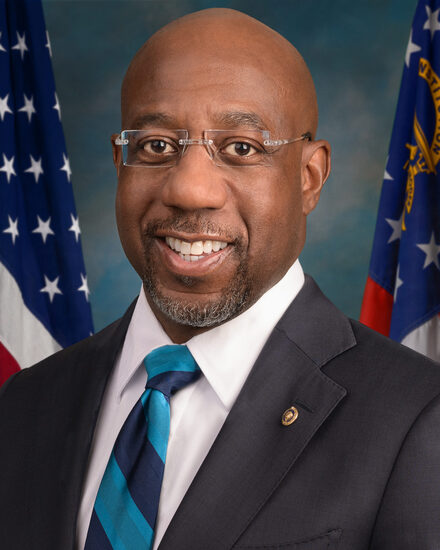
Sen. Raphael G. Warnock
Sponsored bills
Maddy summarySRES 148 is a ceremonial resolution passed by the U.S. Senate to honor the late Senator Alan K. Simpson of Wyoming, who died in 2022. The resolution expresses the Senate's "profound sorrow and deep regret" over his passing and formally requests the Secretary of the Senate to transmit an enrolled copy to his family. It also directs the Senate to adjourn as a mark of respect during its final session following the resolution's adoption. This resolution has no policy impact or direct effect on constituents - it solely serves as a formal tribute to Simpson's legacy.
Maddy summaryThe Feral Swine Eradication Act makes a federal program for controlling feral swine permanent, replacing a previous pilot initiative. It allocates $75 million for fiscal years 2025-2030 to fund eradication efforts in areas where feral swine threaten agriculture, ecosystems, or human/animal health (as determined by the Secretary). The bill requires one year of post-eradication monitoring in affected areas and mandates two reports to Congress detailing program activities, funding use, and success in reducing swine-related damage to crops, wildlife, and public safety.
Maddy summarySJRES 43 proposes a constitutional amendment allowing Congress and state governments to set reasonable limits on campaign contributions and expenditures intended to influence elections. It would permit distinctions between individuals and corporations, including the potential prohibition of corporate spending in political campaigns. The amendment explicitly protects the freedom of the press from being restricted by these regulations. If ratified by three-fourths of state legislatures, this change would directly affect candidates, political committees, and organizations that spend money to influence elections.
Maddy summarySRES 145 is a non-binding Senate resolution expressing support for Iranian political refugees residing in Ashraf-3, Albania. It calls on the U.S. government to condemn Iran’s threats (including cyberattacks and sham legal proceedings) against these refugees and to urge Albania to uphold their rights under international law, including freedom of expression and protection from extradition. The resolution specifically highlights the community’s status as former political prisoners and witnesses to Iran’s human rights abuses, such as the 1988 massacre. It does not create new laws but formally advocates for diplomatic action to safeguard this group.
Maddy summaryThis bill amends the tax code to exclude certain loan repayment assistance from taxable income for veterinary students participating in qualifying programs. It specifically expands the exclusion to cover assistance provided under the National Agricultural Research, Extension, and Teaching Policy Act of 1977 and similar state programs designed to increase veterinary access in rural areas. Veterinary students who receive this assistance through these designated programs will not owe income tax on the funds. The change applies to assistance received in taxable years beginning after December 31, 2025.
Maddy summaryThis bill allows landowners who own timber as part of a business (not passive activity) to claim a tax deduction for losses from disasters like fire, storms, insects, or drought. It changes how the deduction is calculated by requiring the deduction to be based on the timber's pre-loss appraised value minus salvage value, rather than lower market value. Landowners must use appraisals by certified professionals within one year of the loss, and can initially estimate the value if the appraisal isn't ready by tax filing. Crucially, to keep the deduction, landowners must reforest the affected area with hardwoods or softwoods within five years of the loss.
Maddy summaryThis bill amends the Senior Farmers' Market Nutrition Program by expanding the list of eligible foods. It replaces "and herbs" with "herbs, and tree nuts (including shelled tree nuts)" in the program's provisions. This change directly affects seniors participating in the program, allowing them to receive tree nuts as part of their benefits when purchasing fresh produce at farmers' markets. The policy change is a technical update to the program's food eligibility list, with no new funding or administrative requirements.
Maddy summaryThe SEC Whistleblower Reform Act of 2025 expands protections for employees who report securities law violations by allowing them to make internal reports to supervisors or colleagues with authority to address misconduct - without losing whistleblower status. It requires the Securities and Exchange Commission (SEC) to process award claims within one year (with limited 180-day extensions for complex cases) and mandates written notification to whistleblowers about delays. The bill also prohibits companies from forcing employees to waive whistleblower rights or use pre-dispute arbitration for related disputes, ensuring these protections apply to claims filed after enactment.
Maddy summaryThe Paycheck Fairness Act strengthens equal pay protections by modifying the Equal Pay Act of 1963 to require employers to prove that non-sex factors used in pay decisions are job-related, consistent with business necessity, and account for the entire pay difference. It prohibits employers from relying on salary history when setting pay for new hires and enhances protections for workers who discuss wages or file pay discrimination claims. The bill requires the Equal Employment Opportunity Commission to collect and publish compensation data disaggregated by sex, race, and ethnicity to better enforce pay discrimination laws. These provisions directly affect workers in the private and public sectors, particularly women and women of color who face the largest pay gaps. The act also establishes a National Award for Pay Equity to recognize employers making significant efforts to eliminate pay disparities.