Maddy summaryHR 6019 repeals a requirement that Senate offices must be notified when legal requests seek Senate data. Specifically, it removes Section 213 of the 2026 appropriations act, which mandated that Senate offices be informed about legal processes requesting disclosure of Senate data. This change directly affects Senate offices by eliminating a procedural notification step for legal requests involving their data. The bill makes no other policy changes, solely removing this specific administrative requirement.
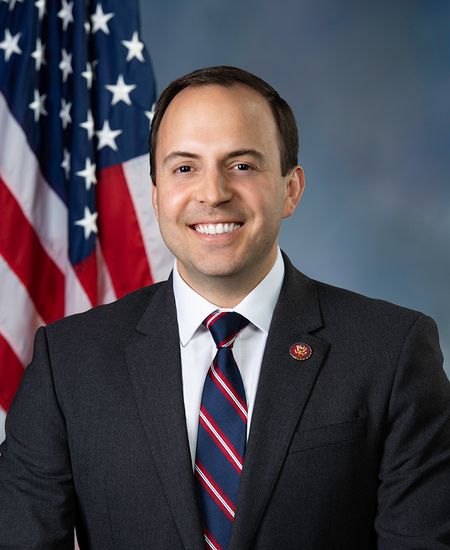
Rep. Lance Gooden
Sponsored bills
Maddy summaryHRES 782 is a non-binding House resolution expressing condolences to victims of the July 4, 2025, catastrophic floods in Texas, which caused at least 135 deaths (including 37 children) and widespread destruction. It honors first responders who rescued over 850 people and community heroes like camp staff who saved children, while committing the House to stand with affected Texans. The resolution does not create new laws or allocate funds - it formally mourns the loss of life, recognizes acts of courage, and urges prioritization of rebuilding infrastructure and support for vulnerable residents. This symbolic gesture was introduced by multiple Texas representatives and referred to the Transportation Committee.
Maddy summaryHRES 864 is a ceremonial resolution honoring U.S. veterans on Veterans Day 2025. It does not create new laws or policies but formally recognizes veterans' service and sacrifice, calling on all Americans to observe Veterans Day. The resolution references historical context about Veterans Day's origins (from Armistice Day to honoring all veterans) but contains no concrete policy changes. It directly addresses the general public, urging them to participate in the observance. As a non-binding resolution, it affects no specific individuals or groups through legislative action.
Maddy summaryHRES 863 is a symbolic House resolution honoring veterans from Texas, recognizing the state's status as home to nearly 1.6 million veterans - the highest in the U.S. - including over 203,000 women veterans and 11 House members who are veterans. The resolution does not create new laws or alter policies but expresses the House's commitment to supporting veterans through existing VA programs, particularly addressing challenges like mental health care, homelessness, and job transitions. It emphasizes Texas's significant military legacy, including over 22,000 Texan lives lost in World War II and 102 Medal of Honor recipients. As a commemorative resolution, it has no binding effect but serves as a formal acknowledgment of Texas veterans' service.
Maddy summaryHR 5934, the Major Thomas D. Howie Congressional Gold Medal Act, authorizes the posthumous award of a Congressional Gold Medal to Major Thomas D. Howie for his bravery and service during the Battle of Normandy in World War II. The medal, to be struck by the U.S. Mint, will be presented to his nephew, Tom Howie, or his next of kin, and then displayed at The Citadel Museum. This bill is purely commemorative and does not create new legal requirements or funding obligations. It honors Major Howie’s leadership in capturing St. Lo, France - a pivotal moment in liberating Western Europe from Nazi occupation - based on his documented sacrifice during the 1944 campaign.
Maddy summaryThis bill names a specific U.S. Postal Service facility in Fort Davis, Texas, as the "Sergeant Manuel Sillas Gonzales Post Office." It directly affects the postal facility located at 500 Sergeant Gonzales Drive by changing its official name. The bill requires all federal documents, maps, and records to reference the facility by its new name moving forward. This is a ceremonial naming bill with no policy changes or financial impact.
Maddy summaryThis bill ensures that critical firearm-related government operations continue during federal shutdowns. It designates background checks (via the FBI's National Instant Criminal Background Check System), Bureau of Alcohol, Tobacco, Firearms and Explosives enforcement, and firearm export licensing (handled by Commerce and State Departments) as essential services that must remain operational. These functions would be treated as "excepted" under federal law, meaning their employees would continue working even if other government services halt. The bill affects how background checks and firearm export licenses are processed during shutdowns but does not change gun ownership laws or eligibility.
Maddy summaryThe Safer Supervision Act of 2025 reforms federal supervised release by requiring courts to assess each defendant’s individual needs before imposing supervision, rather than automatically applying it. It establishes clear pathways for early termination after defendants serve 50% of their term (or 66.6% for certain drug/firearm offenses), provided they demonstrate good conduct, comply with conditions, and pose no public safety risk. The bill also mandates courts to document their supervision decisions and expands access to legal counsel for defendants seeking early release. These changes aim to reduce caseloads for probation officers, encourage rehabilitation, and improve public safety by tailoring supervision to actual risk.
Maddy summaryThe Black Vulture Relief Act authorizes livestock producers and their employees to remove or kill black vultures (Coragyps atratus) that are causing or likely to cause harm to livestock, bypassing standard protections under the Migratory Bird Treaty Act. It prohibits using poison for this purpose and requires annual reports to the U.S. Fish and Wildlife Service about such actions, using a simplified form. The law specifically targets vultures threatening livestock as defined in existing federal agriculture law, with reporting deadlines starting after a form is developed by the Fish and Wildlife Service.
Maddy summaryThis bill adds Medicare coverage for multi-cancer early detection screening tests (blood or biological tests analyzing cell-free DNA) starting January 1, 2028. It directly affects Medicare beneficiaries aged 68 and older (starting in 2028, with the age limit increasing by 1 year annually), requiring tests to be FDA-cleared and deemed reasonable/necessary by the Secretary for early cancer detection across multiple organ sites. Payment will initially match current stool DNA test rates before 2031, then shift to a lower rate or new payment system after 2031, with limits preventing more than one test per year. The bill explicitly states it does not alter coverage for existing cancer screenings like breast, colorectal, or prostate cancer tests.