Maddy summaryHR 2715, the *Destruction of Hazardous Imports Act*, expands the authority to destroy imported goods that pose public health risks. It amends the Federal Food, Drug, and Cosmetic Act to allow the Secretary of Health and Human Services to order the destruction of any refused import (not just drugs or devices) if it presents a significant health concern. The bill also prohibits the unauthorized movement, sale, or export of such refused goods. These changes apply to importers of hazardous refused articles 180 days after enactment, with the FDA required to finalize implementing regulations within 90 days.
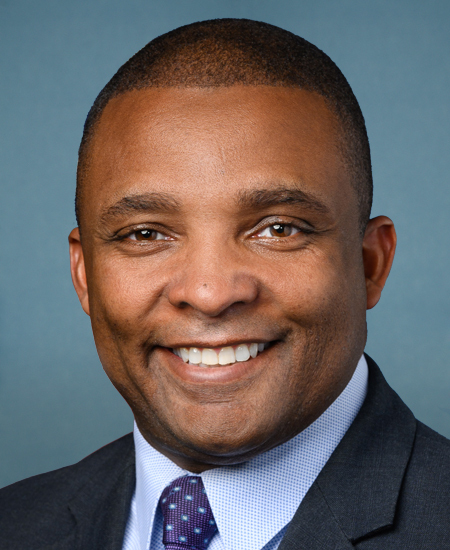
Rep. Donald G. Davis
Sponsored bills
Maddy summaryThe BRRRRT Act of 2026 restricts the U.S. Department of Defense from retiring, divesting, or storing A-10 aircraft in a way that reduces the total inventory below the level needed to sustain operations through fiscal year 2033. To comply, the Air Force must maintain a minimum fleet of 126 planes organized into specific units dedicated to close air support and combat search and rescue missions. The bill also mandates that the Air Force preserve retired aircraft in recoverable condition, prohibits using them for spare parts, and requires a detailed plan to restore any training or maintenance capacity that was cut in anticipation of retirement. Additionally, the legislation bars the removal of A-10 training functions at Davis-Monthan Air Force Base and Nellis Air Force Base unless specific conditions are met, while requiring the Air Force to submit regular reports on fleet sustainment and preservation efforts.
Maddy summaryThe Essential Caregivers Act of 2026 requires nursing homes, long-term care hospitals, rehabilitation facilities, and intermediate care facilities to allow two chosen family members or friends to visit residents during times when regular visitation is suspended. These essential caregivers must agree to follow the facility's existing safety and infection control rules, which are no more restrictive than those applied to staff. While facilities can limit access for the first seven days of a suspension or deny entry if a caregiver shows symptoms of a serious infectious disease, they cannot block visits for end-of-life care. Additionally, the bill mandates that complaints about denied access to essential caregivers be investigated and resolved within three days.
Maddy summaryThis bill requires Medicare Advantage plans to implement electronic pre-approval systems for medical services by 2028 and meet transparency reporting standards starting in 2027. Plans must publicly report data on approval/denial rates, appeal outcomes, response times, and technology use for pre-approval requests, including details on how denials relate to clinical criteria. It establishes a 24-hour response timeframe for certain requests and mandates annual reviews of pre-approval requirements based on data and input from seniors and providers. The law directly affects Medicare Advantage plans, seniors enrolled in these plans, and healthcare providers who submit pre-approval requests. These changes aim to make the pre-approval process faster, more transparent, and more accountable for seniors seeking covered medical services.
Maddy summaryHR 3108, the RPM Access Act, increases Medicare reimbursement for remote patient monitoring (RPM) in rural areas by setting a minimum reimbursement floor of 100% for practice expenses and malpractice costs starting in 2026. It requires that RPM services include real-time physician availability to address health issues, use data systems compatible with electronic health records, and mandates providers to report data on cost savings and adherence to medications. The bill directly affects rural Medicare beneficiaries with chronic conditions like heart failure and diabetes, as well as healthcare providers delivering RPM services in underserved rural communities. It also requires a 5-year report to Congress analyzing cost savings from RPM use, including reduced hospitalizations and medication adherence. The law aims to improve access to RPM in rural areas where healthcare shortages are most severe.
Maddy summaryThe FARM AI Act of 2026 directs the U.S. Department of Agriculture to prioritize artificial intelligence in its research, extension programs, and workforce training initiatives. This legislation requires the department to update its funding categories to include AI projects that enhance precision farming, resource management, and cybersecurity while adding specific training for implementing computing systems and maintaining agricultural machinery. To oversee these efforts, the bill establishes a new position called the Artificial Intelligence Agriculture Advisor, who will coordinate with the National Institute of Standards and Technology to develop national standards and promote the adoption of digital tools among farmers and rural communities.
Maddy summaryThe STOP Senior Fraud Act empowers financial institutions to temporarily delay or refuse transactions for accounts held by older adults, vulnerable individuals, or those with a history of financial exploitation if there is a reasonable suspicion of fraud. Under this bill, these delays can last up to 55 days, with a possible extension to 85 days if an internal review confirms the risk, and must be accompanied by notifications to trusted contacts and relevant authorities. Financial institutions are also required to provide staff training on identifying and handling potential exploitation cases, while the law includes protections to shield banks from liability when acting in good faith. The legislation defines specific terms such as "older adult" as anyone 62 or older and "financial exploitation" as the unauthorized taking or control of assets through deception or undue influence.
Maddy summaryThe Diesel Engine Flexibility Act establishes a ten-year regulatory stability period for diesel engines used in on-road vehicles, non-road equipment, and heavy-duty trucks. During this time, the Environmental Protection Agency is prohibited from issuing new or stricter emission standards beyond the 2007 and 2010 rules for on-road vehicles, or the Tier 4 rules for non-road engines, unless specific exceptions for repairs or fraud enforcement apply. After the decade concludes, any new regulations must include a five-year delay before taking effect and must consider the financial and operational impacts on vehicle owners and manufacturers. The bill also provides legal protection for manufacturers using specific guidance documents to manage engine performance and monitor fluid quality without facing penalties.
Maddy summaryThis resolution expresses support for designating July 10th as Journeyman Lineworkers Recognition Day to honor the workers who maintain the nation's electrical grid. The bill specifically recognizes the dangerous conditions these employees face, such as working at heights near live power lines and responding to disasters like hurricanes and wildfires. It also commemorates Henry Miller, the first president of the International Brotherhood of Electrical Workers, who died on July 10, 1896, while performing his duties. Ultimately, the measure encourages the public to observe this day with reflection on the contributions of lineworkers.
Maddy summaryThis bill, known as the General John D. Lavelle Act, directs the Secretary of Defense to recommend restoring the retired rank of General John D. Lavelle by December 31, 2026. The recommendation will be based on newly declassified records and the latest advice from the Air Force Board for Correction of Military Records. The primary effect is a formal process to reinstate General Lavelle's rank, which is a commemorative action rather than a change to current military policy.