Maddy summaryThe Safer Supervision Act of 2025 reforms federal supervised release by requiring courts to assess each defendant’s individual needs before imposing supervision, rather than automatically applying it. It establishes clear pathways for early termination after defendants serve 50% of their term (or 66.6% for certain drug/firearm offenses), provided they demonstrate good conduct, comply with conditions, and pose no public safety risk. The bill also mandates courts to document their supervision decisions and expands access to legal counsel for defendants seeking early release. These changes aim to reduce caseloads for probation officers, encourage rehabilitation, and improve public safety by tailoring supervision to actual risk.
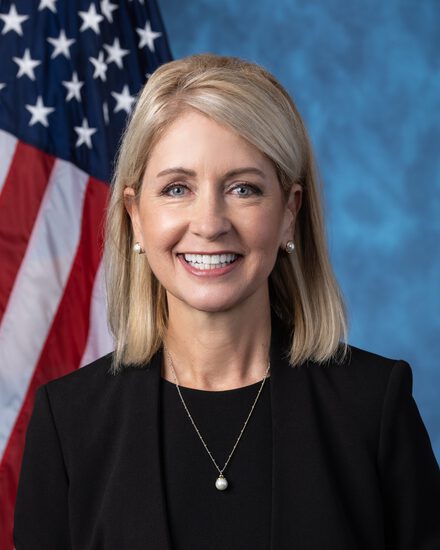
Rep. Mary E. Miller
Sponsored bills
Maddy summaryThe No Tax Exemptions For Terror Act would deny tax-exempt status under section 501(c)(3) of the Internal Revenue Code to the Council on American-Islamic Relations (CAIR) and any organization determined to have ties to terrorism or terrorist groups. This means these organizations would no longer qualify for federal tax-exempt status, requiring them to pay income taxes on their earnings. The provision applies to taxable years ending after the bill's enactment date. The bill directly affects organizations identified by the government as having connections to terrorism.
Maddy summaryThis resolution proposes impeaching Judge Deborah Boardman of the U.S. District Court for the District of Maryland, alleging she violated judicial standards by sentencing Nicholas John Roske - a man who attempted to assassinate Supreme Court Justice Brett Kavanaugh - to eight years (instead of the 30-year recommendation) - based on Roske’s transgender identity. The resolution claims Judge Boardman’s decision, which cited Roske as a "transgender woman" in sentencing, undermined the law and impartiality required of federal judges. It argues this conduct constitutes "high crimes and misdemeanors" by violating the constitutional standard for judicial "good behavior." The resolution is now referred to the House Judiciary Committee for further review.
Maddy summaryThis bill would deny visas and immigration benefits to individuals who adhere to Sharia law, directly affecting immigrants and visa applicants. It allows officials to revoke existing immigration benefits, deport people found adhering to Sharia, and penalize false statements about Sharia adherence. Decisions under this law would be final and unreviewable by courts. The policy changes immigration eligibility based solely on adherence to Sharia law, with no judicial oversight.
Maddy summaryThis bill would require all states to recognize valid concealed carry permits issued by other states, allowing permit holders to carry concealed handguns (excluding machine guns) in any state that either issues such permits or doesn't prohibit concealed carry. It directly affects law-abiding gun owners with valid permits from their home state, ensuring they can carry in states with similar permit systems or no prohibitions. Key provisions include treating valid permit documents as proof of legal carry (reducing officer stops), shifting the burden of proof to prosecutors if challenged, and allowing civil lawsuits for violations with attorney's fee awards. The bill does not override state laws restricting firearms on private property or government land, nor does it affect federal gun restrictions like those in section 922(q).
Maddy summaryThis bill withholds federal grant funding from states or local governments that implement specific policies. It prohibits funding for jurisdictions with laws that substantially limit cash bail for certain serious crimes (like violent offenses or public disorder) or allow felony convicts to be released without bail. It also blocks funding for cities classified as "urbanized areas" that reduced police budgets (unless due to a general budget shortfall). The policy directly affects local governments and states that adopt these specific approaches to criminal justice or law enforcement funding. The bill modifies two existing federal grant programs to enforce these eligibility rules.
Maddy summaryThis bill requires the FDA to reinstate the 2011 safety program for mifepristone (the drug sold as Mifeprex) and bans its importation into the U.S. It creates federal liability for harm caused by illegal importers of the drug, allowing lawsuits for bodily injury or mental health harm resulting from unauthorized importation. The law applies specifically to telehealth providers, pharmacies, or others who knowingly import mifepristone across state lines. It takes effect 90 days after enactment.
Maddy summaryH.J.Res. 127 proposes a constitutional amendment to establish parental rights regarding children's upbringing, education, and care as a fundamental right. It would guarantee parents the right to choose private, religious, or home schooling instead of public school, or make reasonable choices within public schools for their children. The amendment would require the government to demonstrate a "highest order" interest to limit these rights, and explicitly prohibits denying these rights based on disability. This proposal, if ratified by 38 states, would amend the U.S. Constitution but is not yet law.
Maddy summaryHRES 719 is a House resolution honoring Charles "Charlie" James Kirk, the founder of Turning Point USA who was assassinated on September 10, 2025. The resolution condemns his assassination and all political violence, extends condolences to his family, and calls on Americans to reject violence while promoting civil discourse. It specifically recognizes Kirk's legacy as a defender of constitutional principles and his role in inspiring youth through free speech and faith-based civic engagement. As a commemorative resolution, it does not enact policy changes but formally expresses the House's stance on honoring his life and legacy.
Maddy summaryThe Make America's Youth Healthy Again Act of 2025 establishes a new President’s Council on Sports, Fitness, and Nutrition to advise the President on youth health initiatives. The Council, appointed by the President with up to 30 members serving two-year terms, will recommend strategies to reinstate the Presidential Fitness Test, develop school-based physical education programs, expand community sports access, and address childhood obesity as a national security concern. Key provisions include advising on fitness goals for American youth, promoting partnerships with sports organizations, and emphasizing active lifestyles and nutrition. The Council will terminate two years after enactment unless extended by the President. This bill directly affects federal policy coordination for youth fitness programs but does not create new funding or mandate changes to existing laws.