Maddy summaryHR 6019 repeals a requirement that Senate offices must be notified when legal requests seek Senate data. Specifically, it removes Section 213 of the 2026 appropriations act, which mandated that Senate offices be informed about legal processes requesting disclosure of Senate data. This change directly affects Senate offices by eliminating a procedural notification step for legal requests involving their data. The bill makes no other policy changes, solely removing this specific administrative requirement.
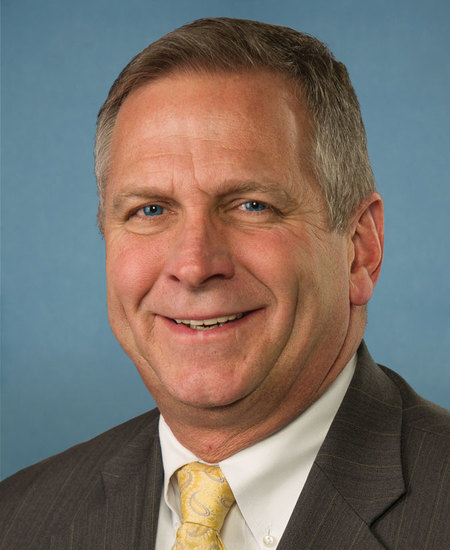
Rep. Mike Bost
Sponsored bills
Maddy summaryHR 1560, the Postal Supervisors and Managers Fairness Act of 2025, requires the U.S. Postal Service to formally negotiate pay and benefits changes with supervisors' organizations. It mandates that the Postal Service provide written proposals to these organizations 60 days before pay decisions expire or after new collective bargaining agreements affecting supervisor pay are reached. The bill also shortens dispute resolution timelines, requiring binding final decisions within 15 days of a panel's recommendation. This directly affects postal supervisors and managers covered under recognized bargaining organizations. The law changes the negotiation process but does not alter specific pay rates or benefits.
Maddy summaryHR 6137 would create a new separate job code for "direct support professionals" (DSPs) within the federal Standard Occupational Classification system. This change aims to better recognize DSPs - who provide daily support for people with intellectual and developmental disabilities (like helping with daily living, community participation, and goal-setting) - as distinct from other roles like home health aides. The bill requires the Office of Management and Budget to consider this revision during the next system update, without authorizing new funding. It addresses data gaps caused by high turnover rates (39% nationally) in DSP hiring and retention.
Maddy summaryHR 1514 establishes the Mississippi River Basin Fishery Commission within the Department of the Interior to coordinate management of interjurisdictional fisheries across 31 U.S. states, two Canadian provinces, federal agencies, and tribal nations. The Commission oversees six sub-basin management plans, develops strategies to control invasive carp (like bighead and silver carp), and administers grant programs for conservation projects. It provides $30 million annually (2027-2029) and $50 million annually (2030-2032) to fund collaborative efforts, with grants prioritizing projects aligned with the existing MICRA Joint Strategic Plan. The Commission’s authority is nonbinding, requiring consensus among member entities but not overriding state or federal management laws.
Maddy summaryThis bill amends the Immigration and Nationality Act to add new grounds for deporting non-citizens. It makes any non-citizen deportable if they have been convicted of a felony or two misdemeanors (under either state or federal law) after entering the United States. The key provision expands deportation eligibility beyond previous standards by explicitly including state misdemeanor convictions alongside federal offenses. This change directly affects non-citizens with specific criminal records, potentially increasing deportation risks for those with certain convictions. The policy alters the legal standard for removal but does not change sentencing or enforcement procedures.
Maddy summaryHRES 866 is a non-binding House resolution condemning the systematic persecution of Christians in Nigeria by groups like Boko Haram and Fulani militants, and criticizing Nigeria's government for failing to protect Christian communities or acknowledge the violence. It calls on the U.S. government to support President Trump in using diplomatic, economic, and security tools to pressure Nigeria to end impunity for attacks, protect Christians, return displaced persons, and repeal blasphemy laws. The resolution specifically demands action against religiously motivated violence, including the release of those imprisoned for their faith, and urges coordination with international partners for humanitarian aid. It does not create new laws but expresses congressional support for U.S. policy actions targeting Nigeria's religious freedom violations.
Maddy summaryHR 5969, the LABEL Act, requires abortion-inducing drugs to include specific labeling identifying both the drug dispenser's name/address and the prescriber's name. It directly affects pharmacies, clinics, and prescribers distributing these drugs by mandating this labeling on all such products. The bill prohibits states from imposing stricter labeling rules than this federal standard. It defines "abortion-inducing drug" as one intended or used to end a pregnancy (excluding drugs for miscarriage management or ectopic pregnancy treatment). This is a labeling requirement, not a restriction on drug access or use.
Maddy summaryThis bill ensures that critical firearm-related government operations continue during federal shutdowns. It designates background checks (via the FBI's National Instant Criminal Background Check System), Bureau of Alcohol, Tobacco, Firearms and Explosives enforcement, and firearm export licensing (handled by Commerce and State Departments) as essential services that must remain operational. These functions would be treated as "excepted" under federal law, meaning their employees would continue working even if other government services halt. The bill affects how background checks and firearm export licenses are processed during shutdowns but does not change gun ownership laws or eligibility.
Maddy summaryHR 3834, the Protecting Veteran’s Claim Options Act, modifies rules for veterans filing supplemental claims with the Board of Veterans’ Appeals. It prevents the Board from denying relief solely because a veteran didn’t submit new evidence upfront for certain supplemental claims (Section 5104C(a)(1)(B)). For cases remanded by the Court of Appeals for Veterans Claims, the bill limits the evidence the Board can consider to what was previously reviewed, but requires the Board to accept new evidence submitted by the veteran or their representative within 90 days of the remand. This directly affects veterans appealing claims and their representatives by expanding opportunities to present evidence without automatic denial for missing initial evidence.
Maddy summaryHRES 786 is a symbolic resolution designating September 30, 2025, as "Impact Aid Recognition Day" to commemorate the 75th anniversary of the Impact Aid program. It does not create new policies or funding but formally recognizes the program's history and purpose. The resolution highlights that Impact Aid reimburses local schools for revenue losses due to tax-exempt federal properties (like military bases or tribal lands), serving over 8 million students across 1,100 school districts. It emphasizes bipartisan support for the program since its 1950 establishment and its role in ensuring equitable education access for federally connected children. The resolution has no binding effect beyond the symbolic recognition.