

Maddy summaryThis bill, the PrEP Access and Coverage Act of 2026, requires most health insurance plans to cover HIV prevention medication without charging patients any out-of-pocket costs. It directly affects people with private insurance, government health programs like Medicare and Medicaid, military health care, and the Indian Health Service. The law mandates that insurance companies cannot require pre-approval for these medications, cannot charge deductibles or copayments for them, and cannot deny or charge higher premiums for life, disability, or long-term care insurance based on someone taking HIV prevention medication. The bill also creates a new public education campaign to increase awareness about HIV prevention options and provides federal funding to states and community organizations to expand access to these services.
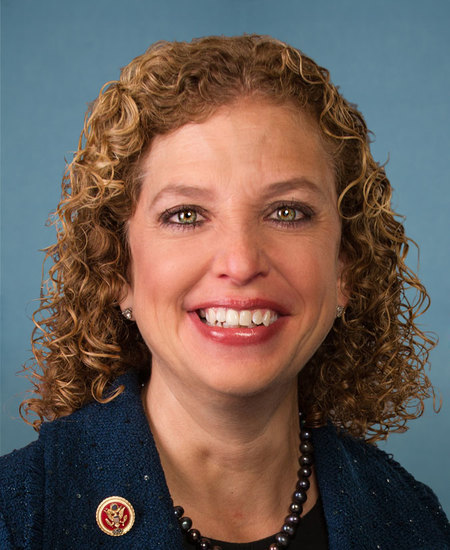
Rep. Debbie Wasserman Schultz
Sponsored bills
Maddy summaryHR 7856, the Fair Housing for Survivors Act of 2026, amends the Fair Housing Act to explicitly prohibit housing discrimination based on being a survivor of domestic violence, sexual assault, or severe trafficking in persons. It adds "survivor of domestic violence, sexual assault, or severe trafficking" as a protected class in the law, alongside existing categories like race or national origin. This means landlords, housing providers, and programs cannot deny housing, evict, or otherwise discriminate against individuals due to their status as a survivor. The bill directly affects survivors who face housing barriers, including those with protective orders, shelter histories, or past evictions linked to abuse.
Maddy summaryThis bill requires the Secretary of Energy to conduct a study on how data centers impact communities of color and low-income communities, working with agencies like the EPA and the Council on Environmental Quality. The study will examine specific issues including water and energy consumption, air and soil quality, effects on property values and local tax revenue, and public health risks related to pollution and heat. The Secretary must consult with local governments and Indian Tribes during the study and submit a report to Congress within 18 months that includes a map of data center locations relative to affected communities, along with recommendations for mitigating potential harms.
Maddy summaryThis bill, known as the Direct File Act of 2026, would establish a government-run online system allowing taxpayers to prepare and file their individual income tax returns for free. The legislation prohibits the Treasury Department from entering into agreements that restrict its ability to provide tax preparation or filing services, and it voids any existing contracts with such restrictions. The program would use IRS data to simplify filing, include customer support, be available in multiple languages, and allow users to file even if they are not required to. It also enables taxpayers in participating states to file state and local returns alongside their federal returns, with funding provided to states that meet certain standards.
Maddy summaryThe DISCLOSE Act of 2026 aims to increase transparency in election spending and prevent foreign influence. It expands the ban on foreign money to cover federal, state, and local elections, including ballot initiatives and judicial nominations, and criminalizes using corporations to conceal these funds. The bill mandates that organizations spending over $10,000 on campaign-related activities, such as independent expenditures or judicial nomination advocacy, disclose their beneficial owners and top donors. Additionally, it establishes new "Stand By Every Ad" disclaimers for political communications, requiring the highest-ranking official to approve the message and, for certain ads, list their top funders. These provisions directly affect non-candidate organizations, individuals involved in political and judicial nomination spending, and foreign nationals.
Maddy summaryThis bill reauthorizes and modernizes Trade Adjustment Assistance programs to help workers, firms, communities, and farmers affected by trade-related job losses. It extends program funding through 2033 and expands eligibility to include teleworkers, staffed workers, and public agency employees. Key provisions increase financial benefits, add new allowances for childcare and job search, require inflation adjustments to benefit amounts, and establish new outreach requirements to ensure underserved communities receive adequate support. The legislation also creates a new community assistance program providing grants for strategic economic development planning and expands technical assistance for businesses seeking adjustment support.
Maddy summaryHRES 1087 is a non-binding House resolution recognizing community water fluoridation as a safe and effective public health measure to prevent tooth decay. It acknowledges decades of scientific support for fluoridation, including CDC recognition as a top public health achievement, and highlights its cost-effectiveness in reducing dental treatment costs. The resolution encourages states and localities to maintain or adopt optimal fluoridation levels but does not create new legal requirements or directly affect any specific group. It serves as a symbolic endorsement of existing public health practice, referencing support from major health organizations.
Maddy summaryHR 7740, the African American History Act of 2026, authorizes $4 million annually for the National Museum of African American History and Culture to develop educational resources and support teaching about African American history. The bill directs the museum to create digital and print materials, provide teacher training, and expand access to curriculum resources for K-12 and college classrooms. It requires annual reports to Congress on fund usage and expires in 2030. This program directly affects educators and students by enhancing classroom materials and professional development on African American history.
Maddy summaryHRES 1080 is a symbolic resolution recognizing and celebrating Black History Month 2026, focusing on its theme "A Century of Black History Commemorations." It highlights historical figures and events central to Black history, including Carter G. Woodson’s founding of Negro History Week (the precursor to Black History Month), Juneteenth, and key moments like the 1865 Charleston commemoration. The resolution emphasizes how Black history commemorations counter historical erasure and affirm Black contributions to U.S. history, referencing figures like Mary McLeod Bethune and W.E.B. Du Bois. As a ceremonial resolution, it has no binding effect but aims to raise awareness of Black achievements through official recognition.
Maddy summaryThis bill directs U.S. agencies to support Iranian people's access to uncensored information and hold Iranian officials accountable for human rights abuses. It requires the State Department and FCC to report on technologies (like satellite networks and mesh systems) that could bypass internet restrictions in Iran, and authorizes $2 million annually to develop such tools. The bill also establishes a new "Iran Kleptocracy Initiative" at FinCEN to track corruption, freeze assets of Iranian regime officials and state-owned businesses, and coordinate with international partners. These measures apply to U.S. policy toward Iran but do not alter Iran's domestic laws; they focus on U.S. sanctions, technology development, and anti-corruption efforts targeting the Iranian regime.