

Maddy summaryThis bill directs the Department of Defense to review clinical trial data on psilocybin treatment for veterans and servicemembers with treatment-resistant PTSD. It requires the Assistant Secretary of Defense for Health Affairs to submit a report within 180 days analyzing the safety, dosing, and feasibility of these findings for military personnel, including those transitioning to civilian life. The report must also assess legal requirements for expanded access to the substance and outline plans for future pilot programs or research starting in fiscal year 2027. Additionally, the legislation mandates coordination with the Department of Veterans Affairs and other federal agencies to ensure continuity of care and appropriate regulatory oversight.
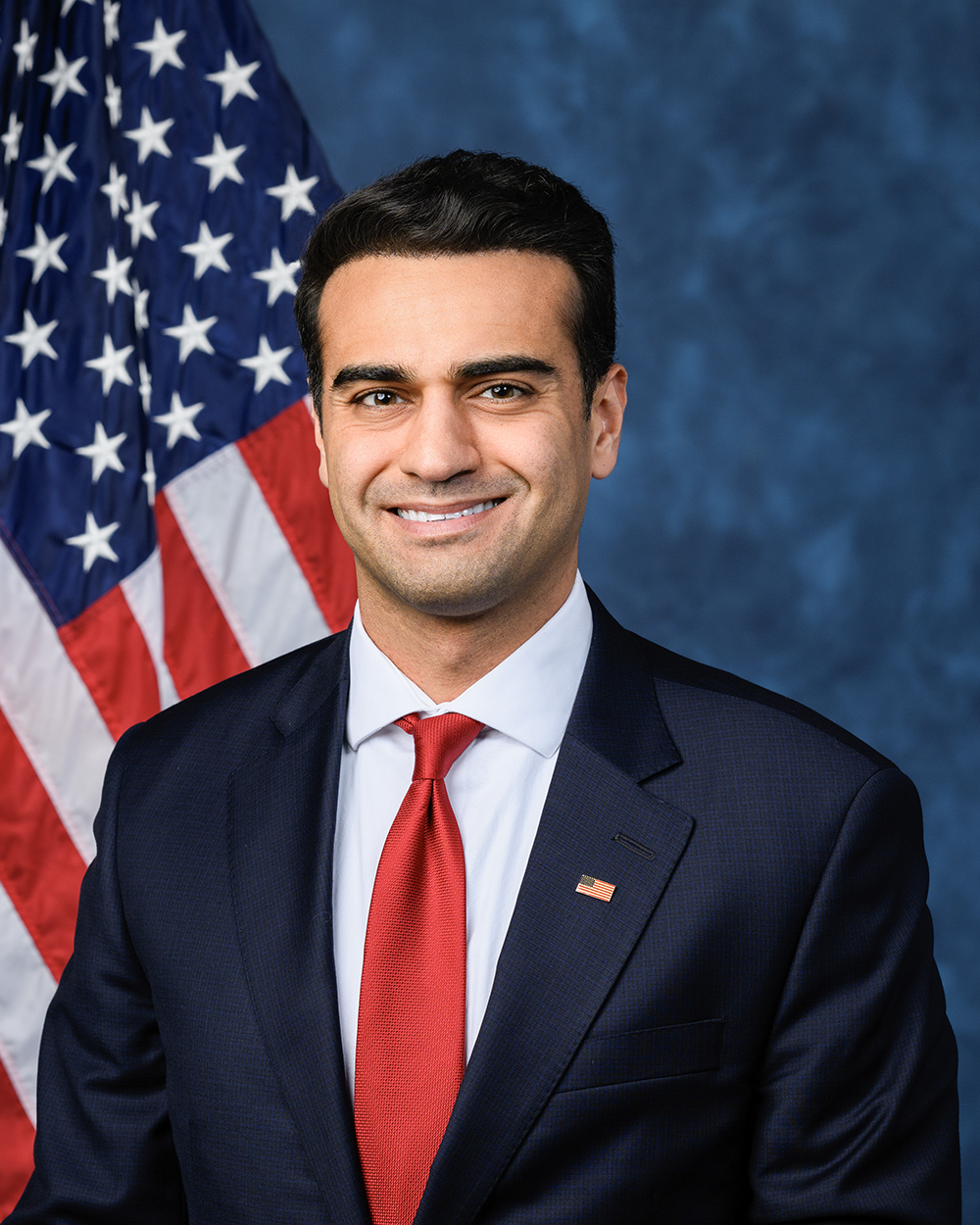
Rep. Abraham J. Hamadeh
Sponsored bills
Maddy summaryThe WINGS Act directs the Department of Veterans Affairs to conduct a long-term study on the brain and mental health impacts of military aviation, specifically focusing on high-performance flight and G-force exposure. It requires examining links between flight hours, G-forces, and conditions like traumatic brain injury, depression, PTSD, and neurodegenerative diseases among military aviators. The bill mandates creating a centralized, anonymized health registry for participating aviators to track flight exposure and health outcomes over time. This study must produce interim and final reports to Congress within one and three years of enactment, directly affecting current and former military pilots and aircrew who operated aircraft like fighter jets, trainers, or tiltrotors.
Maddy summaryHR 4398, the Veteran Burial Timeliness and Death Certificate Accountability Act, requires Veterans Affairs (VA) physicians or nurse practitioners to certify the death of a veteran who dies of natural causes within 48 hours of learning of the death. This directly affects veterans' families, who previously faced delays of up to eight weeks in burial and access to survivor benefits due to slow death certifications. The bill mandates annual reports to Congress on VA compliance with the 48-hour rule, including statistics on delays and their causes. The key change is establishing a strict timeline for death certification to prevent unnecessary delays in honoring veterans' final arrangements.
Maddy summaryThe Combat Pay Protection Act establishes a new formula to increase specific special and incentive pay for members of the U.S. Armed Forces, including those in the reserve components. For the first year after the bill becomes law, pay will rise by the greater of the inflation rate or the percentage increase in basic pay, while subsequent years will use a similar calculation based on inflation or basic pay growth. This adjustment applies to bonuses and allowances defined in the law and overrides any existing legal caps on maximum pay amounts. The Department of Defense is also required to publish a detailed table listing the specific pay types and the calculated increase amounts by the end of the year the bill is enacted.
Maddy summaryThe Stop Lawmakers From Predicting Act prohibits Members of Congress, their spouses, and their dependent children from trading on prediction markets regarding government policies, actions, political outcomes, or any events related to their congressional duties. This restriction applies to any purchase, sale, or agreement dependent on these specific outcomes while the individual is in federal service. If a covered individual violates these rules, they must pay a fee equal to the greater of $2,000 or 10% of the transaction value, plus any net profit made from the trade. The law also forbids paying these penalties using personal allowances, campaign funds, or other official accounts, and it requires the supervising ethics office to issue guidance on how to interpret the new restrictions.
Maddy summaryThe USCP Empowerment Act of 2025 grants the United States Capitol Police (USCP) new authority to address drone threats near Capitol facilities. It allows USCP officers to detect, track, disrupt, seize, or destroy unmanned aircraft systems (drones) posing credible security risks to the Capitol Buildings, Capitol Grounds, or designated areas without prior consent, while requiring coordination with the Transportation Secretary and FAA for aviation safety. The bill includes strict privacy safeguards, limiting intercepted drone communications to 180 days unless needed for investigations, and mandates quarterly reports to Congress detailing drone operations, privacy protections, and impacts on airspace. This law directly affects USCP operations and drone operators near Capitol security zones.
Repealing Big Brother Overreach Act This bill repeals the Corporate Transparency Act. The act requires existing companies and newly created companies to report beneficial ownership information to the Department of the Treasury’s Financial Crimes Enforcement Network for purposes of addressing the financing of terrorism and money laundering.
Maddy summaryThis bill creates a new process to identify military veterans who served at specific Nevada test sites and other facilities linked to toxic exposure, removing the requirement for them to provide proof of contact with harmful substances. It officially classifies service in these areas as involving radiation risks and establishes a legal presumption that veterans who worked there are eligible for disability benefits related to certain diseases without needing to prove a direct link between their illness and the environment. To support these changes, the legislation mandates the creation of a registry to track affected service members and funds a scientific study to better understand the health impacts of toxic exposures at these locations.
Maddy summaryThe No American Left Behind Act directs the Department of Defense to submit a detailed report to Congress within 180 days regarding its efforts to recover, repatriate, and account for U.S. citizens who are held hostage, unlawfully detained, or missing abroad. This report must specifically cover cases in regions like Syria, Iraq, and Afghanistan and analyze how military planning, intelligence, and diplomatic strategies influence these recovery operations. The legislation requires the Secretary of Defense to assess current policies, identify gaps in authority or resources, and evaluate the feasibility of creating a formal "No American Left Behind" doctrine to guide future efforts. Ultimately, the bill aims to ensure that considerations for the safety and return of American nationals are integrated into core defense planning and contingency operations.
Maddy summaryThe No Equipment Left Behind Act of 2026 requires the Department of Defense to submit detailed reports to Congress within 60 days of any significant troop withdrawal or redeployment in designated areas. These reports must include comprehensive inventories of military equipment, cost estimates for disposal options like selling or destroying items, and specific plans to prevent captured gear from being used by hostile groups. The law also mandates that the Secretary of Defense obtain written approval from senior leadership for any decision to abandon, destroy, or demilitarize equipment valued over $10 million. Additionally, the bill establishes annual reporting requirements and tasks the Government Accountability Office with reviewing how the department implements these new accountability measures.