Issue · Immigration

Immigration

Every immigration bill, vote, and legislator stance in Ohio, automatically classified by Maddy, our AI policy reader.

Total bills
83
119th Congress
Top supporter
Joyce Beatty
84% support rate
Top opponent
Warren Davidson
16% support rate
Ranked legislators
10
5 support · 5 oppose
Key legislators

Who's moving immigration in Ohio

Legislators moving immigration in Ohio
Legislator Party Stance Support rate Votes
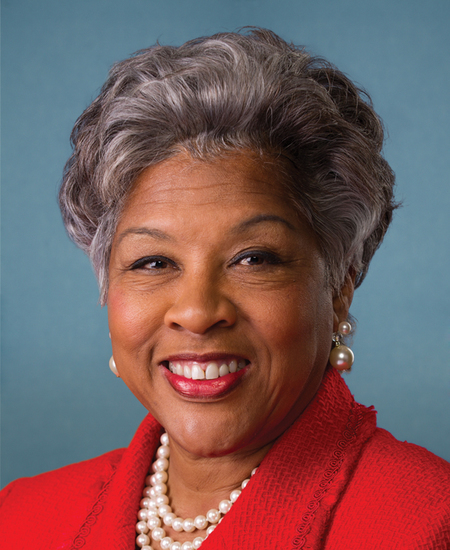
Joyce Beatty
Joyce Beatty House · District 3
D
Strong +
84% 135
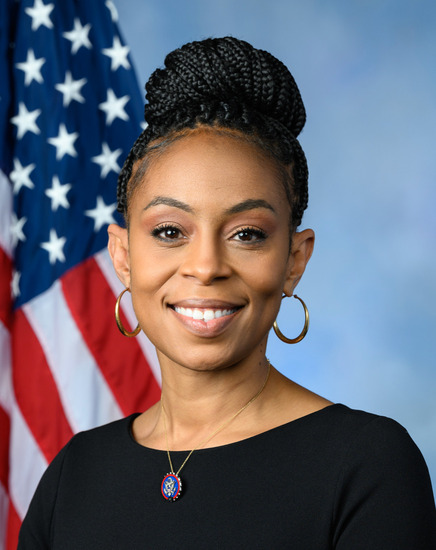
Shontel M. Brown
Shontel M. Brown House · District 11
D
Strong +
81% 150
Bernie Moreno
Bernie Moreno Senate
R
Support
70% 180
Emilia Strong Sykes
Emilia Strong Sykes House · District 13
D
Support
65% 147
Jon Husted
Jon Husted Senate
R
Support
61% 174
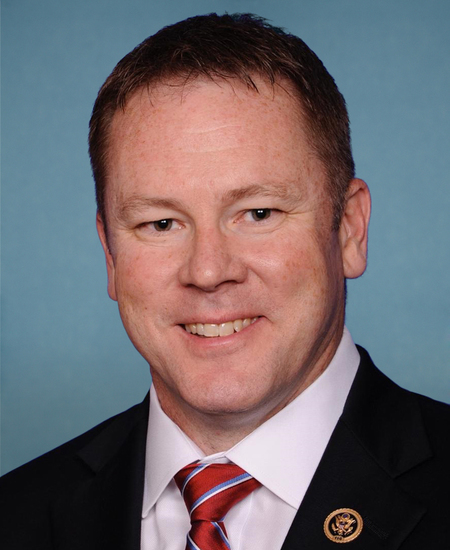
Warren Davidson
Warren Davidson House · District 8
R
Strong −
16% 148
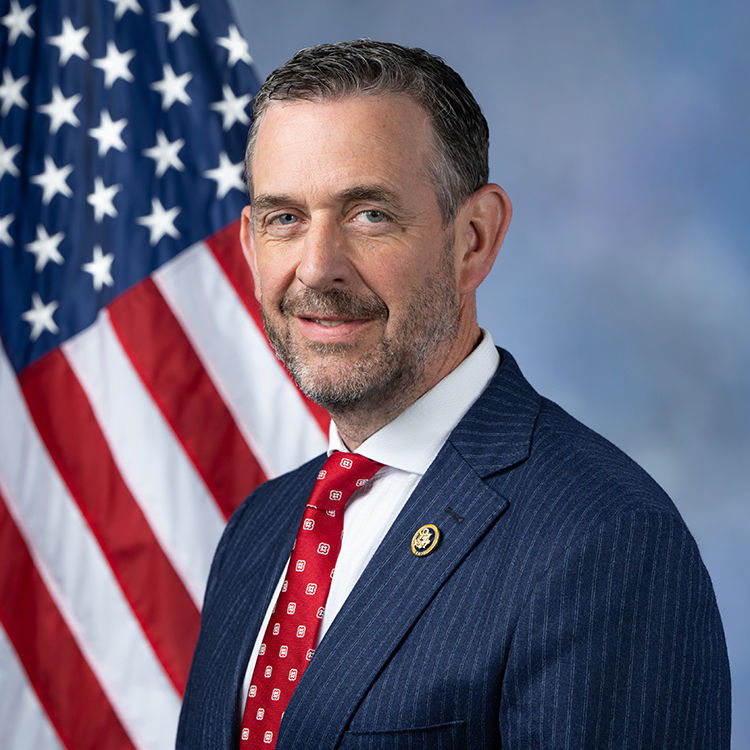
Michael A. Rulli
Michael A. Rulli House · District 6
R
Strong −
17% 143
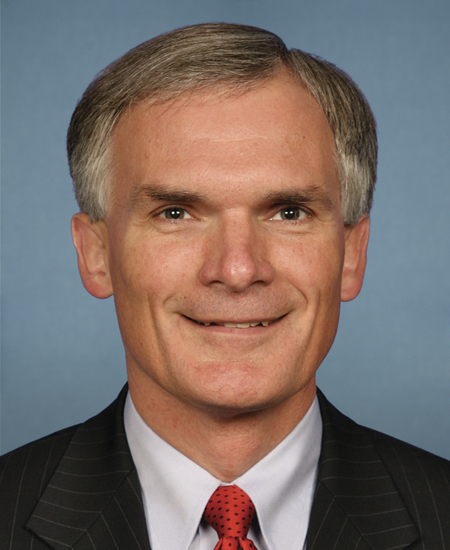
Robert E. Latta
Robert E. Latta House · District 5
R
Strong −
19% 150
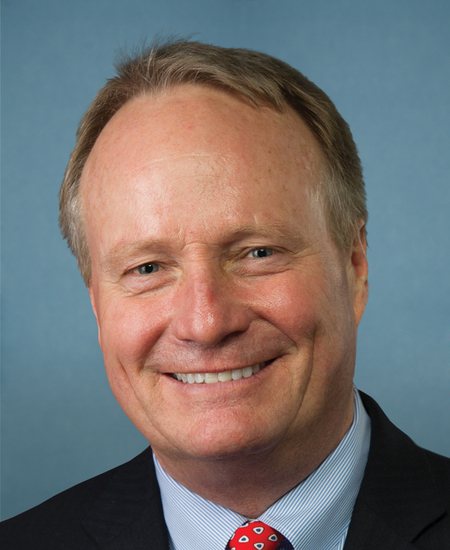
David P. Joyce
David P. Joyce House · District 14
R
Strong −
19% 147
Max L. Miller
Max L. Miller House · District 7
R
Strong −
19% 145
Showing 1–10 of 83 bills

All immigration bills

passed · United States · House Sep 1, 2026

HRES 1490: Providing for the condemnation and denouncement of socialism in all its forms, and for other purposes.

This resolution states that the House of Representatives condemns and denounces socialism in all its forms, including the Democratic Socialists of America, and opposes the implementation of socialist policies in the United States; reaffirms its support for free, fair, and secure elections and calls for enactment of the SAVE America Act; reiterates that American elections are for American citizens only; and recommits itself to upholding the U.S. Constitution.
in committee · United States · House Sep 2, 2026

HR 10222: No HUD Funding for Sanctuary Cities Act

This bill would prohibit any state or local government designated as a "sanctuary jurisdiction" from receiving grant funds distributed by the Department of Housing and Urban Development (HUD). A jurisdiction is defined as a sanctuary if it has laws, policies, or practices that restrict officials from sharing information about an individual's immigration status or from complying with federal requests to detain or notify about the release of individuals. The funding restriction would apply to grants distributed 180 days after the bill's enactment. To determine which jurisdictions qualify for this ineligibility, the HUD Secretary is required to consult with the Secretary of Homeland Security.
in committee · United States · Senate Jul 15, 2026

S 4983: Harry Reid Immigration Stabilization Act

This bill, the Harry Reid Immigration Stabilization Act, establishes a comprehensive framework to reduce overall immigration numbers, reform asylum procedures, increase penalties for criminal behavior, and enhance border security measures. It directly affects immigrants, refugees, asylum seekers, employers, and law enforcement agencies by setting strict caps on family and employment-based visas, requiring a 30-day filing deadline for asylum applications, and expanding the definition of aggravated felonies to include a wider range of crimes. Key mechanisms include mandating that employers verify work eligibility through a telephone verification system, creating a new border crossing fee, and requiring states to verify immigration status to receive certain federal benefits. Additionally, the legislation introduces stricter rules for criminal aliens facing expedited deportation, increases penalties for alien smuggling, and clarifies citizenship requirements for children born to non-citizen parents.
in committee · United States · Senate Jul 23, 2026

S 5097: End H–1B Visa Abuse Act of 2026

This bill, the End H-1B Visa Abuse Act of 2026, proposes to stop the issuance of H-1B work visas for three years and then restrict them to primary workers rather than their families. It would require employers to prove a shortage of qualified American workers and pay a minimum wage of $200,000 per year, while also banning the use of staffing agencies to hire these workers. The legislation further limits the total number of H-1B visas to 25,000 annually, removes the current lottery system in favor of prioritizing higher wages, and prohibits H-1B workers from holding jobs with more than one employer or working for third-party agencies. Additionally, the bill bars federal government agencies from hiring H-1B workers, eliminates optional training programs for foreign students, and generally prevents nonimmigrant visa holders from changing their status to permanent residents while in the United States.
in committee · United States · House Jul 16, 2026

HR 9742: English Language Proficiency Act

The English Language Proficiency Act removes specific exceptions that currently allow certain immigrants to bypass the naturalization requirement of understanding U.S. history, government, and English language skills. By amending the Immigration and Nationality Act, the bill eliminates these exemptions, meaning more applicants must now demonstrate proficiency in these areas to become citizens. This change directly impacts immigrants who previously qualified for waivers based on factors such as age, education, or length of residence in the United States. The legislation aims to standardize the naturalization process by ensuring a consistent set of requirements for all applicants seeking citizenship.
in committee · United States · House Jul 13, 2026

HR 9656: Illegal Alien Patient Reporting Act

This bill requires hospitals that receive federal health care funding to ask patients about their immigration status during admission and report the results to government agencies. Under the law, hospitals must include a specific statement on intake forms assuring patients that their answers will not affect their medical care or lead to a law enforcement report unless the patient is suspected of certain crimes. Hospitals must also submit quarterly reports detailing how many patients are citizens, lawful residents, or undocumented, along with the number of individuals who refused to answer or failed to provide proof of their legal status. The legislation prohibits hospitals from sharing personal identifying information with the government while allowing them to exclude non-compliant facilities from federal programs. Additionally, the bill mandates an annual report to Congress analyzing the costs of uncompensated care for undocumented patients and its impact on hospital services.
in committee · United States · House Jun 29, 2026

HR 9514: Homeownership Eligibility Reform Act

The Homeownership Eligibility Reform Act restricts access to government-backed and private mortgage insurance for single-family homes to individuals who are U.S. citizens. Specifically, the bill amends laws governing the Federal Housing Administration, Fannie Mae, and Freddie Mac to require that borrowers for one-to-four-unit properties must be citizens to qualify for their mortgage products. This change directly affects foreign nationals and non-citizen residents who currently might purchase homes with these types of financing, effectively limiting their eligibility for these specific mortgage programs.
in committee · United States · House May 14, 2026

HR 8827: ASSIMILATION Act

This bill, known as the ASSIMILATION Act, fundamentally restructures the U.S. immigration system by replacing family-based and lottery-based admissions with a merit-based approach that prioritizes economic self-sufficiency and national interest. It directly affects prospective immigrants, current visa holders, and employers by establishing new requirements for entry, employment, and naturalization. Key provisions eliminate the diversity visa lottery, restrict family-sponsored immigration to spouses and minor children, and mandate that all immigrants demonstrate the ability to support themselves without relying on government benefits. The legislation also introduces stricter enforcement measures, such as making visa overstays a criminal offense, expanding E-Verify to all employers, and requiring higher English proficiency and tax compliance for citizenship. Additionally, it tightens asylum rules by adding a transit bar for those passing through other countries and limits parole to specific humanitarian cases rather than broad programs.
in committee · United States · Senate Apr 29, 2026

SJRES 189: A joint resolution proposing an amendment to the Constitution of the United States to protect United States citizenship.

This joint resolution proposes a new amendment to the U.S. Constitution to clarify who qualifies as a citizen at birth. It would restrict automatic citizenship to children born in the United States only if at least one parent is a U.S. citizen, a lawful permanent resident, or an alien with lawful status serving in the military. The bill aims to limit the scope of the 14th Amendment's citizenship clause and explicitly grants Congress the authority to pass laws enforcing these new requirements. If ratified, this change would alter the legal definition of birthright citizenship for children born to undocumented immigrants or other non-citizen parents.
in committee · United States · House Apr 30, 2026

HR 8640: Non-Domiciled CDL Reporting Act

This bill requires state driver license agencies to report expiration dates and copies of non-domiciled commercial driver's licenses to the Federal Motor Carrier Safety Administration. The administration will then use a federal verification system to check if these drivers have unlawful presence in the United States and share that information with immigration officials if necessary. Additionally, the bill mandates annual reports to Congress detailing how many such licenses were flagged and where they were issued. States that fail to comply with these reporting requirements may face financial penalties under existing federal laws.
Showing 1 to 10 of 83 bills
1 2 3 9 Next