Issue · Immigration

Immigration

Every immigration bill, vote, and legislator stance in Ohio, automatically classified by Maddy, our AI policy reader.

Total bills
118
119th Congress
Top supporter
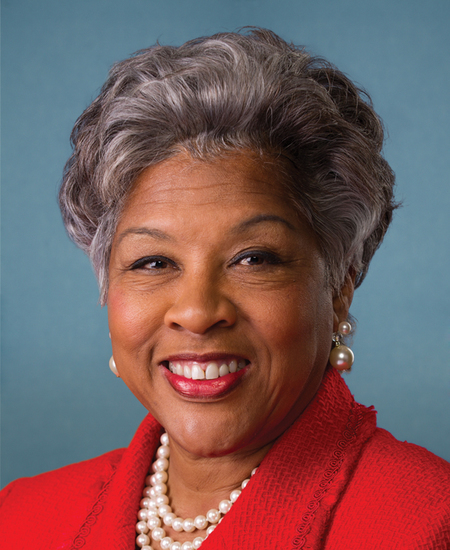
Joyce Beatty
84% support rate
Top opponent
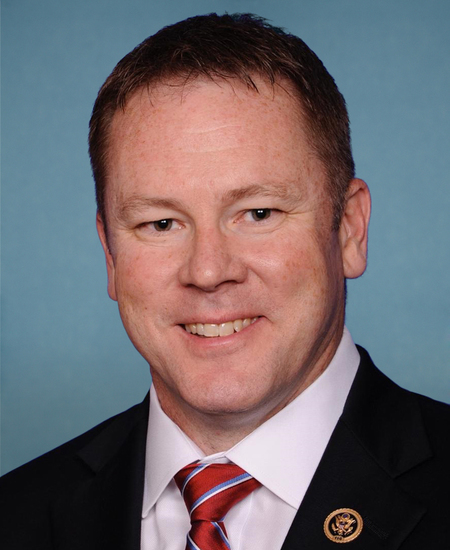
Warren Davidson
16% support rate
Ranked legislators
10
5 support · 5 oppose
Key legislators

Who's moving immigration in Ohio

Legislators moving immigration in Ohio
Legislator Party Stance Support rate Votes
Joyce Beatty
Joyce Beatty House · District 3
D
Strong +
84% 135
Shontel M. Brown
Shontel M. Brown House · District 11
D
Strong +
81% 150
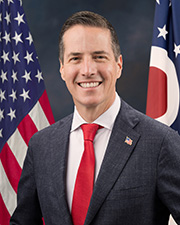
Bernie Moreno
Bernie Moreno Senate
R
Support
70% 180
Emilia Strong Sykes
Emilia Strong Sykes House · District 13
D
Support
65% 147
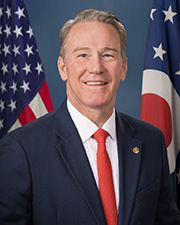
Jon Husted
Jon Husted Senate
R
Support
61% 174
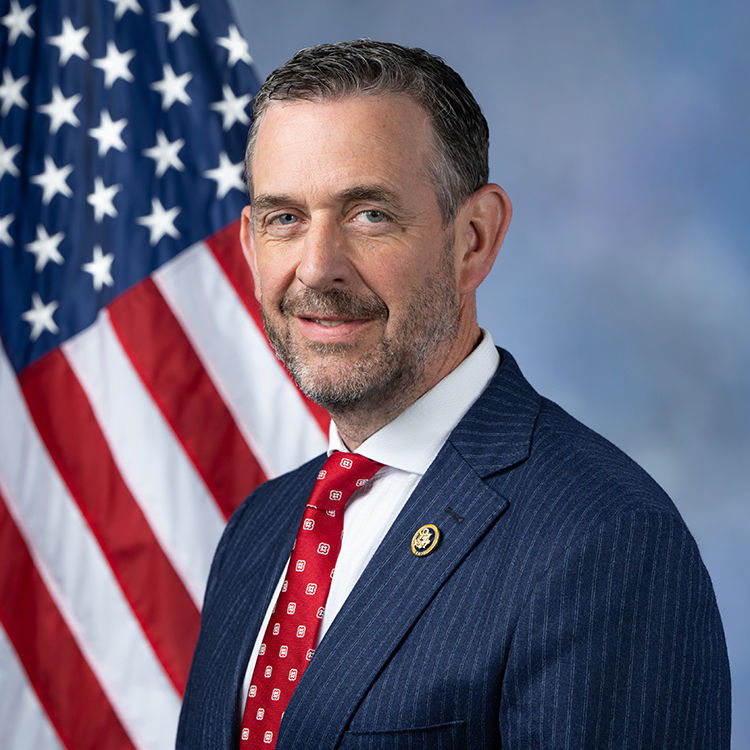
Warren Davidson
Warren Davidson House · District 8
R
Strong −
16% 148
Michael A. Rulli
Michael A. Rulli House · District 6
R
Strong −
17% 143
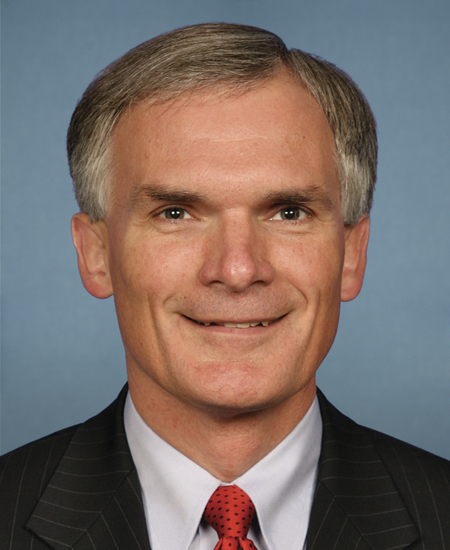
Robert E. Latta
Robert E. Latta House · District 5
R
Strong −
19% 150
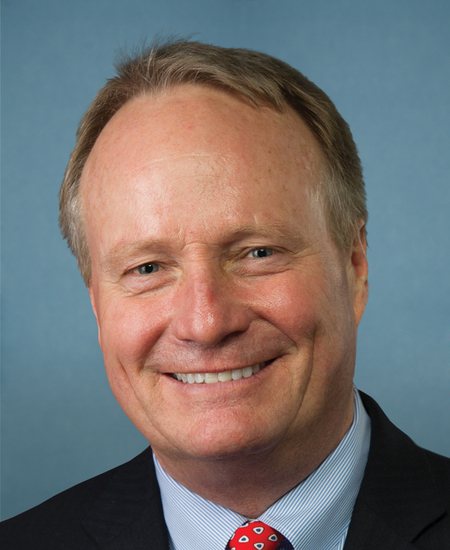
David P. Joyce
David P. Joyce House · District 14
R
Strong −
19% 147
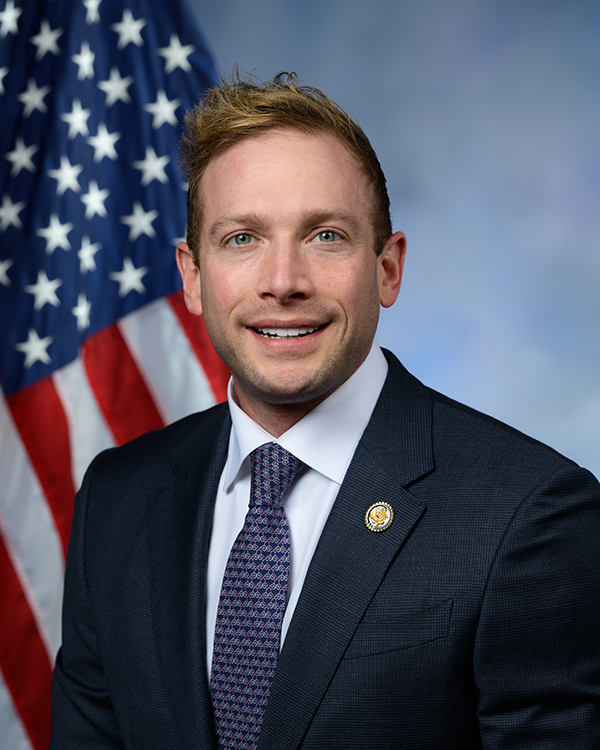
Max L. Miller
Max L. Miller House · District 7
R
Strong −
19% 145
Showing 1–10 of 118 bills

All immigration bills

passed · United States · House Sep 1, 2026

HRES 1490: Providing for the condemnation and denouncement of socialism in all its forms, and for other purposes.

This resolution states that the House of Representatives condemns and denounces socialism in all its forms, including the Democratic Socialists of America, and opposes the implementation of socialist policies in the United States; reaffirms its support for free, fair, and secure elections and calls for enactment of the SAVE America Act; reiterates that American elections are for American citizens only; and recommits itself to upholding the U.S. Constitution.
in committee · United States · House Sep 2, 2026

HR 10222: No HUD Funding for Sanctuary Cities Act

This bill would prohibit any state or local government designated as a "sanctuary jurisdiction" from receiving grant funds distributed by the Department of Housing and Urban Development (HUD). A jurisdiction is defined as a sanctuary if it has laws, policies, or practices that restrict officials from sharing information about an individual's immigration status or from complying with federal requests to detain or notify about the release of individuals. The funding restriction would apply to grants distributed 180 days after the bill's enactment. To determine which jurisdictions qualify for this ineligibility, the HUD Secretary is required to consult with the Secretary of Homeland Security.
in committee · United States · House Sep 3, 2026

HR 10297: El Salvador TPS Act of 2026

The El Salvador TPS Act of 2026 requires the Secretary of Homeland Security to grant Temporary Protected Status (TPS) to individuals from El Salvador. This designation would remain in effect until a date 18 months after September 9, 2026. The bill directly affects eligible residents of El Salvador by providing them with legal protection and work authorization during this specified period.
Sub-Topics Work Authorization
in committee · United States · House Aug 6, 2026

HR 10045: Protect American Values Act

The Protect American Values Act prohibits the use of federal funds to implement, administer, or enforce a specific Department of Homeland Security rule regarding the "Public Charge" ground of inadmissibility. This legislation directly affects immigrants and mixed-status families by preventing the government from using public benefits as a factor in determining eligibility for lawful permanent resident status. The bill includes a statement of congressional intent arguing that the targeted rule would restrict access to essential services like food, medical care, and housing, while also negatively impacting state and local economies. By cutting off funding for this specific policy, the act aims to maintain current immigration standards and prevent what Congress describes as an unauthorized reversal of long-standing law.
in committee · United States · Senate Jul 15, 2026

S 4983: Harry Reid Immigration Stabilization Act

This bill, the Harry Reid Immigration Stabilization Act, establishes a comprehensive framework to reduce overall immigration numbers, reform asylum procedures, increase penalties for criminal behavior, and enhance border security measures. It directly affects immigrants, refugees, asylum seekers, employers, and law enforcement agencies by setting strict caps on family and employment-based visas, requiring a 30-day filing deadline for asylum applications, and expanding the definition of aggravated felonies to include a wider range of crimes. Key mechanisms include mandating that employers verify work eligibility through a telephone verification system, creating a new border crossing fee, and requiring states to verify immigration status to receive certain federal benefits. Additionally, the legislation introduces stricter rules for criminal aliens facing expedited deportation, increases penalties for alien smuggling, and clarifies citizenship requirements for children born to non-citizen parents.
in committee · United States · House Aug 4, 2026

HR 10040: No TSA Data for ICE Act

This bill, titled the No TSA Data for ICE Act, prohibits the Transportation Security Administration from sharing passenger data with U.S. Customs and Border Protection or U.S. Immigration and Customs Enforcement. It specifically bars these agencies from using TSA information or data from private brokers to perform immigration enforcement functions. Additionally, the legislation prevents the denial, suspension, or early termination of Trusted Traveler programs like PreCheck and Global Entry if an individual's participation in First Amendment-protected activities is the reason. The law defines the restricted data as personally identifiable information about flight passengers obtained from the TSA or private sector entities.
in committee · United States · House Jul 23, 2026

HR 9944: TPS Review Act

The Temporary Protected Status Review Act restores the ability of courts to review decisions by the Department of Homeland Security to end Temporary Protected Status (TPS) designations for foreign nationals. Under this bill, the government must publish detailed written findings explaining why a country no longer qualifies for TPS protection, and these decisions would be subject to a legal challenge in federal court. If a TPS designation is terminated, the affected individuals would remain in the United States with their current status and work authorization intact while the legal challenge is pending. Additionally, the legislation requires the government to follow specific administrative procedures, such as considering all available evidence and avoiding bias, before making any termination decisions.
Sub-Topics Work Authorization
in committee · United States · Senate Jul 23, 2026

S 5097: End H–1B Visa Abuse Act of 2026

This bill, the End H-1B Visa Abuse Act of 2026, proposes to stop the issuance of H-1B work visas for three years and then restrict them to primary workers rather than their families. It would require employers to prove a shortage of qualified American workers and pay a minimum wage of $200,000 per year, while also banning the use of staffing agencies to hire these workers. The legislation further limits the total number of H-1B visas to 25,000 annually, removes the current lottery system in favor of prioritizing higher wages, and prohibits H-1B workers from holding jobs with more than one employer or working for third-party agencies. Additionally, the bill bars federal government agencies from hiring H-1B workers, eliminates optional training programs for foreign students, and generally prevents nonimmigrant visa holders from changing their status to permanent residents while in the United States.
in committee · United States · House Jul 16, 2026

HR 9742: English Language Proficiency Act

The English Language Proficiency Act removes specific exceptions that currently allow certain immigrants to bypass the naturalization requirement of understanding U.S. history, government, and English language skills. By amending the Immigration and Nationality Act, the bill eliminates these exemptions, meaning more applicants must now demonstrate proficiency in these areas to become citizens. This change directly impacts immigrants who previously qualified for waivers based on factors such as age, education, or length of residence in the United States. The legislation aims to standardize the naturalization process by ensuring a consistent set of requirements for all applicants seeking citizenship.
in committee · United States · House Jul 13, 2026

HR 9656: Illegal Alien Patient Reporting Act

This bill requires hospitals that receive federal health care funding to ask patients about their immigration status during admission and report the results to government agencies. Under the law, hospitals must include a specific statement on intake forms assuring patients that their answers will not affect their medical care or lead to a law enforcement report unless the patient is suspected of certain crimes. Hospitals must also submit quarterly reports detailing how many patients are citizens, lawful residents, or undocumented, along with the number of individuals who refused to answer or failed to provide proof of their legal status. The legislation prohibits hospitals from sharing personal identifying information with the government while allowing them to exclude non-compliant facilities from federal programs. Additionally, the bill mandates an annual report to Congress analyzing the costs of uncompensated care for undocumented patients and its impact on hospital services.
Showing 1 to 10 of 118 bills
1 2 3 12 Next