

Maddy summaryThe Jewish American Security Act aims to combat antisemitism by strengthening protections for Jewish students, securing Jewish communities, and increasing transparency regarding online hate speech. For educational institutions receiving federal funds, the bill mandates the creation of specific coordinators to handle discrimination complaints, requires annual training on handling antisemitism, and establishes a new federal clearinghouse to share best practices for campus safety. To support physical security, the legislation expands grant funding for nonprofit organizations and directs the Attorney General to provide resources for law enforcement agencies protecting houses of worship. Additionally, the act requires major online platforms with over 50 million monthly users to submit detailed reports to the Federal Trade Commission on how they detect, remove, and moderate antisemitic content.
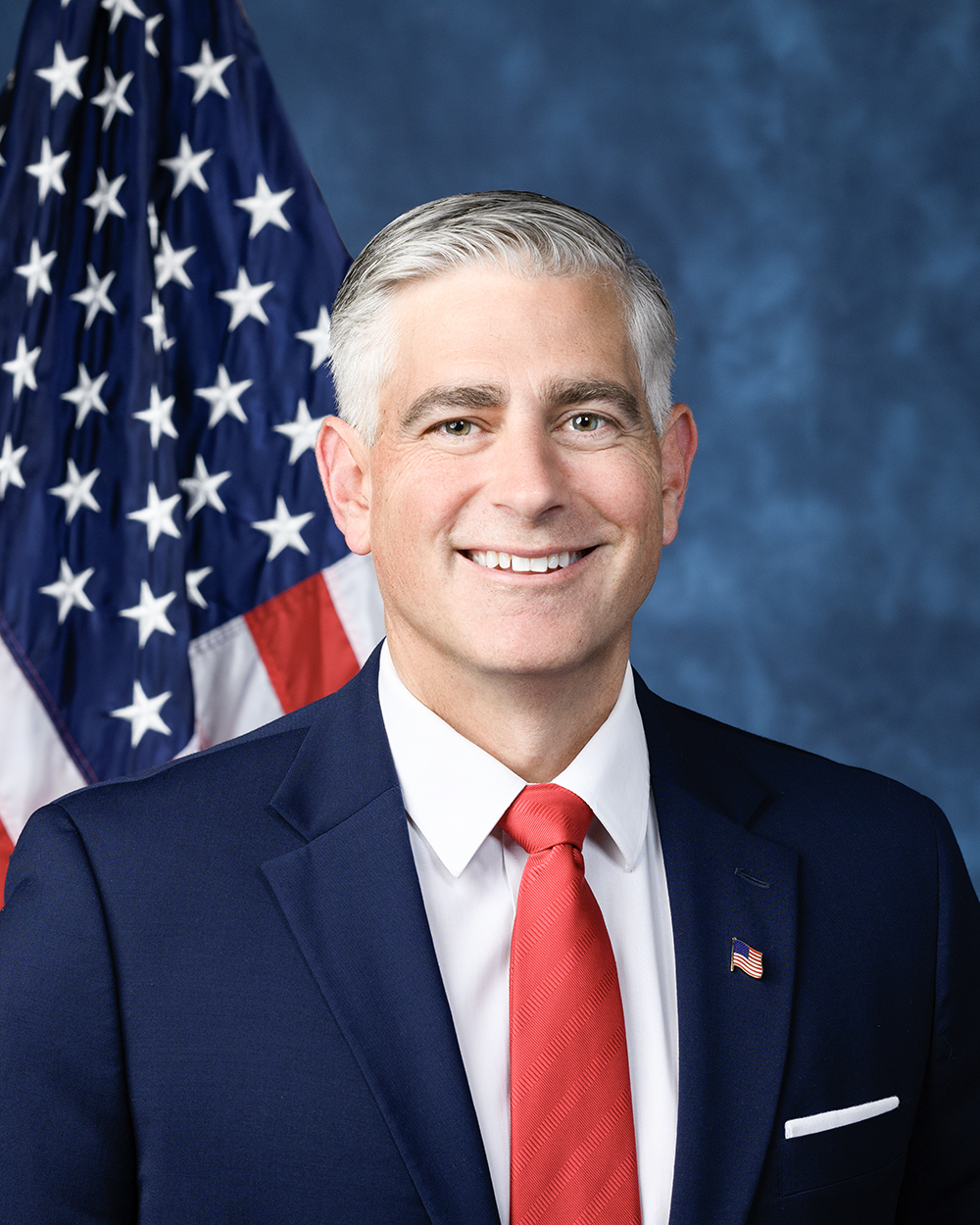
Rep. Michael Baumgartner
Sponsored bills
Maddy summaryHR 2332, the SHARE Act of 2025, standardizes how states share criminal history background check information for professional licensing across state lines. It requires the FBI to provide this information to state licensing authorities through agreements with law enforcement, specifically for verifying applicants seeking licenses or practice privileges in multiple states. The bill strictly prohibits states from sharing detailed criminal history records with other states or the public, allowing only a simple "satisfactory" or "unsatisfactory" result to be shared. This directly affects licensed professionals (like nurses or contractors) seeking to practice in multiple states and the state agencies that issue their licenses.
Maddy summaryThe Power and Water for Families Act of 2026 establishes federal rules to manage the energy and water needs of large data centers and advanced computing facilities, which are expected to grow rapidly to support artificial intelligence development. Under the bill, large facilities consuming 100 megawatts or more of electricity must pay the full incremental costs for any new power lines or generation upgrades required to serve them, and they must provide financial guarantees before such infrastructure is built. To encourage these facilities to contribute to the broader grid, the law offers a 30 percent tax credit for generating extra power capacity that is sold to other customers like residential utilities or small businesses. The legislation also promotes water conservation by providing a 30 percent tax credit for projects that install onsite water recycling systems or replace freshwater use with treated municipal wastewater. These financial incentives and regulatory standards are designed to ensure that the expansion of high-demand technology does not unfairly raise electricity costs for existing customers while maintaining grid reliability.
Maddy summaryThe Hydropower Licensing Affordability Act amends the Federal Power Act to modify how federal licenses for hydropower projects are issued. Specifically, it requires that license conditions include measures to reasonably mitigate direct adverse effects on federal reservations and fish populations within applicable river systems. These changes aim to ensure that new or existing hydropower projects address environmental impacts on protected lands and aquatic species before a license is granted. The bill directly affects hydropower project developers and federal agencies responsible for licensing and environmental oversight.
Repealing Big Brother Overreach Act This bill repeals the Corporate Transparency Act. The act requires existing companies and newly created companies to report beneficial ownership information to the Department of the Treasury’s Financial Crimes Enforcement Network for purposes of addressing the financing of terrorism and money laundering.
Maddy summaryHR 2675, the Protecting Our Courts from Foreign Manipulation Act of 2025, requires parties and their lawyers in federal civil cases to disclose any foreign funding tied to case outcomes. It mandates written disclosure of foreign funders' identities (including country of origin) and certification about funding sources, while banning foreign states or sovereign wealth funds from funding litigation. The law also requires annual reports to Congress detailing foreign-funded cases, including amounts and jurisdictions. This directly affects parties using foreign-funded litigation, courts handling such cases, and foreign entities seeking to influence U.S. courts through financial support.
Maddy summaryThis bill creates a three-year pilot program to test a reserve force of retired Foreign Service members who can be called upon to help the State Department during emergencies like evacuations or natural disasters. The program requires the Secretary of State to recruit at least 250 participants, who will undergo specific training and be activated only when needed for diplomatic crises or surge operations. Throughout the pilot period, the State Department must evaluate the group's effectiveness and submit reports to Congress on whether to expand the reserve to include other federal retirees or private experts. If the program proves successful, the bill provides a framework for establishing a permanent Diplomatic Reserve Corps, but it will end after three years unless Congress chooses to renew it.
Maddy summaryThe Protect College Sports Act of 2026 establishes a new framework for college athletics that grants student athletes the right to earn money from their name, image, and likeness without fear of losing scholarships or eligibility, while requiring institutions to disclose these deals in a public database. The bill strengthens protections for athletes by mandating better medical coverage, prohibiting coaches from influencing medical return-to-play decisions, and creating an independent ombudsman office to assist student athletes with grievances. It also introduces stricter rules on agent registration, limits on mid-season coaching transitions, and protections for athletes transferring schools or facing sexual misconduct. On the broadcasting side, the legislation creates a new entity to collectively sell media rights for college sports, ensuring that revenue is distributed fairly and that local fans can access games without paying extra fees. The law further restricts large conference mergers to preserve competition and requires that non-revenue sports like women's and Olympic programs maintain their current roster sizes and scholarship opportunities. Finally, the act sets up a congressional commission to study the future of college athletics and make recommendations on structural changes, including potential adjustments to revenue sharing caps.
Maddy summaryThe Smithsonian American Women’s History Museum Act authorizes the creation of a new Smithsonian museum dedicated to women’s history, to be located within the National Mall Reserve in Washington, D.C. If the site is managed by another federal agency, the bill requires that agency to transfer the land after notifying Congress and relevant committees. The museum must ensure exhibits and programs accurately represent diverse women’s experiences by consulting a broad range of experts and community voices. The Smithsonian will submit biennial reports to Congress detailing how the museum meets these representation standards.
Maddy summaryThis bill allows the United States to use Foreign Military Financing funds to pay for defense equipment and services sold directly by private companies to foreign countries. Currently, these funds are typically reserved for government-to-government sales, but this legislation expands eligibility to include direct commercial contracts. The Secretary of State must approve each arrangement in consultation with the Secretary of Defense to ensure it aligns with national security interests. Additionally, the bill requires new regulations within 180 days to oversee audits, reporting, and compliance for these commercial transactions. This expansion operates alongside the existing Foreign Military Sales program without replacing it.