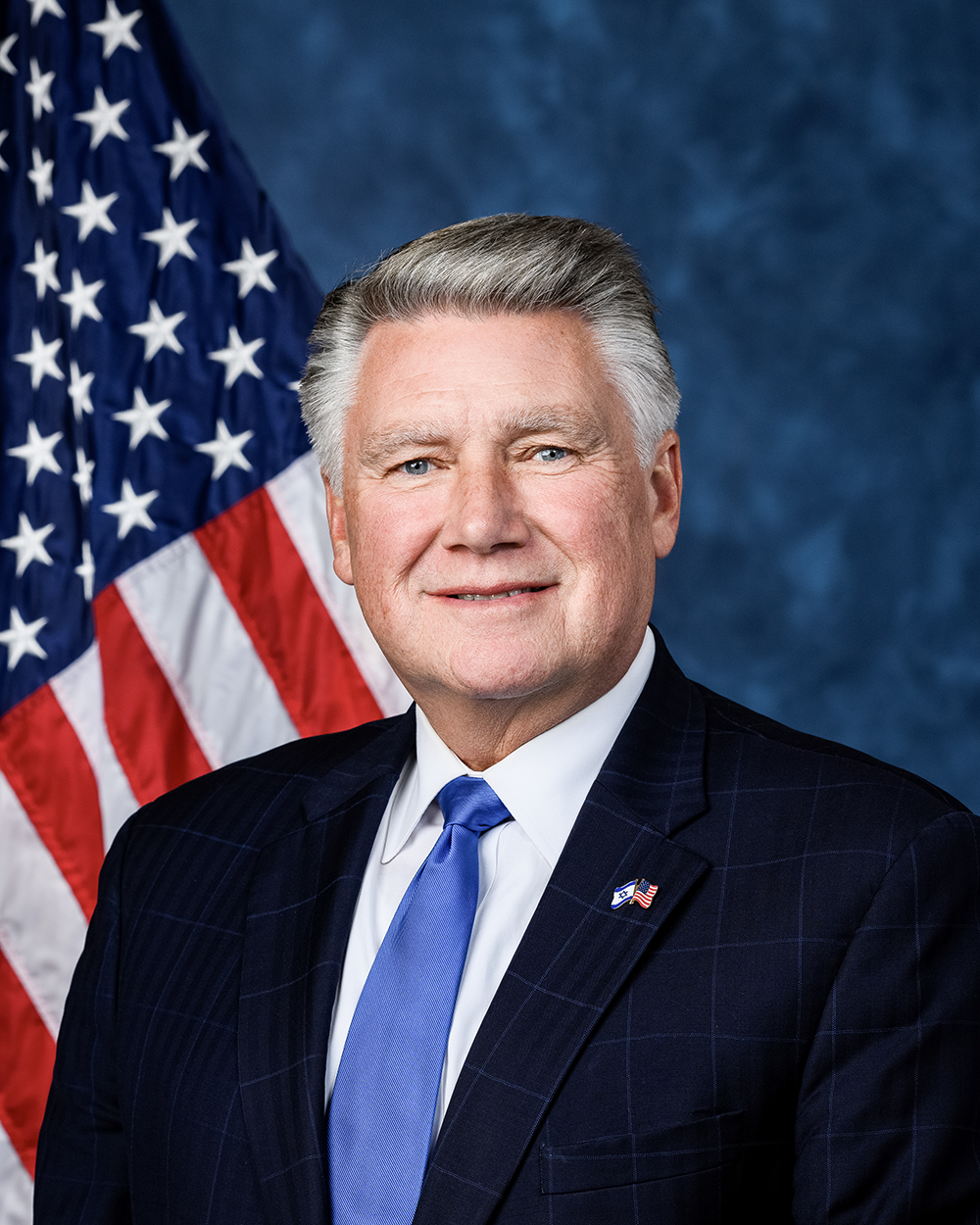
This House resolution marks the 25th anniversary of the September 11, 2001 terrorist attacks by formally honoring the memory of the nearly 3,000 victims and recognizing the sacrifices made by first responders, military personnel, and the passengers of United Airlines Flight 93. The bill acknowledges the ongoing health challenges faced by survivors and responders, highlighting the role of the World Trade Center Health Program in providing long-term medical support. It also credits charitable organizations and community groups that have continued to assist victims' families and veterans over the past two decades. Finally, the resolution urges the American public to observe the anniversary with ceremonies and reaffirms Congress's commitment to remembering the events and lessons of that day.
This bill authorizes the Secretary of the Army to transfer approximately 20 acres of land at Fort Bragg in North Carolina to the state government without charge. The property is intended for the construction of a veterans' home under the jurisdiction of the North Carolina Department of Military and Veterans Affairs. The state is required to pay all costs associated with the transfer, including environmental reviews and administrative fees, with any excess prepayments refunded by the federal government. If the land is no longer used for the designated veterans' facility, ownership may revert to the United States at the Secretary's discretion.
This House resolution commemorates the fifth anniversary of the U.S. military withdrawal from Afghanistan and honors veterans who served during the Gulf War era. It recognizes the approximately 8.4 million living veterans from this period, which includes service in operations such as Desert Shield, Desert Storm, Enduring Freedom, Iraqi Freedom, and Inherent Resolve. The bill also acknowledges the sacrifices of armed forces members and allies, including those killed during the Afghanistan evacuation.
The ARCH Act requires the Secretary of Defense to establish a records preservation program for specific Afghan individuals who served with U.S. forces between 2001 and 2021. This program allows eligible applicants, including former military personnel, intelligence operators, and justice sector officials, to submit applications through a secure online portal to have their service records and biometric data preserved by the Department of Defense. The bill mandates that these records be kept for potential future use by the applicant or their designee, while prohibiting fees for the application process. Applicants who are denied classification based on eligibility or derogatory information are granted the right to file one written appeal and may request to reopen their case to provide additional clarifying information.
The Virtual-Based Opioid Treatment for Veterans Act directs the Department of Veterans Affairs to launch a two-year pilot program aimed at expanding access to virtual opioid treatment for enrolled veterans who face barriers to in-person care. This initiative requires the VA to conduct outreach, build referral networks, and coordinate with other federal agencies to connect veterans with telehealth programs that combine medication and counseling in a single visit. The bill also mandates a study on treatment barriers and requires annual reports to Congress on the program's progress until the opioid crisis is no longer considered a public health emergency.
The Responsible Artificial Intelligence for Veterans Act of 2026 requires the Department of Veterans Affairs to hire an independent research center to evaluate artificial intelligence tools currently used or being developed for patient care within the Veterans Health Administration. This evaluation will focus on five specific high-risk systems to assess their safety, accuracy, fairness, and how well they integrate with existing medical workflows. The law mandates that the findings be reported to Congress within a year, followed by a detailed plan from the VA to address any identified risks or gaps in oversight. Additionally, a government auditor will review both the evaluation and the VA's response plan to ensure accountability, all without requesting new funding for the initiative.
This bill establishes federal protections and funding to expand access to in vitro fertilization and intrauterine insemination for individuals, military service members, and veterans. It requires most private health plans, Medicaid programs, and Medicare to cover these fertility treatments without imposing higher cost-sharing than other medical services. Additionally, the legislation mandates that the Department of Defense and the Department of Veterans Affairs provide specific fertility preservation and treatment benefits to uniformed service members and eligible veterans. The bill also includes preemption clauses that override state laws restricting these procedures and prohibits discrimination based on marital status, sex, or sexual orientation in the provision of care.
The Tuskegee Airmen Memorial Act of 2026 authorizes the organization Tuskegee Airmen, Inc. to build a commemorative monument on federal land in Washington, D.C., honoring the original Tuskegee Airmen who served in World War II. This legislation allows the group to accept private donations and cover all costs for the project without using federal funds, while requiring any leftover money to be deposited into specific government accounts. The bill also mandates that the memorial be constructed in compliance with existing federal standards for commemorative works.
This resolution honors the memory of Corey Comperatore, a veteran and volunteer firefighter from Sarver, Pennsylvania, who passed away on July 13, 2024. It formally acknowledges his service to his community and country while mourning his loss as a husband, father, and hero. The House of Representatives is asked to express its condolences and celebrate his life through this commemorative measure.
This resolution provides for the consideration of the bill (H.R. 139) to make daylight savings time permanent, and for other purposes; providing for consideration of the bill (H.R. 8595) making appropriations for national security, Department of State, and related programs for the fiscal year ending September 30, 2027, and for other purposes; providing for consideration of the bill (H.R. 9237) to amend titles 10 and 38, United States Code, and other Federal laws, to improve benefits for veterans and the administration of the Department of Veterans Affairs; providing for consideration of the bill (H.R. 1181) to prohibit payment card networks and covered entities from requiring the use of or assigning merchant category codes that distinguish a firearms retailer from general-merchandise retailer or sporting-goods retailer, and for other purposes; and for other purposes.