Issue · Transportation

Transportation

Every transportation bill, vote, and legislator stance in North Carolina, automatically classified by Maddy, our AI policy reader.

Total bills
96
119th Congress
Top supporter
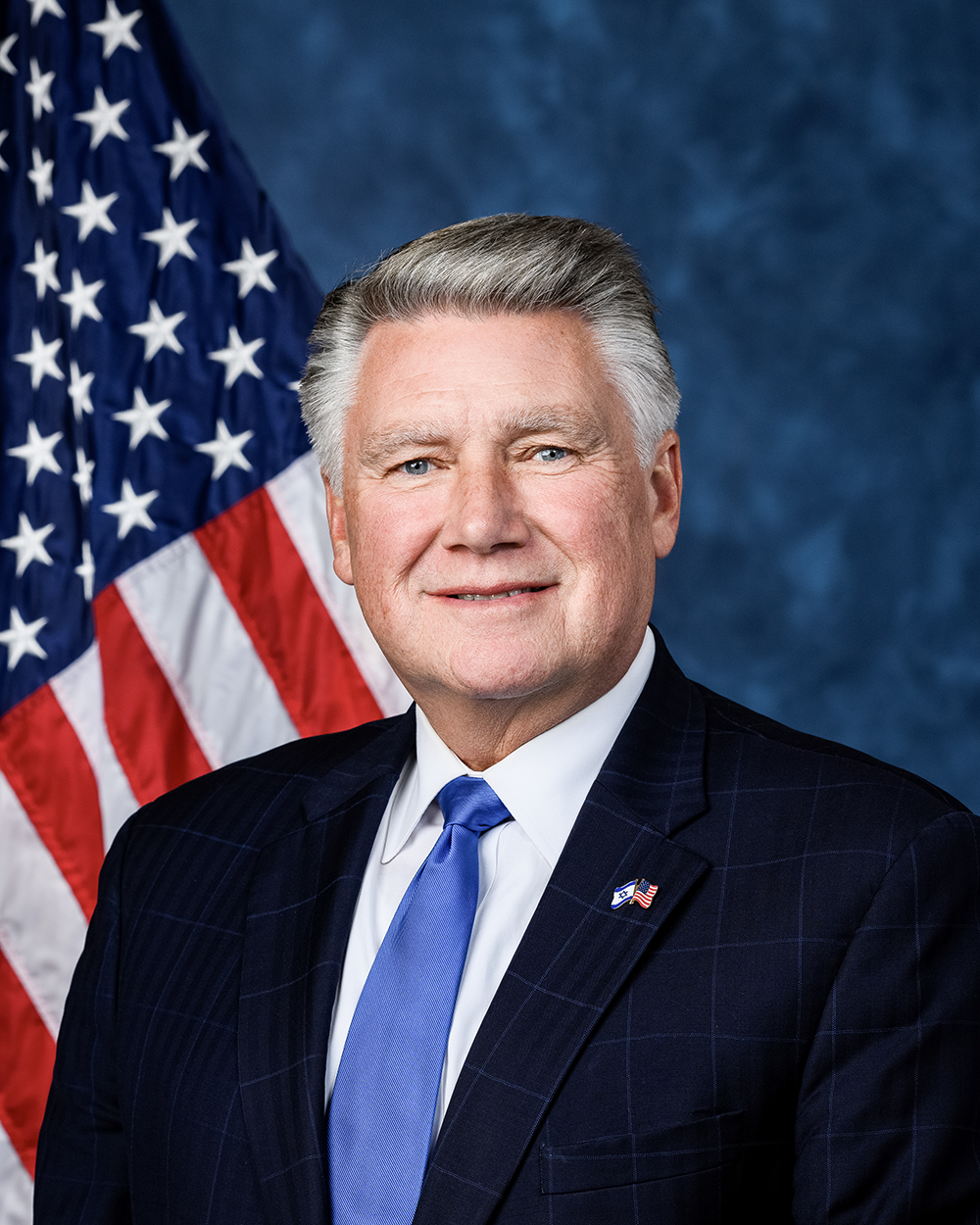
Chuck Edwards
60% support rate
Top opponent
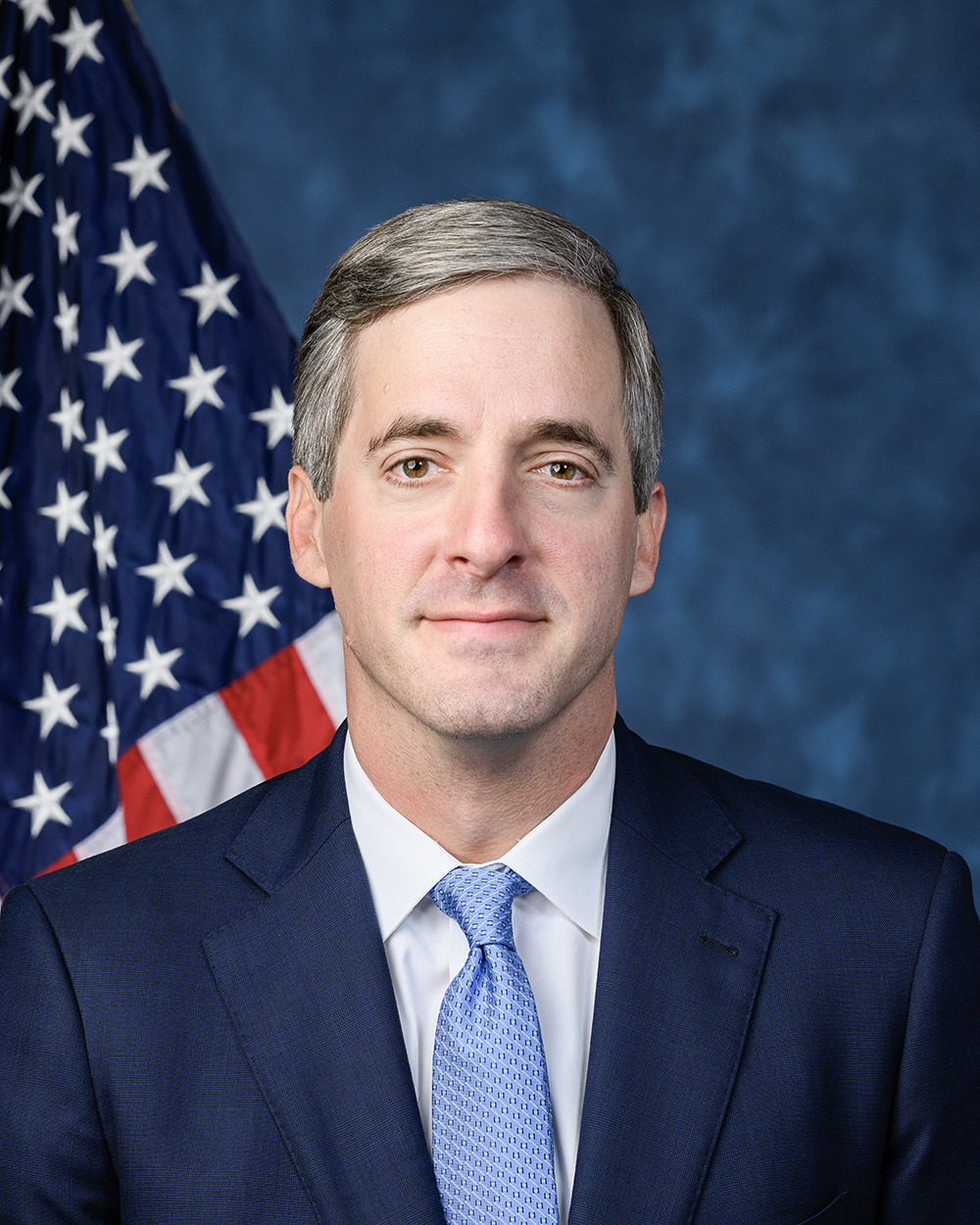
Ted Budd
25% support rate
Ranked legislators
10
5 support · 5 oppose
Key legislators

Who's moving transportation in North Carolina

Legislators moving transportation in North Carolina
Legislator Party Stance Support rate Votes
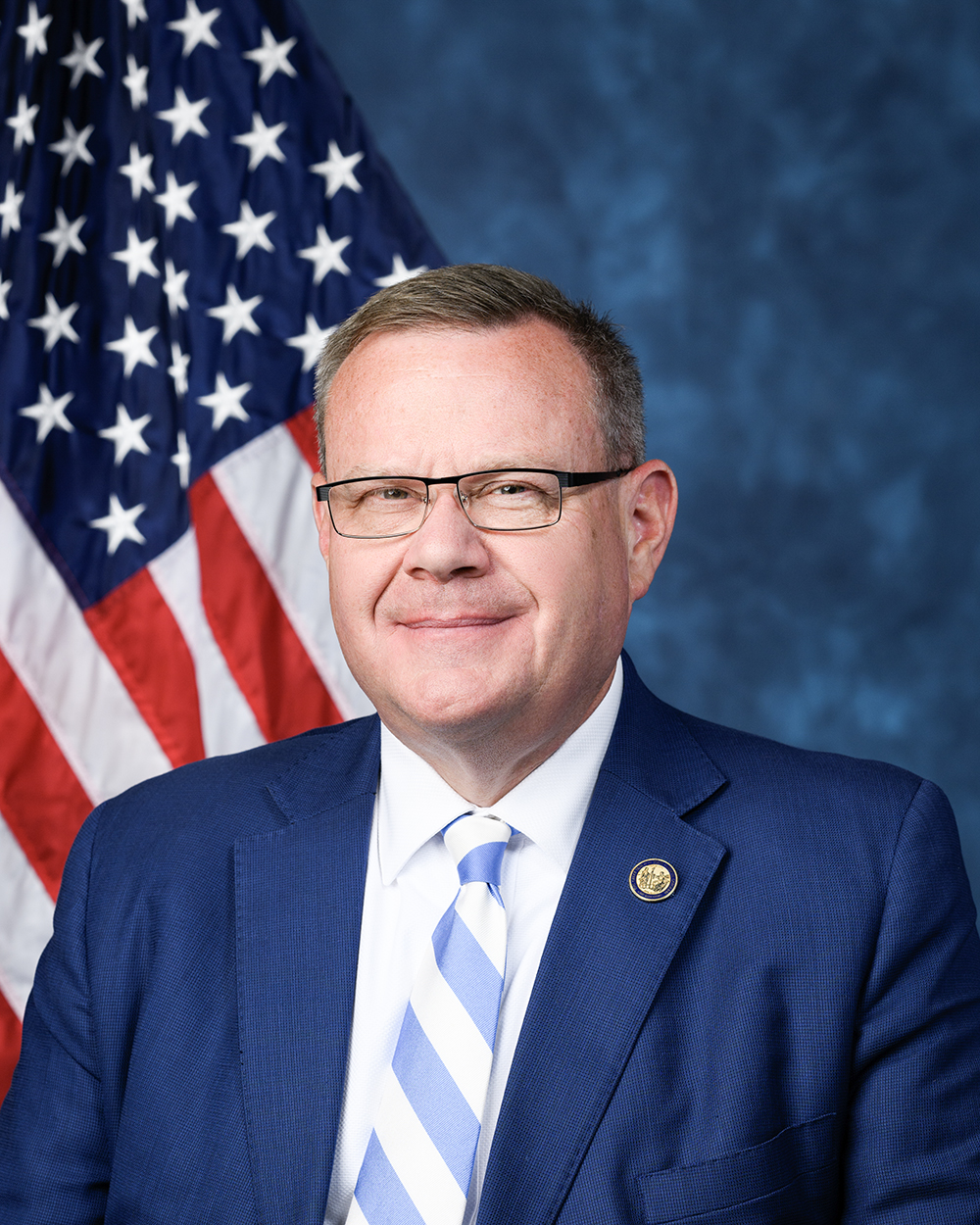
Chuck Edwards
Chuck Edwards House · District 11
R
Support
60% 121
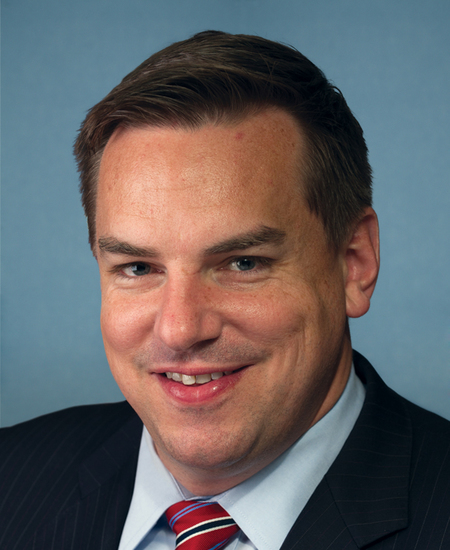
Richard Hudson
Richard Hudson House · District 9
R
Support
60% 123
Addison P. McDowell
Addison P. McDowell House · District 6
R
Support
60% 122
Tim Moore
Tim Moore House · District 14
R
Support
60% 122
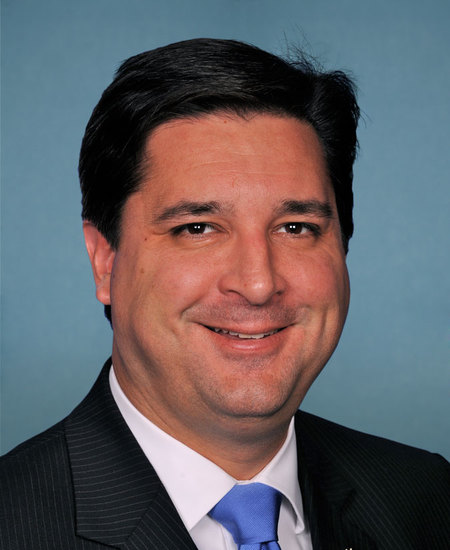
David Rouzer
David Rouzer House · District 7
R
Mixed
57% 122
Ted Budd
Ted Budd Senate
R
Oppose
25% 138
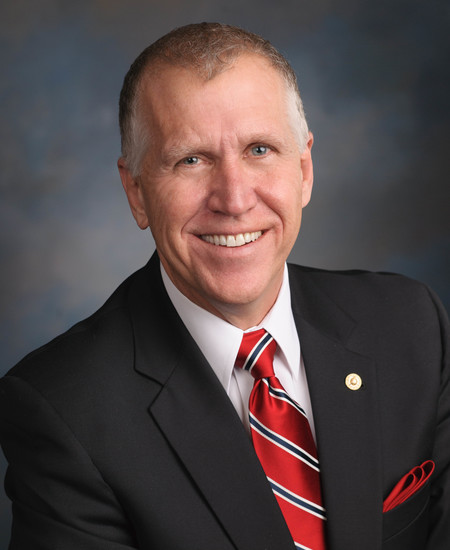
Thom Tillis
Thom Tillis Senate
R
Oppose
36% 143
Mark Harris
Mark Harris House · District 8
R
Mixed −
47% 123
Pat Harrigan
Pat Harrigan House · District 10
R
Mixed −
47% 123
Brad Knott
Brad Knott House · District 13
R
Mixed −
47% 122
Showing 1–10 of 96 bills

All transportation bills

passed · United States · House Sep 1, 2026

HRES 1499: Providing for consideration of the bill (H.R. 1501) to amend the FAST Act to include certain mineral production activities as a covered project, and for other purposes; providing for consideration of the bill (H.R. 9436) to amend the Consolidated Appropriations Act, 2023 to extend the time period for which certain regulations concerning the North Atlantic right whale are effective; providing for consideration of the resolution (H. Res. 1490) providing for the condemnation and denouncement of socialism in all its forms, and for other purposes; providing for consideration of the bill (H.R. 4795) to amend the Higher Education Act of 1965 to prohibit an institution that participates in a nonexpressive commercial boycott of Israel from being eligible for certain funds under that Act, to require an institution that participates in certain programs under that Act to certify that students are not unreasonably obstructed from participating in academic programs in Israel, and for other purposes; and relating to consideration of motions to suspend the rules.

H.Res. 1499 is a procedural resolution that establishes specific rules for the House of Representatives to consider four separate legislative measures and a constitutional amendment proposal. It allows for the consideration of H.R. 1501, which would amend the FAST Act to classify certain mineral production activities as covered infrastructure projects, and H.R. 9436, which extends the effective period of regulations concerning North Atlantic right whales. The resolution also provides the framework for debating H.Res. 1490, a measure condemning socialism, and H.R. 4795, which would restrict federal funding for higher education institutions that participate in commercial boycotts of Israel or obstruct student participation in academic programs there. Additionally, it extends debate time to one hour for a joint resolution proposing a constitutional amendment to fix the size of the Supreme Court at nine justices.
in committee · United States · House Aug 6, 2026

HR 10050: Uniform Vehicle Safety Standards Act of 2026

This bill, titled the Uniform Vehicle Safety Standards Act of 2026, aims to standardize how motor vehicle safety rules are applied across the United States. It directly affects vehicle manufacturers and legal proceedings by modifying federal law to explicitly exempt companies from liability when they meet existing safety standards set by the National Highway Traffic Safety Administration. The key provision prevents courts from using common law lawsuits to require vehicles to exceed these established federal safety requirements, thereby reducing legal uncertainty for interstate commerce. By clarifying that compliance with federal standards is sufficient, the legislation seeks to prevent additional lawsuits that could disrupt the national vehicle market.
in committee · United States · House Jul 22, 2026

HR 9852: Slow Down Act

The Slow Down Act directs the federal government to fund programs that require the installation of active intelligent speed assistance technology in vehicles driven by individuals with repeated or severe speeding violations. This technology automatically limits a vehicle's speed to prevent it from exceeding the legal limit. The bill aims to improve highway safety by targeting drivers who have a history of ignoring speed limits and mandating that their cars enforce compliance electronically.
in committee · United States · House Jul 22, 2026

HR 9880: GPS Modernization Acceleration Act

The GPS Modernization Acceleration Act directs the President to speed up the transition to a more secure and resilient Global Positioning System by updating aging satellites and ground control systems. This legislation requires the creation of a clear timeline to deploy 24 new GPS IIIF satellites and prioritizes the L5 signal to improve accuracy and reduce vulnerability to interference, jamming, or spoofing. It mandates coordination between the Department of Defense, the Department of Transportation, and other federal agencies to upgrade military equipment and protect critical civilian infrastructure. Additionally, the bill requires the Secretary of Defense to submit annual reports to Congress detailing progress, funding needs, and strategies for countering GPS threats over a three-year period.
in committee · United States · House Jul 23, 2026

HR 9898: Transportation for Reentry Act

The Transportation for Reentry Act requires transit agencies receiving federal funding to offer free public transportation to individuals released from prison after serving at least one year. Under this bill, these agencies must provide the service for one year starting from the person's release date and cover costs related to program setup, staff training, and outreach. To receive federal grants, transit recipients must establish enrollment systems, track usage data, and ensure compliance with the program's duration requirements. The legislation authorizes $40 million annually from 2027 to 2031 to support these efforts and mandates a final report on the program's impact five years after enactment.
in committee · United States · Senate Jun 11, 2026

S 4750: Semiconductor Superiority Act

The Semiconductor Superiority Act expands tax incentives for building semiconductor manufacturing facilities in outer space, including low-Earth orbit. It modifies existing federal tax credits to allow equipment used for transporting crew or supplies, as well as property located in space, to count toward these financial benefits. The bill also clarifies that functions like flight control and crew habitation are considered part of the manufacturing process for these orbital facilities. This legislation applies only to new facilities and equipment placed in service after the law is enacted.
in committee · United States · House Jun 29, 2026

HRES 1395: Support for the designation of the week of June 29 through July 4, 2026, as "National Tire Safety Week" in the United States, and supporting the goals and ideals of National Tire Safety Week to educate American motorists about the importance of proper tire care and maintenance.

This resolution designates the week of June 29 through July 4, 2026, as National Tire Safety Week to raise awareness among American motorists about vehicle tire maintenance. The measure encourages drivers to inspect their tires for damage, check pressure monthly, and follow manufacturer recommendations for rotation and alignment to prevent accidents and improve safety. By promoting these specific maintenance habits, the bill aims to reduce tire-related injuries and fatalities on the road without imposing new legal requirements or funding changes.
Sub-Topics Roads & Highways
in committee · United States · House Jun 15, 2026

HR 9320: All in For Attendance Act

The All in For Attendance Act aims to reduce chronic student absenteeism by requiring schools to implement specific support strategies for students missing 10 percent or more of school days. It mandates the creation of data systems to track attendance reasons, establishes advisory programs to engage families, and requires schools to partner with community organizations to remove barriers like transportation or health issues. The legislation also prohibits schools from using suspensions, fines, or academic penalties as punishment for student absences. Additionally, it directs funds toward evidence-based interventions such as social and emotional learning programs, restorative justice, and high-impact tutoring to improve student engagement and attendance.
in committee · United States · House Jun 24, 2026

HR 9250: Great American Outdoors Act 250

This bill redesignates the existing National Parks and Public Land Legacy Restoration Fund as the America's Legacy Restoration Fund to address deferred maintenance on federal lands. It directs revenue from recreation fees and a portion of energy development income into the fund, which must be used primarily for repairing critical infrastructure like roads, trails, and buildings managed by agencies such as the National Park Service and the Forest Service. The legislation establishes strict rules requiring that most funds go toward non-transportation projects, mandates transparency through public dashboards tracking project status, and sets aside a small percentage for matching private donations. Additionally, the bill increases entrance fees for foreign visitors to ensure they contribute to the fund, while prohibiting the use of these specific funds for land acquisition or employee bonuses.
in committee · United States · House Jun 8, 2026

HR 9182: Southeastern Rail Technologies Mapping Act of 2026

The Southeastern Rail Technologies Mapping Act of 2026 directs the Federal Railroad Administration to study how to improve rail performance and integrate new power technologies in the southeastern United States. This study will examine rail segments between Florida and Washington, DC to identify areas suitable for electrification or battery and fuel cell systems while noting any implementation challenges. If certain segments are found unsuitable for these technologies, the report must explain the reasoning and suggest specific infrastructure updates with estimated costs to make them viable. The Administrator is required to submit the findings of this study to Congress within 18 months of the bill's enactment.
Showing 1 to 10 of 96 bills
1 2 3 10 Next