Issue · Technology

Technology

Every technology bill, vote, and legislator stance in North Carolina, automatically classified by Maddy, our AI policy reader.

Total bills
43
119th Congress
Top supporter
Alma S. Adams
77% support rate
Top opponent
Pat Harrigan
23% support rate
Ranked legislators
9
4 support · 5 oppose
Key legislators

Who's moving technology in North Carolina

Legislators moving technology in North Carolina
Legislator Party Stance Support rate Votes
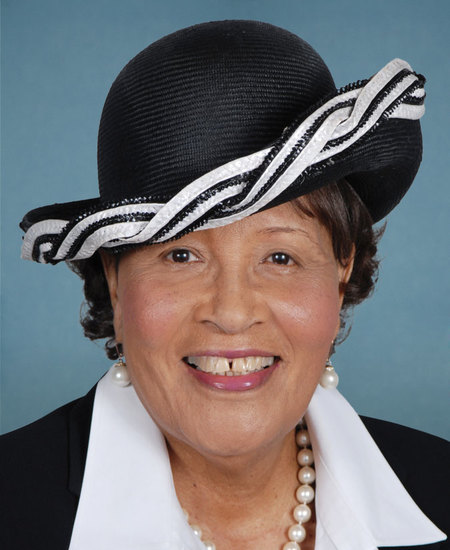
Alma S. Adams
Alma S. Adams House · District 12
D
Support
77% 262
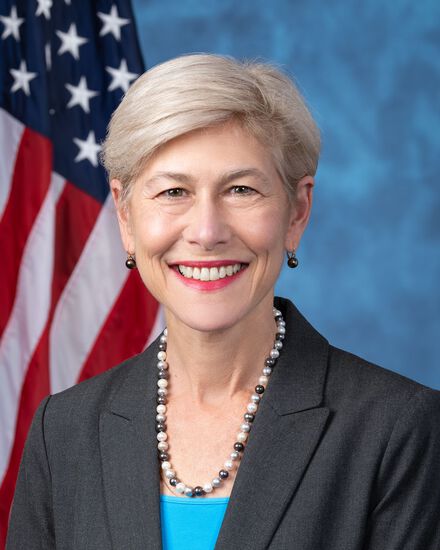
Deborah K. Ross
Deborah K. Ross House · District 2
D
Support
77% 262
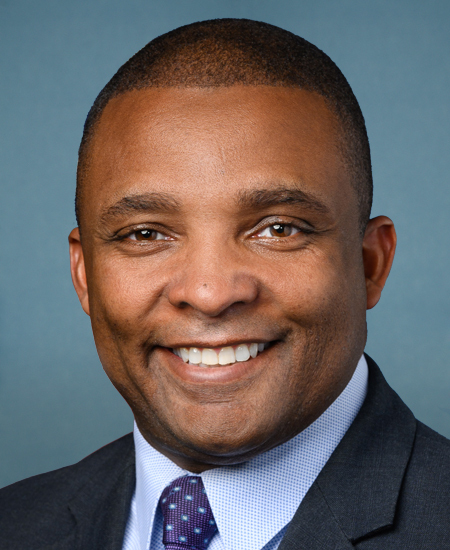
Donald G. Davis
Donald G. Davis House · District 1
D
Support
76% 255
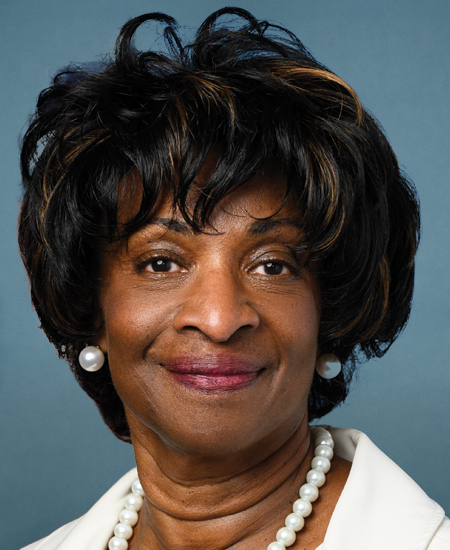
Valerie P. Foushee
Valerie P. Foushee House · District 4
D
Support
73% 255
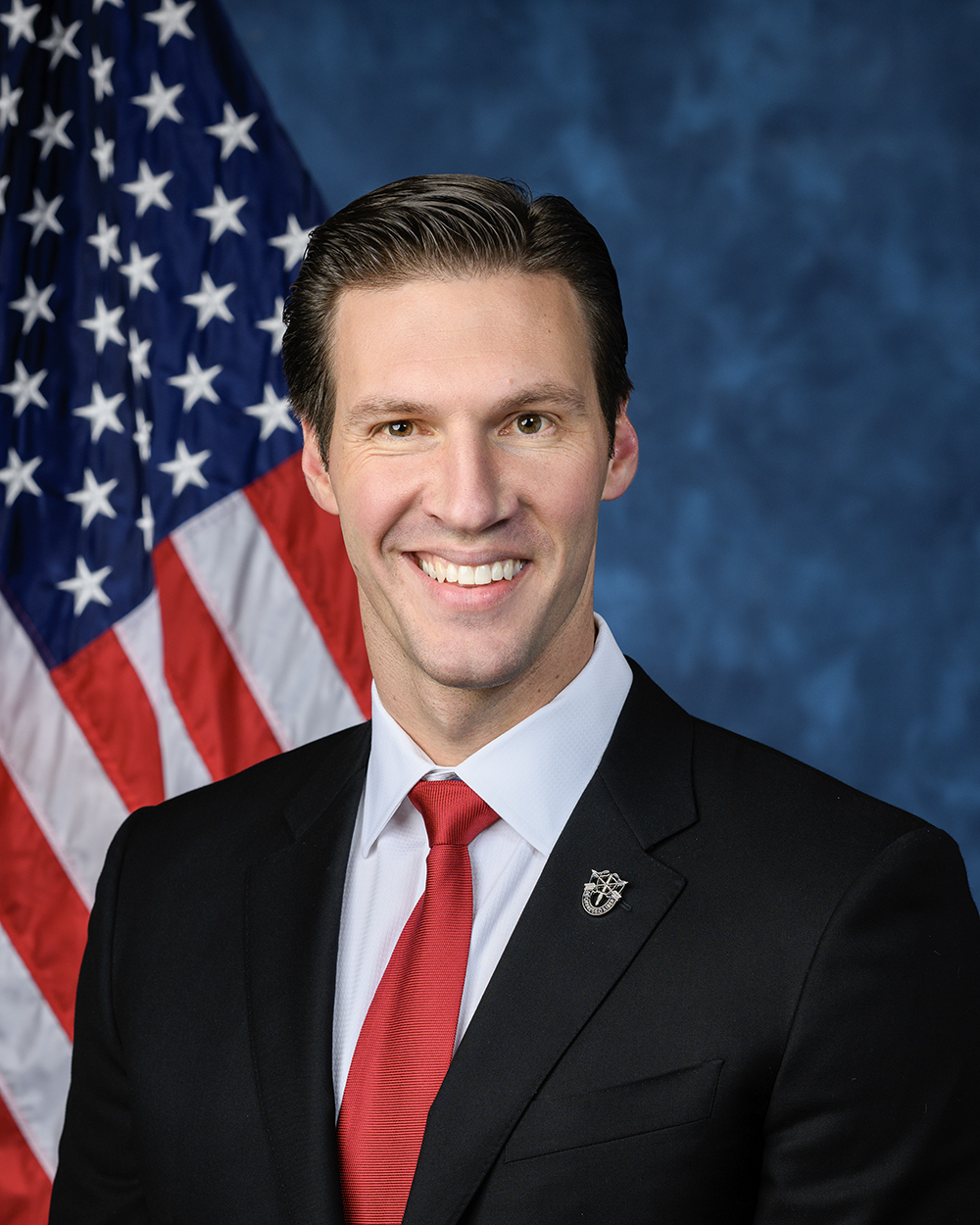
Pat Harrigan
Pat Harrigan House · District 10
R
Oppose
23% 259
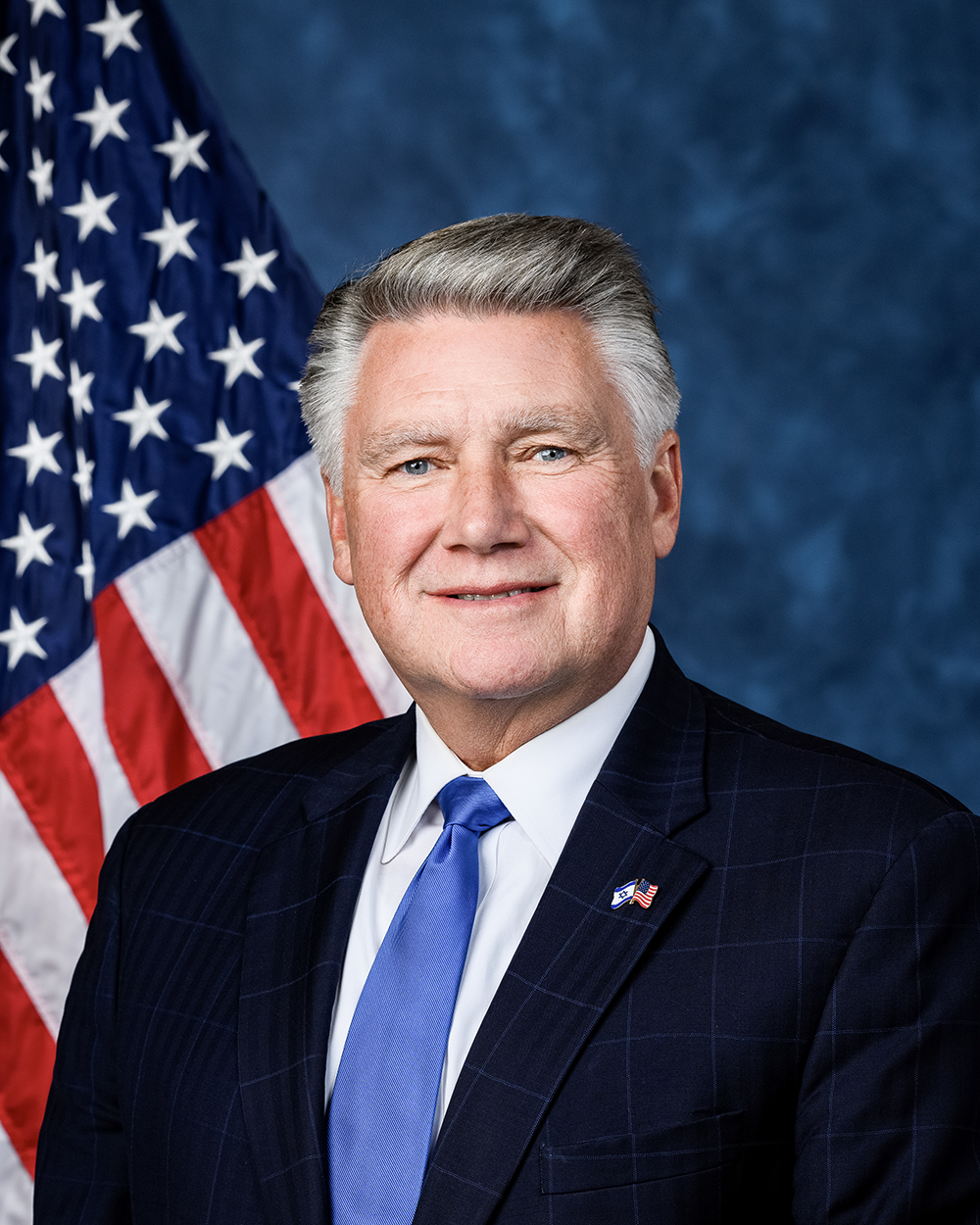
Mark Harris
Mark Harris House · District 8
R
Oppose
27% 263
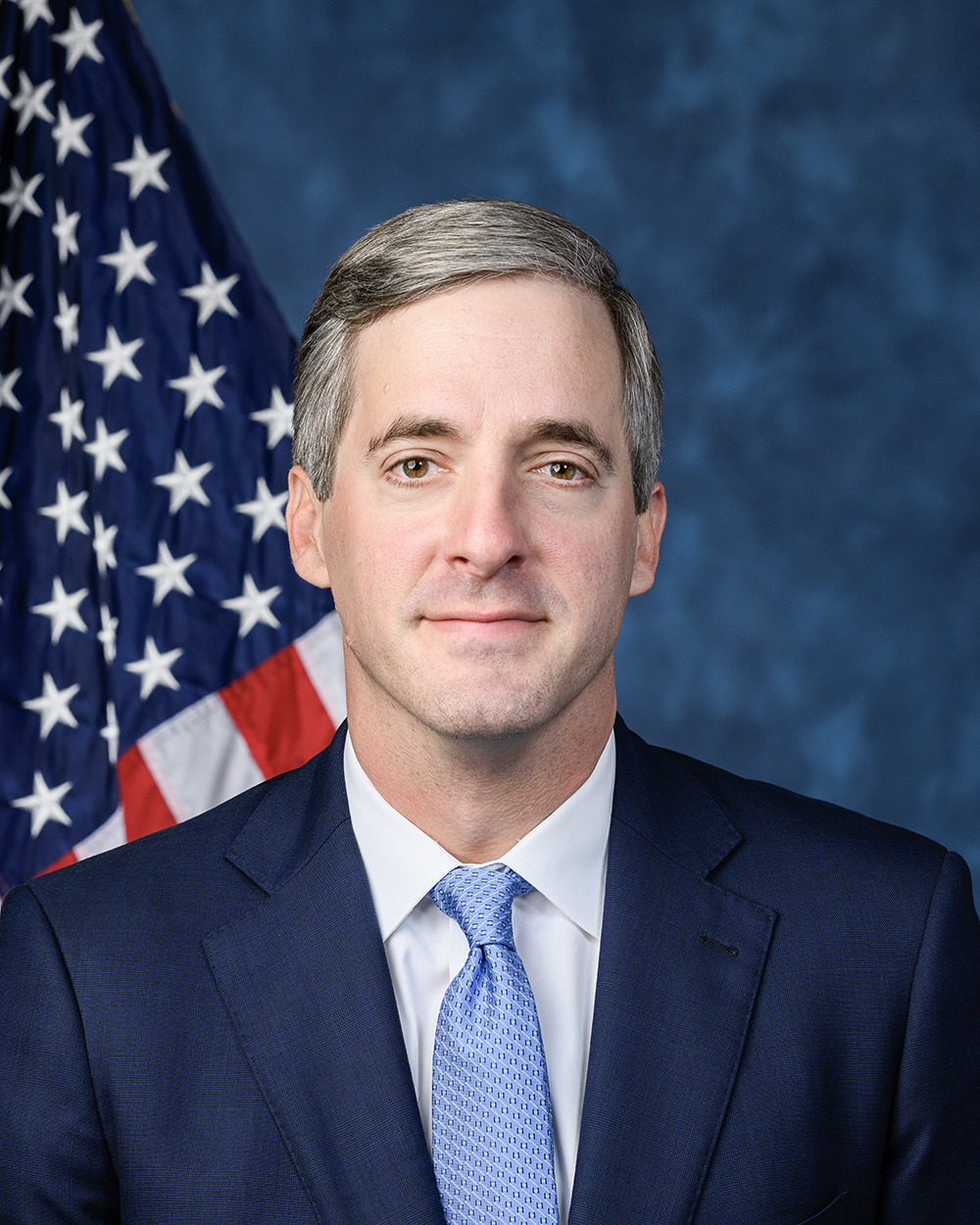
Brad Knott
Brad Knott House · District 13
R
Oppose
29% 261
Ted Budd
Ted Budd Senate
R
Oppose
31% 218
Gregory F. Murphy
Gregory F. Murphy House · District 3
R
Oppose
32% 223
Showing 1–10 of 43 bills

All technology bills

in committee · United States · House Sep 8, 2026

HR 10310: Robo COP Act

The Robo COP Act directs the Federal Trade Commission to update its telemarketing rules within 180 days to ban automated political phone calls to individuals who have registered on the national do-not-call list. This legislation specifically targets outbound calls that play a recorded message rather than connecting to a live person, provided the call is intended to promote or oppose a candidate or issue, or if it mentions a political candidate's name. The law directly affects political campaigns and organizations that use robocalls for fundraising or advocacy by restricting their ability to contact opted-out voters.
in committee · United States · House Aug 13, 2026

HR 10092: GATE Act of 2026

The GATE Act of 2026 prohibits U.S. national laboratories from admitting or granting access to foreign nationals from China, Russia, Iran, North Korea, and Cuba who are not permanent residents or U.S. citizens. This ban applies to individuals seeking to visit the facilities or work there for more than 30 consecutive days. The Secretary of Energy may issue a written waiver to allow specific exceptions if they determine that the benefits to the United States outweigh national security and economic risks, a decision made in consultation with intelligence officials. Any such waivers must be reported to relevant congressional committees within 30 days, including details on the individual's country of origin and the specific reasons for the exception.
in committee · United States · House Sep 2, 2026

HR 10221: Flock-Off Act

The Flock-Off Act prohibits federal agencies, state and local governments, and other recipients of federal funds from using federal money to purchase, operate, or maintain automated camera systems that capture biometric data or license plate information. The bill requires these entities to remove any existing covered camera systems within 180 days of enactment, with violations resulting in the withholding of further federal funding until reimbursed. Specific exceptions allow for the continued use of such systems within one mile of the U.S. borders for security purposes and on toll roads strictly for toll collection and enforcement.
in committee · United States · House Aug 27, 2026

HR 10166: Foreign Propaganda Disclosure Act

The Foreign Propaganda Disclosure Act amends the Foreign Agents Registration Act to explicitly include social media influencers in its regulatory scope. The bill defines a social media influencer as any individual who maintains a monetized account on a social media platform, using an existing definition from the Trafficking Victims Prevention and Protection Reauthorization Act of 2022. By making this addition, the legislation requires these specific digital content creators to comply with the same registration and disclosure obligations currently applied to other foreign agents.
Sub-Topics Social Media
in committee · United States · House Aug 6, 2026

HR 10044: AI Tax and Work Protection Act

The AI Tax and Work Protection Act imposes a new excise tax on companies that develop or sell artificial intelligence foundation models, with rates that increase based on the national unemployment level. The revenue generated from this tax is placed into a dedicated trust fund to finance a new federal jobs program administered by a newly created Office of Job Creation within the Department of Labor. This program awards grants to state, local, and tribal governments to hire permanent, full-time workers for specific public service roles, such as in education, healthcare, infrastructure, and community safety. To ensure the jobs created do not replace existing workers, the bill includes strict nondisplacement rules and mandates that grant recipients provide employees with strong labor protections, including collective bargaining rights, competitive wages, and paid leave. Additionally, the legislation directs the Bureau of Labor Statistics to study the impact of AI on the workforce and establishes an advisory committee to guide the implementation of the job creation initiatives.
in committee · United States · House Aug 3, 2026

HR 10017: Permanent CBDC Ban Act

This bill, titled the Permanent CBDC Ban Act, aims to permanently prohibit the Federal Reserve from issuing a central bank digital currency. It achieves this by amending the Federal Reserve Act to remove the specific legal authority that allows the Reserve to create such a digital currency. The legislation directly affects the Federal Reserve by stripping away its power to launch a digital version of the dollar. By deleting the relevant subsection of the law, the bill ensures that the Reserve cannot issue a CBDC in the future.
in committee · United States · House Jul 23, 2026

HR 9915: Stealth Bot Prohibition Act

The Stealth Bot Prohibition Act makes it illegal to use automated software, known as stealth bots, to access websites without revealing their identity or purpose. Specifically, the law bans deploying these bots in ways that harm online services and prohibits disguising them as human users when interacting with generative artificial intelligence systems. Violations can result in civil penalties of up to $53,000 per incident, which are enforced by the Federal Trade Commission and state attorneys general. The bill defines a stealth bot as any program that scrapes or scans the internet without disclosing its nature or intended use to the website operator.
in committee · United States · House Jul 16, 2026

HR 9734: Protecting Patients from Automated Denials Act

The Protecting Patients from Automated Denials Act requires Medicare Advantage plans to ensure that any denial of medical coverage based on artificial intelligence is reviewed and approved by a qualified physician before it is issued. This rule, which applies to plan years starting on or after January 1, 2027, mandates that the reviewing doctor must exercise independent medical judgment and provide a signed statement confirming the denial was not generated by AI. Additionally, the plan must inform the patient and provider that AI was used, share the doctor's contact information, and keep detailed records of the process for at least 10 years. The legislation also establishes a system for the government to audit these plans and requires them to submit regular reports on how often AI is used to deny care.
in committee · United States · House Jun 25, 2026

HR 9453: End EPA Abuse Act of 2026

The End EPA Abuse Act of 2026 amends the Clean Air Act to limit the Environmental Protection Agency's authority to create new regulations. Specifically, it prohibits the EPA Administrator from issuing rules that restrict the sale or use of internal combustion engine vehicles, force power plants to switch fuel sources, or reduce the reliability of the electric grid. The bill also bars the agency from mandating technologies that are commercially unavailable, too expensive without subsidies, or technically unfeasible due to geographic or infrastructure limitations. Additionally, the law prevents the EPA from expanding its regulatory power beyond what Congress originally intended. These changes directly affect the EPA's ability to enforce environmental standards and impact industries such as automotive manufacturing and energy production.
in committee · United States · House Jun 2, 2026

HR 9112: CREATOR Act

The CREATOR Act establishes a new federal intellectual property right that allows visual artists to control the commercial use of their distinctive visual style. This right applies specifically to works created using artificial intelligence that are intentionally designed to imitate an artist's style and marketed in a way that could mislead viewers about the work's origin. The law protects this right for the artist's lifetime and for up to 50 years after their death, while explicitly excluding general artistic influence, parody, and the mere capability of AI systems to produce similar outputs. Online platforms are granted safe harbors from liability if they remove flagged content promptly upon receiving valid notices, and the Act includes provisions to prevent abuse through penalties for false claims.
Showing 1 to 10 of 43 bills
1 2 3 5 Next