

Issue · Labor & Employment
Labor & Employment
Every labor & employment bill, vote, and legislator stance in North Carolina, automatically classified by Maddy, our AI policy reader.
Total bills
197
2025-2026 Session
Top supporter
Charles Smith
100% support rate
Top opponent
Vickie Sawyer
20% support rate
Ranked legislators
10
5 support · 5 oppose
Key legislators
Who's moving labor & employment in North Carolina
| Legislator | Party | Stance | Support rate | Votes |
|---|---|---|---|---|
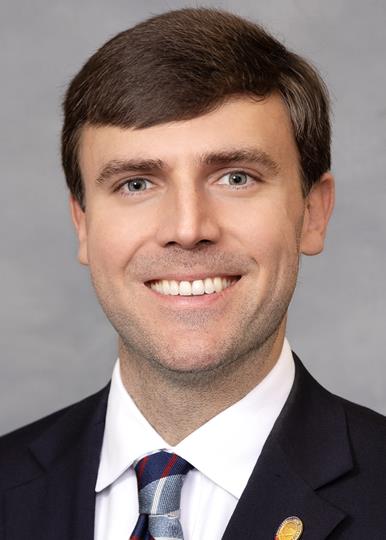
Charles Smith
House · District 44
|
D |
Strong +
|
100% | 23 |
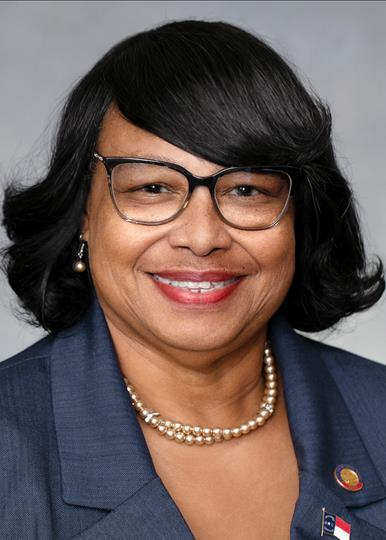
Gloristine Brown
House · District 8
|
D |
Strong +
|
83% | 23 |
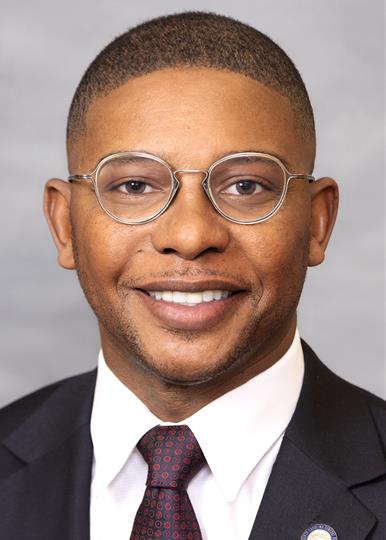
Mike Colvin
House · District 42
|
D |
Strong +
|
83% | 23 |
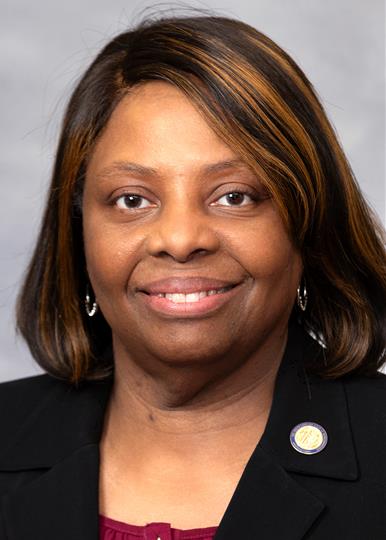
Frances Jackson
House · District 45
|
D |
Strong +
|
83% | 23 |
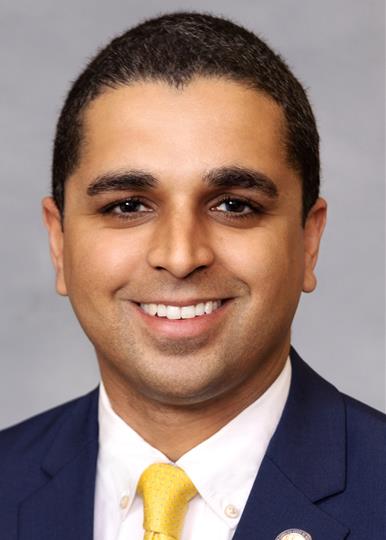
Dante Pittman
House · District 24
|
D |
Strong +
|
83% | 23 |
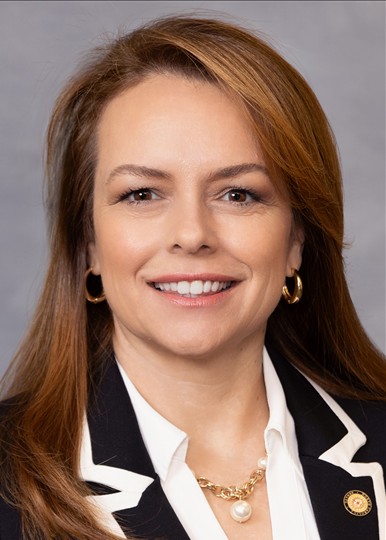
Vickie Sawyer
Senate · District 37
|
R |
Strong −
|
20% | 14 |
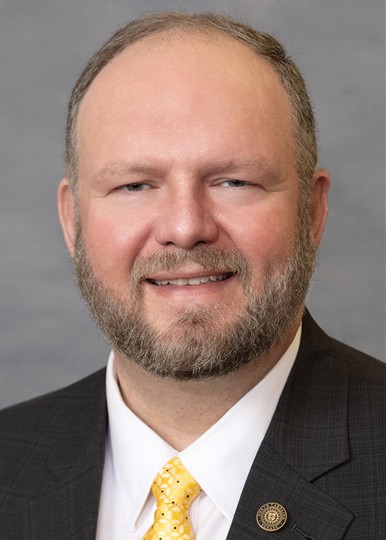
Ralph Hise
Senate · District 47
|
R |
Strong −
|
20% | 13 |
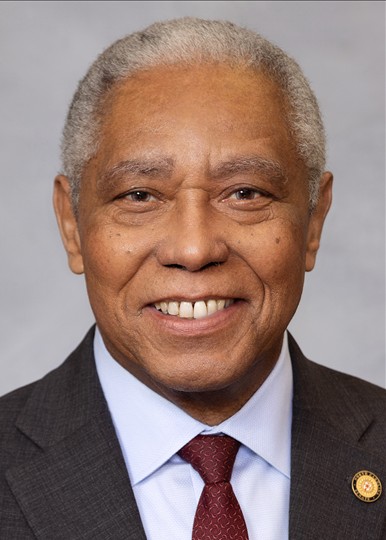
Dan Blue
Senate · District 14
|
D |
Oppose
|
33% | 15 |

Kevin Corbin
Senate · District 50
|
R |
Oppose
|
33% | 15 |

Michael Lazzara
Senate · District 6
|
R |
Oppose
|
33% | 14 |
Showing 191–197 of 197
bills
All labor & employment bills
SB 483: The Children First Act.
Topics
✓ HealthcareSupports HealthcareBill allocates $50M annual subsidies and $15M for child care facilities targeting 'child care deserts,' directly supporting public health outcomes like infant mortality and aligning with MEDICAID/MENTAL HEALTH subjects.
✓ Labor & EmploymentSupports Labor & EmploymentBill expands affordable child care access via subsidies, employer credits, and facility grants, directly reducing employment barriers for parents and supporting workforce participation.
Tags
Children
HB 507: The Children First Act.
Topics
✓ Budget & TaxesSupports Budget & TaxesBill allocates $50M annual subsidies and $15M grants for child care, directly increasing state spending on public services and tax credits.
✓ Labor & EmploymentSupports Labor & EmploymentExpands child care access via subsidies and employer credits, directly supporting workforce participation and reducing barriers for working parents.
Tags
Children
SB 246: Create 13,000 Jobs Serving People With I/DD.
Topics
✓ Budget & TaxesSupports Budget & TaxesAllocates $134M (2025-26) and $357M (2026-27) in state funds for Medicaid waiver slots, directly increasing budgetary spending for public social services and disability care.
✓ HealthcareSupports HealthcareBill expands Medicaid waiver slots by 10,000 (5k/year) for I/DD health services, allocates $491M in state funds to cover federal match, directly increasing healthcare access and funding for vulnerable populations.
✓ Labor & EmploymentSupports Labor & EmploymentCreates 13,000 new direct care jobs via Medicaid waiver expansion, directly funding employment in healthcare sector per bill's title and EMPLOYMENT subject category.
Sub-Topics
Medicaid
HB 574: Workforce Development Pilot Project.
Topics
✓ Budget & TaxesSupports Budget & TaxesBill allocates state budget funds to workforce development grants, directly funding a program aligned with fiscal management and public investment per subjects list.
✓ Labor & EmploymentSupports Labor & EmploymentBill funds employer training grants to improve wages, reduce turnover, and upgrade worker skills, directly advancing employment standards and worker benefits.
HB 568: 2025 Omnibus Labor Amendments.
SB 124: State Hiring Accessibility and Modernization.
Topics
✓ Labor & EmploymentSupports Labor & EmploymentRemoves unnecessary degree barriers for state hiring, expanding employment access for workers with military/trade experience per bill's focus on accessibility and modernization.
✓ TechnologySupports TechnologyModernizes hiring with tech features like auto-fill forms and resume uploads, listed under Information Technology subject.
✓ VeteransSupports VeteransBill explicitly removes degree barriers for military service experience in state hiring, directly advancing veterans' employment access per subjects list and summary.
Sub-Topics
Public Employees