Issue · Labor & Employment

Labor & Employment

Every labor & employment bill, vote, and legislator stance in North Carolina, automatically classified by Maddy, our AI policy reader.

Total bills
206
2025-2026 Session
Top supporter
Charles Smith
100% support rate
Top opponent
Vickie Sawyer
20% support rate
Ranked legislators
10
5 support · 5 oppose
Key legislators

Who's moving labor & employment in North Carolina

Legislators moving labor & employment in North Carolina
Legislator Party Stance Support rate Votes
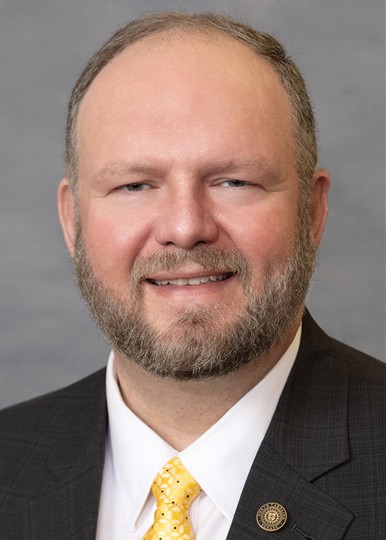
Charles Smith
Charles Smith House · District 44
D
Strong +
100% 23
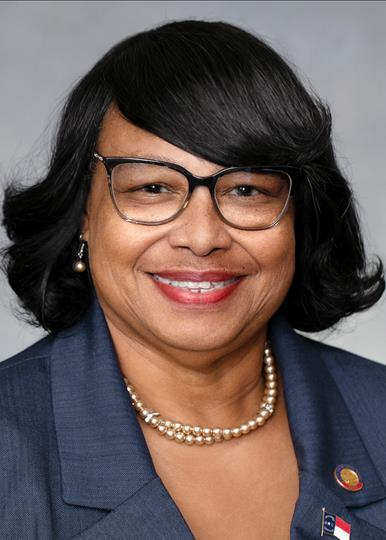
Gloristine Brown
Gloristine Brown House · District 8
D
Strong +
83% 23
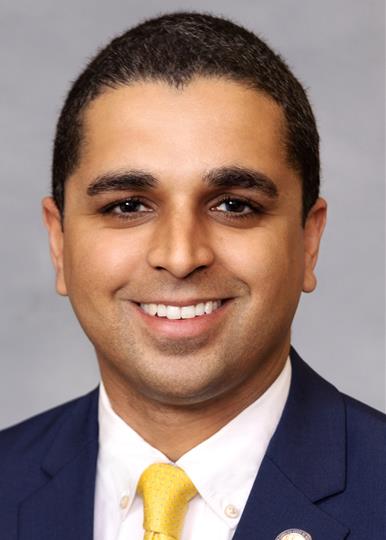
Mike Colvin
Mike Colvin House · District 42
D
Strong +
83% 23
Frances Jackson
Frances Jackson House · District 45
D
Strong +
83% 23
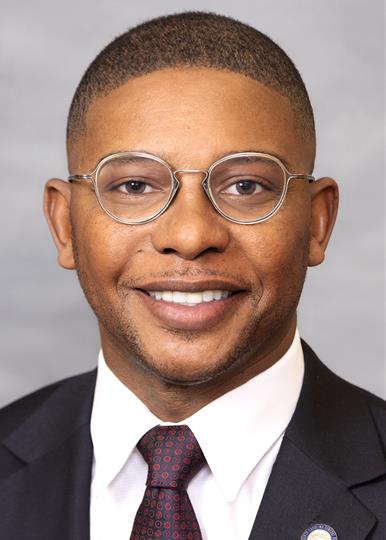
Dante Pittman
Dante Pittman House · District 24
D
Strong +
83% 23
Vickie Sawyer
Vickie Sawyer Senate · District 37
R
Strong −
20% 14
Ralph Hise
Ralph Hise Senate · District 47
R
Strong −
20% 13
Dan Blue
Dan Blue Senate · District 14
D
Oppose
33% 15
Kevin Corbin
Kevin Corbin Senate · District 50
R
Oppose
33% 15
Michael Lazzara
Michael Lazzara Senate · District 6
R
Oppose
33% 14
Showing 161–170 of 206 bills

All labor & employment bills

in committee · North Carolina · House Mar 5, 2025

HB 269: Workforce Freedom and Protection Act.

HB 269, the "Workforce Freedom and Protection Act," bans non-compete agreements for most North Carolina workers earning under $75,000 annually, prohibiting employers from restricting job mobility after termination or requiring such agreements as a condition of employment. It also directs the Legislative Research Commission to study occupational licensing requirements in key industries like construction, cosmetology, and healthcare to identify unnecessary barriers that may raise costs for consumers or limit job access. The study will evaluate licensing rules based on public safety justification, economic impact, and comparison to national standards, with recommendations for potential reforms. The bill does not immediately change existing licensing but sets a process for reviewing requirements that may disproportionately affect low- and moderate-income workers. The non-compete ban takes effect July 1, 2025.
Sub-Topics Professional Licensing Tags Licensing
in committee · North Carolina · House Mar 11, 2025

HB 353: Fair Minimum Wage Act.

HB 353, the Fair Minimum Wage Act, raises North Carolina's state minimum wage in staged increases, starting at $10 per hour on January 1, 2026, and reaching $18 per hour by January 1, 2030. After 2030, the wage will automatically adjust annually based on inflation using the Consumer Price Index. The bill directly affects hourly workers and employers across North Carolina, requiring higher pay for all covered employees. It also adds provisions allowing workers to recover unpaid wages plus interest, attorney fees, and court costs if employers fail to pay correctly.
in committee · North Carolina · House Mar 11, 2025

HB 351: Recovery-Friendly Workplace Program/Funds.

HB 351 establishes North Carolina's Recovery-Friendly Workplace Program, which helps employers support employees in addiction recovery. Employers (both public and private) can become "participants" or earn "certified" status by completing training, adopting inclusive policies (like flexible leave and confidential treatment access), and implementing evidence-based practices. The program, funded with $300,000 from the Opioid Settlement Fund, provides employers with advisors, model policies, and annual reviews to maintain certification. It directly affects all North Carolina employers covered by workers' compensation and their employees seeking recovery support. The program becomes effective July 1, 2025.
in committee · North Carolina · House Mar 11, 2025

HB 339: Economic Security Act.

HB 339, the Economic Security Act, raises North Carolina's minimum wage to $22 per hour effective January 2026, with annual inflation adjustments based on the Consumer Price Index. It mandates equal pay for equal work, requires paid sick leave and family medical leave for all employees, and strengthens workplace safety protections. The bill also restores inflation-adjusted unemployment benefits, ends wage theft, removes criminal history questions from job applications ("banning the box"), and expands tax credits for childcare and low-income workers. Additionally, it creates a presumption that essential workers infected with COVID-19 contracted it on the job and appropriates funds for cost-of-living adjustments for public retirees.
in committee · North Carolina · House Mar 17, 2025

HB 403: Workers' Rights Act.

HB 403, the "Workers' Rights Act," fundamentally changes employment protections for all North Carolina workers. It abolishes at-will employment (meaning employers can only terminate workers for "just cause"), mandates paid 15-minute breaks for all employees working over 6 hours and a 60-minute paid meal break for longer shifts, and eliminates the subminimum wage for tipped workers by requiring employers to count tips only up to federal limits. The bill also prohibits employers from retaliating against workers who discuss wages or file complaints, and repeals the ban on public employee collective bargaining while creating an Ombuds Office to handle state employee workplace issues. These provisions directly affect every worker in North Carolina and state employees.
in committee · North Carolina · House Mar 17, 2025

HB 398: Enact KinCare and Safe Days.

HB 398, the "KinCare Act," allows North Carolina employees to use accrued sick leave to care for family members, directly affecting employers and workers in the state. The bill expands existing sick leave provisions to permit up to five consecutive days per year for caring for defined family members - including children, parents, spouses, domestic partners, or others with close family-like relationships - without requiring the employee’s own illness. Employers must permit this use under the same conditions applied to personal sick leave, while clarifying it does not alter federal Family and Medical Leave Act coverage or apply to certain benefits like workers’ compensation. The law takes effect October 1, 2025.
Sub-Topics Paid Leave
in committee · North Carolina · Senate Mar 18, 2025

SB 304: Reenact EITC.

This bill reinstates North Carolina's Earned Income Tax Credit (EITC) program, which provides a state tax credit to low-income workers who qualify for the federal EITC. It sets the state credit at 5% of the federal credit amount (down from 4.5% in 2013), making it refundable so eligible taxpayers receive cash even if they owe no state tax. The credit applies to tax years beginning January 1, 2025, and continues a program that expired after 2013. The bill does not change eligibility rules or create new benefits - it simply reenacts the prior policy structure.
Sub-Topics Income Tax Tax Credits
in committee · North Carolina · House Mar 19, 2025

HB 438: Require Paid Rest Breaks.

HB 438 requires North Carolina employers to provide employees working six-hour shifts or longer with at least one 20-minute paid rest break, scheduled near the middle of the workday. The bill directly affects workers in North Carolina covered by the Wage and Hour Act, mandating employers offer this break (though employees may decline it). Employers who fail to comply face civil penalties of up to $100 for a first violation and $500 for subsequent violations, with penalties adjusted for business size and violation severity. The law takes effect upon enactment and applies to all employment in North Carolina on or after that date.
Sub-Topics Labor Standards
in committee · North Carolina · Senate Mar 19, 2025

SB 326: Economic Security Act.

SB 326, the Economic Security Act, raises North Carolina's minimum wage to $22 per hour starting January 1, 2026, with annual inflation adjustments based on the Consumer Price Index. It requires employers to provide paid sick leave, paid family medical leave, and workplace safety protections, while mandating equal pay for equal work regardless of gender. The bill also increases the tipped minimum wage, ends wage theft, prohibits employers from asking about criminal history on job applications ("ban the box"), and expands unemployment benefits for workers. These provisions directly affect all private and public employers and employees across North Carolina, including gig economy workers and essential workers.
in committee · North Carolina · House Mar 20, 2025

HB 458: Improve Enforcement/Migrant Housing.

HB 458 requires migrant housing operators in North Carolina to request preoccupancy inspections 45 days before housing is occupied, ensuring compliance with safety and health standards like clean water, structural safety, and pest control. It directly affects housing operators (who own or manage migrant housing) and state agencies like the Department of Labor and local health departments. Key provisions include mandatory inspections before occupancy, a two-year perfect-compliance option for operators to self-inspect, and strict timelines for correcting deficiencies. The bill focuses on concrete enforcement mechanisms rather than policy outcomes, updating existing regulations to strengthen housing oversight for agricultural workers.
Showing 161 to 170 of 206 bills
Previous 1 16 17 18 21 Next