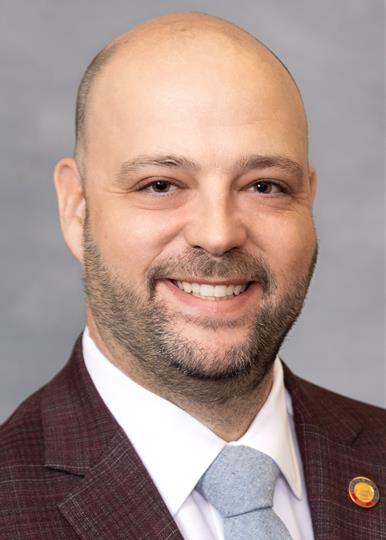
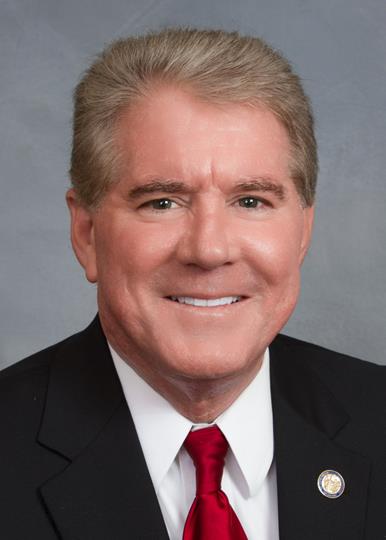
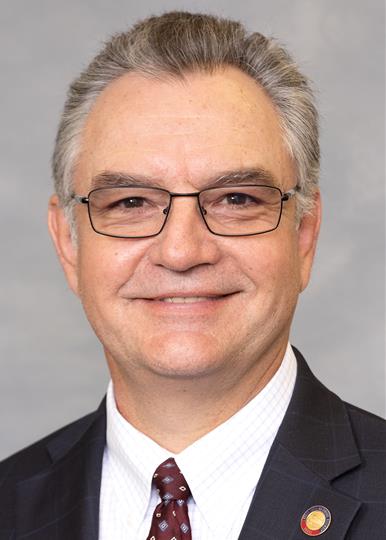
HB 503, the "Don't Tread on Me Act," proposes new protections for North Carolinians by restricting government overreach in privacy, healthcare, education, and employment. It prohibits state agencies from conducting warrantless surveillance, demanding private medical or political information for services, denying reproductive care based on ideology, interfering with parental decisions without due process, or censoring fact-based education. The bill also bans discrimination in employment, housing, or public services based on private beliefs, medical history, or lawful conduct. Currently in early legislative stages (filed March 24, passed 1st reading March 26), it would take effect if enacted.
HB 59 would increase the income eligibility limit for North Carolina's elderly or disabled property tax homestead exclusion from $25,000 to $48,000 for taxable years beginning July 1, 2026. This change would directly affect homeowners aged 65 or older, or those who are totally and permanently disabled, who meet other criteria (like being a North Carolina resident and owning their home as a permanent residence). The bill modifies the existing rule that currently limits eligibility to those with incomes under $25,000, raising the threshold to $48,000 while maintaining the exclusion amount as the greater of $25,000 or 50% of the home's appraised value. The change aims to expand access to this property tax relief for qualifying low-to-moderate income homeowners. (Note: The bill was withdrawn in June 2025 and has not become law.)
HB 94 allows disabled veterans and their unremarried surviving spouses to prequalify for the disabled veteran property tax homestead exclusion. This means individuals can apply to determine their eligibility for the tax benefit before they purchase a permanent residence. Applicants submit a prequalification form with their disability certification, and the county assessor must notify them of their eligibility within 30 days. The bill aims to help taxpayers and lenders account for this tax relief when making home purchase decisions. After prequalification, a separate application for the exclusion is still required once a permanent residence is acquired.
HB 739 allocates $61.3 million in nonrecurring state funds for specific projects in Wilson and Nash counties, primarily benefiting Wilson County entities and two towns. The bill directs funds for water infrastructure in Lucama, sewer projects in Stantonsburg, volunteer fire departments, school construction, a new courthouse, sheriff's training, Narcan in schools/libraries, housing authority projects, a transit program, and a new police building in Sharpsburg. It becomes effective July 1, 2025, with all funding designated for immediate, concrete local needs without new policy requirements.
SB 492 allows single-exit stairways in certain multifamily residential buildings (5-32 units, under 75 feet tall, on one lot) that meet strict fire safety standards. It applies to qualifying "Group R-2" buildings, requiring either 2-hour fire-rated construction with sprinklers (mid-rise) or 1-hour fire-rated construction/sprinklers (low-rise), plus specific egress requirements like 20-foot travel distance to the stairway and pressurized stairwells. The bill temporarily permits this change until the Building Code Council adopts permanent rules, which must align with these provisions. It directly affects developers and builders constructing qualifying mid-rise or low-rise apartment buildings in North Carolina. The law does not apply to three- or four-family homes or buildings exceeding the specified height or unit limits.
SB 137 requires written consent from all property owners for any zoning change that reduces development density or permitted land uses (down-zoning), except when local governments initiate down-zoning specifically for farmland preservation. It directly affects property owners in Henderson County and specific towns within the county (Fletcher, Mills River, Flat Rock, Laurel Park, and Saluda) by giving them veto power over most down-zoning proposals. The key mechanism is the consent requirement, with the exception allowing local governments to protect farmland without owner approval. This bill applies retroactively to January 31, 2025, and modifies existing zoning law to prioritize property owner consent in zoning decisions.
SB 583, the Lead. Invest. Families/Foster Teen Act (LIFT), creates a program providing $1,000 monthly cash payments to four specific groups: homeless high school seniors (grade 12), expectant or new mothers with children under 18 months, natural disaster survivors qualifying for FEMA aid, and young adults exiting foster care (aged 16-27). Payments begin April 1, 2026, and continue until April 1, 2035, with disaster survivors receiving payments for 12 months post-disaster. The program is funded through a new LIFT Fund established within the Department of Health and Human Services, which receives state appropriations and other designated funds, and payments are exempt from state income tax and do not affect eligibility for other public benefits. The bill also modifies the corporate income tax rate to offset program costs, aligning the effective tax rate for corporations more closely with individual taxpayers.
HB 209 authorizes Durham Public Schools and Durham County to create affordable rental housing for teachers, police officers, first responders, and other Durham County employees. The bill allows these entities to partner using their existing land to build housing, with at least 75% of units reserved specifically for Durham Public Schools teachers. Rent will be set at reasonable, below-market rates, and all housing must comply with standard building and safety codes. The bill is currently pending in committee and does not change existing zoning or safety regulations for the housing units.
This bill increases North Carolina's income limit for the property tax homestead exclusion for elderly or disabled homeowners from $25,000 to $48,000, effective for taxes due in 2025. It applies to qualifying homeowners whose income would otherwise disqualify them from the exclusion. The new limit will automatically adjust annually based on Social Security cost-of-living adjustments, rounded to the nearest $100. This change directly affects low-to-moderate-income elderly or disabled homeowners seeking property tax relief.
SB 134 allows North Carolina local governments to require new residential developments to include affordable housing units through inclusionary zoning policies. It directly affects local zoning authorities, developers building new housing, and low-to-moderate income residents who would benefit from increased affordable housing options. The bill also appropriates $10 million in recurring funds to the North Carolina Housing Finance Agency for its Workforce Housing Loan Program starting in 2025. These provisions aim to supplement affordable housing availability by giving local governments tools to mandate inclusionary requirements and providing dedicated funding for housing loans. The bill takes effect on July 1, 2025.