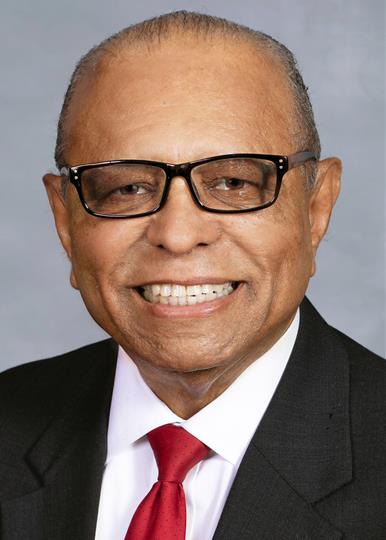
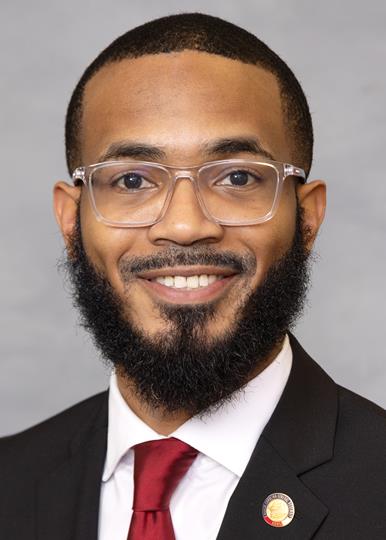
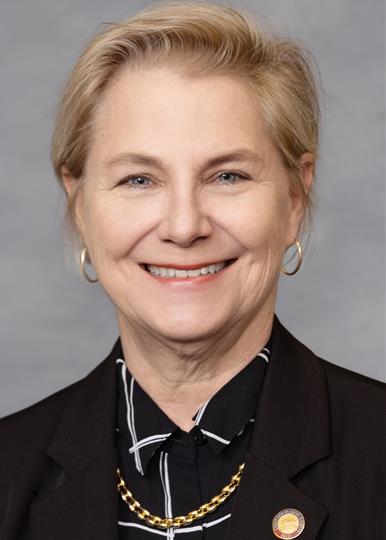
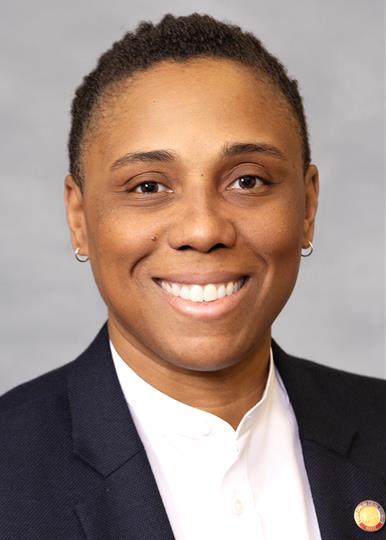
Key legislators
Who's moving housing in North Carolina
Showing 3 of 3
bills
All housing bills
HB 437 establishes "Drug-Free Homeless Service Zones" within 300 feet of facilities that provide homeless services (like shelters or transitional housing) using public funds. It increases penalties for drug offenses committed in these zones: individuals 21+ face Class E felony charges, while facility operators allowing such offenses face Class 1 misdemeanor charges. Facilities must display visible signs identifying the zone, and the law applies to offenses committed on or after December 1, 2025. The bill directly affects homeless service providers, their operators, and individuals committing drug offenses in designated zones.
SB 675 sets a 2% maximum fee limit for second or junior lien mortgages in North Carolina, aligning state rules with federal Qualified Mortgage standards. It allows up to 3% total fees across all lenders for such loans, referencing federal guidelines (12 C.F.R. §1026.43(e)(3)). The bill directly affects borrowers taking second mortgages and lenders who charge fees on these loans. It requires lenders to comply with these fee limits on loans secured by real property, effective upon enactment.
HB 1042 updates North Carolina's property tax exemptions for nonprofit organizations that provide housing for low- or moderate-income individuals. The bill clarifies that land held by nonprofits for future affordable housing projects can remain tax-exempt for up to five years, with unpaid taxes deferred until the project is completed or the land is no longer used for this purpose. Additionally, the legislation establishes a new specific exemption for affordable rental housing, defining it as developments where more than half the units are rented to tenants earning at or below 80% of the area median income. These changes aim to provide clearer tax incentives for nonprofits developing and operating affordable rental properties.