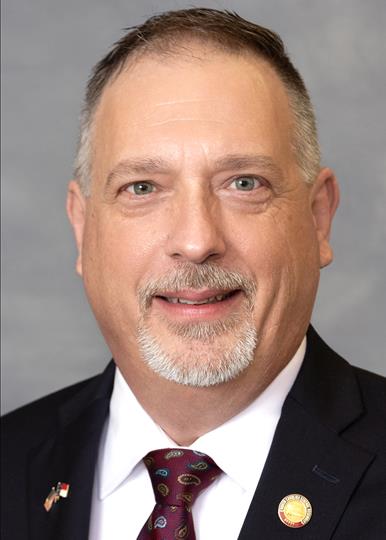
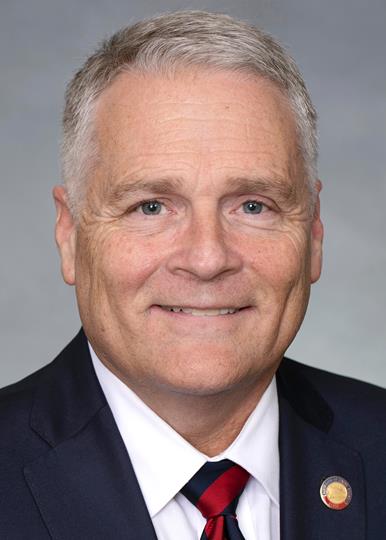
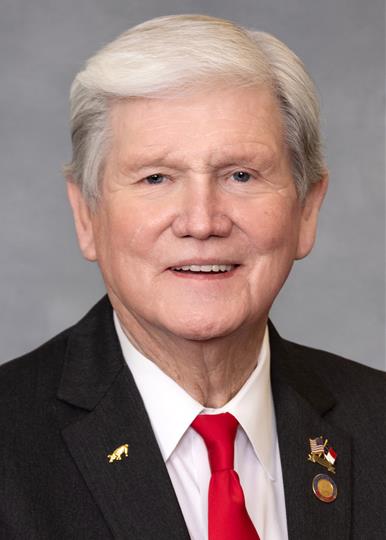
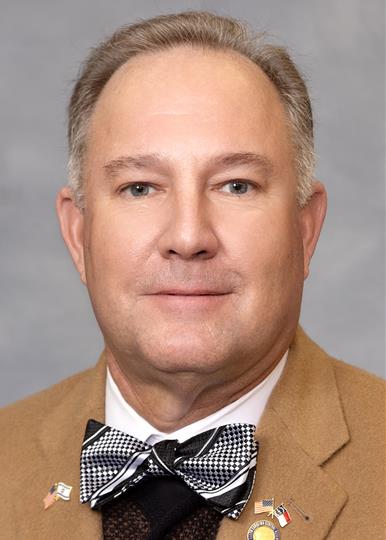
Key legislators
Who's moving healthcare in North Carolina
Showing 3 of 3
bills
All healthcare bills
HB 536 modifies North Carolina's Physical Therapy Practice Act by establishing a new Board of Examiners to regulate the profession. The Board will consist of eight members (including a medical doctor, four physical therapists, two physical therapist assistants, and a public member) appointed to oversee licensing, discipline, and continuing education requirements for physical therapists and assistants. The bill clarifies that physical therapy practice excludes surgery, chiropractic, or medical diagnosis, and specifies that the Board may investigate complaints confidentially while making disciplinary decisions public. This legislation directly affects licensed physical therapists, physical therapist assistants, and the public by setting standards for practice, licensure, and professional conduct in North Carolina.
House Bill 390, titled "Alleviate the Dangers of Surgical Smoke," establishes new standards for surgical smoke evacuation in North Carolina. This bill requires all licensed hospitals and ambulatory surgical facilities to adopt and implement policies mandating the use of a smoke evacuation/filtering system during surgical procedures likely to generate surgical smoke. A smoke evacuation/filtering system is defined as equipment that captures, filters, and eliminates surgical smoke at its origin. The Department of Health and Human Services is authorized to take adverse action against facilities that violate these new requirements. This act is scheduled to become effective on January 1, 2026.
HB 696, the Health Care Practitioner Transparency Act, requires health care providers in North Carolina to clearly state their license type, certification, or registration in all advertisements and public representations. It prohibits deceptive claims about qualifications and bans unlicensed individuals from using medical titles like "doctor," "surgeon," or specialty terms (e.g., "cardiologist") to mislead patients. The law applies to licensed professionals (doctors, nurses, dentists, etc.) who advertise services, but exempts those in non-patient settings without direct care interactions. Violations could lead to disciplinary action by their licensing board, with daily noncompliance treated as separate offenses. The bill takes effect October 1, 2025.