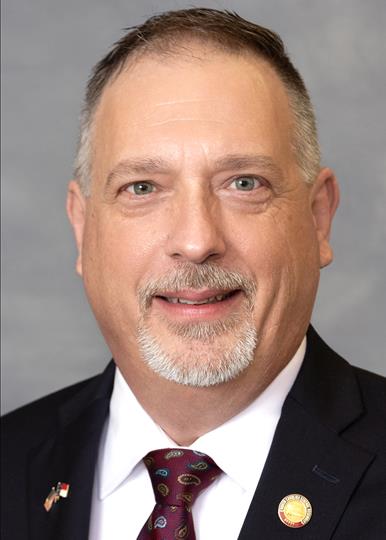
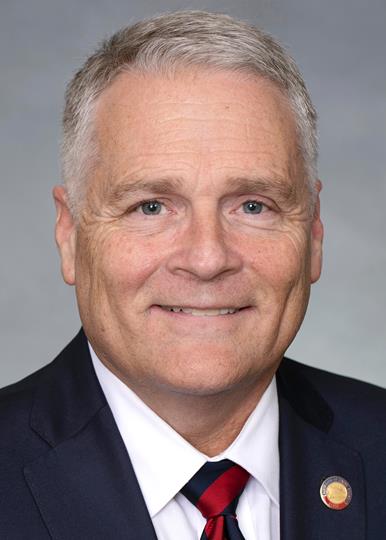
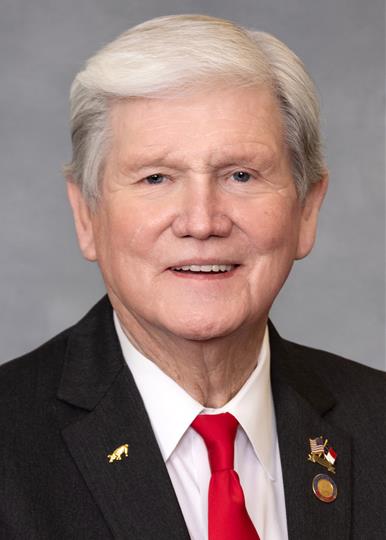
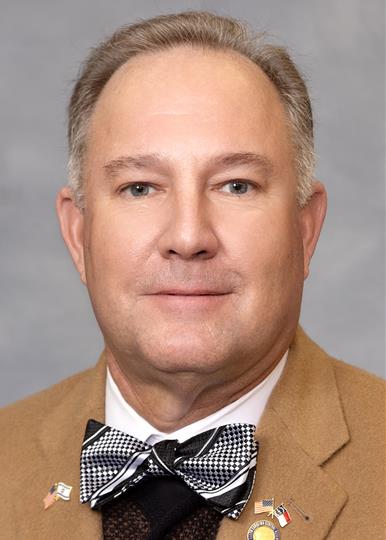
Key legislators
Who's moving healthcare in North Carolina
Showing 41–44 of 44
bills
All healthcare bills
HB 123 makes it a crime for health care providers to willfully destroy, alter, or falsify medical records to conceal medical errors causing patient harm, illegally obtain money, or hide facts related to potential legal claims. It creates specific criminal penalties: a serious felony for hiding errors that caused injury or death, a lesser felony for financial gain, and a misdemeanor for other concealment. The law applies to all health care providers and becomes effective December 1, 2025. It explicitly states this does not affect existing civil remedies available to patients.
HB 397 allows schools in North Carolina to use epinephrine nasal spray as an emergency treatment option alongside traditional auto-injectors for students experiencing anaphylaxis. The bill amends school health policies to include nasal spray devices in the definition of "epinephrine auto-injector delivery systems," requiring all schools to maintain at least two emergency epinephrine supplies (now including nasal spray) in secure but accessible locations. Schools must train staff to recognize anaphylaxis symptoms, store devices properly, and follow emergency action plans developed with school nurses. This applies to public schools, charter schools, and regional schools starting in the 2025-2026 school year. The policy directly affects school staff, students with severe allergies, and school health protocols.
HB 160 requires North Carolina's University of North Carolina School of Medicine Area Health Education Centers (NC AHEC) to create and share evidence-based information about sudden unexpected death in epilepsy (SUDEP) with all healthcare practitioners in the state. This includes current risk factors, conditions, and contact details for epilepsy support organizations, available on NC AHEC's website. Healthcare providers treating epilepsy patients will directly receive this standardized resource, which must be compiled by consulting medical boards and professional societies. NC AHEC must report the completed resource to the legislature by September 1, 2025.
HB 71, the Respiratory Care Modernization Act, updates North Carolina's laws governing respiratory care practice. It creates a new "Advanced respiratory care practitioner" (ARCP) category for licensed professionals with postgraduate training, requiring Board-endorsed competency for advanced procedures. The bill clarifies that ARCPs cannot diagnose, prescribe, or perform invasive procedures without physician supervision, while defining their scope to include cardiopulmonary care and tasks delegated by physicians. This directly affects respiratory care practitioners and patients by standardizing advanced practice rules and ensuring procedures align with current professional standards. The changes aim to reflect modern respiratory care practices without altering basic licensing requirements.