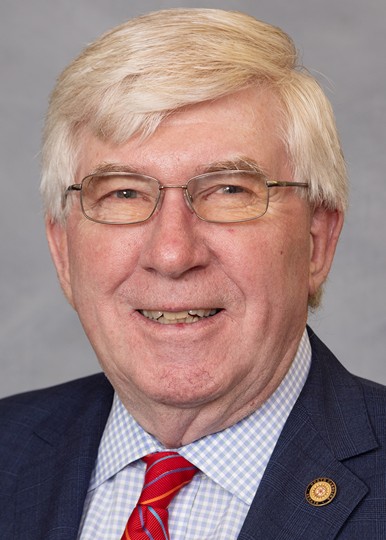
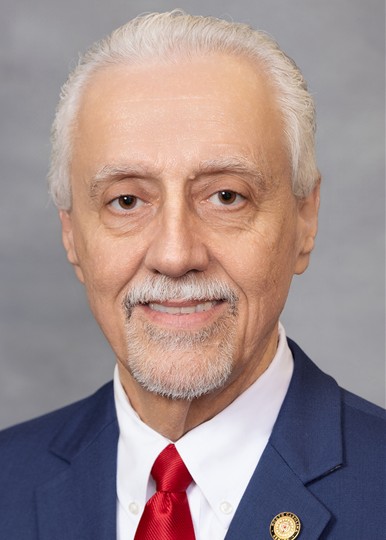
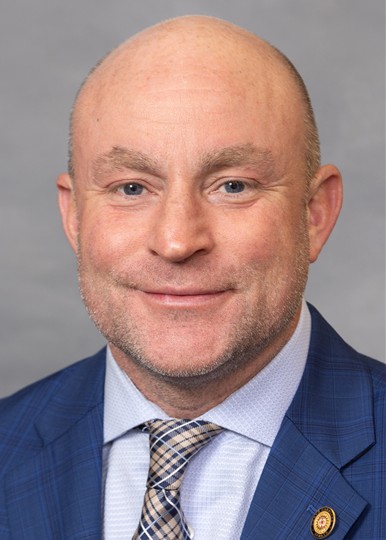
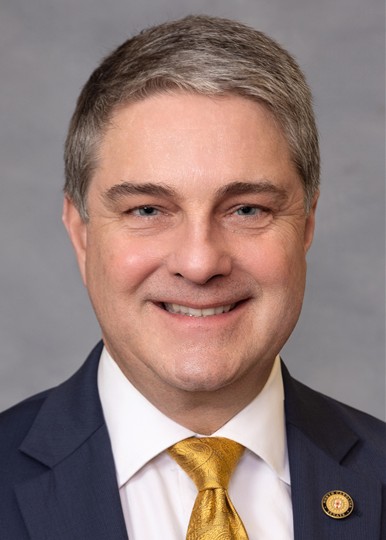
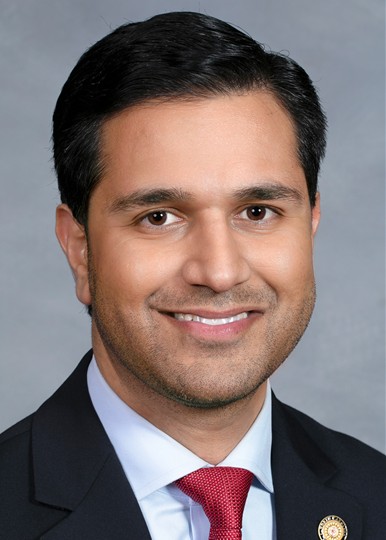
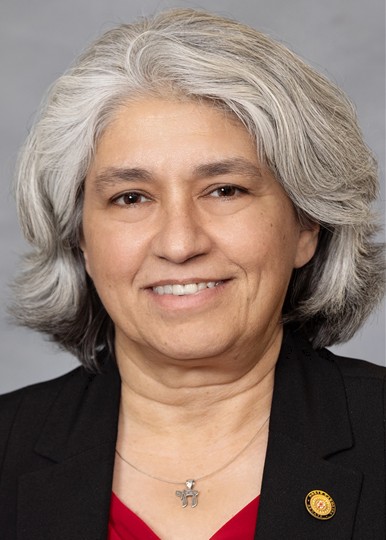
Key legislators
Who's moving energy in North Carolina
Showing 2 of 2
bills
All energy bills
This bill restricts the City of Rocky Mount from using money earned by its electric utility to fund general city expenses beyond specific operational needs. It mandates that revenue from electric rates must primarily cover the costs of running the power system, paying off related debts, and keeping rates low for customers. The only exception allows the city to transfer a limited amount of surplus funds to other municipal accounts, capped at the greater of 3% of the system's assets or 5% of its annual revenue. Effective July 1, 2026, these rules apply exclusively to Rocky Mount, preventing the transfer of electric utility profits to the city's general fund for unrelated purposes.
SB 1047, titled the Regulatory Reform Act of 2026, organizes and updates North Carolina's laws regarding Guaranteed Energy Savings Contracts (GESC) to provide regulatory relief for citizens. The bill primarily affects state and local governmental units by establishing a structured process for these contracts, which allow governments to pay for energy-saving upgrades based on actual savings rather than upfront costs. Key provisions require officials to publish requests for qualifications, select providers based on specific criteria like past performance and technical feasibility, and conduct independent audits to verify projected energy savings. Additionally, the legislation sets clear thresholds for terminating projects if the actual savings do not meet the guaranteed estimates, ensuring accountability in public spending.